
The 450-Mile Drivetrain Panic Lock
A digital odometer clicks over to exactly 450 miles on a brand-new, sixty-thousand-dollar luxury Silverado pickup.
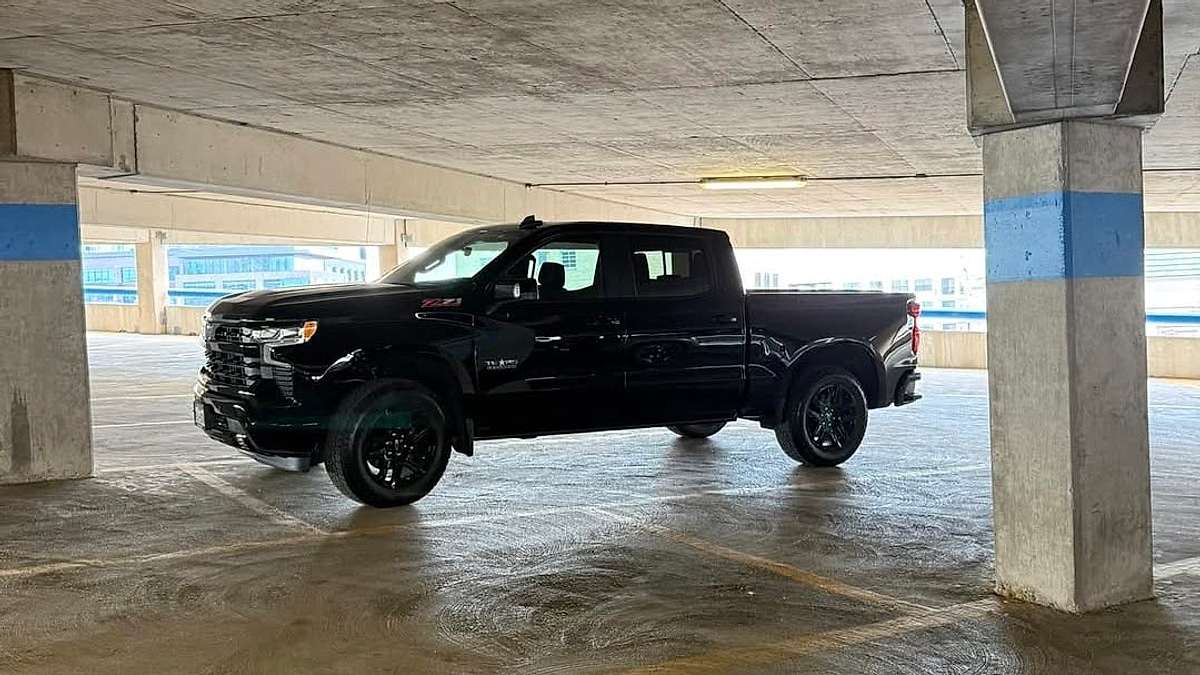
An owner navigates a steep concrete incline of a tight metropolitan parking structure, surrounded by concrete pillars and oncoming traffic.
Without warning, the vehicle acts as if it has been struck by an invisible brick wall, violently locking the wheels and throwing your body against the seatbelt.
This terrifying scenario is not a scene from a Hollywood movie;
It is the real-world nightmare that just unfolded for a Texas truck owner.
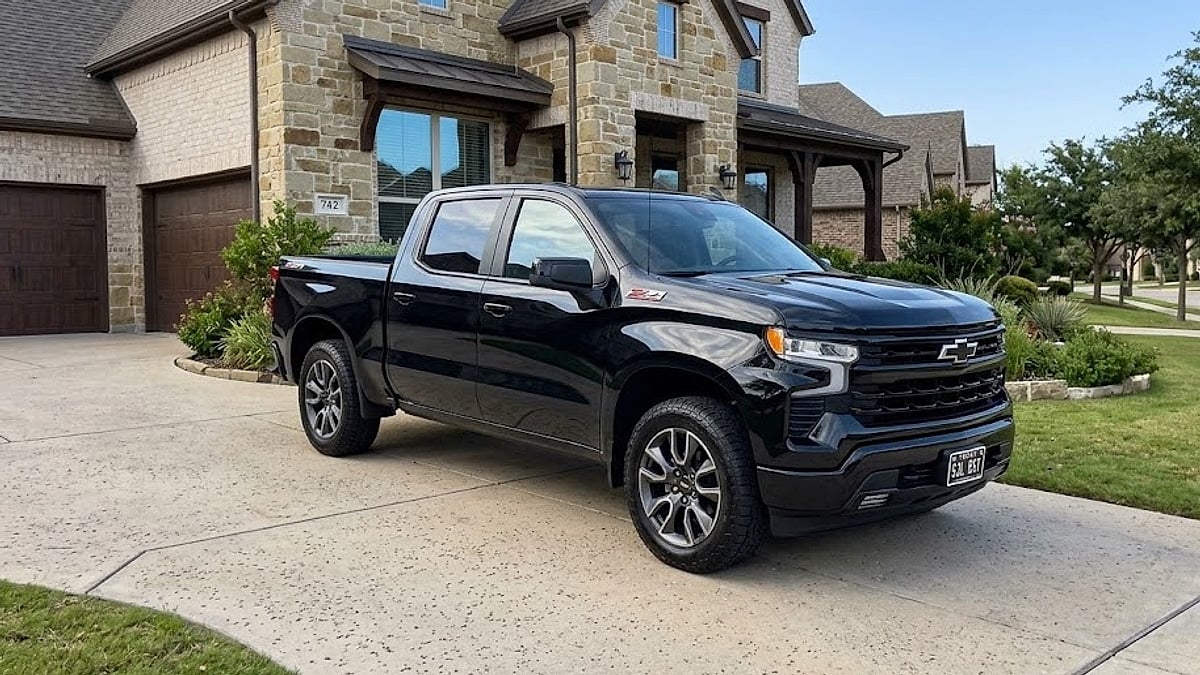
An automotive investigative report.
I examine a critical software safety vulnerability within the 2026 Chevrolet Silverado 1500 RST 5.3L V8 powertrain architecture.
A severe digital anomaly within General Motors' shift-by-wire system can trigger uncommanded emergency braking and unintended transmission shifts into park or neutral while the truck is actively in motion.
Signal path tracking indicates that transient voltage drops or communication losses to the Body Control Module cause the electronic shifter actuator to default to a parking-lock fail-safe protocol, posing an immediate rollover or collision hazard on steep inclines.
When the Line Disappears
When a brand-new vehicle experiences an uncommanded emergency braking event while in motion, the line between an inconvenient software glitch and a fatal safety hazard disappears.
The modern truck market has traded mechanical cable connections for digital code, and the real-world consequences of that trade are starting to surface in dealership service bays across the country.
Salvador Robles from Red Oak, Texas, experienced this digital vulnerability firsthand and shared his alarming story on a popular Facebook community dedicated to late-model Silverado pickups.
"My truck randomly slammed on the brakes, threw itself into park, and shut off while going up a parking garage (the truck was actually in motion when it happened). Brand new 2026 Chevy Silverado RST, 5.3L, 450 miles on the dash. Just went up a parking garage again, and the truck began to lose power, stalled, and shut off. Threw itself into neutral and began to roll backward. Put it in park, cranked it back up, and acted normal again. What is up with Chevrolet?"
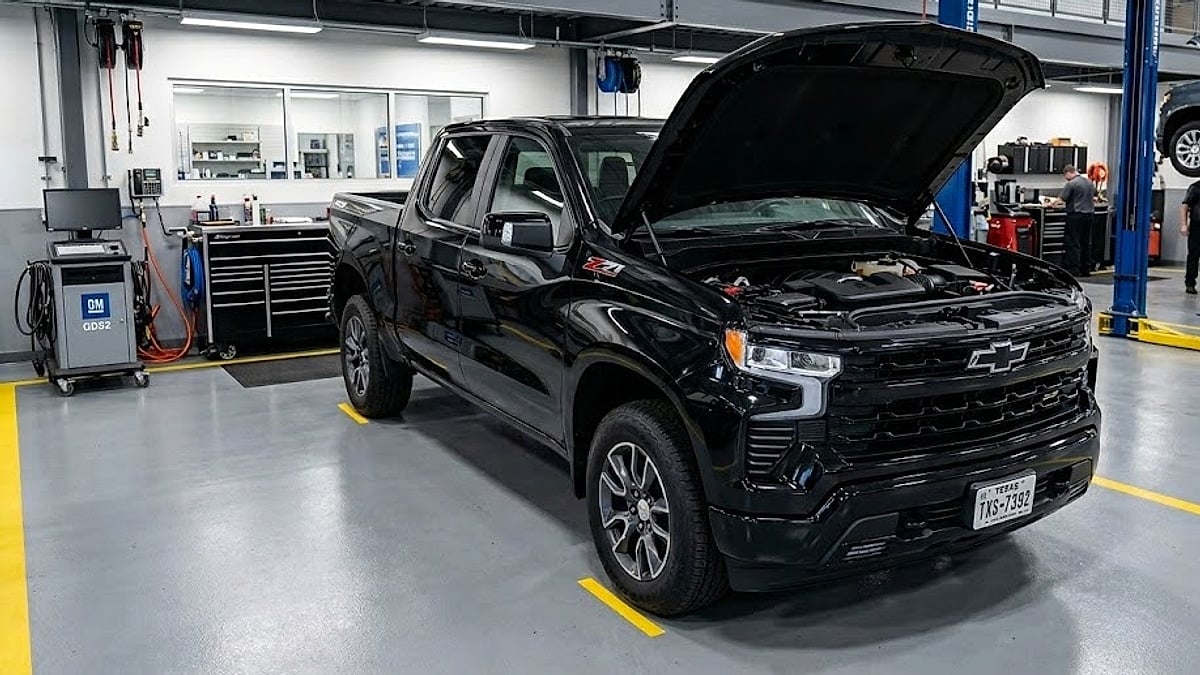
This harrowing report highlights a critical failure pattern that goes far beyond a simple engine sputter or a loose battery cable connection. When a moving vehicle commands its own electronic parking pawl to engage while the wheels are turning, it poses an immediate risk of an involuntary rear-end collision or structural damage to the drivetrain.
Having a truck completely shut down, drop its transmission into neutral, and roll backward down a steep parking structure ramp is an absolute worst-case scenario for any driver.
Manufacturing Oversights Show Up Early
In my tracking of these complex modern network failures, I often see that initial manufacturing oversights manifest within the first few thousand miles of ownership. Many drivers are finding that buying a new model year does not insulate them from severe powertrain anomalies.
Partial dealership lifter repairs on Chevy Silverado V8 engines trigger oil starvation and total component lockup.
Modern shift-by-wire systems replace physical steel linkages with low-voltage multiplex signals sent from a digital console shifter to the Body Control Module and Transmission Control Module.
A 2026 Chevy Silverado RST's stalled engine or a drop below a specific crankshaft RPM threshold while traveling uphill can scramble this digital network.
If the system experiences a momentary loss of communication or a severe voltage drop, the electronic transmission actuator defaults to a safe state, which inadvertently triggers the mechanical park lock rather than maintaining the selected gear.
The frustration among the owner community is growing
As people realize these electronic glitches can leave them stranded in traffic without warning.
Some 2026 Chevy Silverado owners are refusing to defend the brand after witnessing sudden drivetrain failures.
From My View
The root cause of an uncommanded park engagement during an uphill climb usually tracks back to the vehicle’s complex auto start-stop system and electrical grounding network. When a truck is under load climbing a parking garage ramp, the engine demands a steady, uninterrupted supply of clean electrical voltage to keep all onboard modules synchronized.
If a software glitch causes the Powertrain Control Module to miscalculate engine load, it may attempt to enter an uncommanded idle-reduction mode or suffer a sudden electrical stall.
Once the engine cuts out while the truck is in motion,
The electronic shift actuator must instantly decide how to position the transmission valves. If the vehicle’s digital architecture asks whether the engine is running before it checks if the truck is still physically moving, it executes the wrong safety protocol.
The system reads a zero-RPM engine state and automatically assumes the vehicle is stationary, commanding the park servo to lock the drivetrain to prevent the truck from rolling away.
A mechanical liability for an unsuspecting driver
This terrifying software contradiction turns the vehicle's internal safety features into a dangerous mechanical liability.
With three decades of hands-on experience, I know that troubleshooting a transient software bug can be infinitely more difficult than replacing a broken steel gear.
Drivers must understand that these highly integrated digital systems require pristine electrical pathways to function safely.
I explored this thoroughly in my diagnostic breakdown, which shows how Silverado owners have unique options to protect their powertrain networks from underlying systemic defects.
Shifter Software Defies Physical Architecture
When a 5,500-pound pickup truck traveling at 10 miles per hour experiences a communication drop or a digital microswitch failure, the electronic parking pawl can suddenly engage the spinning target gear, causing a violent drive-wheel lockup that panics the ABS and electronic stability control systems.
In secondary encounters, the software attempts to correct this by refusing to lock the pawl while moving, but instead overcompensates by stalling the engine and dropping the transmission into neutral, causing the vehicle to roll backward.
Without engine power, the hydraulic brake booster rapidly depletes its stored vacuum pressure within seconds, leaving the driver with an incredibly stiff brake pedal and minimal brake assist.
Where's the trust?
These severe code failures transform a new truck into an unpredictable rolling hazard within its first month of service, completely fracturing driver trust.
This type of mechanical erraticism is exactly why many buyers are tracking every minor symptom, including the common 2026 Chevy Silverado cold-start howling noise that often signals early subsystem communication failures.
An ignition power cycle temporarily clears volatile memory registers within the Transmission Control Module, erasing the active logic loop that causes dangerous lockups such as uncommanded braking or neutral drops.
Dealerships dismiss the issue as unreplicable
Because this digital reset buries diagnostic trouble codes deep within the CAN bus logs without triggering an active check engine light, dealerships frequently dismiss the issue as unreplicable.
In reality, the 2026 Silverado RST Body Control Module drops vital data packets during fractional-second voltage spikes or due to imperfect steering column grounds, forcing the transmission software to default to a locked or disconnected state.
Drivers must protect their safety and legal rights
Formally document every failure with printed repair orders and explicitly demand that technicians perform a complete health check on the network communication wiring logs, rather than accepting a superficial engine controller software update.
Key Takeaways
- Uncommanded parking lock engagement occurs when electronic shifters lose serial data communication while under load.
- Voltage drops during auto start-stop transitions cause the Body Control Module to execute a static fail-safe protocol.
- Loss of vacuum assist instantly limits mechanical braking performance once an electronic powertrain stall occurs on an incline.
- Transient communication codes frequently clear from the volatile memory cache after a standard ignition power cycle.
Technical Observations from Owner Communities
In a recent technical discussion on r/Silverado, several owners noted that the electronic control errors often appeared after a low-voltage battery event. Based on my 30 years of experience, this aligns with how sensitive GM's Powertrain Control Modules are to voltage drops during the start cycle, as discussed in the full discussion on r/Silverado.
Another owner highlighted the vulnerability of the new design, noting that a drop in circuit stability can trigger immediate system defaults that mimic a lockup, as reported in this Reddit discussion thread on modern electronics.
Next Question
What specific fault codes should an owner look for if their transmission drops into park while moving?
If your truck exhibits uncommanded shifting behavior, a technician must scan for specific communication trouble codes, known as U-codes, such as U0100 or U0101, which indicate a total loss of communication with the Engine Control Module or Transmission Control Module. These codes are crucial because they prove to a dealership service department that a digital network fault occurred, even if the truck behaves normally during a test drive.
How About You? Let us know if your truck has ever given you a scare while shifting by leaving a comment at the red “Add new comment” link below.
What’s Next
In our upcoming second topical-cluster article, we shift focus from the engineering root causes to consumer safety protection and legal strategies.
Stay Tuned For: What 2026 Chevy Silverado Owners Must Do Instantly If Their Electronic Shifter Stalls In Traffic
This consumer advocacy follow-up provides a step-by-step survival guide for drivers dealing with unexpected electronic transmission dropouts. Learn exactly how to activate the manual transmission override, safely handle a high-altitude loss of braking assist, and legally document your repair tickets to build an airtight Lemon Law case against the manufacturer.
Come back today… or check my Torque News Home Page for more of my informative Chevy Silverado automotive news articles.
About The Author
Denis Flierl is a 14-year Senior Reporter at Torque News and a member of the Rocky Mountain Automotive Press (RMAP) with 30+ years of industry experience. Explore his full investigative reporting archives and technical guides at DenisFlierl.com.
Based in Parker, Colorado, Denis leverages the Rockies' high-altitude terrain as a rigorous testing ground to provide "boots-on-the-ground" analysis for readers across the Rocky Mountain region, California EV corridors, the Northeast, Texas truck markets, and Midwest agricultural zones.
A former professional test driver and consultant for Ford, GM, Ram, Toyota, and Tesla, he delivers data-backed insights on reliability and market shifts. Denis cuts through the noise to provide national audiences with the real-world reporting today’s landscape demands.
Connect with Denis: Find him on LinkedIn, X @DenisFlierl, @WorldsCoolestRides, Facebook, and Instagram.
Photo credit: Denis Flierl via Salvador Robles
Set Torque News as Preferred Source on Google
Follow us today...