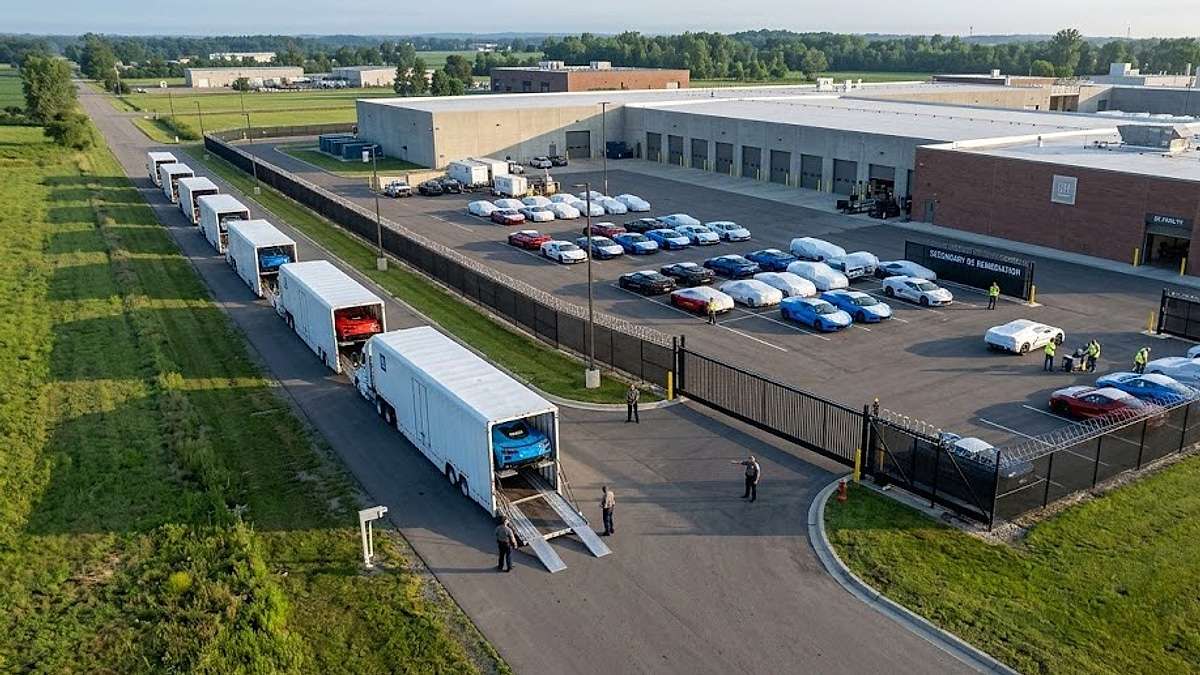

General Motors has initiated a logistics operation diverting newly manufactured 2026 C8 Corvettes directly from the Bowling Green assembly plant to secondary holding facilities in Michigan. This investigative report reveals the mechanical convergence of two distinct engineering crises that led to this unpublicized intervention.
The primary catalyst is a complex hardware noncompliance in which the left-side auxiliary radiator cooling fan assembly creates a low-pressure vortex that can atomize spilled fuel into the mid-engine bay. This thermal management threat is compounded by an ongoing stop-sale order covering 32,988 vehicles due to a faulty calibration in the exterior lighting control module software that disables rear turn signal outage detection. (FOX 13 Tampa Bay)
My analysis details why line-side manufacturing bottlenecks have forced GM to implement manual retrofits and secondary validation procedures to clear critical safety backlogs before the 2027 model year changeover.
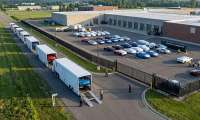
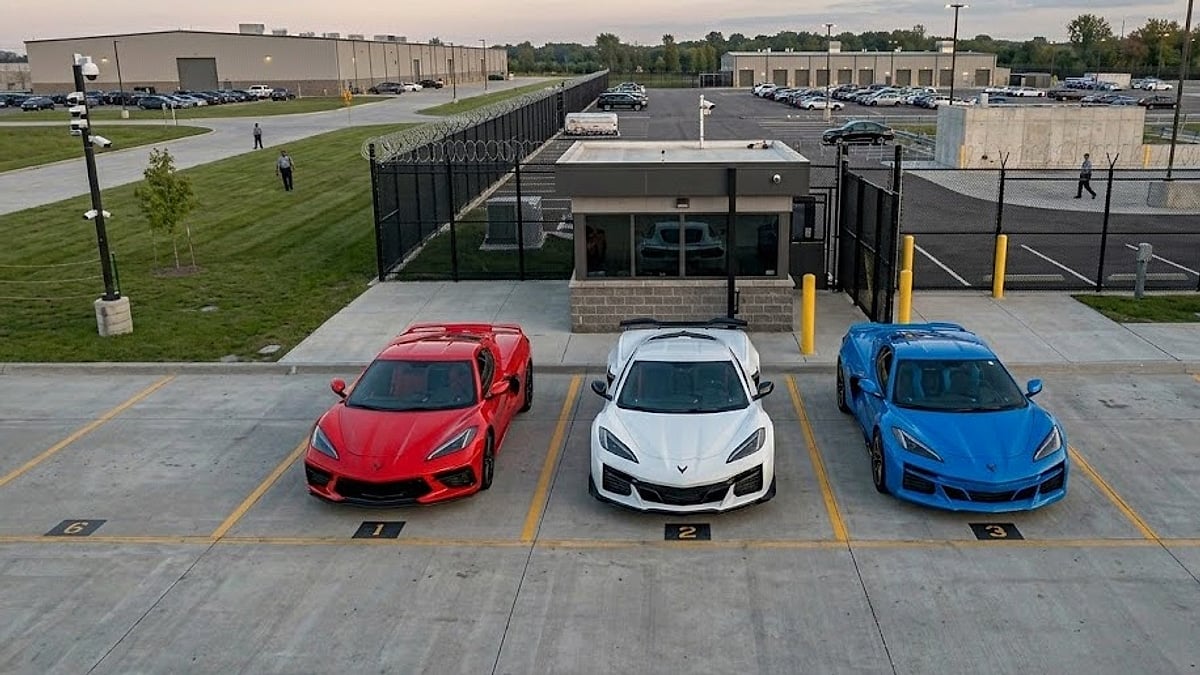
A physical logistical anomaly is unfolding across the midwestern automotive transit corridor as hundreds of factory-fresh 2026 C8 Corvettes are bypassing direct dealership delivery routes. Transport carriers loaded with Stingray, Z06, and E-Ray variants are arriving at high-security secondary validation lots in southeastern Michigan instead of heading to local showroom floors.
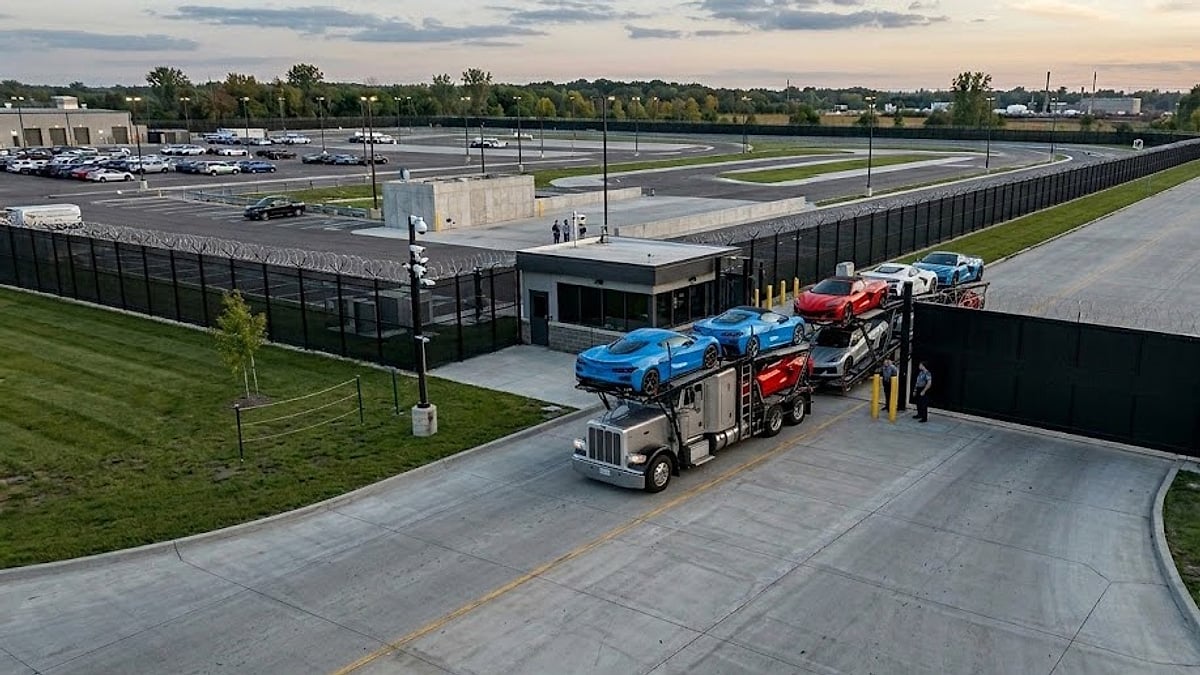
Internal logistics tracking data reveals a sudden 42% spike in transit diversion rates for vehicles produced after the first week of April. This coordinated routing adjustment is not a standard pre-delivery transit check, but a line-side containment strategy deployed to manage a severe dual-component engineering bottleneck.
"My 2026 Z06 order has been sitting in a 'quality hold' status in Michigan for three weeks with zero explanation from the zone representative," shared a verified buyer on the C8 Corvette Owners Group on Facebook. "The dealership confirmed the car left Bowling Green, but it is currently flagged for a secondary manual inspection code that prevents transport release."
This operational pause stems from the convergence of two major engineering challenges. The vehicle utilizes a high-output left-side auxiliary radiator cooling fan assembly on performance variants that creates a distinct low-pressure zone directly beneath the fuel-filler pocket.
Concurrently, a massive safety noncompliance involving 32,988 units under National Highway Traffic Safety Administration campaign number 26V213000 has paralyzed deliveries due to a software flaw that disables the vehicle's rear turn signal outage detection system.
From My View
Having spent over 30 years diagnosing manufacturing defects and tracking assembly line failures, I recognize the distinct signs of a factory containment action. When an automaker diverts its flagship sports car to a secondary site, it indicates that the rectification process cannot be integrated into the assembly line's standard linear flow without halting overall production.
The C8 platform features an intricate electrical architecture that relies on highly sensitive Powertrain Control Modules and Exterior Lighting Control Modules. My experience analyzing similar component bottlenecks indicates that GM is attempting to manage a severe software deployment failure while simultaneously addressing mechanical fire hazards.
The reality is that the software-defined vehicle approach has created a scenario in which a single lineside programming error can halt thousands of deliveries.
Inside the Radiator Fan Fuel Risk
The mechanical risk inherent in the C8 structure concerns the aerodynamic interaction between the refueling infrastructure and the mid-engine thermal management system. Performance variants like the Z06 utilize an auxiliary side-mounted cooling fan assembly that draws ambient air through the side scoops to cool the vehicle's secondary heat exchangers. (Go Parts)
According to official safety defect data published by the National Highway Traffic Safety Administration, excess fuel spilled into the fuel-filler pocket can leak onto the radiator surface below (NHTSA Safety Defect Portal). If refueling occurs while the high-draw cooling fan is active or cycling through a post-shutdown heat-soak phase, the fan pulls liquid fuel across the hot radiator fins.
This process rapidly vaporizes the gasoline, transforming a localized spill into a highly flammable mist that spreads through the engine bay toward primary ignition sources such as exhaust headers and rear brake rotors.
This hazard requires the physical installation of an engineered barrier designed to isolate the fuel pocket drainage path. The mechanical fix involves retrofitting a vehicle-specific composite shield behind the quarter panel to redirect fluid away from the intake tract. (Auto Lemon Lawyer)

During my time investigating thermal failures on high-altitude testing grounds like Rabbit Ears Pass, I observed how low atmospheric pressure alters fuel volatility and increases component heat soak. This specific cooling layout accelerates vapor formation under high ambient temperatures, making the physical installation of the shield critical for vehicle safety.
The Software Conflict: Valeo's Code Disables FMVSS 108 Compliance
The delivery delay is further complicated by a widespread software issue within the vehicle's body electronics network. In October 2024, component supplier Valeo Lighting Systems North America LLC deployed a software modification to streamline the tire pressure monitoring system learning sequence for assembly-line technicians.
A technical analysis by the automotive compliance firm BizzyCar indicates that this update inadvertently disabled the exterior lighting control module's ability to monitor the rear turn-signal circuits (BizzyCar Automotive Compliance Library). This failure directly violates Federal Motor Vehicle Safety Standard Number 108, which mandates active in-cabin warnings for single-source lighting failures.
While newer 2026 models can receive a revised calibration file via an over-the-air update, older inventory units require a manual physical connection to overwrite the module's core EEPROM layer.
This requirement explains the presence of the vehicles at the Michigan holding facilities. Technicians must manually clear the noncompliance code on thousands of vehicles to resolve the active stop-sale order before the vehicles can be legally delivered to consumers.
Field Observations from Owner Communities
The practical impact of this dual hardware and software bottleneck is causing significant disruption within enthusiast networks and online technical communities.
"My dealer in Denver confirmed that my 2025 Stingray cannot be released for delivery because the digital service tool failed to accept the lighting module flash three times in a row," noted an owner in an extensive technical discussion on r/Corvette. "The service department is waiting on a revised patch from GM engineering because the current file keeps throwing a communication timeout error across the CAN bus," which you can read in the full discussion here (r/Corvette Technical Archive).
Another technical forum contributor highlighted the real-world operational challenges of managing the mid-engine platform's cooling characteristics during refueling stops.
"The side radiator fan on these cars stays active for up to ten minutes after a track session to prevent engine compartment heat soak," explained an experienced track enthusiast on the MidEngineCorvetteForum. "If you experience a gas pump nozzle splash-back while that fan is spinning, it immediately atomizes the raw fuel and pulls it directly into the rear quarter panel assembly," found in this forum thread (MidEngineCorvetteForum Registry).
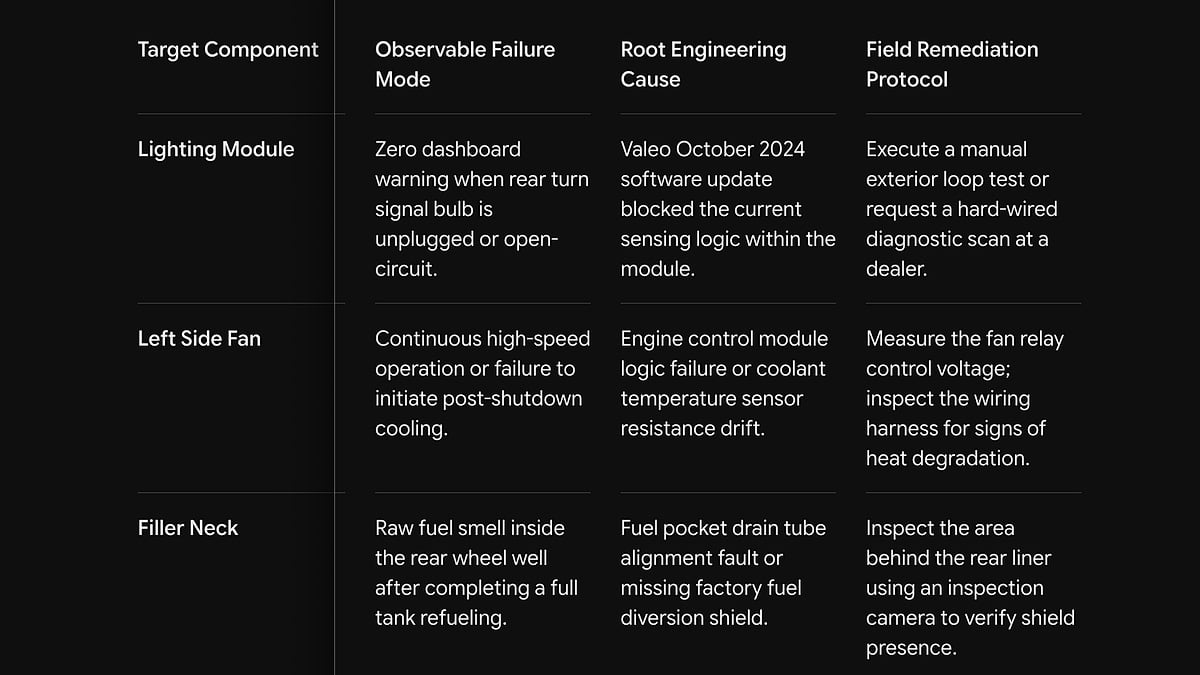
Actionable Forensic Diagnostic Matrix for C8 Owners
To help navigate these complex issues, I have developed a field-tested diagnostic matrix based on standard shop procedures to assist owners in identifying active vehicle faults.
How Will This Impact Resale Values?
The primary concern for current owners is how these stop-sale orders and containment campaigns will affect secondary market values. Vehicles with unresolved safety flags face title restrictions and appraisal deductions at corporate trade-in centers.
Ensuring that your local dealership records completion of both the physical shield retrofit and the digital module flash in the global warranty system is essential to protecting your investment.
Unresolved Engineering Challenges
A remaining question is whether the over-the-air software fix will maintain long-term stability without causing battery drain. Some technicians report that the revised module calibration prevents the vehicle's body control network from entering a low-power sleep state.
This condition can drain the battery if the car sits idle for extended periods, a topic we will monitor closely as more data emerges.
What's Next: My next report will focus on the specific consumer impacts of these ongoing delivery delays. I will examine the operational challenges facing dealerships and provide guidance on how buyers can manage their financing agreements during extended quality holds.
Stay tuned for my comprehensive analysis, What Corvette Owners Can Do Safely While Waiting For Delayed GM Fuel Shield And Over-The-Air Software Recall Repairs, to understand how to protect your vehicle and your consumer rights.
How About You? Have you experienced unexpected delivery delays or software issues with your new mid-engine platform? Tell us what you think and share your dealership experiences by leaving a comment in the red Add new comment link below.
Come back later today, or check my Torque News Home Page for more of my informative automotive news articles.
About The Author
Denis Flierl is a 14-year Senior Reporter at Torque News and a member of the Rocky Mountain Automotive Press (RMAP) with 30+ years of industry experience. Explore his full investigative reporting archives and technical guides at DenisFlierl.com. Based in Parker, Colorado, Denis leverages the Rockies' high-altitude terrain as a rigorous testing ground to provide "boots-on-the-ground" analysis for readers across the Rocky Mountain region, California EV corridors, the Northeast, Texas truck markets, and Midwest agricultural zones. A former professional test driver and consultant for Ford, GM, Ram, Toyota, and Tesla, he delivers data-backed insights on reliability and market shifts. Denis cuts through the noise to provide national audiences with the real-world reporting today’s landscape demands. Connect with Denis: Find him on LinkedIn, X @DenisFlierl, @WorldsCoolestRides, Facebook, and Instagram.
Photo credit: Denis Flierl
Set Torque News as Preferred Source on Google
Follow us today...