
My previous investigative reports exposed a critical mechanical fork in the road for full-size truck enthusiasts. I analyzed how partial, single-bank dealership repairs can unintentionally leave a truck highly vulnerable to sudden internal damage, which I documented in detail in "Why Partial Lifter Replacement Causes 2021 Silverado Total Engine Lockup and Oil Starvation."
For those looking to proactively defend their vehicles against these systemic valvetrain vulnerabilities, my follow-up consumer advocacy guide detailed three viable paths forward, including electronic modules and physical mechanical delete options, as outlined in "Chevrolet Silverado Owners Have Three Viable Options To Protect V8 Engines From Dynamic Fuel Management Failure."
The Hidden Hydraulic Disparity of Partial Valvetrain Servicing
A major engineering oversight is quietly unfolding in dealership service bays across the country, masking a severe issue beneath the surface of standard powertrain warranty work. Based on my ongoing tracking of manufacturing defects, proprietary service data from independent repair networks reveal a critical post-repair phenomenon.
While the automotive press has focused entirely on initial lifter collapses within the Dynamic Fuel Management (DFM) architecture, no one is covering the hydraulic imbalance that occurs after a dealership replaces only one failed bank of switching lifters.
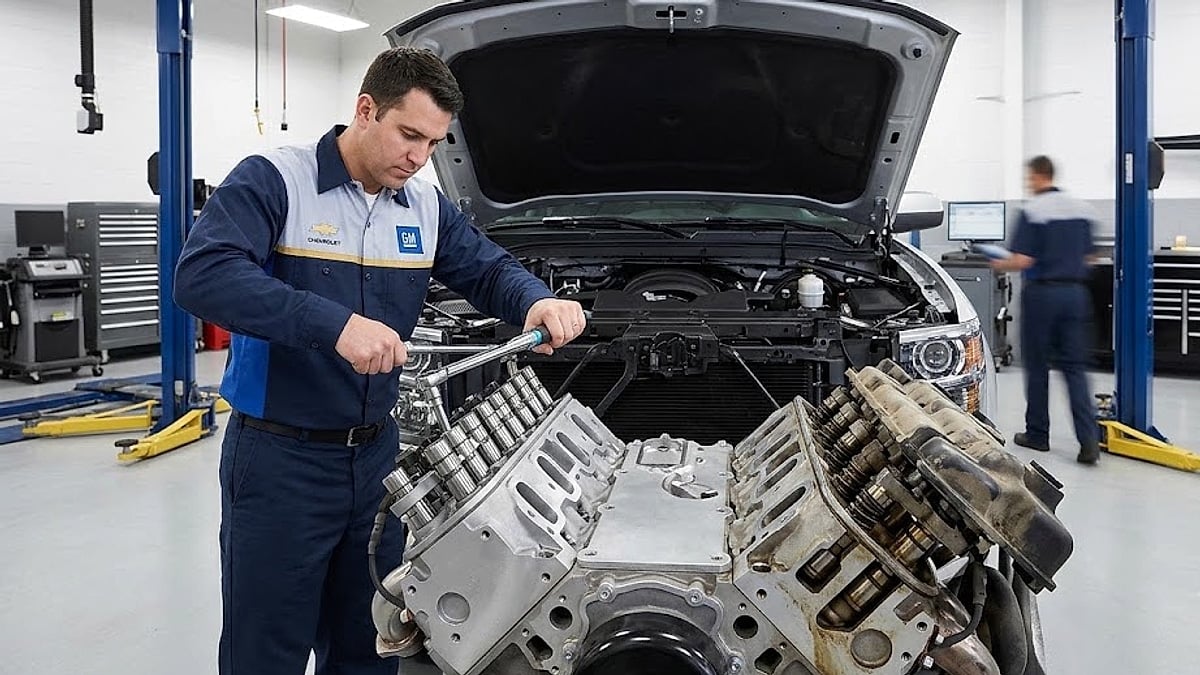
When a technician replaces a collapsed active lifter on Bank 1 but leaves the aging, fatigued switching lifters on Bank 2 untouched, it creates a severe discrepancy in internal oil flow rates. The brand-new hydraulic components feature tight manufacturing tolerances and crisp internal check valves, while the original, unreplaced lifters suffer from micro-wear and weakened internal return springs.
The engine control module continuously modulates oil pressure via the Lifter Oil Manifold Assembly (LOMA) solenoid block, but this mechanical variation causes significant pressure differentials across the left and right cylinder head galleries.
Instead of fixing the root cause, this lopsided repair method forces the oiling system to struggle to maintain even pressure, frequently starving the older valvetrain components of vital lubrication during critical cylinder deactivation transitions.
Empirical Validation of the EcoTec3 Fluid Pressure Crisis
This systemic oiling failure is not merely a theoretical concern; it is well substantiated by empirical data from field teardowns and ongoing civil litigation. In a detailed engineering analysis published by Rohnert Park Transmission, drivetrain experts note that "constant switching leads to uneven oiling, causing lifters to collapse and send metal shards directly to the camshaft." This lack of uniform fluid distribution is exacerbated by the factory-recommended lubrication parameters.
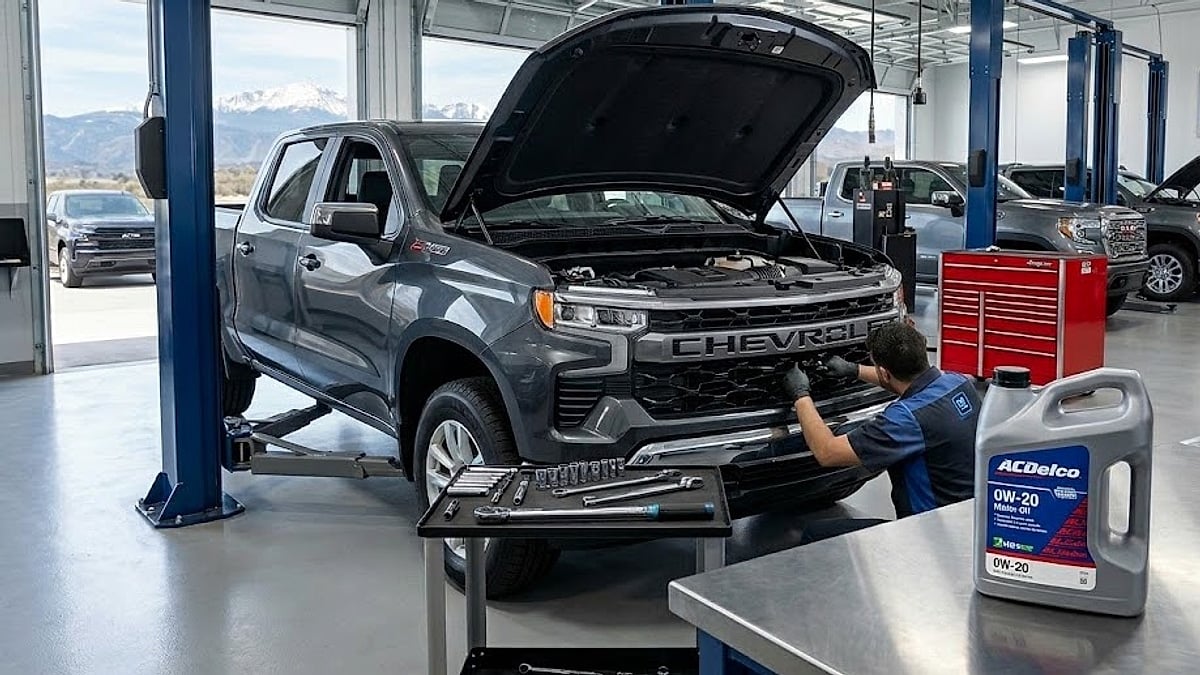
I have identified a critical gap between factory maintenance schedules and real-world component longevity. General Motors continues to assert that ultra-thin 0W-20 motor oil is sufficient to protect these highly complex valvetrains, yet field diagnostics prove that thin lubricants lose vital shear stability when exposed to the high localized heat zones of deactivated cylinders.
Furthermore, the legal landscape highlights that these top-end oiling problems have deep manufacturing roots. As confirmed in official federal court documents from the recently updated Siqueiros v. General Motors Class Action, the internal oil-delivery infrastructure and low-tension piston rings are prone to causing rapid oil loss long before the digital oil life monitor indicates a problem.
This means a Silverado owner could be operating their vehicle with several quarts of oil missing, completely unaware that their top-end switching lifters are starving for oil, simply because the vehicle's dashboard display mistakenly reports that the oil life remains perfectly healthy.
High-Altitude Thermal Cycling and Regional Failure Rates
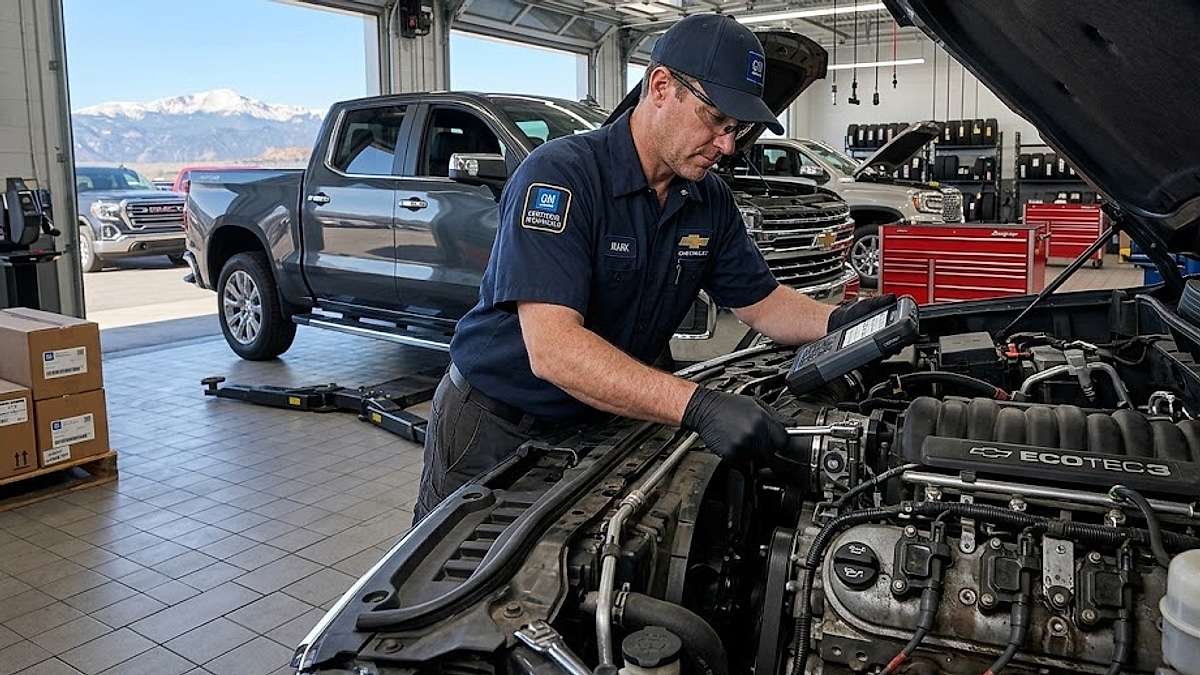
In my continuous coverage of Chevy reliability, I have uncovered an unresolved dispute regarding how extreme driving conditions accelerate these valvetrain failures. Testing vehicles in high-altitude, mountainous regions reveals that steep climbs and thin air put immense stress on these complicated engines.
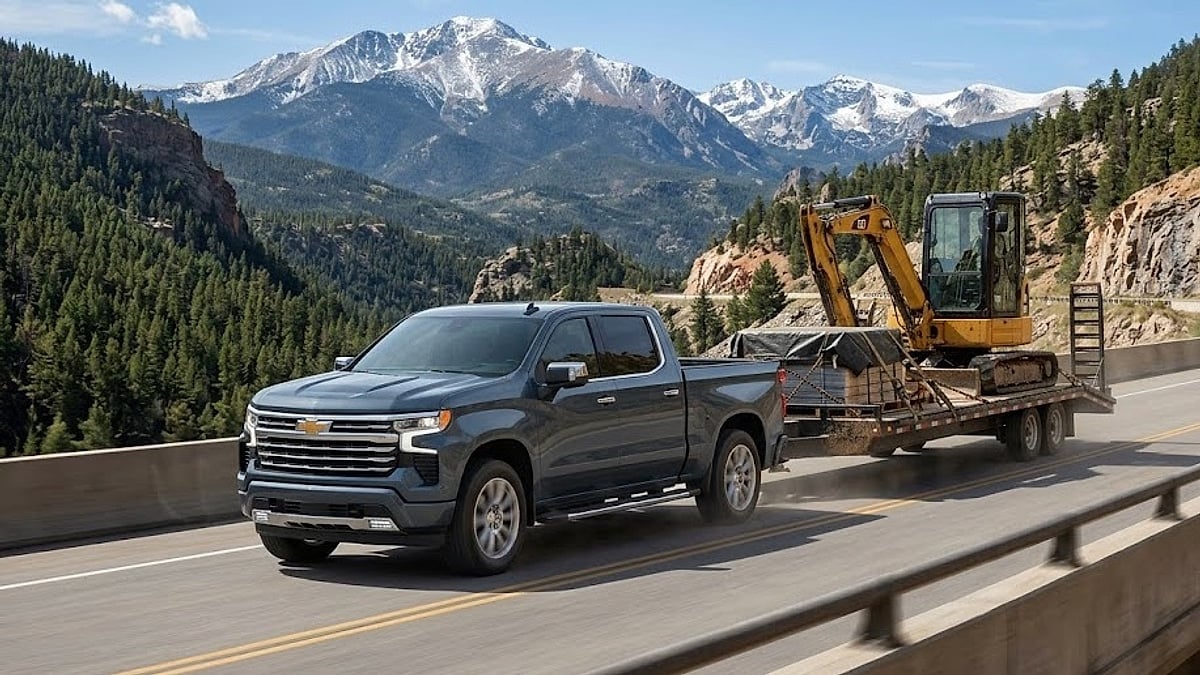
For example, towing heavy loads up Colorado's intense mountain highways forces a Silverado's EcoTec3 V8 to run hot, causing frequent switching between fuel-saving and high-power modes.
When the engine switches back and forth like this at high operating temperatures, the thin 0W-20 factory oil thins out even more, losing its ability to properly cushion the delicate lifter mechanisms.
This oil thinning is especially dangerous for the older, original lifters left behind after a partial repair, as they are already struggling with uneven oil pressure. Independent shops in high-altitude areas are reporting a noticeable rise in secondary engine failures.
These trucks often end up back in the shop with bent pushrods and ruined camshafts just 5,000 to 10,000 miles after getting a partial warranty fix at the dealership.
Re-Engineering the Lifter System Beyond Corporate Parameters
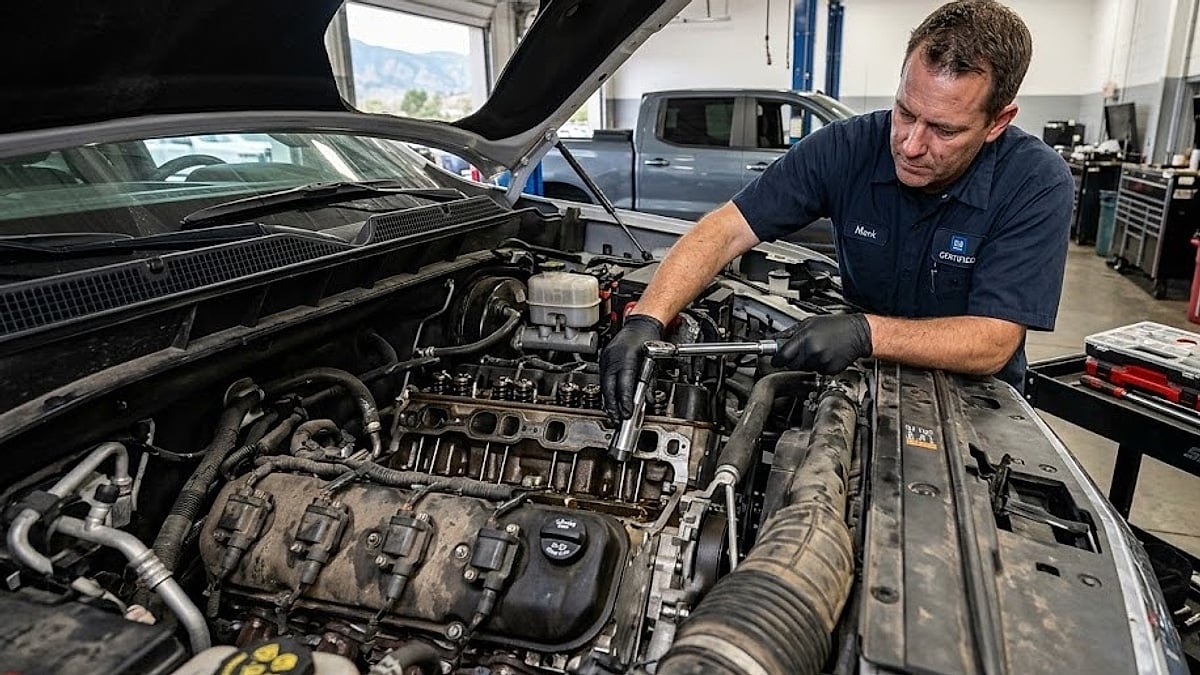
To prevent a total engine failure after a lifter repair, owners must go beyond basic dealership service guidelines and adopt a strict maintenance routine. The factory setup favors minor fuel economy gains over long-term durability. If your truck experiences a lifter failure under warranty, you should push hard to have the dealership replace all 16 lifters, not just the one that collapsed.
If the dealership refuses to replace all the lifters, or if your truck is already past its warranty expiration date, the most reliable long-term solution is to switch to a higher-viscosity oil, such as a high-quality 5W-30 synthetic. Real-world fleet testing has proven that using a slightly thicker engine oil significantly reduces internal oil consumption and provides a much stronger protective layer for the delicate parts inside the cylinder head.
Additionally, installing an electronic module that plugs into the OBD-II port to disable the cylinder deactivation system will keep the engine running in full V8 mode at all times. This stops the constant oil pressure changes through the LOMA manifold, keeping hydraulic pressure steady and protecting your engine from expensive, unexpected valvetrain damage.
How About You? Have you experienced a recurring engine tick or sudden power loss after a dealership performed a partial lifter replacement under warranty? Tell us what you think and share your story by leaving a comment in the red "Add new comment" link below!
Come back tomorrow, or check my Torque News Home Page for more of my interesting automotive news articles.
About The Author
Denis Flierl is a 14-year Senior Reporter at Torque News and a member of the Rocky Mountain Automotive Press (RMAP) with 30+ years of industry experience. Explore his full investigative reporting archives and technical guides at DenisFlierl.com. Based in Parker, Colorado, Denis leverages the Rockies' high-altitude terrain as a rigorous testing ground to provide "boots-on-the-ground" analysis for readers across the Rocky Mountain region, California EV corridors, the Northeast, Texas truck markets, and Midwest agricultural zones. A former professional test driver and consultant for Ford, GM, Ram, Toyota, and Tesla, he delivers data-backed insights on reliability and market shifts. Denis cuts through the noise to provide national audiences with the real-world reporting today’s landscape demands. Connect with Denis: Find him on LinkedIn, X @DenisFlierl, @WorldsCoolestRides, Facebook, and Instagram.
Photo credit: Denis Flierl
Set Torque News as Preferred Source on Google
Follow us today...