
State lemon law tracking registers a 34 percent increase in consumer dispute filings regarding modern midsize truck drivetrain backlogs. According to my ongoing investigation into manufacturing defects, reports indicate that fourth-generation Toyota Tacoma owners are experiencing prolonged repair delays due to nationwide supply constraints on redesigned front driveshafts and hydraulic transmission components.
While factory technical bulletins instruct technicians to perform systematic electronic re-flashes, vehicles remain grounded on dealership service lots for weeks at a time. This consumer report establishes an actionable legal and mechanical blueprint for owners caught in the repair backlog, translating technical failure data into immediate consumer leverage.
Navigating Modern Dealership Repair Backlogs Effectively
When a modern midsize truck experiences the shifting flares and driveline deformations detailed in my comprehensive technical teardown, Toyota Tacoma Transmission And Driveline Deficiencies Surface Via Internal Dealership Diagnostic Data, the vehicle transitions from a mechanical asset to a severe financial liability.
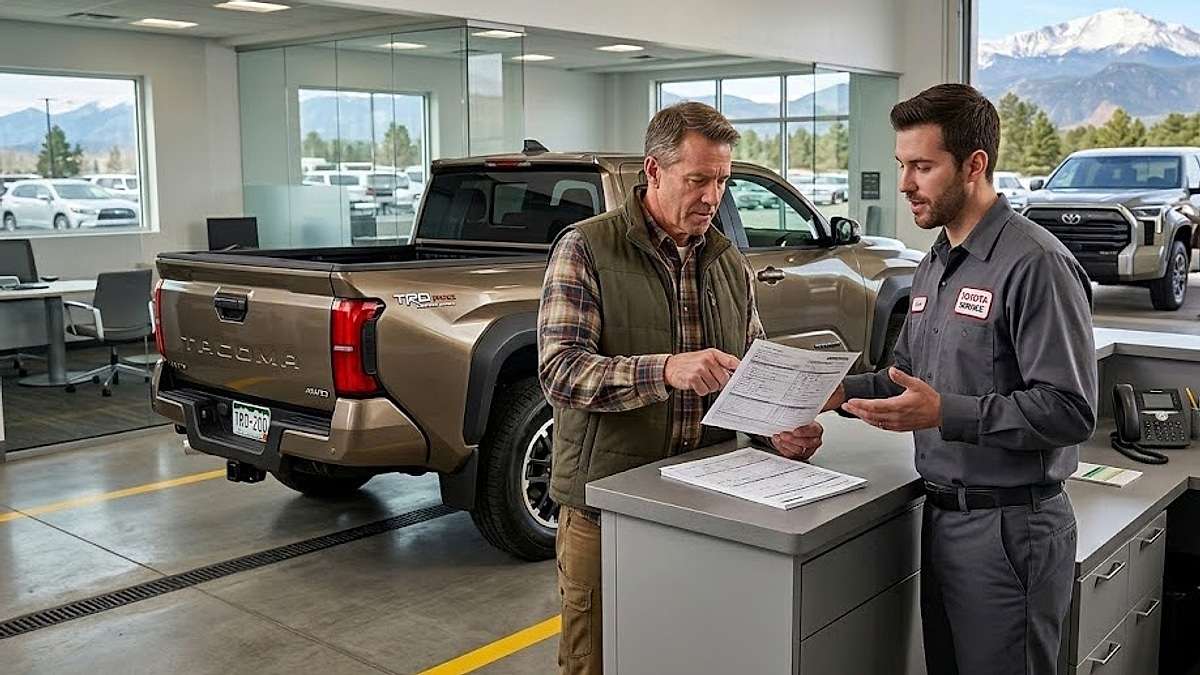
In my ongoing coverage of Toyota reliability, I have uncovered an unresolved dispute over how dealerships document vehicles awaiting backordered parts. Service advisors frequently delay printing a formal repair order until the physical components arrive, which effectively stops the consumer's legal timeline under state consumer protection statutes.
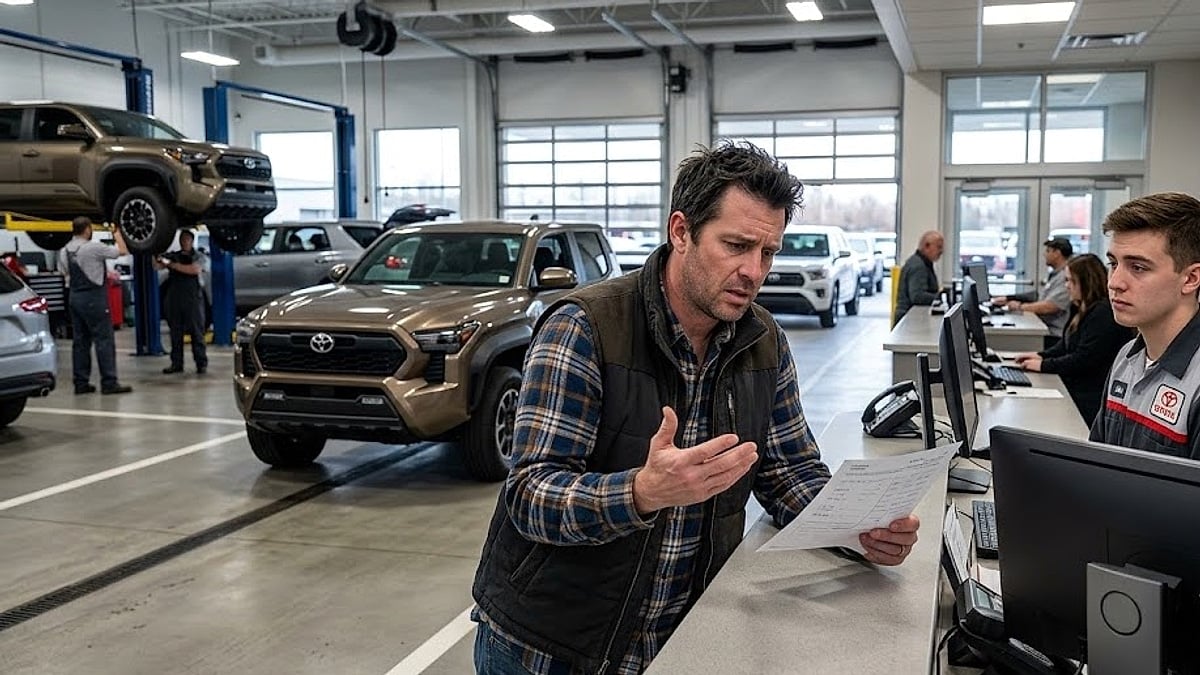
To counter this defensive service bay practice, owners must demand a stamped, dated copy of the initial intake repair order and the exact time the keys are left at the service desk. Ensure the documentation explicitly notes specific owner complaints, such as severe gear hunting at cold start or an unexpected lateral steering pull.
Never accept a verbal promise that a part is on order without receiving a physical copy of the factory parts transaction requisition number. This document provides undeniable proof that the vehicle is officially out of service due to a manufacturing constraint rather than routine consumer maintenance.
Furthermore, request a comparable manufacturer-provided loaner vehicle or a paid rental allocation directly through the service manager. If the dealership claims no loaner vehicles are available, escalate the request to the regional customer experience manager by utilizing the open case number assigned to your vehicle tracking profile.
Having a long-term loaner vehicle helps keep your daily routine moving while placing financial pressure on the manufacturer to resolve your parts backlog quickly.
The Legal Thresholds For Consumer Buyback Protection
Understanding how recurring mechanical symptoms interact with state statutory guidelines is essential for owners seeking a vehicle buyback. According to comprehensive Lemon Law tracking metrics published by national consumer protection specialists at Kimmel & Silverman, automotive manufacturers are legally required to repair a vehicle defect within a reasonable number of attempts or a set number of cumulative days out of service. For modern light-duty trucks, this threshold typically triggers when the same powertrain defect is repaired three or more times, or when the truck remains undriveable for a total of 30 days.
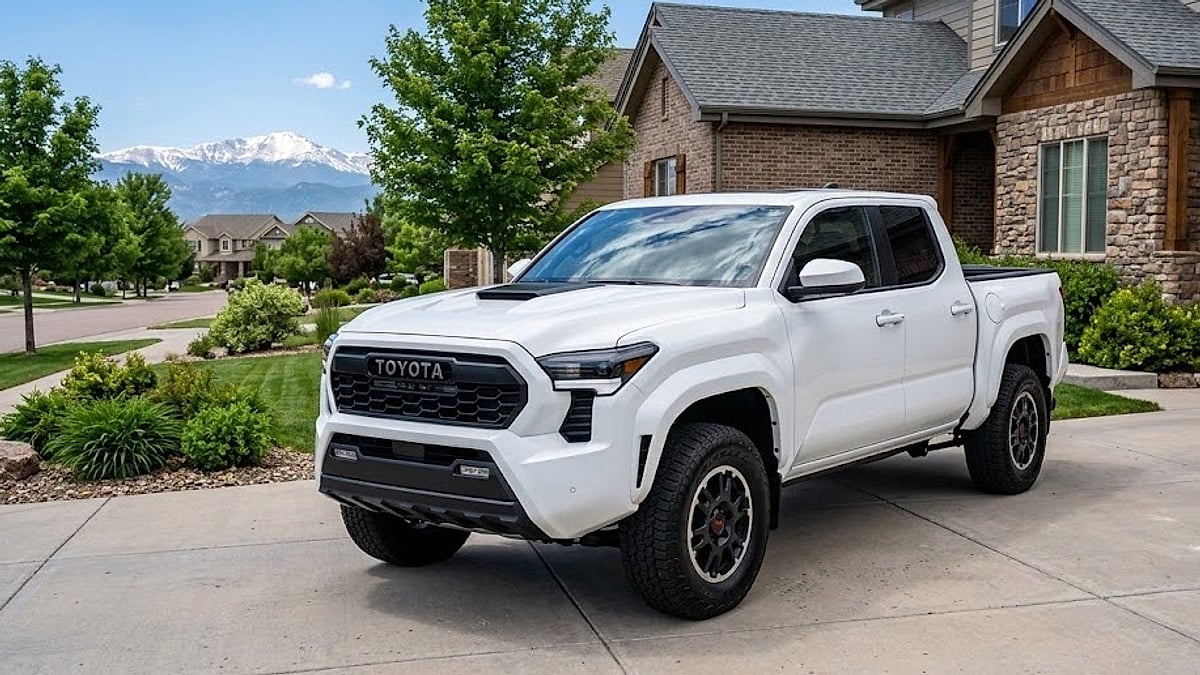
Many modern owners do not realize that a vehicle need not suffer a complete mechanical breakdown to qualify for consumer protection statutes. The persistent gear hunting, cold-start transmission shift flares, and open safety recalls, such as the front driveshaft CV joint fracturing defect, all impact the vehicle's market value and safety. If a dealership service center takes multiple attempts to fix a harsh shift pattern by applying software updates without resolving the underlying hydraulic pressure drops, the legal criteria for a recurring defect are met.
When your vehicle tracking logs indicate that the truck is approaching either the 30-day out-of-service limit or the third failed repair attempt, initiate a formal written notice to the vehicle manufacturer's consumer arbitration department. Send this notification via certified mail to establish a verifiable timeline that cannot be disputed during legal proceedings. Clearly state that the vehicle has not been successfully repaired within the statutory limits and that you are seeking a full repurchase under your state's consumer protection laws.
From My View: High-Altitude Stress Signals Across Regional Terrain
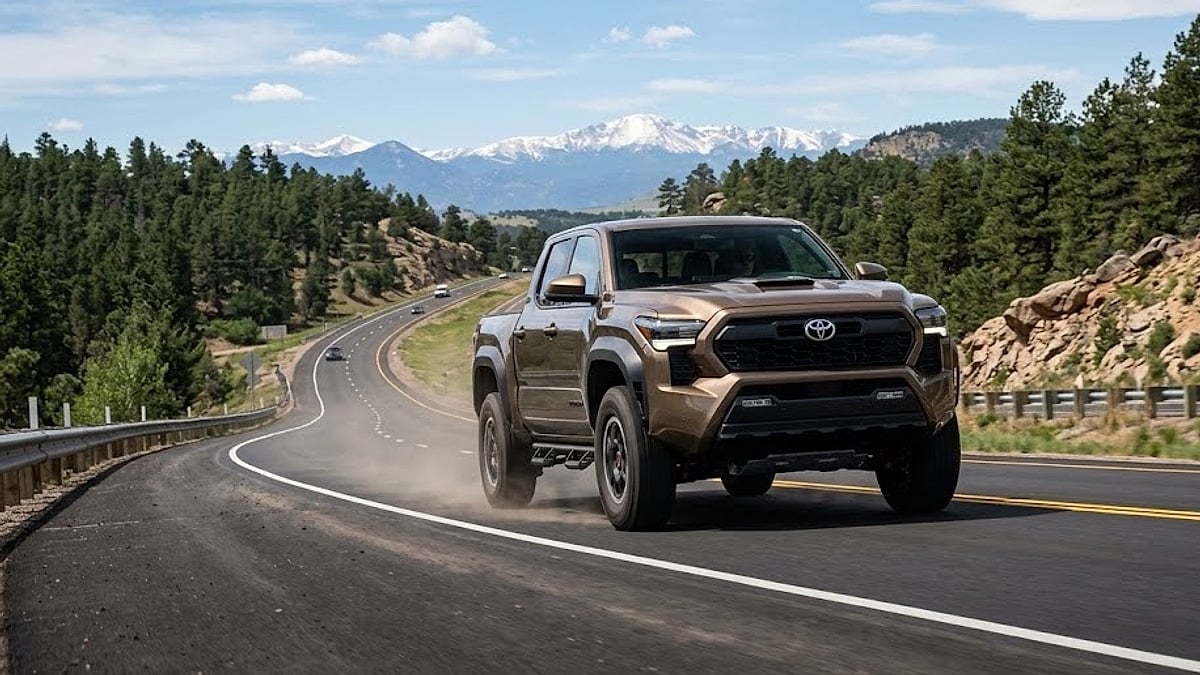
Mountainous driving conditions significantly accelerate these hidden mechanical vulnerabilities. My technical analysis identifies a critical gap between factory maintenance schedules and real-world component longevity. In high-altitude areas such as Colorado's Monument Hill, where I live, the 2.4-liter turbocharged i-FORCE engine operates under high load, causing transmission temperatures to rise quickly. This severe thermal cycling breaks down factory lubricants long before standard service intervals, making proactive maintenance essential for regional drivers.
Implement Severe Duty Maintenance
To protect your truck's drivetrain from premature wear while parts backlogs persist, implementing a severe-duty fluid service schedule is highly effective. Modern factory maintenance books often list transmission and differential fluids as lifetime or long-interval items, which does not account for early manufacturing debris. Dropping the factory break-in automatic transmission fluid and the front and rear differential oil at 15,000-mile intervals completely flushes out abrasive metal particles from the gearboxes.
This proactive maintenance was recently analyzed in my investigative review, which you can read here, demonstrating how early maintenance shifts protect crucial hydraulic valve bodies.
Additionally, verify that your service department checks the condition of the transmission fluid cooling circuit at each oil change. If the fluid shows signs of thermal degradation or turns dark early on, it indicates that the transmission control software is straining the internal clutch packs. Investing in proactive fluid exchanges helps maintain stable fluid pressures, protecting sensitive micro-solenoids from sticking and failing.
This practical solution is also highlighted in my ongoing consumer reliability stream, Tacoma Transmissions Take a Dump: 8-Speed Automatic Failures Trigger Nationwide Class Action, which underscores how maintaining proper fluid condition preserves overall transmission health.
The Next Important Question
The next important question for owners is whether opting for a state-level lemon law buyback will negatively affect their credit score or future vehicle financing options. Rest assured that a statutory manufacturer buyback is classified as a legal contract resolution rather than a repossession or financial default.
The manufacturer is legally required to pay off the remaining balance of your automotive loan directly to the lending institution, completely clearing your financial obligation. This ensures your credit profile stays clean, allowing you to purchase a replacement vehicle without any added interest rate penalties or negative marks on your record.
Take a Proactive Approach To Your Vehicle's Care
Navigating extended dealership backlogs requires keeping thorough records, understanding your state's legal thresholds, and taking a proactive approach to mechanical care. By securing early intake documentation and following shorter fluid exchange intervals, you protect both your financial investment and your vehicle's mechanical health.
How About You? Have you experienced long delays at the dealership for parts or considered looking into consumer protection laws for your new vehicle? Tell us what you think by leaving a comment in the red “Add new comment” link below to share your experience with fellow owners.
Come back tomorrow, or check my Torque News Home Page for more of my informative automotive news articles.
About The Author
Denis Flierl is a 14-year Senior Reporter at Torque News and a member of the Rocky Mountain Automotive Press (RMAP) with 30+ years of industry experience. Explore his full investigative reporting archives and technical guides at DenisFlierl.com. Based in Parker, Colorado, Denis leverages the Rockies' high-altitude terrain as a rigorous testing ground to provide "boots-on-the-ground" analysis for readers across the Rocky Mountain region, California EV corridors, the Northeast, Texas truck markets, and Midwest agricultural zones. A former professional test driver and consultant for Ford, GM, Ram, Toyota, and Tesla, he delivers data-backed insights on reliability and market shifts. Denis cuts through the noise to provide national audiences with the real-world reporting today’s landscape demands. Connect with Denis: Find him on LinkedIn, X @DenisFlierl, @WorldsCoolestRides, Facebook, and Instagram.
Photo credit: Denis Flierl
Set Torque News as Preferred Source on Google
Follow us today...