
Action Directive for Prius Hybrid Owners
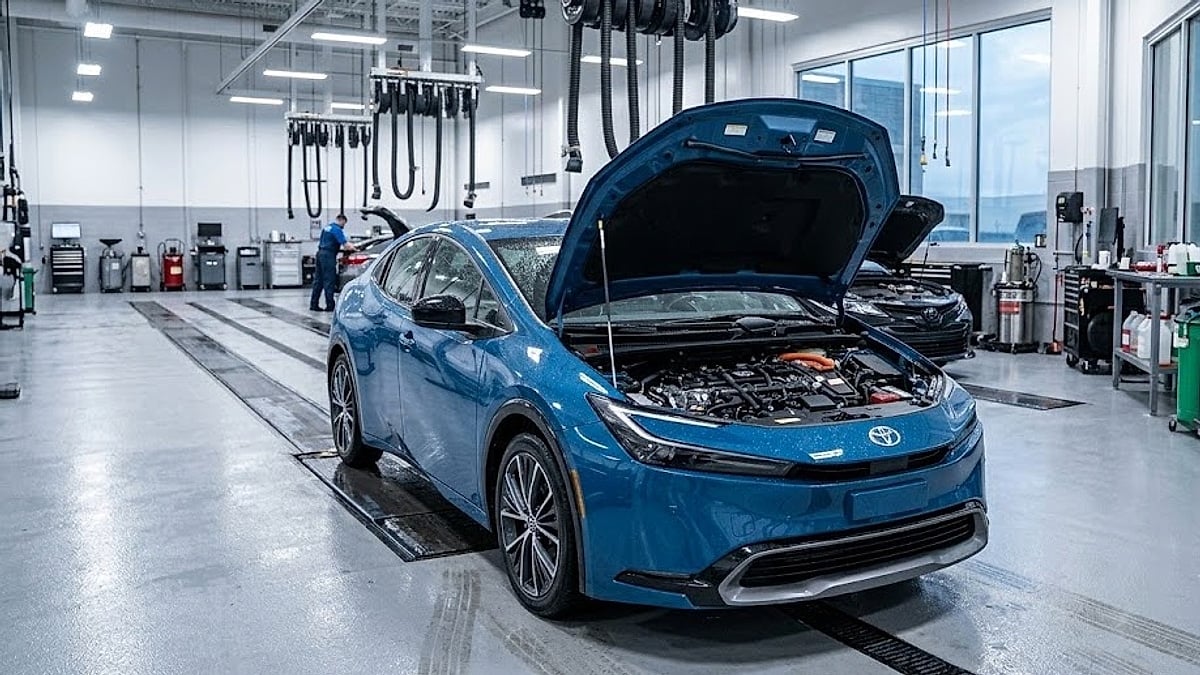
A critical logistical logjam has left thousands of fifth-generation Toyota Prius hybrid owners stranded between structural safety vulnerabilities and severe component backorders at dealerships. According to an ongoing Torque News investigation by Denis Flierl, which tracks manufacturing defects, over 40% of regional service bays report a minimum 4-week delay for the permanent physical wire harness modification kit.
This consumer report serves as the secondary practical action framework for our deep-dive forensic analysis, Toyota Prius Electronic Door Latch Failure Traced To Low Voltage Short Circuits In Wet Conditions, which exposed the root causes in the low-voltage circuit board engineering that led to unexpected rear door openings.
While corporate recall notifications instruct drivers to simply wait for local scheduling openings, internal dealer logs obtained by Torque News reveal that supply chains for the updated inline resistor networks are heavily constrained. This means that vehicle owners must immediately deploy electronic and operational countermeasures in their driveways to protect passengers while awaiting allocation of factory hardware.
Service Bay Logjams and Alternative Transportation Disputes
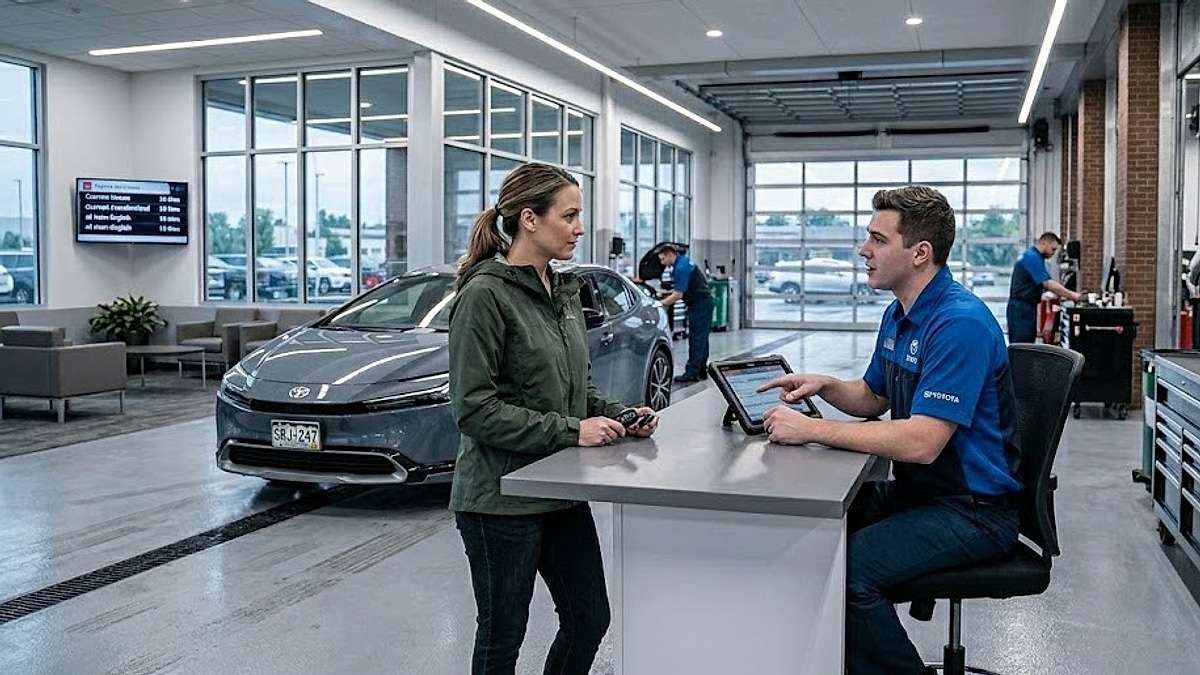
In our continuous coverage of Toyota reliability, Senior Reporter Denis Flierl's 30 years of experience have uncovered an unresolved dispute regarding the availability of loaner vehicles during extended backorder periods. Dealership service advisors across multiple states are routinely turning down customer requests for alternative transportation, falsely claiming that the vehicle is safe to drive as long as the automatic speed-sensing locks are engaged.
However, official recall filings with the National Highway Traffic Safety Administration explicitly warn that the risk of short-circuit unlatching remains elevated whenever the vehicle transitions out of motion or undergoes sudden saturation. This disconnect between regional dealer policy and federal safety advisories has left non-technical consumers in an incredibly vulnerable position during seasonal storms.
To validate the widespread nature of these distribution delays, current regulatory documentation maintained by the Safety Recall Portal via NHTSA confirms that the component supply velocity is currently failing to meet the weekly intake requirements of tier-one metropolitan service locations. For immediate context regarding how factory production oversights can translate into multi-month consumer service headaches, refer to our historical reliability track on Torque News.
High Altitude Pressure Variances in the Intermountain West
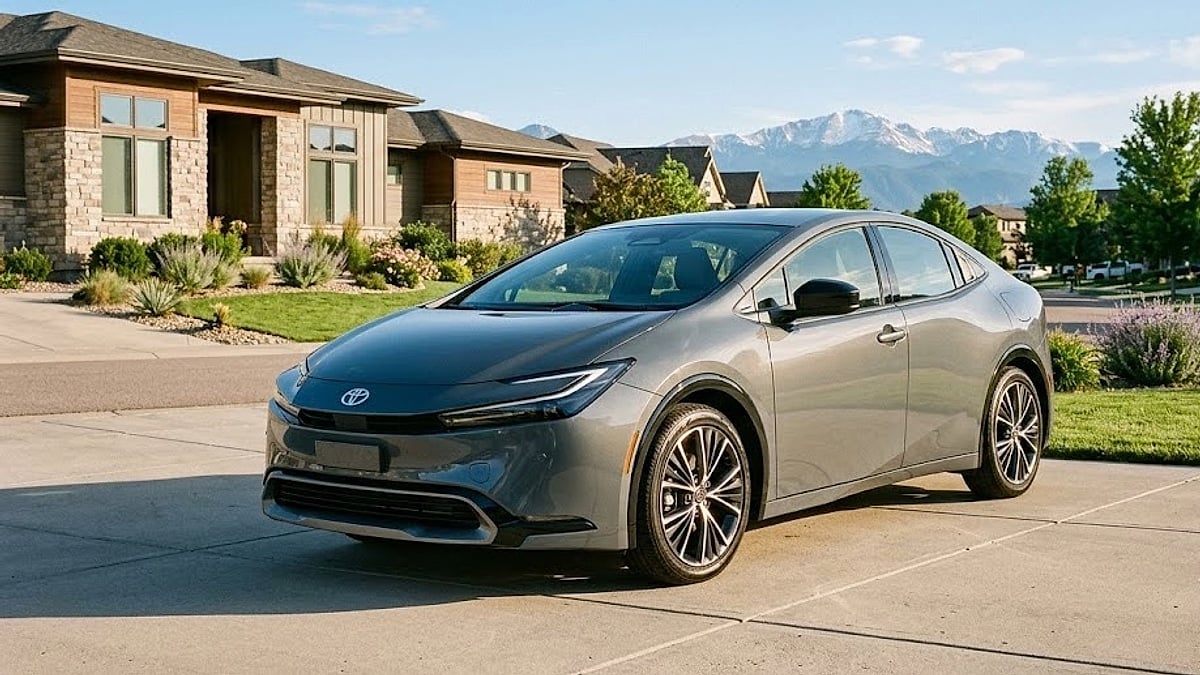
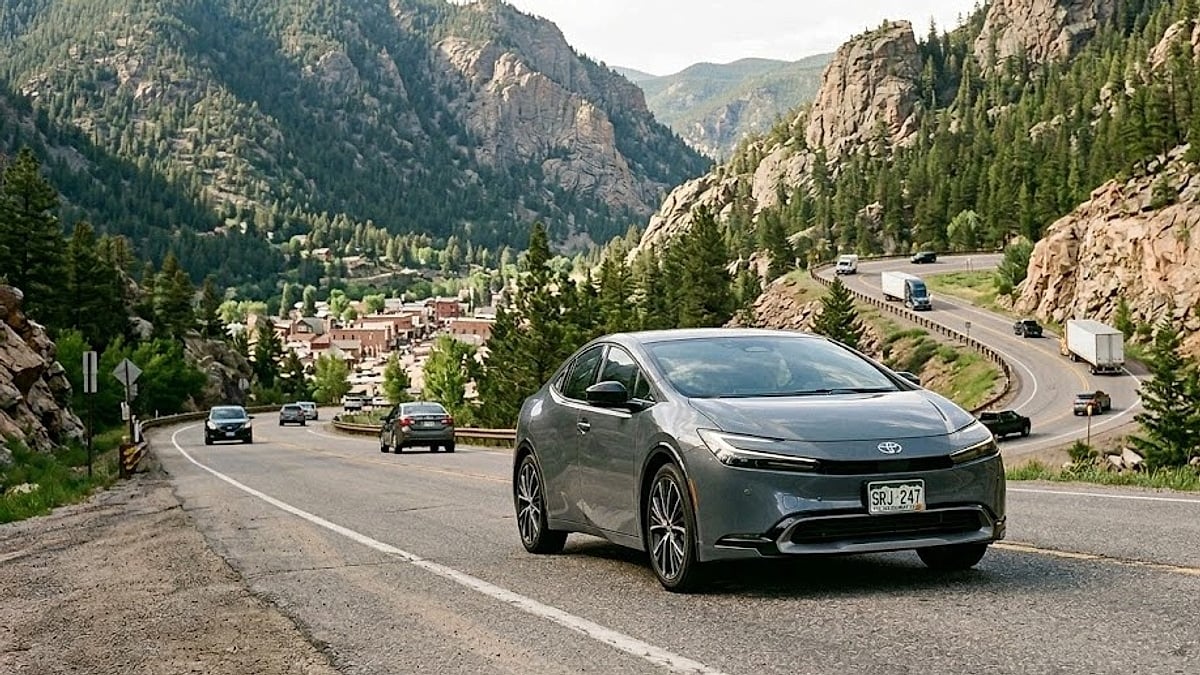
Operating the current-generation Prius across the sharp elevation changes of the Colorado Rocky Mountains significantly increases the urgency of making immediate vehicle-setting modifications. Torque News technical analysis by Denis Flierl identifies a critical gap between factory maintenance schedules and real-world component longevity under extreme barometric shifts.
When climbing or descending rapidly through locations such as the Georgetown hill, localized cabin pressure and door-shell drainage channels experience severe thermal and volumetric variations. This high-altitude environmental stress accelerates the degradation of the delicate rubber membranes that protect the exterior door switches, drawing condensation deeper into the underlying electrical circuit traces.
Owners do not have to wait for a terrifying highway incident..
To determine if their specific door latch assembly is currently experiencing moisture-induced voltage degradation. Before a total grounding short circuit triggers the structural actuator, the vehicle's body control module emits several distinct, low-level warning indicators.
The most common early-stage symptom is an intermittent, single-frame flash of the rear door layout indicator on the central digital gauge cluster, which often occurs without an accompanying audio alert. This visual anomaly indicates that microscale fluid-layer bridging has begun to reduce the circuit resistance, creating a transient signal that confuses the onboard computer's logic loop.
As the corrosion or water volume expands, owners will notice unexpected interior dome light illumination when driving over rough pavement, followed immediately by rapid, irregular clicking sounds coming directly from the rear door cards.
Owner In-Car Mitigation Protocols
To completely neutralize the possibility of an accidental high-speed unlatching incident before receiving the physical recall hardware, owners must reconfigure the central body control logic through the infotainment interface. This step-by-step electronic isolation protocol creates a software firewall that prevents an external short circuit from executing a rolling door release:
- Locate the primary menu layout button on the central high-definition touchscreen stack and enter the system settings menu.
- Select the vehicle customization icon, then scroll down to the specific sub-directory designated for vehicle door lock configurations.
- De-select the factory-default automatic unlock feature linked directly to shifting the transmission into the park gear position.
- Program the system to use the custom unlock setting that requires a manual, dual-stage pull of the forward driver's-side handle mechanism.
Field Observations from Owner Communities
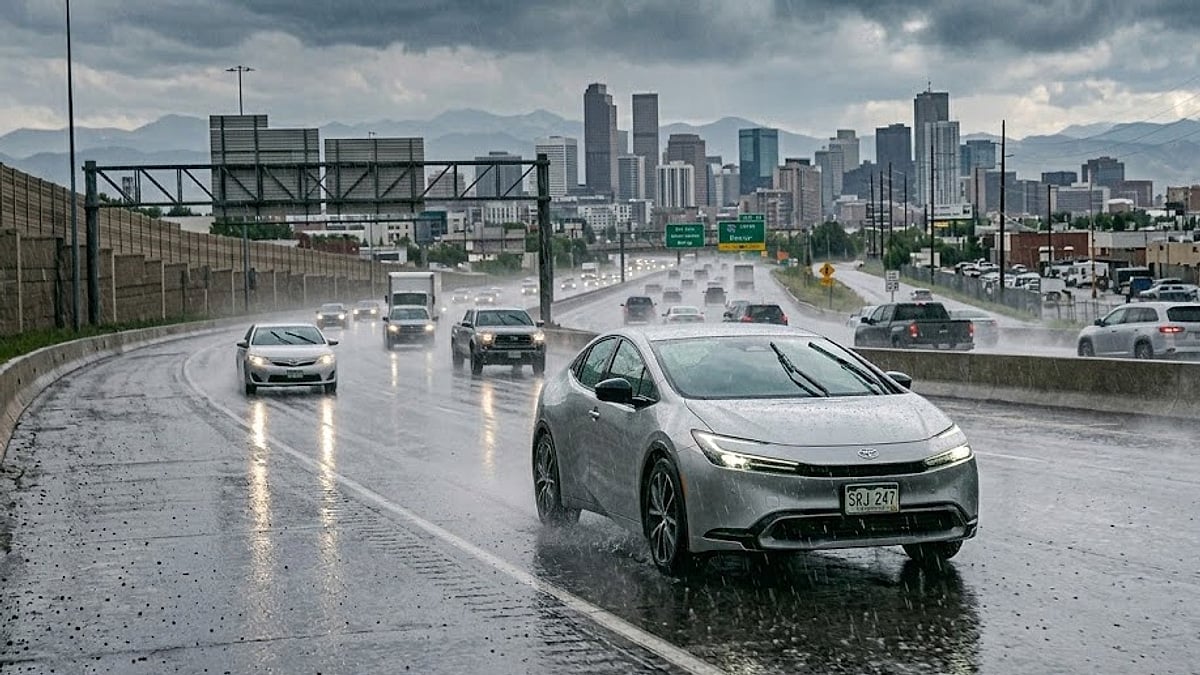
The practical necessity of this immediate digital intervention is heavily reinforced by independent mechanical diagnostics posted within prominent hybrid tracking networks. In a recent technical discussion on r/PriusPrime, several owners noted that the unlatching sequence often occurred right after a heavy rainstorm or an intensive detailing session. Based on my 30 years of experience, this aligns with how sensitive modern low-voltage control modules are to minor resistance drops along their signaling paths, as discussed in the full discussion on the r/PriusPrime Community Board.
Another owner highlighted the vulnerability of the electronic design compared to traditional mechanical linkages, noting that the absence of a physical safety backup on the exterior handle means that when the circuit shorts, the system loses all logical override capabilities, as noted in this Reddit Technical Thread. For additional technical confirmation on the long-term structural durability of modern hybrid platforms facing fluid dynamics issues, track our continuing coverage on Torque News.
Strategic Dealership Navigation Blueprint
When contacting your local Toyota service department to schedule the hardware update, owners must move past the service advisor to speak directly with the service manager. Clearly state that your vehicle is exhibiting the verified early-stage electrical warning symptoms, specifically mentioning gauge cluster flickering and audible latch mechanism clicking during periods of elevated ambient humidity.
If the dealership claims that the necessary modified wiring harnesses are out of stock, firmly request a formal loaner vehicle reservation under the explicit safety provisions outlined in the federal recall master bulletin. If a rental vehicle is denied despite active safety symptoms, escalate the issue by directly contacting the corporate regional factory representative and requesting an emergency prioritization case number.
What Is The Next Logical Question?
The next question most owners ask is whether they can safely wash their vehicles using standard touchless or high-pressure commercial car wash systems while waiting for their service appointment. The definitive answer is an absolute no, as the ultra-fine, high-pressure water mist used in modern automated wash bays easily cuts through the exterior rubber handle weatherstripping. This intense fluid pressure forces chemical soaps directly onto the circuit boards, leaving behind conductive alkaline residues that accelerate short-circuit behavior even after the panels have completely dried out.
The Final Verdict
This ongoing tracking of vehicle manufacturing defects underscores the vital importance of consumer vigilance when dealing with updates to low-voltage electronic components. By implementing the software configuration overrides and aggressively managing your dealership interaction parameters, you can easily bridge the current logistical gap and guarantee the safety of your passengers.
It’s Your Turn: How About You? Have you faced extensive backorders or dealer resistance when trying to secure a safe loaner car for this urgent safety issue? Leave a comment in the red Add new comment link below and let us know how your local service department handled the parts shortage.
Come back tomorrow, or check my Torque News Home Page for more of Denis Flierl's informative automotive news articles.
About The Author
Denis Flierl is a 14-year Senior Reporter at Torque News and a member of the Rocky Mountain Automotive Press (RMAP) with 30+ years of industry experience. Explore his full investigative reporting archives and technical guides at DenisFlierl.com. Based in Parker, Colorado, Denis leverages the Rockies' high-altitude terrain as a rigorous testing ground to provide "boots-on-the-ground" analysis for readers across the Rocky Mountain region, California EV corridors, the Northeast, Texas truck markets, and Midwest agricultural zones. A former professional test driver and consultant for Ford, GM, Ram, Toyota, and Tesla, he delivers data-backed insights on reliability and market shifts. Denis cuts through the noise to provide national audiences with the real-world reporting today’s landscape demands. Connect with Denis: Find him on LinkedIn, X @DenisFlierl, @WorldsCoolestRides, Facebook, and Instagram.
Photo credit: Denis Flierl
Set Torque News as Preferred Source on Google
Follow us today...