
Modern diesel ownership has turned into an expensive game of mechanical Russian roulette.
The dream of effortless low-end torque and 30 miles per gallon has collided with the harsh reality of complex emissions systems.
I’ve spent over 30 years as an automotive consultant, test driver, and investigative reporter tearing down engines and diagnosing dealership service disputes.
From my view, the market is hitting a tipping point where truck buyers are flat-out exhausted by the financial liabilities of modern diesel upkeep.
The latest example of this "diesel burnout" comes from veteran truck owner Brent Zastrow. He recently posted his frustration to the 2019 - 2026 Chevy Silverado & GMC Sierra Owners Facebook community after making a drastic brand switch.
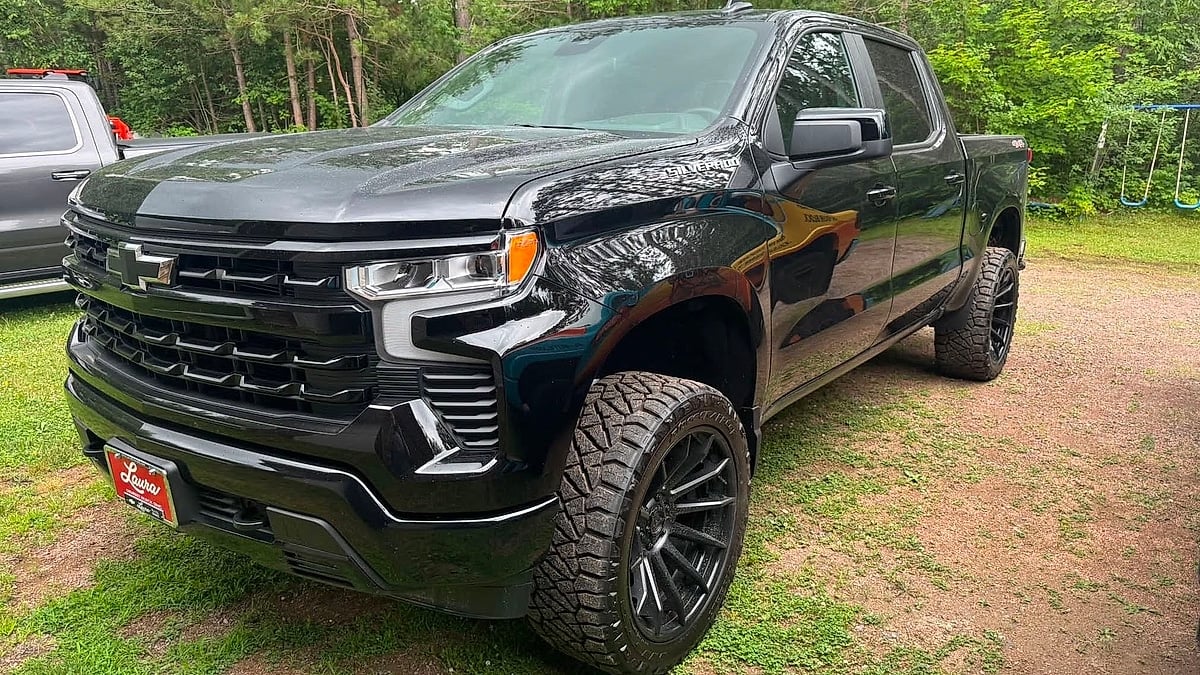
“I’m back to a GM and just left my Ram Eco Diesel behind. I couldn’t pass up this 2026 Chevy Silverado 5.3L. Now to make sure I don’t put diesel in it. I’ve had a 3.0L Duramax diesel since 2020 (GM BabyMax and a Ram Eco Diesel 3.0L); hopefully going from a white to a black truck helps me remember.”
The Hidden Epidemic the Mainstream Media Is Ignoring
What the glossy automotive review sites won’t tell you is that Zastrow’s brand hop exposes an alarming structural shift in how long-term truck durability is calculated.
Through my ongoing tracking of manufacturing defects, proprietary field data from independent repair networks reveal a hidden epidemic of low-line hydraulic fluid pressure drops following standard warranty lifter replacements on EcoTec3 V8 engines, which trigger severe oil starvation.
This hidden mechanical crisis is precisely why buyers are forcing themselves to choose between two fundamentally flawed powertrain designs. When an owner abandons a light-duty diesel, they are not necessarily moving to a more reliable platform; they are simply choosing a gas powertrain whose failure modes are cheaper out of warranty.
The mainstream media treats these vehicle swaps as simple brand-loyalty stories, but my forensic analysis shows they are actually a tactical retreat by consumers desperate to escape specialized diesel labor rates.
By looking at the raw service drive volume rather than manufacturer marketing packets, we can see that the modern half-ton truck market has turned into a high-stakes guessing game of picking which mechanical vulnerability you are most willing to live with.
The Hidden Cost of the Modern Diesel Lifestyle
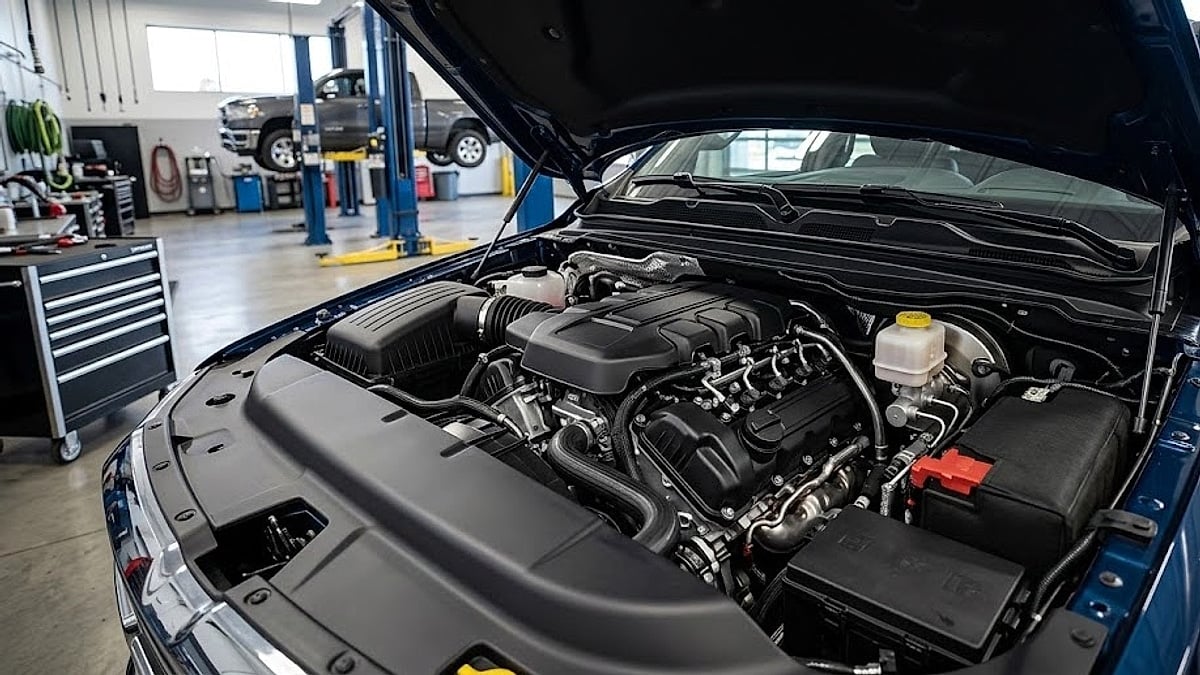
What the glossy manufacturer brochures never tell you is that modern light-duty diesels are inherently choked by their own engineering. To meet strict EPA rules, platforms like Ram's VM Motori-sourced 3.0L EcoDiesel require an incredibly complex web of Selective Catalytic Reduction (SCR) systems, Diesel Particulate Filters (DPF), and Exhaust Gas Recirculation (EGR) coolers.
According to official legal filings from the Hagens Berman EcoDiesel EGR Cooler Class Action Settlement, these trucks were equipped with "defective Exhaust Gas Recirculation (‘EGR’) coolers that were susceptible to thermal fatigue, leading the coolers to crack over time and leak coolant."
When an EGR cooler leaks internally, it doesn’t just trigger a check engine light; it poses a very real risk of catastrophic thermal failure and engine fires.
The consumer advocacy experts at CarComplaints.com echo this reality, noting that component failures across the EcoDiesel's generation frequently leave owners facing thousands in out-of-warranty repair bills. For daily commuters who aren't towing heavy loads across state lines every weekend, the math simply no longer adds up.
High-Altitude Torture and the Return to Gas Simplicity
As a third-generation Colorado native writing from Parker, I regularly use the state's extreme high-altitude terrain as a grueling testing ground for full-size trucks.
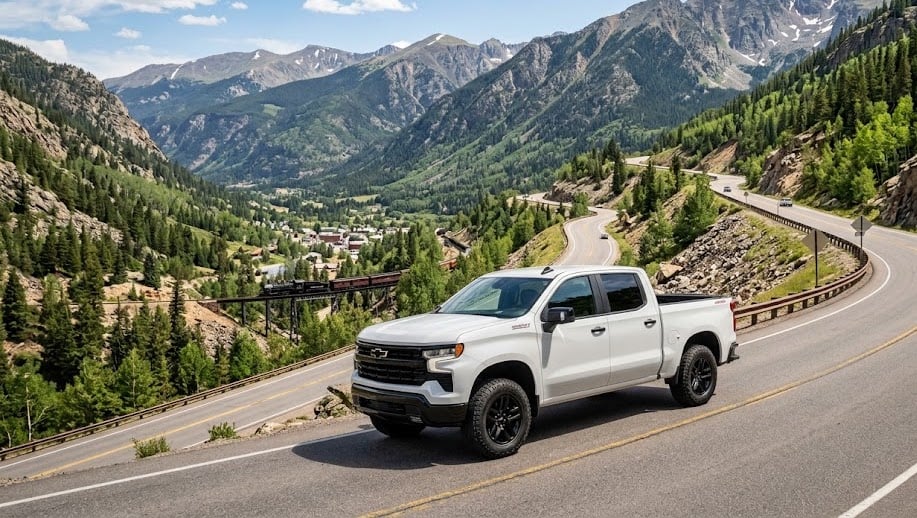
If you take a light-duty diesel up the Georgetown Hill and through the Eisenhower Tunnel without letting the exhaust gas temperatures get hot enough to trigger a natural DPF regeneration cycle, you are actively asking for a clogged system.
Short commutes and cold mountain air prevent these complex diesel exhaust systems from cleaning themselves properly. This forces owners into frequent, costly trips to the dealership for manual "forced regens."
By walking away from his EcoDiesel and stepping into a gas-powered 2026 Chevy Silverado 1500 equipped with the naturally aspirated 5.3L EcoTec3 V8, Zastrow is choosing mechanical simplicity over high-maintenance efficiency.
Trading One Mechanical Gamble for Another?
However, as an automotive journalist who tracks manufacturing defects for a living, I must give you the unvarnished truth: swapping back to a traditional domestic gas V8 isn't entirely risk-free.
In my previous investigative reporting tracking General Motors valvetrain defects, I exposed how GM 5.3L Lifter Collapse Issues continue to threaten the long-term reliability of modern V8 powerplants.
In that report, I noted that "many 2020+ trucks are arriving from the factory with lifter issues within the first 20,000 miles, turning what should be a dream V8 truck into an absolute mechanical gamble."
Furthermore, today’s gas trucks are heavily governed by intricate electronic architectures. In my forensic analysis of a 2026 Chevy Silverado Electronic Shifter Software Glitch, I examined a critical safety vulnerability where a simple coding error could violently lock the wheels of a moving vehicle.
Muscle Memory and the Danger at the Pump
There is also a very practical, human obstacle that Zastrow highlighted in his transition: the sheer force of driving habits. After spending years operating a 3.0L EcoDiesel and a 3.0L Duramax "BabyMax," grabbing the green fuel nozzle becomes second nature.
Misfueling a gas truck with diesel is a catastrophic mistake that can instantly lock up a modern high-pressure fuel system. If you ever make this mistake at the gas station, the absolute golden rule is to leave the ignition off and call a tow truck immediately before the fuel enters the lines.
Why Did This Owner Pick a Gas V8 Over the 3.0L Duramax Diesel?
This is the exact logical question most truck enthusiasts will ask next. If Zastrow loved his previous GM diesel, why didn't he buy a new Silverado with the highly rated 3.0L Duramax inline-six engine instead of the gas 5.3L V8?
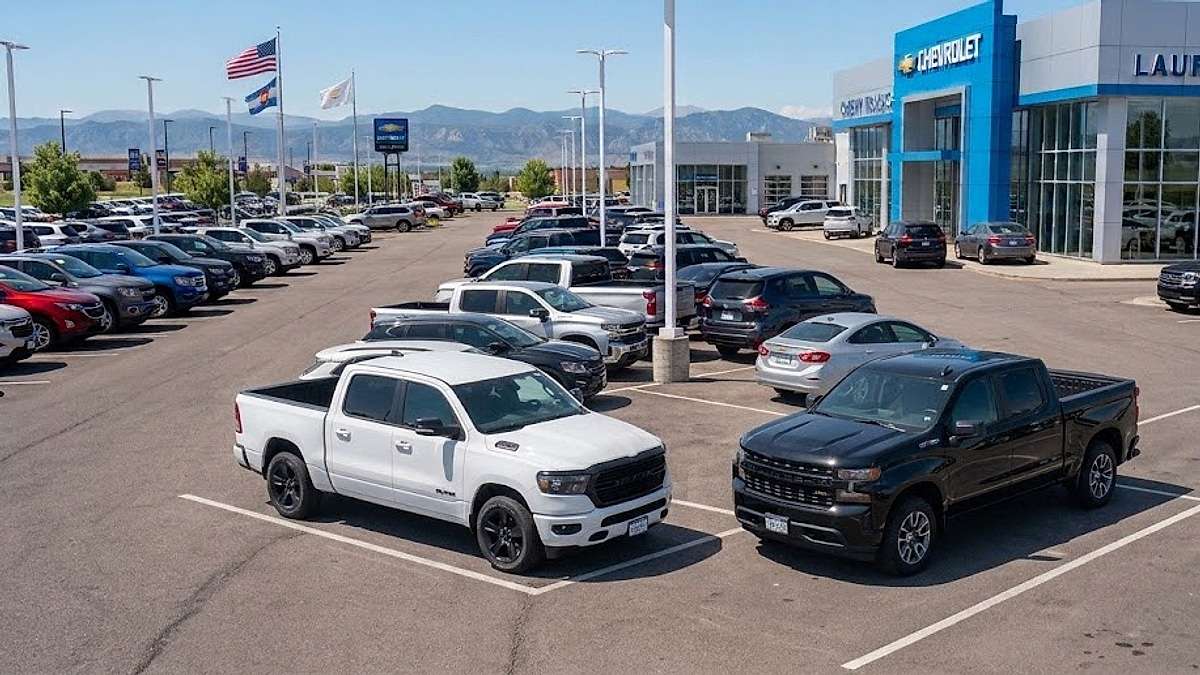
The answer comes down to upfront value and immediate availability at the dealership level. High-volume truck centers like Laura Chevrolet frequently offer aggressive, advertised discounts on high-inventory gas V8 models, making the steep option price of a diesel engine impossible to justify.
Final Verdict
While modern light-duty diesel trucks offer incredible towing ranges, their suffocating emissions equipment makes them a ticking financial time bomb for everyday drivers. Ultimately, turning back to a classic American gas V8 is the most logical exit ramp for truck owners suffering from severe diesel maintenance fatigue.
It’s Your Turn: Would you trade a modern light-duty diesel truck for a traditional gas V8 to escape high maintenance costs? Let us know your real-world truck experiences by leaving a comment in the "Add new comment" link below.
There’s More Coming Tomorrow… Also check out my Torque News Home Page for more of my informative Chevy Silverado articles.
About The Author
Denis Flierl is a 14-year Senior Reporter at Torque News and a member of the Rocky Mountain Automotive Press (RMAP) with 30+ years of industry experience. Explore his full investigative reporting archives and technical guides at DenisFlierl.com.
Based in Parker, Colorado, Denis leverages the Rockies' high-altitude terrain as a rigorous testing ground to provide "boots-on-the-ground" analysis for readers across the Rocky Mountain region, California EV corridors, the Northeast, Texas truck markets, and Midwest agricultural zones.
A former professional test driver and consultant for Ford, GM, Ram, Toyota, and Tesla, he delivers data-backed insights on reliability and market shifts. Denis cuts through the noise to provide national audiences with the real-world reporting today’s landscape demands.
Connect with Denis: Find him on LinkedIn, X @DenisFlierl, @WorldsCoolestRides, Facebook, and Instagram.
Photo credit: Denis Flierl via Brent Zastrow
Set Torque News as Preferred Source on Google
Follow us today...