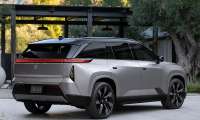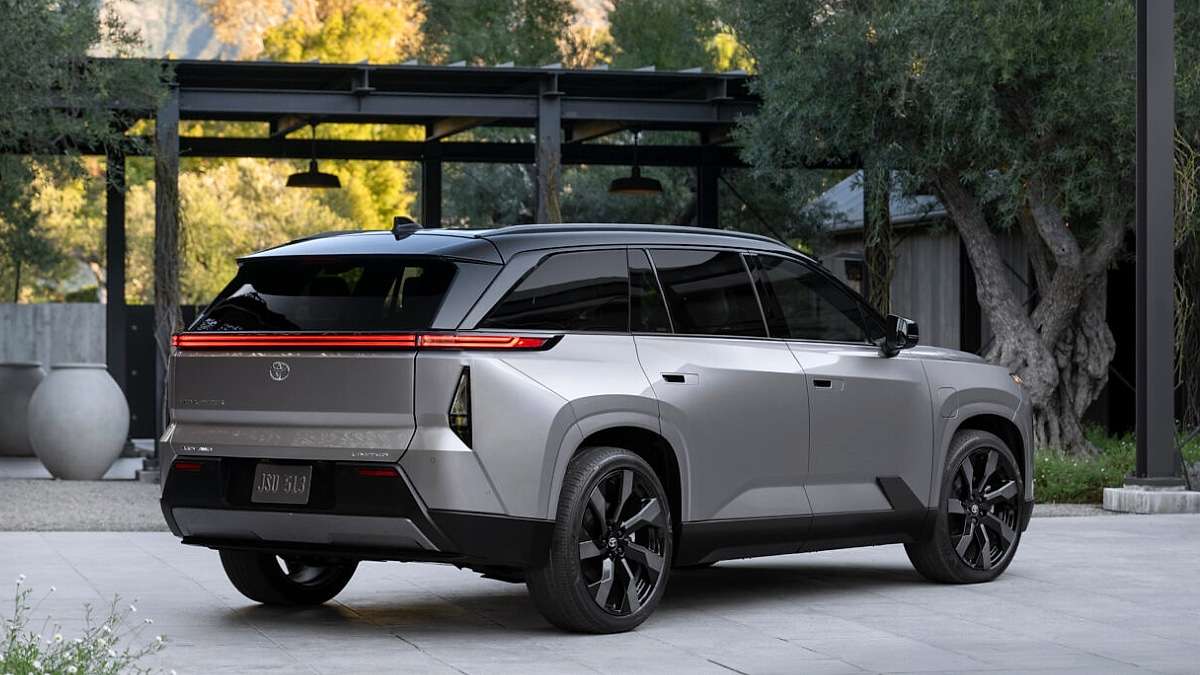

Toyota confirmed to Torque News that the all-new, all-electric 2027 Highlander needs more time before it reaches production. When I asked how long, the answer was direct. "Currently, the delay is a minimum of eight weeks." I had been invited to the 2027 Toyota Highlander National Press Preview this September, so this news landed close to home, and it comes just months after Toyota first confirmed the Highlander would move to a battery-electric-only powertrain for this generation.
Why Is the 2027 Highlander EV Delayed?
Toyota's own wording is worth studying closely. The company said the delay allows time "for final adjustments prior to launch."
Notice what Toyota did not say. No mention of quality issues, no mention of a supplier problem, no mention of a defect or a recall. Instead, Toyota chose careful, controlled corporate language. That phrasing tells me this is a managed process, not a scramble, which lines up with how Toyota has approached this launch since the very first teaser image and confirmation that the next Highlander would go fully electric.
Is Eight Weeks a Long Delay or a Short One?
Eight weeks is generally too long for a simple engineering tweak, but too short for a complete redesign. That narrows the possibilities considerably, and it matters because the last thing anyone wants is a repeat of the dealership pressure tactics some 2026 Highlander shoppers have already run into while they wait for clarity on timing.
Could This Be a Manufacturing Process Issue?
The most likely explanation is production process optimization. Before any new model enters full mass production, Toyota runs pilot builds, pre production vehicles, quality audits and manufacturing validation.
Engineers sometimes discover that a robot is not installing a part consistently, or that panel gaps vary more than Toyota's own standards allow. None of that requires redesigning the Highlander. But it can easily take six to ten weeks to modify tooling, recalibrate robots and rerun pilot production.
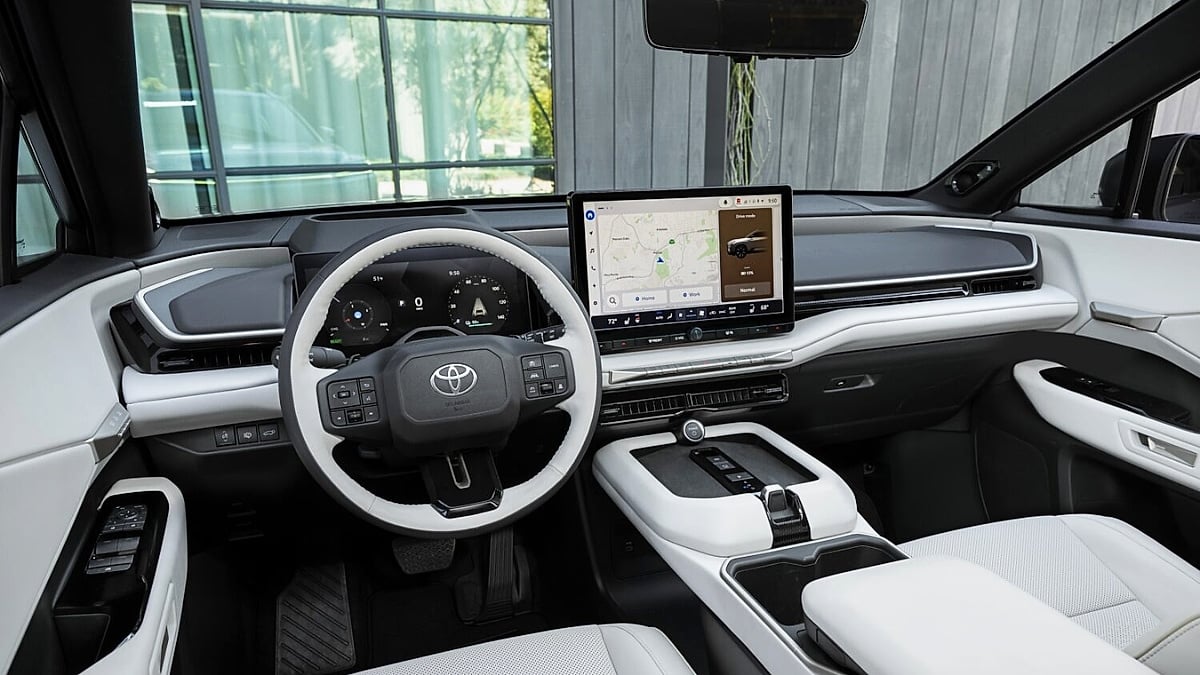
Eight weeks fits that scenario almost perfectly, and it echoes what we saw when Toyota and Subaru delayed the shared three row EV platform at the Kentucky plant for what the automaker called "production preparation issues."
Could a Supplier Be Behind the Holdup?
Supplier readiness is another real possibility. Toyota builds vehicles using thousands of parts from hundreds of suppliers, and if even one supplier discovers inconsistent parts or insufficient production volume, Toyota tends to hold the line rather than ship with questionable components. That instinct has shown up before, including when Toyota reportedly held random units back at the port for deeper quality checks rather than sending every truck straight to dealers.
Is This About Software Instead of Hardware?
Software calibration is a third likely factor. The 2027 Highlander will carry dozens of control modules handling battery management, driver assistance, infotainment and over the air updates. Getting software from ninety nine percent complete to fully validated can eat up weeks on its own, especially when testing uncovers an interaction nobody expected. That kind of late stage software surprise is not new territory for Toyota, and it is part of why some current Highlander owners are already comparing notes about build quality and interior fit and finish on other recent Toyota launches.
Does Certification Testing Play a Role?
Certification and validation testing is worth mentioning too. Final emissions review does not apply here since this is a battery electric vehicle, but safety validation, cold weather testing and hot weather testing all still apply. If anything unexpected shows up during that process, engineers typically need several weeks to recalibrate before production can begin. Buyers weighing the Highlander EV against the Kia EV9 are essentially stuck waiting for those firmer numbers before they can commit either way.
Could It Just Be a Small Equipment Fix?
Then there is the simplest explanation of all, manufacturing equipment changes. Sometimes a production line reveals that one robot needs an extra two seconds, or one weld is not quite right. That sounds minor, but on a vehicle that will be built hundreds of thousands of times, small adjustments matter enormously.
Why Did Toyota Say Eight Weeks Specifically?
Why exactly eight weeks, though. That is the most interesting clue in the whole story. If Toyota had no idea what was wrong, the company would have said timing remains under evaluation. If the issue were serious, Toyota would have said launch timing will be announced later. Instead, Toyota gave a specific minimum. That tells me someone at Toyota has already built a project timeline, the work is defined, and the team knows roughly how long it takes. That is a sign of control, not crisis, and it fits the pattern of frustration some owners voiced when they struggled to grasp the shift away from hybrid and gas Highlander options entirely.
Is This Just How Toyota Operates?
This fits the Toyota Production System philosophy to a tee. Toyota would rather delay than launch something that is not ready.
I think the real story here is not that the Highlander EV is delayed. It is that Toyota is willing to sacrifice short term sales to protect long term reliability.
Very few automakers would willingly hold back one of their highest volume SUVs. Toyota just did, and it is already showing up in the used market, where gas Highlander values have started climbing as buyers race to grab the last conventional models. It also raises fair questions among owners considering the Subaru Getaway, which shares the same underlying platform as the Highlander EV.
Is This Really About Profit, Not Manufacturing?
Not everyone in the automotive press is reading this delay the same way. Cars.com raised a sharper question in its own coverage, suggesting Toyota might simply be raking in more profit on gas Highlander sales while the electric version waits in the wings. It is a fair point worth weighing against Toyota's own explanation, and it is one reason I think this story deserves more attention than a quick news brief can offer.
What Should Shoppers Take Away From This?
Here is the moral lesson in all of this, at least the way I see it after two decades covering this industry. Patience in manufacturing is not weakness. A company that delays a launch to get panel gaps right, software right and supplier parts right is a company still playing the long game, even when that decision frustrates buyers who were counting down to September. The eight week number is not a red flag. It is a project plan with a deadline attached.
What do you think is really behind Toyota's eight week Highlander EV delay, a manufacturing hiccup or something bigger the company is not saying yet? And if you had a Highlander National Press Preview invite like I did, would this news change how you plan to cover the launch when it finally happens?
Return tomorrow, or check our Torque News Home Page for more interesting automotive news articles.
Image source: Toyota.
About The Author
Armen Hareyan is the founder and Editor-in-Chief of Torque News and an automotive journalist with over 15 years of experience writing car reviews and industry news. Now based in the Charlotte region (Indian Land, SC, he founded Torque News in 2010, which since then has been publishing expert news and analysis about the automotive industry. He can be reached at Torque News on X, Linkedin, Facebook, and Youtube. Armen holds three Masters Degrees, including an MBA, and has become one of the known voices in the industry, specializing in the landscape of electric vehicles and real-world stories of actual car owners. Armen focuses on providing readers with transparent, data-backed analysis bridging the gap of complex engineering and car buyer practicality. Armen frequently participates in automotive events throughout the United States, national and local car reveals and personally test-drives new vehicles every week. Armen has also been published as an automotive expert in publications like the Transit Tomorrow, discussing how will autonomous vehicles reshape the supply chain, and emerging technologies in vehicle maintenance.
Set Torque News as Preferred Source on Google
Follow us today...