
The premium German luxury playbook just got set on fire by a hybrid.
For decades, driving an ultra-efficient vehicle meant accepting an implicit social tax: steering a car that looked like a rolling medical appliance.
Today, that compromise is dead.
When long-time luxury owners willingly trade their prestige European keys for a Toyota badge, a massive tectonic shift is underway beneath the surface of the automotive market.
This isn't about pinching pennies at the pump.
The traditional automotive playbook says you never trade a premium German luxury sedan for a mass-market hybrid appliance. But the traditional playbook completely burned down when the fifth-generation Toyota Prius arrived.
For decades, drivers accepted an implicit social tax when choosing extreme fuel efficiency: you had to drive a vehicle that looked like a rolling continuous positive airway pressure machine. Today, that compromise is dead.
When long-time luxury owners willingly sacrifice their prestige keys for a hybrid badge, something monumental is happening beneath the surface of the automotive market.
This is not a story about saving pennies at the gas pump.
This is an investigative look at a massive structural shift in consumer behavior in which cutting-edge plug-in technology completely alters owner loyalty.
From Munich To Toyota City
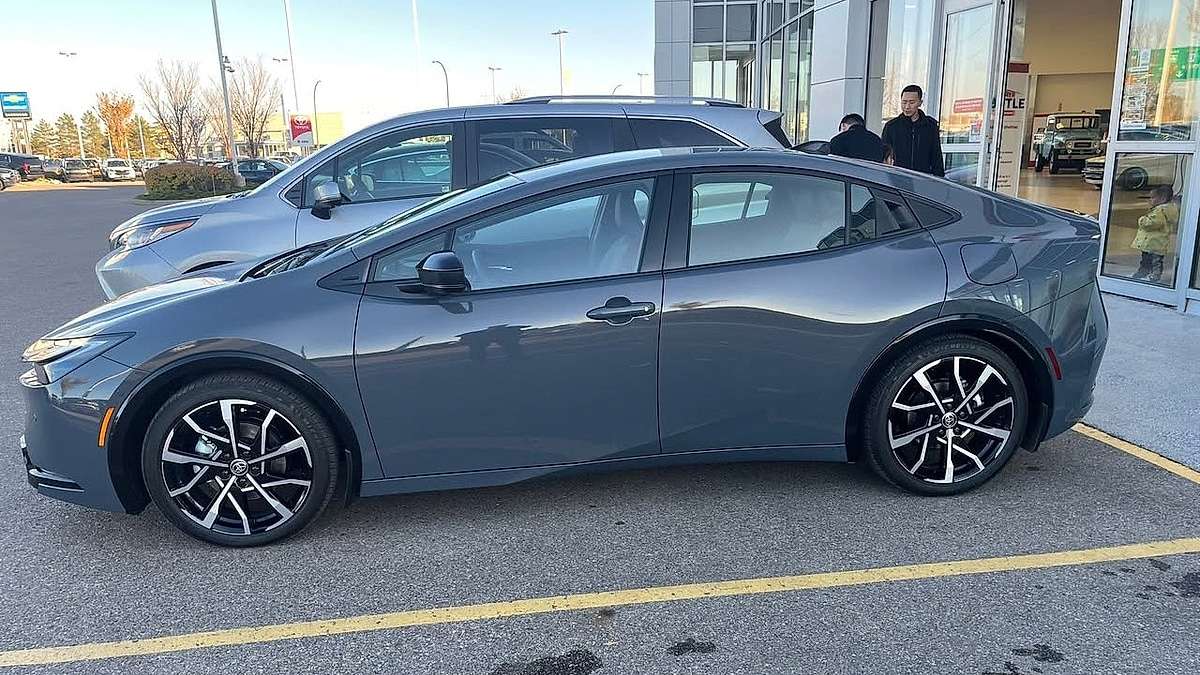
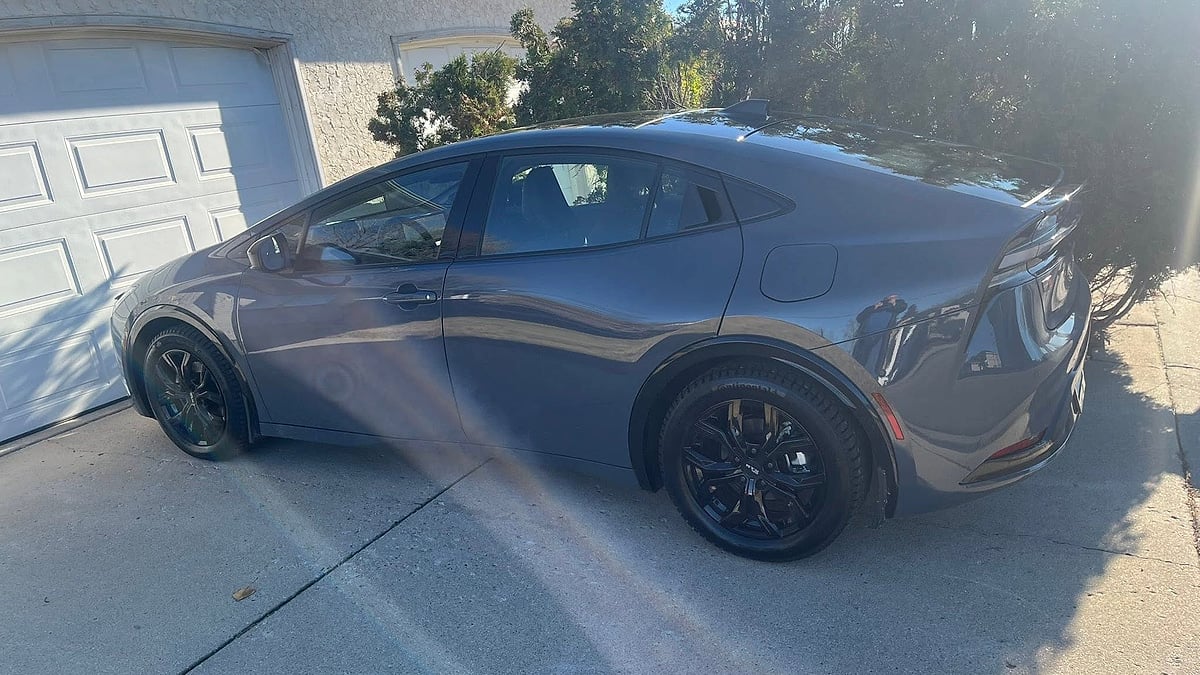
I analyzed this fascinating transition through the lens of Kelly Kach, a dedicated enthusiast who walked away from a 2015 BMW 5 Series. After years of enjoying German engineering, she spotted a 2026 Toyota Prius XSE Premium PHEV in Guardian Grey sitting on a showroom floor.
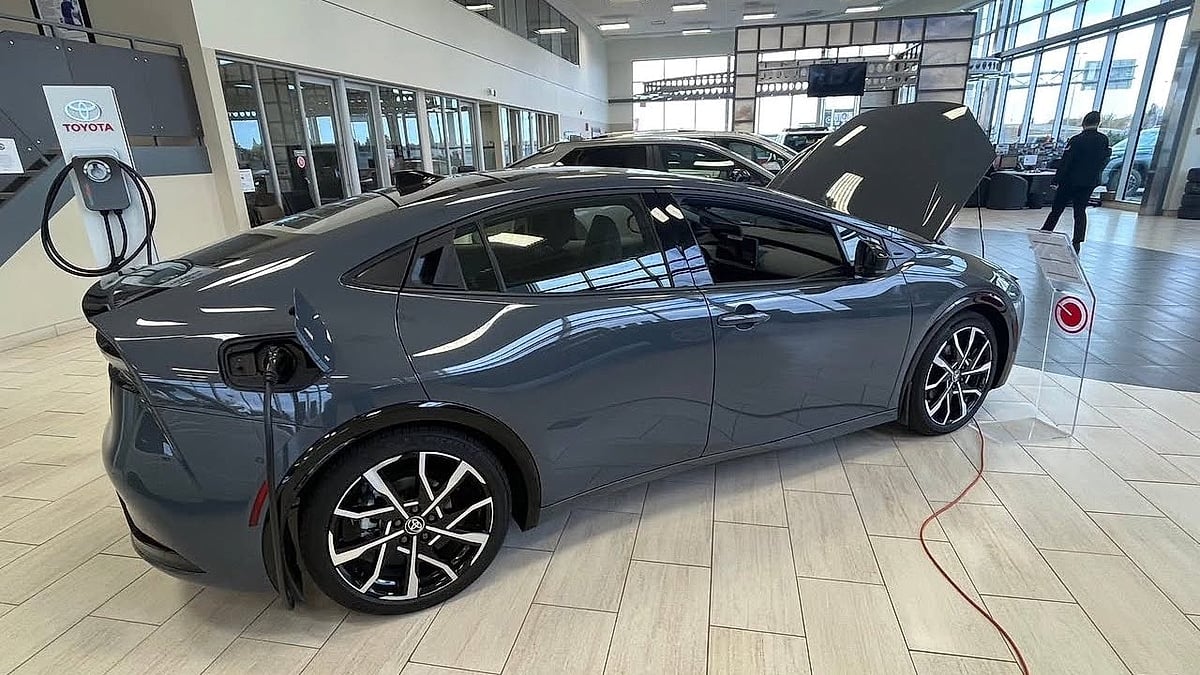
It took exactly one look at the sharp sheet metal and the aggressive 19-inch alloy wheels to seal the deal. She traded her luxury sedan on the spot in October 2025 and has never looked back.
“I picked up this beauty, a 2026 Prius XSE Premium PHEV in Guardian Grey, back in October 2025, and I traded in my 2015 BMW 5 Series for it and have never looked back,” Kach stated in an exclusive social media group tracking fifth-generation ownership habits. “Just fell in love with that color and the 19-inch rims when I saw it in the showroom.”
Why Luxury Buyers Are Fleeing
Luxury status symbols are losing their grip. Wealthy buyers are waking up to the fact that high-end aesthetics look a lot better when they aren't married to catastrophic repair bills.
As a mechanic with over 30 years of boots-on-the-ground experience, I can tell you that the allure of an aging European sedan fades fast when compared to modern plug-in architecture.
A 2015 BMW 5 Series (F10 platform) features complex turbocharging networks, plastic cooling system components prone to thermal fatigue, and astronomical maintenance overhead.
According to an extensive vehicle depreciation and longevity analysis compiled by the automotive experts at iSeeCars, a new BMW 5 Series depreciates a staggering 55.9 percent after five years, dragging its resale value down faster than almost any other midsize luxury vehicle category.
Luxury buyers are waking up to this financial reality. They are realizing that high-end styling can now be found on a vehicle platform that offers legendary mechanical reliability. Historical recall and component-tracking data from data analysts confirm that the Toyota Prius lineup scores exceptionally high in long-term durability metrics, sustaining far fewer severe component failures per 10,000 units sold than aging premium European alternatives.
The Hidden Trade-Off Of Beautiful Rollers
While Kach is completely smitten with her vehicle, the structural realities of premium styling choices inevitably show up during real-world use. The 19-inch wheels look absolutely stunning in the showroom, but they drastically alter the car’s structural footprint.
In my previous investigation into the structural limits of this specific platform, I noted that larger wheel diameters introduce a distinct mechanical compromise.
As I detailed in the Prius AWD 19-Inch Wheel Efficiency Report, the entry-level 17-inch packages provide a significantly more forgiving ride over damaged pavement because the taller tire sidewalls serve as a crucial secondary shock absorber.
When you opt for the low-profile rubber required by the 19-inch wheels on the XSE Premium, you trade away that extra layer of cushion, which can directly cause unexpected drops in efficiency on harsh seasonal terrain.
Defeating The Frozen High-Altitude Asphalt
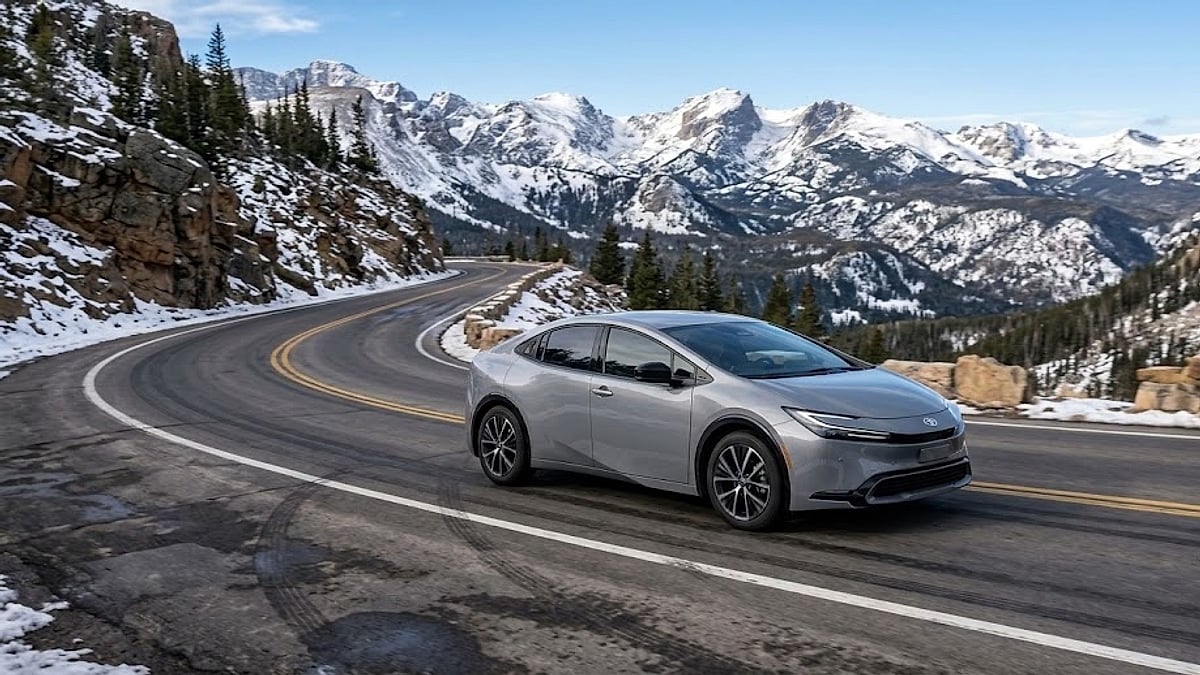
Living and working in Colorado presents a brutal gauntlet for any vehicle, especially when navigating extreme mountain passes.
Kach bypassed the harshness of the 19-inch low-profile tires during the winter months by implementing a brilliant seasonal strategy. He swapped her setup for a dedicated 17-inch winter wheel assembly wrapped in Continental studded winter tires.
This specific mechanical adjustment pays massive dividends when encountering sub-zero temperatures.
The smaller wheel size allows for a more compliant tire tread compound that deforms predictably over frozen ruts. Kach noted that this setup made the vehicle grip phenomenally well throughout the winter season, proving that the Prius Prime can easily conquer alpine climates when properly equipped.
The Secret Lane Tracing Squeeze Play
Beyond aesthetics and winter performance, Kach raised a fascinating technical question about how owners interact with Toyota Safety Sense 3.0.
He wanted to know how many fellow fifth-generation owners use the highway Lane Tracing Assist (LTA) system and have discovered a unique shortcut. Every time the driver information display warns that the lane tracing feature is about to deactivate due to a lack of driver input, giving the steering wheel a tiny, intentional squeeze instantly resumes the automated tracking.
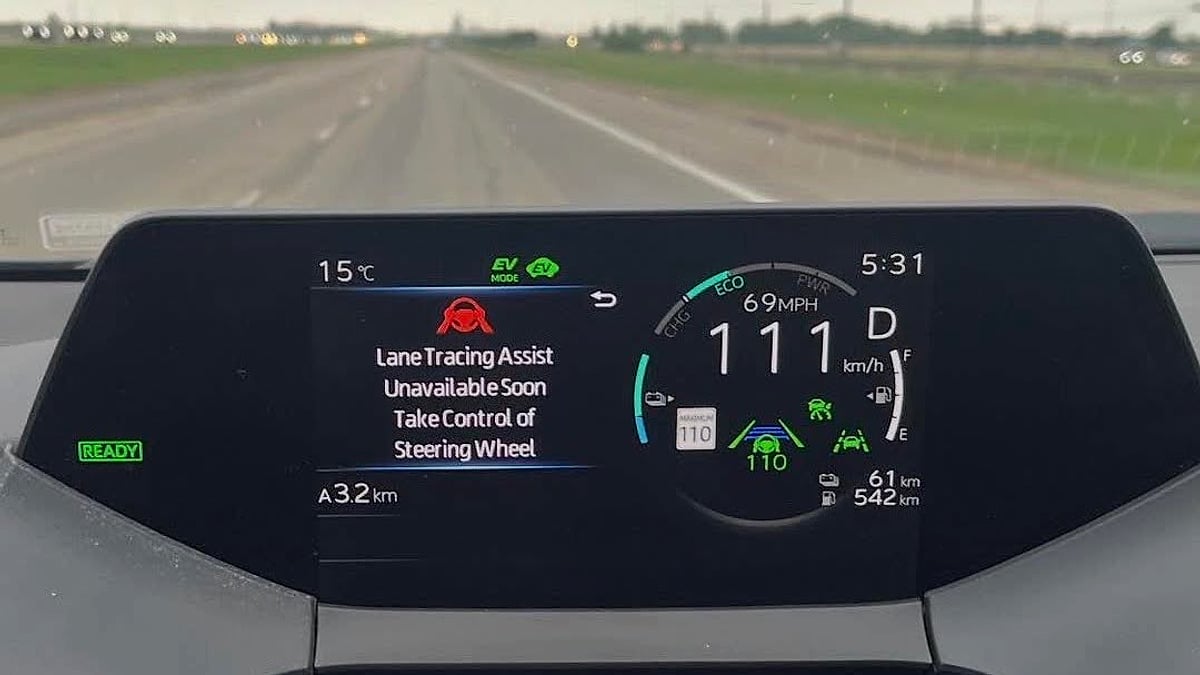
“How many of you 5th Gen Prius owners are guilty of this?” Kach asked her peers. “Using lane tracing on the highway and every time you get the warning that lane tracing is ending soon, just give the steering wheel a little squeeze and it resumes.”
Decoding Toyota’s Torque Sensor Secrets
To understand why this "squeeze play" works, we have to look at the underlying engineering of Toyota's safety architecture.
Many consumers mistakenly assume that modern steering wheels use capacitive touch sensors similar to those on smartphone screens. As verified by automotive engineering logs from the technical community, Toyota predominantly uses a highly sensitive internal torque sensor embedded directly within the steering column rather than a continuous-contact sensor layout.
The system does not care whether your hands are touching the material; it measures the physical rotational resistance relative to the automated steering rack guidance.
It requires less than 1 pound of rotational force to meet the vehicle's data-logging requirements. When Kach gives the wheel a gentle squeeze, he is subtly introducing just enough physical torque imbalance to register on the column sensor, tricking the computer into verifying driver alertness.
Preserving The Internal Mechanical Vitality
While mastering driver-assist systems makes highway commuting incredibly relaxing, long-term ownership satisfaction requires a strict focus on the vehicle's internal mechanical health.
The Prius Prime relies on a highly sophisticated, small-displacement internal combustion engine that continuously cycles on and off to support the hybrid battery array. This unique operating cycle places significant stress on the factory motor oil, especially during high-altitude climbs or short trips in freezing winter conditions.
As I emphasized in my comprehensive maintenance study on The 1,000-Mile Prius Break-In Fluid Analysis, operating these high-tech powerplants under severe duty conditions demands a proactive care strategy.
Drivers who want to protect their vehicles for hundreds of thousands of miles should ditch the extended factory intervals and commit to an early out-of-pocket flush to eliminate abrasive raw-manufacturing debris and silicone-based gasket sealants that circulate early in the engine's lifecycle.
What Would You Do? Would you ever give up a luxury German badge for a high-efficiency Toyota plug-in hybrid? Let us know your thoughts in the comments below!
Wait, There’s More Coming… Also check out my Torque News Home Page for more of my informative Toyota Prius news articles.
About The Author
Denis Flierl is a 14-year Senior Reporter at Torque News and a member of the Rocky Mountain Automotive Press (RMAP) with 30+ years of industry experience. Explore his full investigative reporting archives and technical guides at DenisFlierl.com.
Based in Parker, Colorado, Denis leverages the Rockies' high-altitude terrain as a rigorous testing ground to provide "boots-on-the-ground" analysis for readers across the Rocky Mountain region, California EV corridors, the Northeast, Texas truck markets, and Midwest agricultural zones.
A former professional test driver and consultant for Ford, GM, Ram, Toyota, and Tesla, he delivers data-backed insights on reliability and market shifts. Denis cuts through the noise to provide national audiences with the real-world reporting today’s landscape demands.
Connect with Denis: Find him on LinkedIn, X @DenisFlierl, @WorldsCoolestRides, Facebook, and Instagram.
Photo credit: Denis Flierl via Kelly Kach
Set Torque News as Preferred Source on Google
Follow us today...