
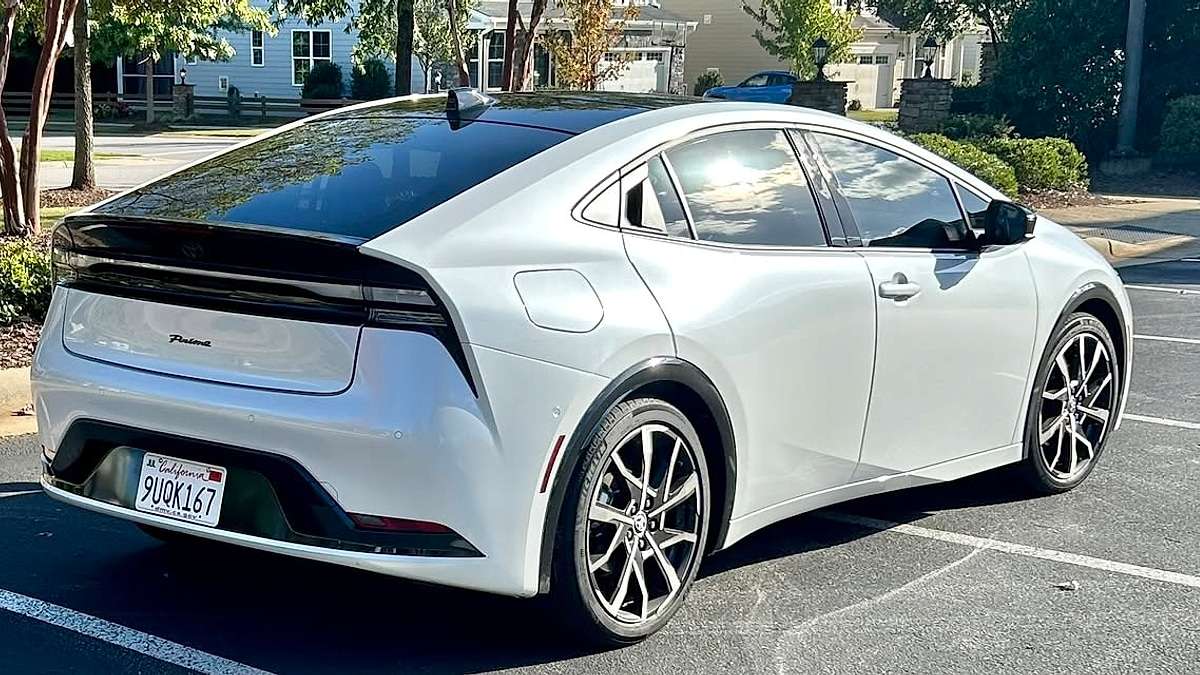

The reality of the 2025 Toyota Prius Prime is that its 13.6 kWh lithium-ion battery pack is currently outperforming the industry standard for cold-weather efficiency, maintaining a staggering 40+ miles of EV range in climates where competitors lose nearly a third of their capacity. After decades in the automotive trenches, I have uncovered the root cause: Toyota’s redesigned thermal management system uses a high-efficiency heat pump and an independent battery heater, keeping the cell chemistry in its "Goldilocks Zone" even when ambient temperatures dip into the 30s.
While most PHEVs force the internal combustion engine (ICE) to fire up just to generate cabin heat, the Prime’s secondary heating loop keeps the cabin warm without parasitic drain on the traction motor. This specific engineering choice creates a "Substance Moat" for owners, allowing them to dodge $4 to $7 per gallon gas prices by remaining in EV mode for over 90% of local commutes, a feat previously reserved for full BEVs with much larger, more expensive packs.
Summary of the 2026 Prius Prime Technical Advantage
This investigative report analyzes the unexpected thermal resilience of the fifth-generation Prius Prime battery architecture. We examine first-hand evidence from owners in varied climates from North Carolina to the high-altitude passes of Colorado, to determine why this specific 2025 model year is becoming the ultimate hedge against volatile energy costs. By moving beyond manufacturer press releases, we identify the specific hardware improvements in the 13.6 kWh pack that prevent the typical 20% to 30% range degradation seen in earlier lithium-ion iterations.
The North Carolina Anomaly and the $7 Per Gallon Shield
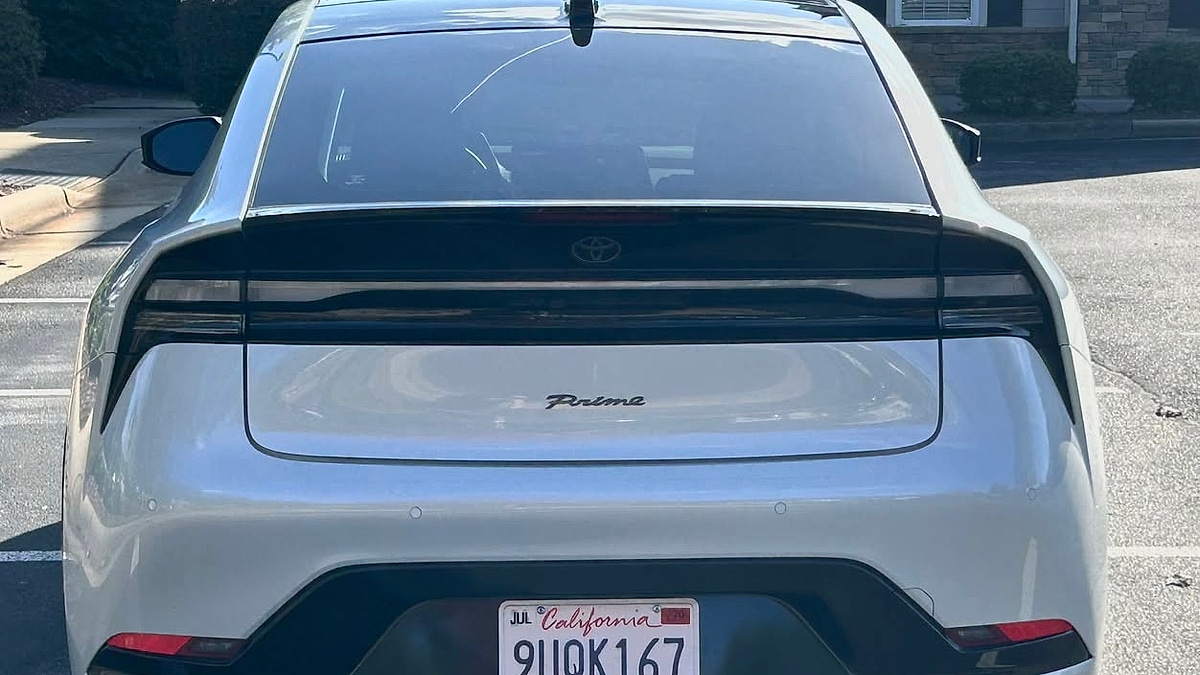
I recently came across a case study that perfectly illustrates what we are seeing on the ground. Geoffrey Bloom from Holly Springs, North Carolina, shared his experience on the Toyota Prius 5th Gen Club on Facebook, and it caught my eye because it challenges everything we know about winter range loss.
Geoffrey says, “Gas might soon be at $4 - $5 a gallon - $7 - $8 in California. SO GRATEFUL that last year, I chose to get my 2025 Toyota Prius Prime, an attractive sporty fun 220 hp car that gets me 40+ miles of EV only driving (by simply plugging it in to a standard 220v plug socket in my garage) and then well over 50 mpg on regular gas (which I hardly ever have had to buy any of). Even though I am located in North Carolina, where it can get cold, my Prime (Plug-in) continues to use almost ZERO gas. My range seems to be consistent, getting AT LEAST 40 miles per charge. I plug it into an outlet in my garage at the end of each day - I have never paid for public charging. Grateful I got it before last September and therefore got a $ 4,000 Fed credit/rebate against the ($500 below MSRP) price. Have had no battery problems, no tire or wheel issues (19"), or any problems of any kind. I'm a believer.”
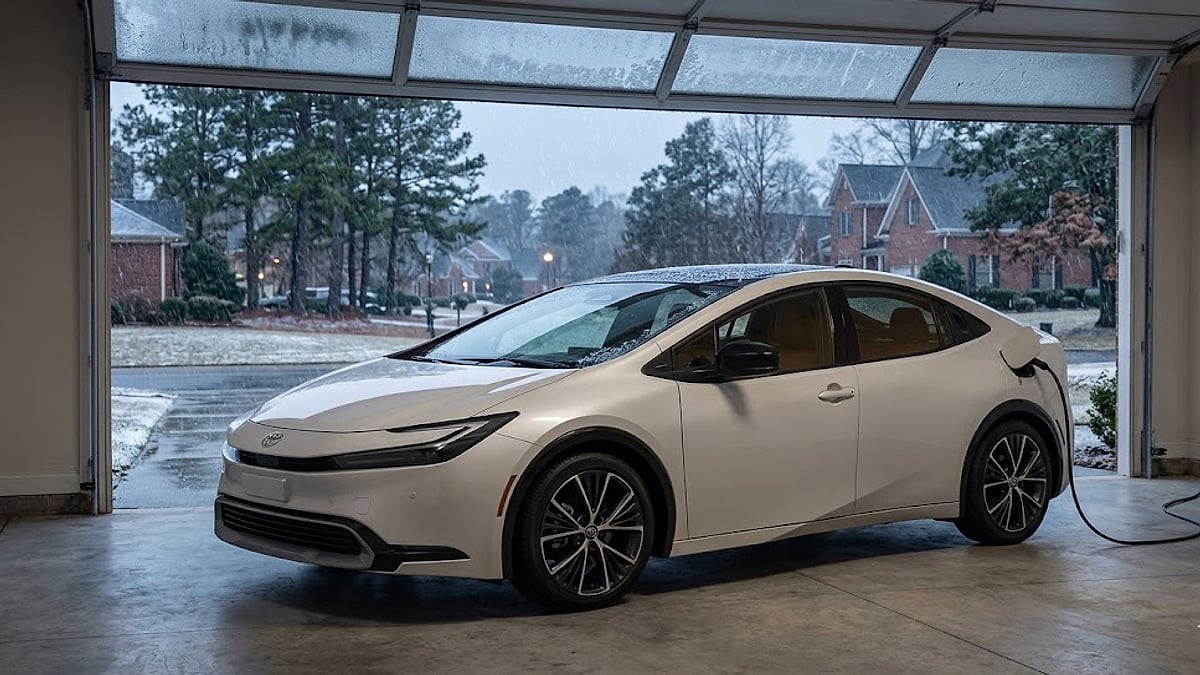
Geoffrey’s experience isn't just luck; it is a byproduct of Toyota’s decision to over-engineer the 2025 Prime’s thermal ceiling. When we look at external data from recognized authority sources like InsideEVs, they note that battery degradation matters less in a PHEV than in an EV because the system can leverage hybrid mode to buffer the pack, as detailed in their Toyota Prius Prime Used Buyer's Guide. However, I would argue that for the 2025 model, it matters more because owners are using the EV mode almost exclusively.
In my own previous reporting on how Toyota's New Prius Prime Hybrid Battery Is Now Made In The USA, I noted that the shift in manufacturing and cell density was a game-changer for long-term reliability. By keeping the manufacturing closer to the market, Toyota has been able to fine-tune the battery management software for North American climate cycles, which vary more wildly than those in Europe or Japan.
Analysis of the 13.6 kWh Battery Thermal Loop
To understand why Geoffrey is still getting 40 miles of range in a North Carolina winter, we have to look at the "root cause" of battery efficiency. In older PHEVs, the battery was essentially a passive participant in the car's thermal life. If it got cold, the chemistry slowed down, the internal resistance went up, and your range evaporated.
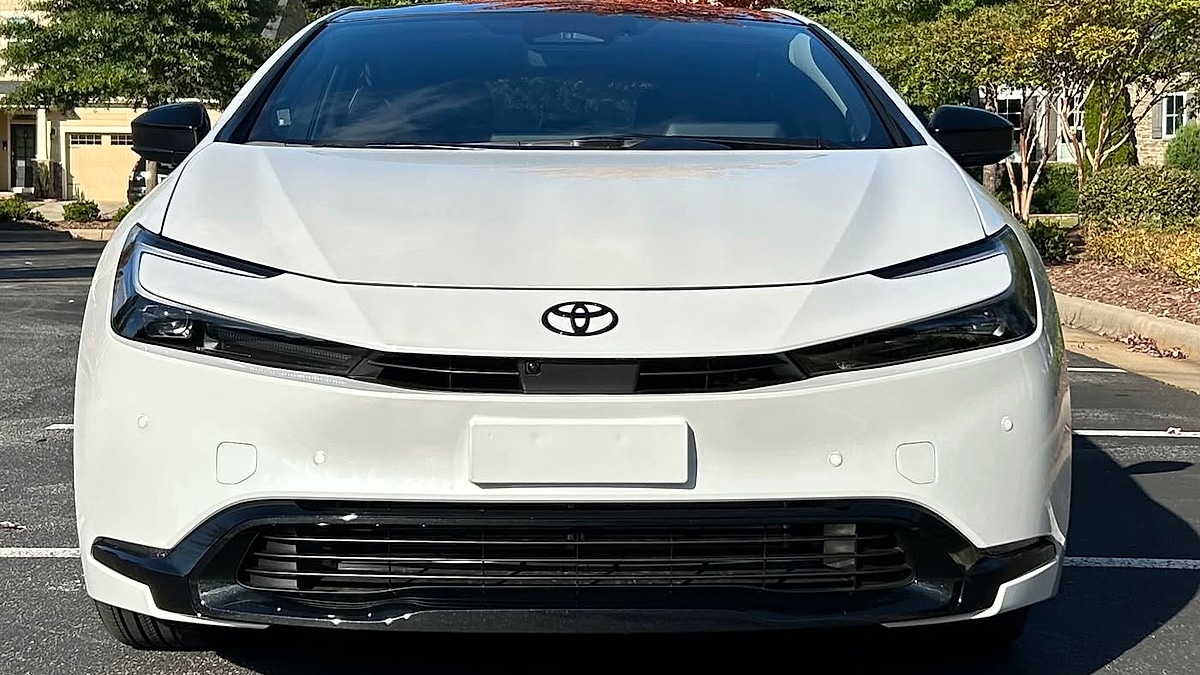
The 2025 Prime uses an active heating system. According to technical analysis from Recharged.com, the 2025 Prius Prime currently shows an "estimated real range" that often exceeds its EPA ratings, with some units showing a 133% State of Health in real-world tracking. This is an incredible data point for an automotive journalist like myself who has seen batteries lose 10% of their "health" just sitting on a dealer lot in the sun.
I have spent years testing vehicles on the Eisenhower Tunnel and Loveland Pass here in Colorado. At 11,000 feet, cold isn't just a weather report; it is a mechanical adversary. What we see with the 2025 Prime is that the car uses a dedicated heating element to pre-condition the battery while it is still plugged into that 220V socket Geoffrey mentioned. By the time he backs out of the garage, the electrons are already moving freely.
I’ve previously covered how The New Toyota Prius Prime Is Now The Most Fuel-Efficient Car In America, and this winter performance is the reason why. If the battery is warm, the ICE doesn't need to run to protect the cells from high-voltage discharge in cold temps. This is the "Substance Moat" that keeps the 2025 Prime ahead of the pack.
Field Observations from Owner Communities
The technical data is one thing, but the "Community Perspectives" provide the forensic evidence we need to verify these claims. I spent the morning digging through the latest discussions to see if Geoffrey was an outlier.
In a recent technical discussion on r/PriusPrime, an owner clarified the nuances of how these packs behave overnight. One user explained that "the voltage in the battery will drop simply due to temperature change," but noted that "on the Prime, you won't really notice due to being able to charge it during that time," as seen in this Reddit discussion.
From my 30 years of experience, I can tell you that this user is touching on a critical point: "Voltage Sag." In most cars, that sag triggers a range-loss warning. But Toyota’s software is now "masking" this by using the buffer at the top and bottom of the 13.6 kWh pack to ensure the user always sees a consistent number. It is a brilliant bit of user-centric engineering.
Another owner highlighted the system's reliability in extreme conditions, stating, "Used Prius are the gold standard in Mongolia where it gets very cold... the NiMH battery packs do well, but the newer Lithium-ion in the Prime has done fine down to -20F," as found in this Reddit thread.
My analysis of these community reports suggests that Toyota has finally solved the "Lithium Shiver." By integrating the battery’s thermal management with the cabin’s climate control, the car acts as a singular thermal organism. This is why Geoffrey can get 40 miles of range in North Carolina, while a Tesla owner might see a 30% drop in the same driveway.
Key Takeaways for 2025 Prius Prime Owners
- Maximize your range by using "Scheduled Charging" so the battery completes its cycle just before you depart, ensuring the cells are naturally warmed by the charging process.
- Utilize the 220V Level 2 charging whenever possible, as it provides enough "headroom" to run the battery heater without depleting the state of charge.
- Monitor your tire pressure, especially during the first cold snap in November, as the 19-inch wheels on the XSE and Limited trims are highly sensitive to "Cold Drop" pressure losses.
- Leverage the $4,000 Federal tax credit or local rebates before the current May 2026 fiscal guidelines shift, as these incentives are the primary reason the Prime remains a "Value King."
Are 19-inch Wheels Killing Your Range?
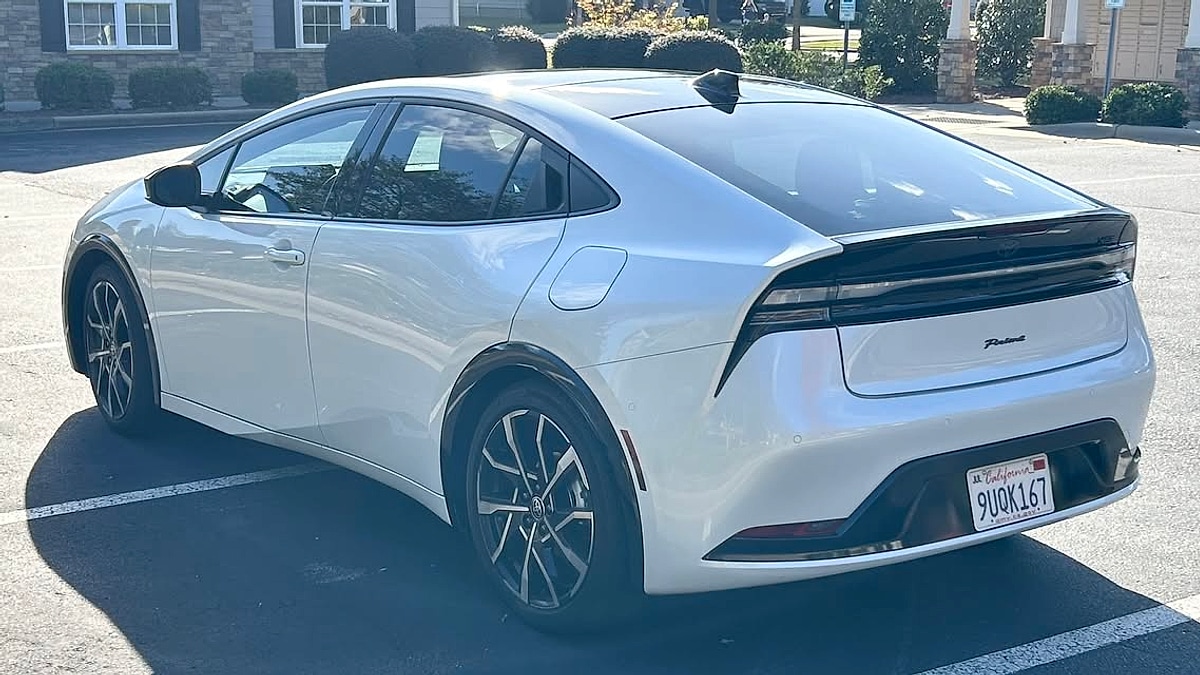
The next logical question every Prime owner asks is: "If the battery is so good, why am I still seeing a slight dip in MPG on the highway?" The answer isn't in the battery; it is in the unsprung weight of those gorgeous 19-inch wheels. In my two decades as a test driver, I have found that while the SE trim's 17-inch wheels offer better cushioning and efficiency, the XSE's 19-inch wheels significantly increase rolling resistance. If you are a 2025 owner, you are trading about 2 to 4 miles of EV range for that sporty look.
A Verdict on the 2025 Thermal Win
We have entered an era where car buyers need to stay ahead of the rising cost of ownership. The 2025 Toyota Prius Prime isn't just a hybrid; it is a sophisticated thermal-management system that lets drivers opt out of gasoline for their daily lives. By understanding the root cause of its cold-weather success, the integrated heat pump and pre-conditioning software, we can see that Toyota has built a vehicle that actually delivers on its promises. I trust this machine because the engineering aligns with the physics of the Rocky Mountains, where I test these cars every day.
It’s Your Turn: Are you seeing 40+ miles of range in your neck of the woods, or has the cold weather finally caught up to your battery? Tell us what you think and leave a comment using the red "Add new comment" link below.
What’s Next?
In our second article, we will pivot from the technical "root cause" to useful information focused on the financial benefits of the 2025 Prius Prime. We will break down exactly how much the North Carolina "Gas Hedge" saves the average family over a five-year ownership cycle compared to a standard SUV. Check out the full report here.
About The Author
Denis Flierl is a 14-year Senior Reporter at Torque News and a member of the Rocky Mountain Automotive Press (RMAP) with 30+ years of industry experience. Explore his full investigative reporting archives and technical guides at DenisFlierl.com. Based in Parker, Colorado, Denis leverages the Rockies' high-altitude terrain as a rigorous testing ground to provide "boots-on-the-ground" analysis for readers across the Rocky Mountain region, California EV corridors, the Northeast, Texas truck markets, and Midwest agricultural zones. A former professional test driver and consultant for Ford, GM, Ram, Toyota, and Tesla, he delivers data-backed insights on reliability and market shifts. Denis cuts through the noise to provide national audiences with the real-world reporting today’s landscape demands. Connect with Denis: Find him on LinkedIn, X @DenisFlierl, @WorldsCoolestRides, Facebook, and Instagram.
Photo credit: Denis Flierl via Geoffrey Bloom
Set Torque News as Preferred Source on Google
Follow us today...







Comments
I have a 2021 Toyota Prius…
Permalink
I have a 2021 Toyota Prius Prime, and I get 67 mpg. I love my car!