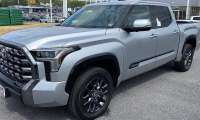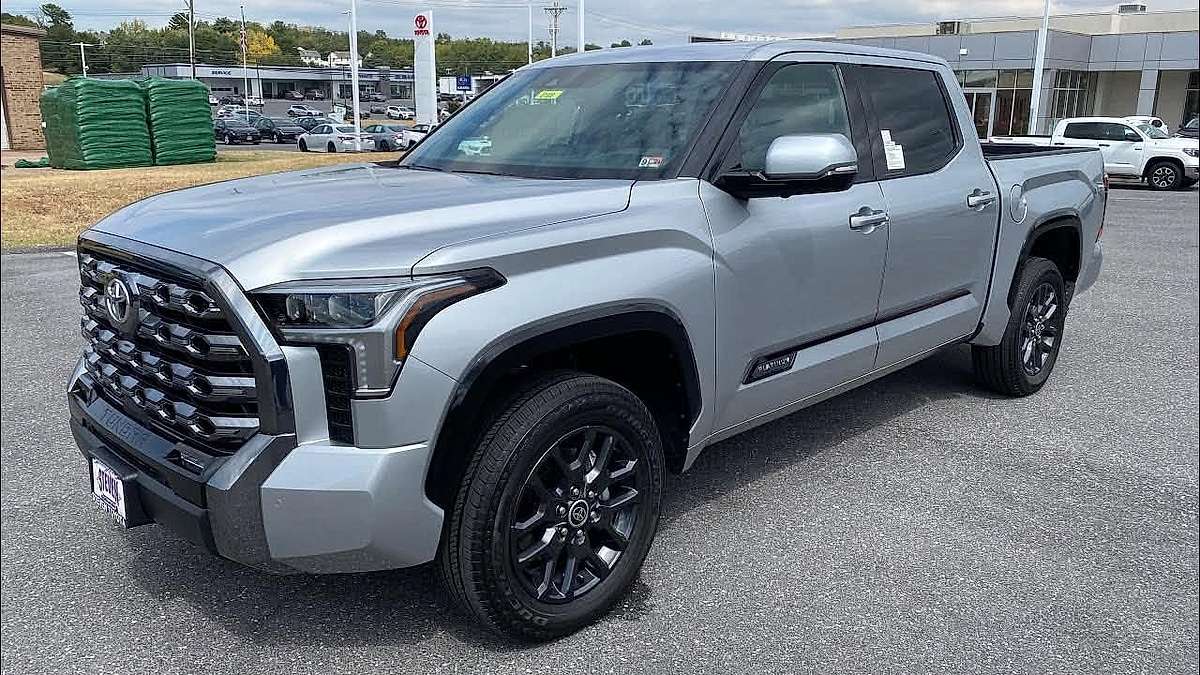

A $44,000 price tag on a luxury 2023 Toyota Tundra Platinum looks like an absolute steal until you realize you are buying a ticking five-figure engine liability with zero warranty coverage.
A Denver buyer attempting to save over $15,000 by purchasing a used 2023 Toyota Tundra Platinum for $44,000 is stepping directly into a multi-month, out-of-warranty recall backlog.
While a used luxury-trim truck at that price looks like an absolute steal on paper, the underlying mechanical reality tells a completely different story.
The hidden risk isn't just the existence of the infamous factory defect; it is how the manufacturer has recently altered its strategy for addressing it.
The Dealership Reality Major Outlets Are Not Reporting
Most automotive news sites are simply republishing basic press releases about the ongoing V35A twin-turbo V6 engine problems. However, frontline service data reveals that Toyota has quietly shifted its approach, moving away from automatically dropping brand-new engine blocks into every affected truck.
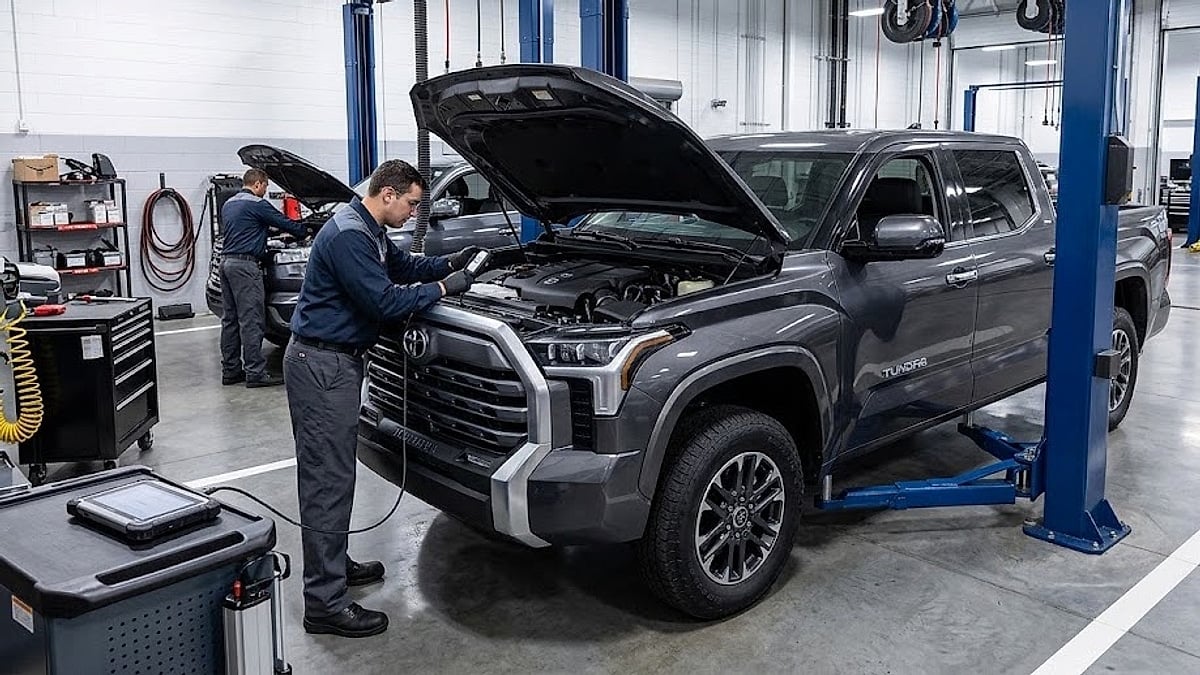
According to a highly detailed investigative report on CarBuzz, recent federal filings confirm that "using inspection software, dealers will evaluate the number one main bearing and collect available vehicle drive data to confirm the condition of that bearing" rather than offering a guaranteed mechanical replacement.
This means a secondary buyer who purchases an out-of-warranty truck through a private sale is completely at the mercy of a software diagnostic check.
If the computer determines the engine hasn't experienced enough severe load cycles to demonstrate the defect exists, the dealer may deny a full short-block replacement.
This hidden procedural shift completely upends the financial math of buying a used 2023 Tundra.
The Disconnect Between Factory Assurances And Private Transactions
For a regular consumer, buying a highly pressurized twin-turbo engine with zero warranty coverage means taking a massive gamble on the previous owner's maintenance habits.
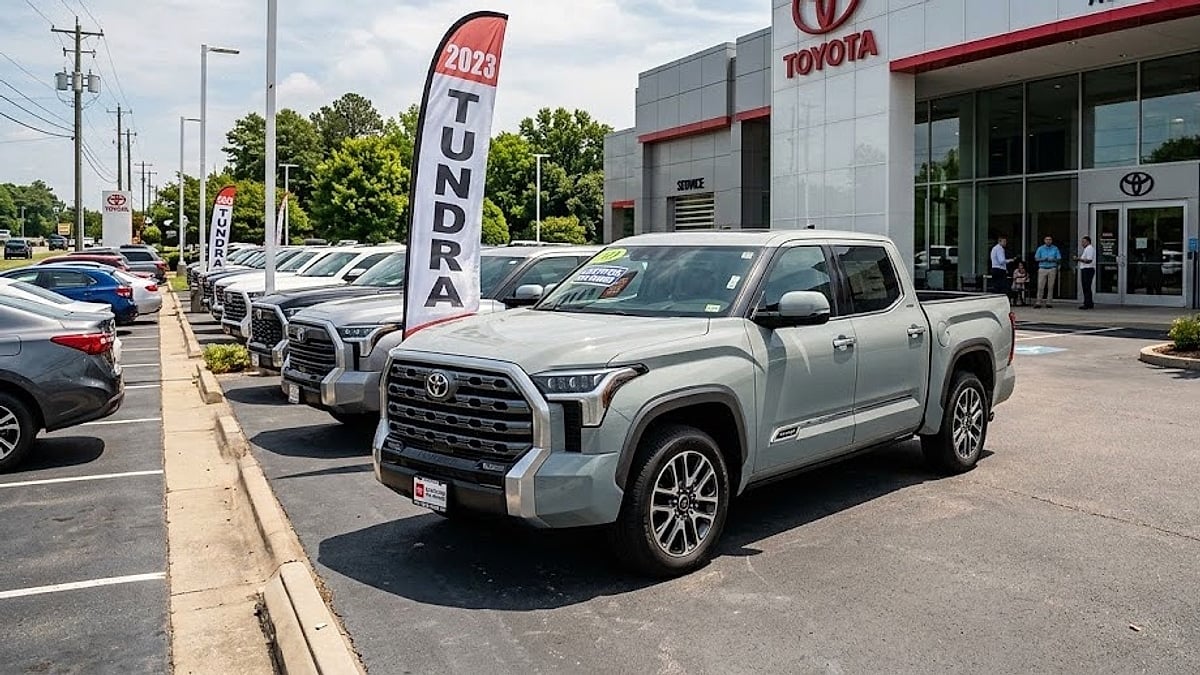
In an analytical tracking Toyota Tundra report on the platform’s systemic issues, I warn that "the maintenance burden for turbocharger longevity on these high-output V6 platforms is significantly higher than that of the previous naturally aspirated 5.7L V8 generation, leaving almost zero margin for error."
If the original owner stretched their oil changes to the factory-recommended 10,000-mile intervals, the internal main bearings could already be compromised by unhardened substrate or machining debris.
Furthermore, according to official data published in the National Highway Traffic Safety Administration (NHTSA) Campaign 26V320 Report, "if the aforementioned machining debris adheres to that bearing and operation of the engine continues at higher loads over time, failure of the bearing may occur."
Why The Legendary 'Bulletproof' V8 Narrative Still Rules The Market
This technical vulnerability has caused a massive ideological split within the full-size truck community. Thousands of traditional buyers are actively refusing to trade in their older, naturally aspirated V8 models for the downsized twin-turbo V6 platform.
Investigating this exact trend, I explain that "the 2026 Tundra represents the most significant mechanical gamble in the brand's history" because it lacks the zero-failure operating margins that made the previous iron-block V8 trucks into industry legends.
This exact anxiety is playing out across social media as used buyers weigh the financial risks of upgrading.
A prominent member of a major Tundra owners Facebook group perfectly summarized the dilemma facing many used-truck shoppers today.
"I need honest help: I’m about to buy a 2023 Toyota Tundra Platinum with 32,000 miles for $44k from a private owner, no warranty," writes Angie Farid from Denver, Colorado. "I’m super nervous because I’ve only had the regular V8 and V6 engines; this is my first turbo engine, and it has an engine recall on it that has yet to be replaced. I already have the older V8 model, and it’s bulletproof."
The Mechanics of the V35A Pressure Stack-Up
According to official engineering disclosures archived in the late-Spring NHTSA Campaign 26V320 Report, Toyota's teardown analysis isolated a catastrophic "pressure stack-up" targeting the #1 main bearing.
This localized stress is heavily exacerbated by a combination of asymmetric timing chain tension pulling on the front of the crankshaft and heavy towing loads. When microscopic machining debris or manufacturing "swarf" interferes with this specific high-load zone, it disrupts the micro-thin oil film.
This structural imbalance triggers rapid fatigue failure and spinning bearings long before any diagnostic code registers on the dashboard.
The Compounding Hidden Costs Of Used Turbocharged Maintenance
If you buy a used Tundra with an open recall, you aren't just waiting in line for a potential service slot at a dealer. You are also inheriting a sophisticated powertrain that demands premium, hyper-disciplined maintenance to survive.
The low-mounted twin turbochargers operate under extreme thermal strain, spinning at speeds exceeding 200,000 RPM while relying on microscopic oil metering orifices.
When a private buyer takes on an early production truck without a certified dealership warranty, any out-of-pocket powertrain repair can quickly run into five figures. If the computer diagnostic test clears the engine today, but the main bearing spins six months from now, the private owner is stuck with a massive invoice.
Saving a few thousand dollars upfront on a private Platinum trim can quickly look like a terrible financial decision when the truck is sitting dead in a service bay.
What Would You Do? Trading a fully paid-off, dead-reliable naturally aspirated V8 for an unremedied, first-generation twin-turbo V6 with a pending recall history is a massive mechanical gamble. While the $44,000 price tag is incredibly tempting for a luxury Platinum trim, the potential out-of-warranty repair liabilities could easily erase those upfront savings.
Would you walk away from this $44k deal, or would you trust the dealership software to correctly diagnose the internal engine wear?
Tell us what you think! Please leave your comments below in the red "Add new comment" link.
Come back tomorrow… or check my Torque News Home Page for more of my informative Toyota Tundra news articles.
About The Author
Denis Flierl is a 14-year Senior Reporter at Torque News and a member of the Rocky Mountain Automotive Press (RMAP) with 30+ years of industry experience. Explore his full investigative reporting archives and technical guides at DenisFlierl.com.
Based in Parker, Colorado, Denis leverages the Rockies' high-altitude terrain as a rigorous testing ground to provide "boots-on-the-ground" analysis for readers across the Rocky Mountain region, California EV corridors, the Northeast, Texas truck markets, and Midwest agricultural zones.
A former professional test driver and consultant for Ford, GM, Ram, Toyota, and Tesla, he delivers data-backed insights on reliability and market shifts. Denis cuts through the noise to provide national audiences with the real-world reporting today’s landscape demands.
Connect with Denis: Find him on LinkedIn, X @DenisFlierl, @WorldsCoolestRides, Facebook, and Instagram.
Photo credit: Denis Flierl via Angie Farid
Set Torque News as Preferred Source on Google
Follow us today...