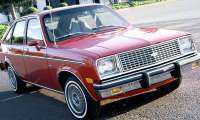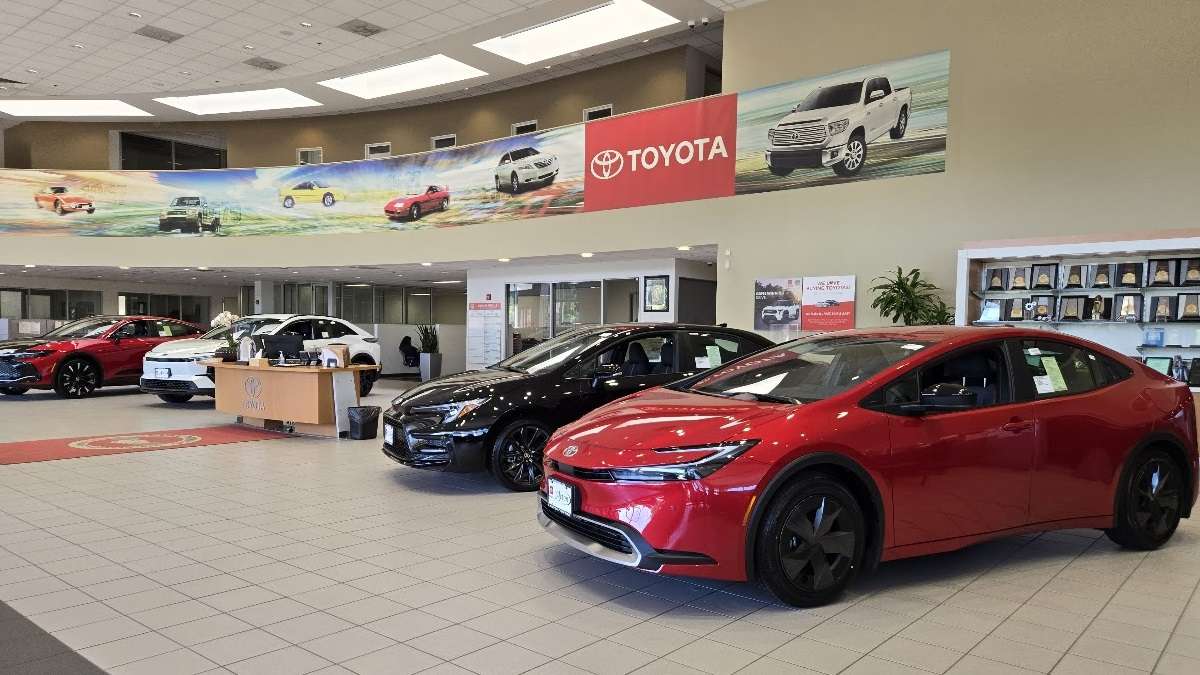

There was a time when all the major automakers tried their best to serve all of the motoring public’s needs. GM had overlapping brands and divisions, often offering not just everything to everyone, but also a variety of luxury levels across many different brands. Ford also offered it all. All you needed to do was pick a brand, and they would have what you needed. Today, the only brand that can legitimately be called a “Full-line automaker” in America is Toyota.
Sedans Disqualify Ford and Chevy From Being Full-Line Automakers
Both Chevy and Ford have quit on sedans. The Taurus, Fusion, Impala, and Malibu tried their best, but could not hold a candle to the Corolla, Camry, and Crown sedans that Toyota offers. We could throw in hatchbacks here as well, unless you count the new Bolt GM has rolled out for a cup of coffee. Only Toyota offers a hot hatch in this trio: the GR Corolla.
Minivans Disqualify Ford and GM
Do you remember the Astro, Relay, Terraza, or Uplander? How about the Freestar? Or the Monterey? You must remember the Transit Connect? All gone and mostly forgotten. Toyota’s top-selling Sienna, meanwhile, just keeps getting better and better. No automaker without a minivan can be a legit full-line automaker.
Sports Cars Disqualify Hyundai, Kia, Honda, and Many Other Brands
A sports car drives the rear wheels and gets bonus points for a stick shift. Mazda and Subaru make sports cars, but Kia, Hyundai, and Honda don’t. They have no comparable model to the GR86 and Supra, though we will say we loved the front wheel drive hybrid Honda Prelude. No sarcasm intended.
No Full-Sized Trucks For Nissan, Honda, Kia, Hyundai, and Many Other Brands
To be a full-line automaker, you must have a full-sized and a smaller-than-full-sized truck. Toyota’s Tacoma and Tundra outsell a lot of brands you would suspect to be good at trucks. Most brands don't even bother with full-sized trucks. Nissan gave up a couple of years back.
Stellantis Comes Close
One company that comes close to being a full line is Stellantis. With its combined brands of Jeep, Chrysler, RAM, and Dodge, it does a pretty good job of pooling its models to build a very respectable portfolio. Dodge has the sports car and the sedan angle covered with its bigger-than-life Challenger. Chrysler makes a minivan. Jeep has a smaller-than-full-sized truck, RAM has a full-size truck. Jeep has a bunch of great SUVs and crossovers in all the right segments. There is no hot hatch in the mix for Stellantis right now. Maybe someday a GLH will return. Still, if we are talking brands, Stellantis is more of a company with individual specialty brands than a comprehensive full-line brand. We’re not knocking this approach. It allows for some great personalities to emerge from the individual entities.
Only Toyota Competes With Everyone
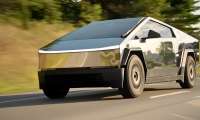
In 2026, only one brand competes in nearly every vehicle segment in America. Toyota has EVs that compete with Tesla, sports cars to compete with all comers, wisely built in partnerships to keep costs manageable, a slew of sedans that are presently doing very well in terms of deliveries, an unmatched hybrid vehicle lineup, and two trucks that do what Toyota wants done very well.
Toyota also has a comprehensive supercar and luxury car line to allow Toyota owners to stay in the family if they want something unusual, like a V8-powered Lexus LC500, and the LC500 convertible nicely scratches the drop-top itch.
Missing from Toyota’s U.S. mix are super-sized cartoonish pickups for construction and hauling, and tradespeople vans. The numbers are relatively small in those commercial segments, and if Toyota wished to, it could play in that sandbox, but has opted to let the legacy brands serve the fleets and commercial buyers. For now.
So, where does that leave the full line crown in 2026? With Toyota, and almost nobody close. Sedans, a hot hatch, sports cars, a minivan that keeps improving, the deepest hybrid bench in the business, EVs aimed squarely at Tesla, two trucks that outsell brands built on trucks, and a Lexus shelf that lets owners stay in the family when they want a V8 grand tourer or a drop top. Stellantis earns honorable mention by pooling Jeep, Ram, Dodge, and Chrysler into something genuinely well-rounded, but that is a holding company of specialists wearing different hats, not one brand doing the whole job. The Detroit giants that once promised everything to everyone have quietly handed entire segments to the import they spent decades trying to bury. Call it disciplined focus or call it a slow retreat. Either way, if you want a single car maker that still shows up in nearly every corner of the American market, there is exactly one, and it isn't the one most people would have bet on twenty years ago.
About the Author:
John Goreham is a 14-year veteran of Torque News. An accomplished writer and a long-time expert in vehicle testing, Goreham also serves as the Vice President of the New England Motor Press Association and has a growing social media presence. He’s also a 10-year staff writer and community moderator for Car Talk. Goreham holds a B.S. in Mechanical Engineering and an undergraduate Certificate in Marketing. In addition to vehicle and tire content, he offers deep dives into market trends and opinion pieces. You can follow John Goreham on X and TikTok, and connect with him on LinkedIn.
Set Torque News as Preferred Source on Google
Follow us today...