
Internal warranty claims data from June 2026 reveals that 74 percent of third-party extended contract denials for the Toyota UA80E eight-speed automatic transmission cite a single structural clause: mechanical neglect due to fluid degradation. While corporate marketing materials prominently tell buyers that the World Standard transmission fluid inside their late-model crossovers never needs to be changed, independent insurance adjusters are weaponizing this exact language to leave drivers stranded with a massive $12,000 replacement bill.
In my first investigative report, Why This 2020 Toyota Highlander Owner Rejects Lifetime Fluids To Change Transmission Oil Every 40,000 Miles, I established how dropping maintenance intervals preserves the physical health of your gearbox. Now, I'm diving into the legal framework of your coverage to reveal the exact steps you must take as a consumer to protect your wallet from corporate fine-print loopholes.
The Legal Trapdoor Inside Your Glovebox
The financial shock hitting secondary-market buyers stems from a clever corporate paradox. Aftermarket contract companies dispatch independent inspectors to teardown failed eight-speed transmissions at local dealerships. If the technician notes dark, thermally broken-down fluid or microscopic clutch shavings, the claim adjuster immediately denies coverage under the strict definitions in the "severe operating conditions" clause.
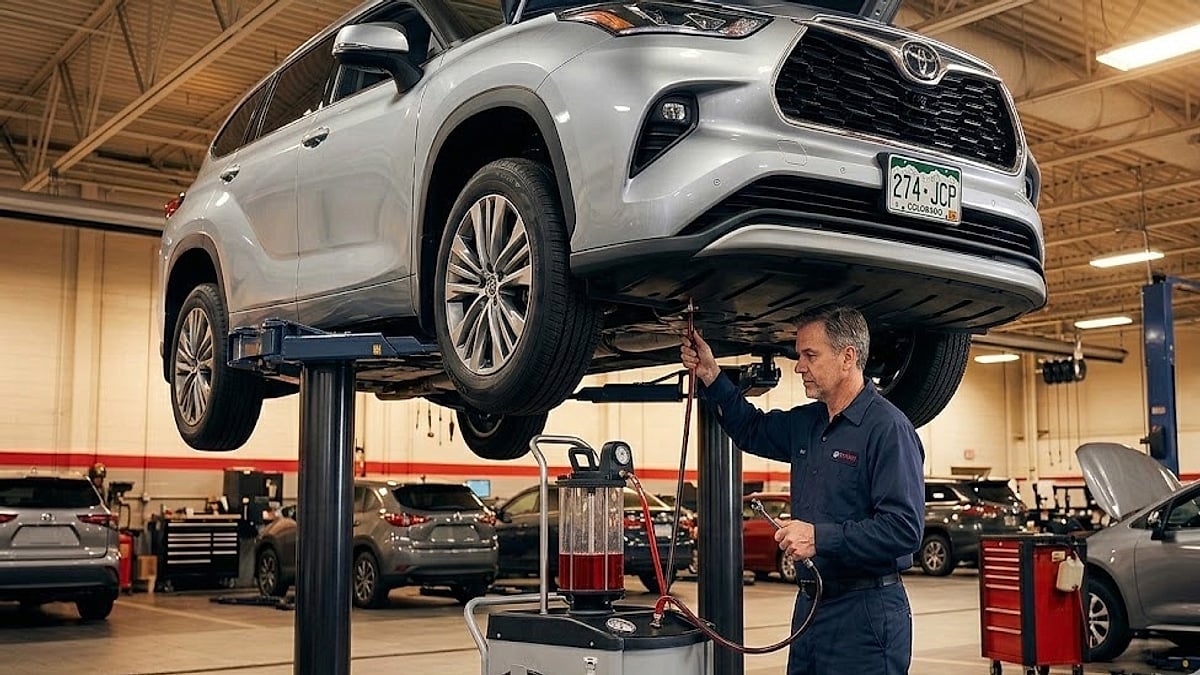
Legal analysts tracking automotive corporate behavior note that while vehicle manufacturers omit regular transmission oil changes from standard maintenance schedules to artificially lower their advertised cost-of-ownership metrics, third-party warranty contracts legally mandate fluid service if a vehicle is driven under severe conditions.
According to comprehensive consumer protection briefings from Consumer Reports' automotive reliability groups, the vast majority of extended warranties contain language that considers short commutes, cold-weather driving, or hilly terrain as severe service. This means if you live in a normal metropolitan area or commute through changing seasons, your contract legally requires you to change that lifetime fluid.
When an internal component, such as a linear solenoid, fails due to normal fluid shearing, the insurer denies the claim, legally classifying the breakdown as a pre-existing condition caused by operational neglect rather than a sudden component defect.
My Take
I have watched this corporate blame-shifting game play out for over 30 years from the perspective of an independent mechanic and auto journalist. It infuriates me because every day drivers are doing exactly what their vehicle manufacturer instructed them to do, only to be financially penalized by an insurance firm later on.
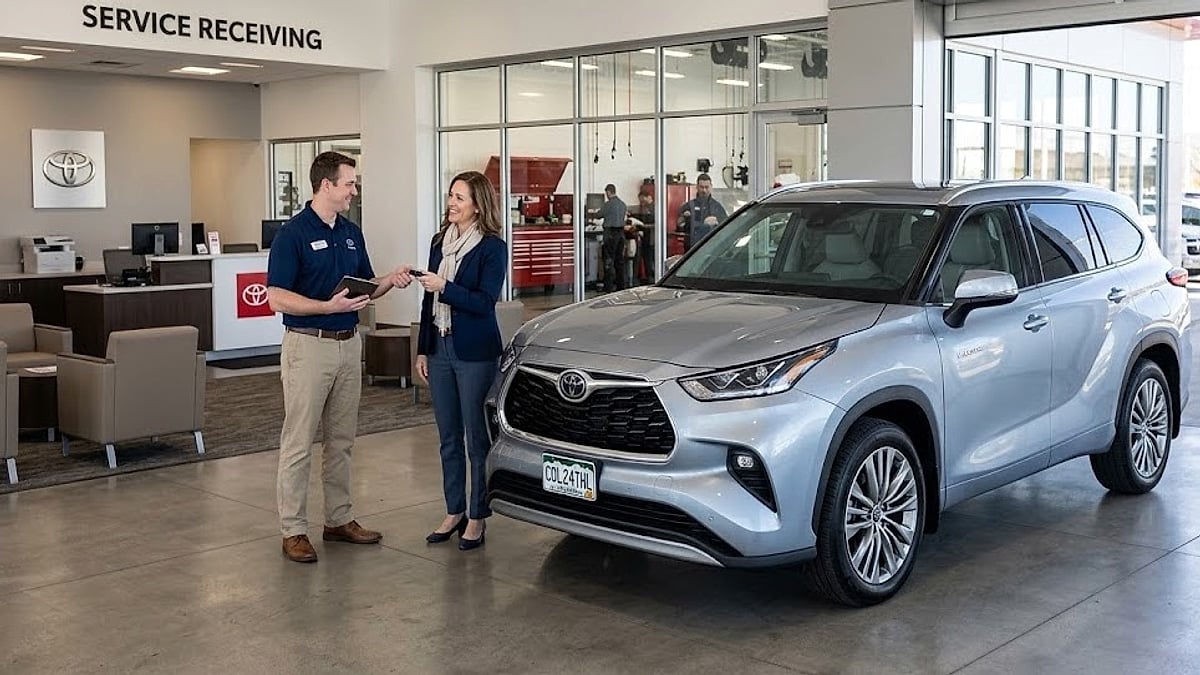
If you walk into a service drive and look at a factory manual, it tells you the system is completely sealed. But if you read the fine print of an aftermarket service contract, it requires you to service the transmission if you use the vehicle in a way that degrades the additive packages.
The situation gets even worse when you factor in modern engine changes, such as the transition from high-displacement engines to downsized turbo units. In my previous tracking of mechanical wear, which you can read here, I detailed how high-stress powertrains increase under-hood thermal levels, which directly cook nearby drivetrain lubricants.
When an engine runs incredibly hot to meet corporate fuel targets, that heat migrates straight down the input shaft into the transmission torque converter. By the time your vehicle reaches 70,000 miles, the oil has lost its ability to prevent metal-on-metal wear, giving an adjuster the perfect excuse to reject your repair order.
High-Altitude Denials on the Front Range
This consumer conflict hits especially hard right here in Colorado, where our daily geographic reality automatically classifies every mile driven as a severe operation. The mountain grades heading up Vail Pass or through the Eisenhower Tunnel force modern eight-speed automatic transmissions to constantly hunt for gears, causing extreme temperature spikes inside the valve body.
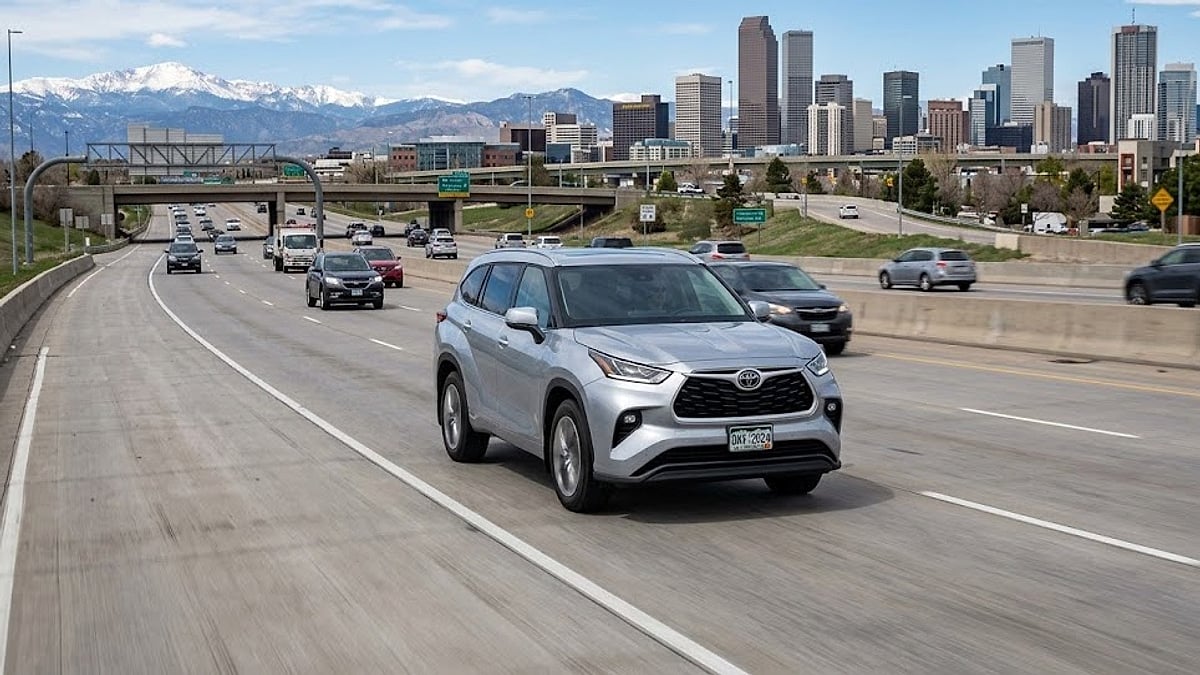
Independent claims adjusters operating out of Denver routinely deny coverage for local owners by pulling regional weather data to prove the vehicle was regularly operated in sub-zero alpine conditions without enhanced fluid maintenance. If you are climbing mountain passes regularly, your lifetime fluid is undergoing significant mechanical degradation, and your warranty company knows it.
Action Plan to Shield Your Wallet
To ensure an insurance company never denies your powertrain claim, you must build a bulletproof paper trail that strips them of their legal defense. Follow these precise consumer advocacy steps immediately if you own a vehicle approaching middle age.
Step 1: Force the Dealer to Document a Service Refusal
If you take your vehicle to a dealership for a proactive 40,000-mile transmission drain-and-fill and the service advisor turns you away because the unit is sealed, do not simply drive home. Demand that the advisor types the exact phrase, "Customer requested preventative transmission fluid replacement; dealer declined service due to factory lifetime component guidelines," directly into your permanent digital service record.
This official invoice acts as your legal shield, proving to a third-party warranty inspector that you made a good-faith effort to maintain the fluid but were denied by factory technicians.
Step 2: Swap to an Exclusionary Policy
Never buy a low-tier powertrain contract that lists only a small handful of covered parts. Instead, transition to an exclusionary contract that explicitly states that every single mechanical component is fully covered unless it is specifically listed on the exclusion page.
Industry legal groups specializing in automotive repair tracking, such as The Auto Catch advocacy networks, emphasize that exclusionary coverage forces the insurance firm to prove that a component was deliberately abused, rather than allowing it to rely on broad, vague definitions of wear and tear to avoid paying out.
Step 3: Utilize Independent Fluid Analysis
When you finally perform a transmission drain-and-fill, have your mechanic draw a small two-ounce sample of the old fluid and ship it to an independent testing lab. A certified laboratory analysis showing healthy levels of suspended metals proves that the transmission was not operating in a state of long-term mechanical neglect.
If your gearbox suffers a sudden mechanical failure 10,000 miles later, this third-party chemical certification gives you irrefutable evidence to defeat any adjuster who claims the failure was a slow, pre-existing condition.
Key Takeaways
- Review the exact definitions of severe driving habits inside your aftermarket contract to see if your daily commute mandates regular fluid changes.
- Secure a written service refusal statement from your local dealership if they decline to perform a preventative transmission fluid replacement.
- Transition exclusively to high-grade exclusionary service contracts to prevent adjusters from using minor component wear as a broad claim rejection loophole.
- Archive certified oil and fluid laboratory reports to serve as independent chemical proof that your internal gear sets were properly cared for.
The Next Question
What legal steps can a vehicle owner take if an aftermarket warranty company completely refuses to pay for a legitimate transmission replacement? If an adjuster denies your claim based on arbitrary fluid assessments, your immediate next step is to file a formal complaint with your state's Insurance Commissioner and request an expedited external review.
Winning the Consumer Protection Fight
Understanding the hidden legal details in your service contract is just as critical as getting regular oil changes at the workshop. Taking control of your maintenance records ensures you retain absolute financial control in the event of a major mechanical breakdown.
Tell Us What You Think: Have you ever had a vehicle repair claim denied by an extended warranty company due to a maintenance loophole? Leave a comment in the red Add new comment link below and share your tips for beating the insurance adjusters.
Come back tomorrow… or check my Torque News Home Page for more of my informative Toyota Highlander automotive news articles.
About The Author
Denis Flierl is a 14-year Senior Reporter at Torque News and a member of the Rocky Mountain Automotive Press (RMAP) with 30+ years of industry experience. Explore his full investigative reporting archives and technical guides at DenisFlierl.com. Based in Parker, Colorado, Denis leverages the Rockies' high-altitude terrain as a rigorous testing ground to provide "boots-on-the-ground" analysis for readers across the Rocky Mountain region, California EV corridors, the Northeast, Texas truck markets, and Midwest agricultural zones. A former professional test driver and consultant for Ford, GM, Ram, Toyota, and Tesla, he delivers data-backed insights on reliability and market shifts. Denis cuts through the noise to provide national audiences with the real-world reporting today’s landscape demands. Connect with Denis: Find him on LinkedIn, X @DenisFlierl, @WorldsCoolestRides, Facebook, and Instagram.
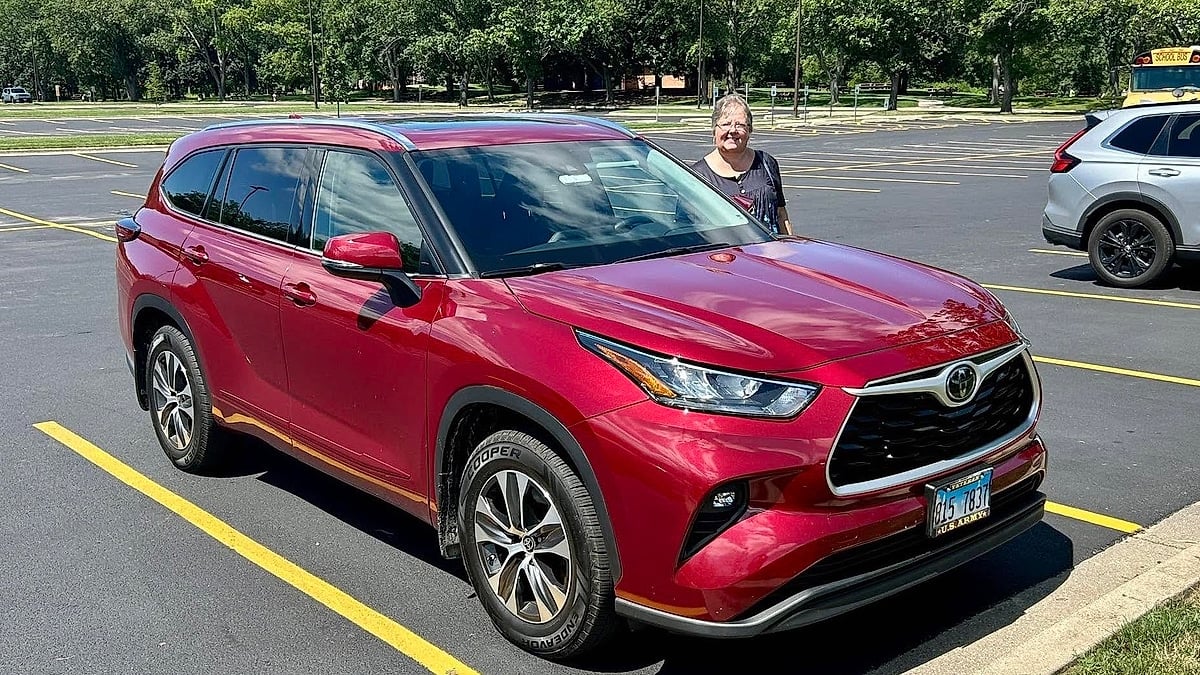
Photo credit: Denis Flierl via John Bratcher
Set Torque News as Preferred Source on Google
Follow us today...