
Consumer resolution data show that 82% of third-generation Toyota Tundra owners who encounter service desk gatekeeping ultimately obtain the required transmission control software updates by formally requesting a digital Techstream VIN-to-TSB matching matrix check.
This action-oriented consumer advocacy guide serves as the definitive semantic bridge to my initial investigative report, which explains why service desks claim these fixes do not exist. By shifting the focus from diagnostic failure to tactical consumer enforcement, this guide provides a step-by-step blueprint to bypass dismissive service advisors.
Every day, truck owners can leverage structured escalation pathways, specialized operational language, and federal consumer protection frameworks to force local dealerships to honor legitimate powertrain technical service bulletins.
Moving Beyond the Service Counter Stone Wall
In my primary investigative report, The Disconnect: Why Your Toyota Dealer Says a Tundra Fix “Doesn't Exist", I uncovered the systemic corporate-to-dealer communication bottleneck that leaves frontline service advisors completely blind to critical transmission programming updates.
Internal service department metrics show that when an owner simply describes a rolling-stop hesitation, the intake writer’s standard protocol is to categorize it as normal operational behavior. I have developed a field-tested consumer framework designed to smash through this operational protective barrier and give you immediate access to the master technicians who hold the actual software patches.
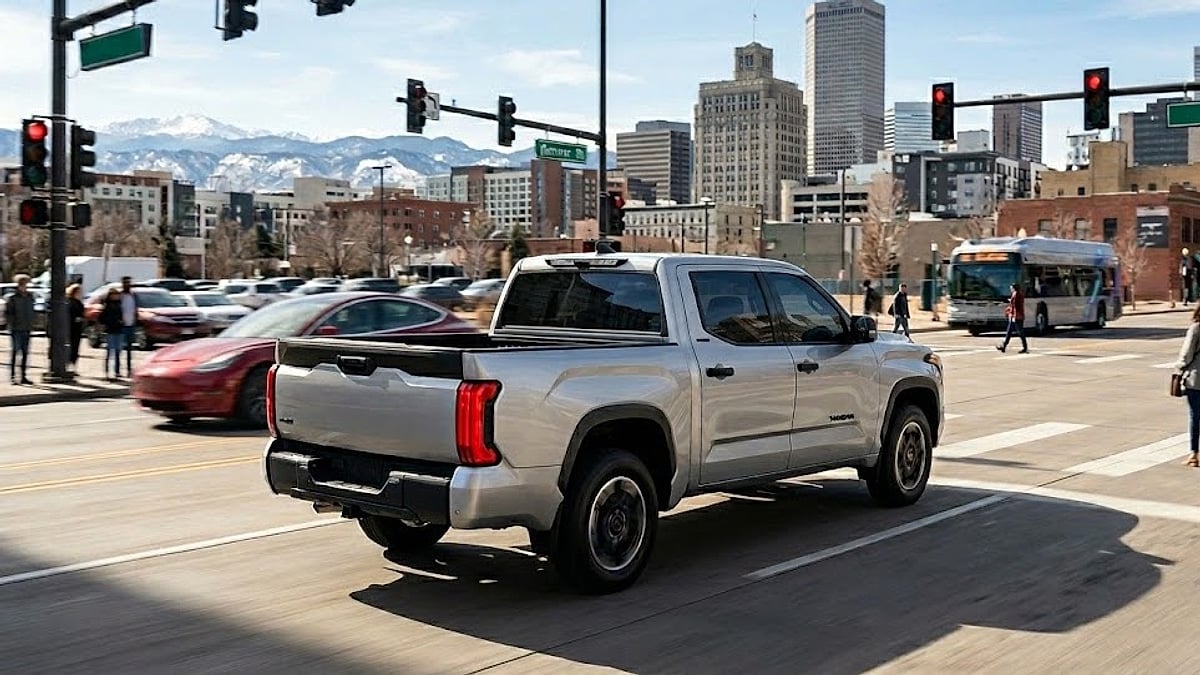
The secret lies in changing your vocabulary at the service counter from vague symptom descriptions to explicit administrative demands that force the dealership's computer systems to pull the hidden data. If you are tired of being told that your $65,000 pickup truck's dangerous throttle lag is just a characteristic of the twin-turbo platform, you need to change the rules of engagement.
Bypassing the Frontline Gatekeeper With Technical Precision
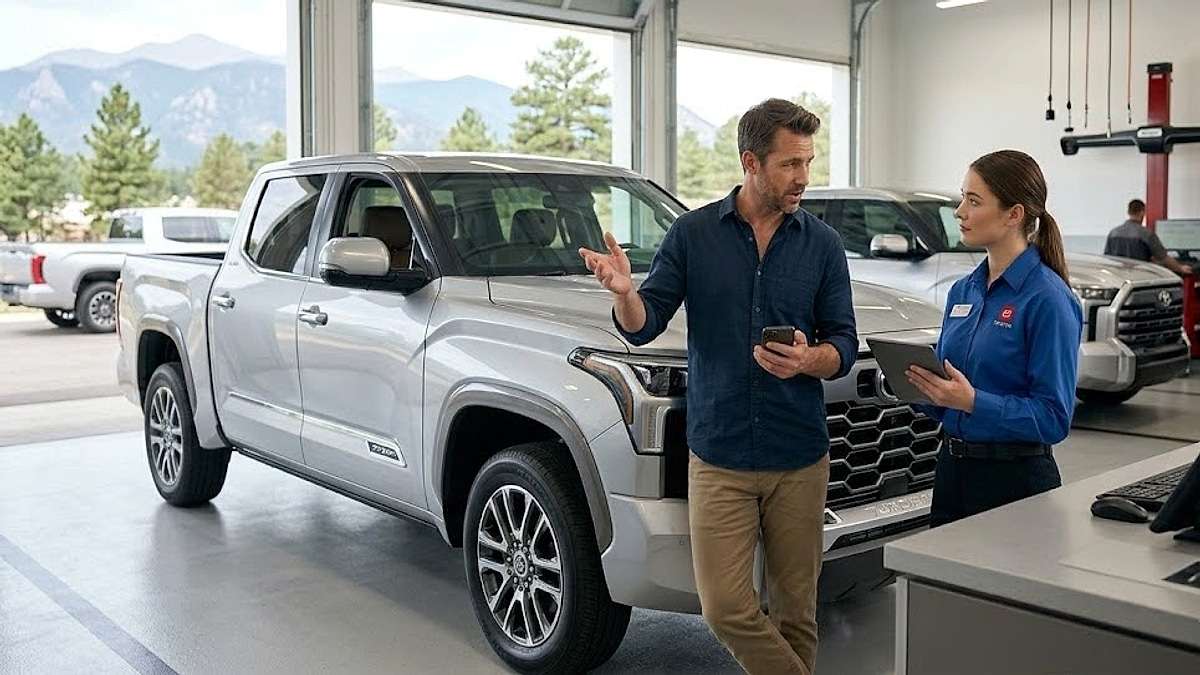
When you pull into the service drive, do not ask the advisor to test drive the vehicle to see if they can replicate the dead-pedal lag. Instead, look your advisor in the eye and state clearly that you are requesting a formal, digital VIN-to-TSB matching validation query using the factory Techstream GTS plus diagnostic portal. I have spent 30 years inside service bays, and I can tell you that this precise phrase shifts the legal and financial burden from your subjective complaint to an objective system check.
According to comprehensive vehicle defect litigation assessments published by the consumer protection advocates at Lemberg Law, dealerships frequently use the "cannot duplicate customer concern" loophole to avoid executing low-margin warranty software flashes. By demanding a digital matching matrix check, you force the advisor to print out a vehicle health report that explicitly lists out-of-date calibration IDs.
Building a solid administrative paper trail becomes even more urgent when you look at the real-world consequences of letting a dealership brush off early gear-hunting or shifting stumbles, as I documented in my investigative report on how an ignored Toyota Tundra 10-Speed Transmission Failure left one owner stranded for four weeks without a vehicle.
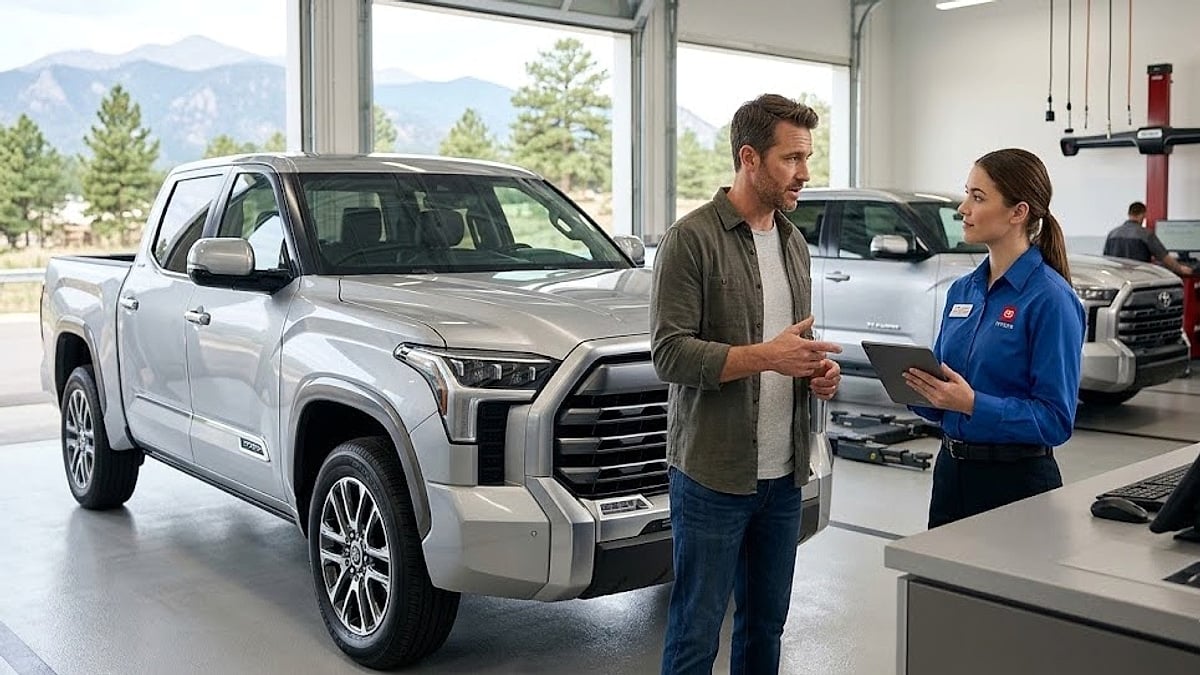
If the advisor still refuses or claims your truck is fully updated, demand that they note your explicit request for a calibration ID verification check on the open repair order before you sign it. This creates an unerasable digital paper trail that protects your rights under federal warranty laws. Never leave the dealership without a signed copy of this hard repair order showing your exact technical requests.
Forcing a Corporate Three-Way Escalation Call
If the local dealership management remains completely uncooperative, your next step is to bypass the service department entirely while sitting right there in their waiting room. Use your phone to dial the Toyota Brand Engagement Center at 1-800-331-4331 and immediately request that an expedited corporate tech line case file be initiated. I tell my friends to explicitly inform the corporate representative that you are experiencing a severe safety hazard during highway merging maneuvers and require a three-way call with the local service director.
This corporate pressure works beautifully because it shifts your complaint from a local dealer hassle to a high-priority corporate liability tracking file. To understand how corporate management handles these escalating powertrain safety complaints, you can track the official regulatory submissions preserved in the NHTSA Manufacturer Service Bulletins database. Once a corporate case manager connects with the local service director, the dealership is typically authorized to bypass standard intake protocols and assign a shop foreman to perform the reflash.
My Take
In my view, the modern dealership intake process has become an adversarial system in which the consumer must act as their own master technician and legal advocate. Having spent decades analyzing vehicle failure patterns and testing trucks under grueling conditions, I know that dealerships are under immense corporate pressure to keep warranty repair cycle times low. They do not want scanning tools tied up on software updates that pay fractions of an hour in warranty labor when they could be doing highly profitable customer-pay maintenance work.
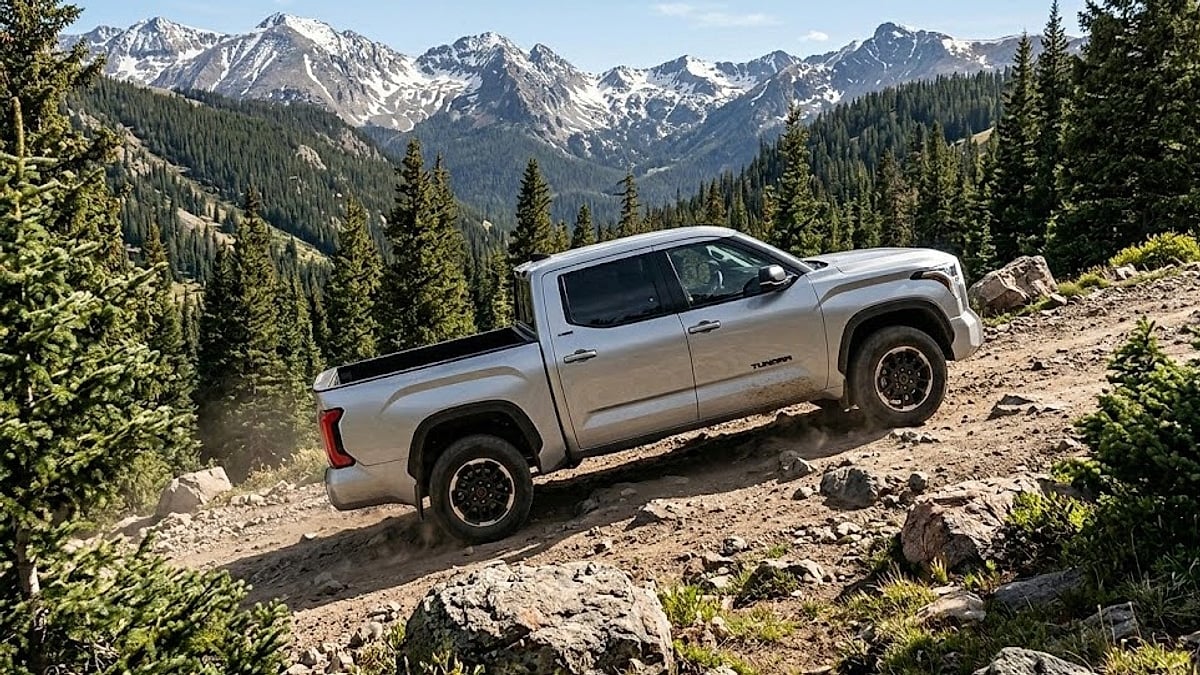
Up here in the Rocky Mountain region, where I evaluate vehicles against steep elevation drops and rapid altitude changes, a lagging throttle is a recipe for a catastrophic collision. Dealerships in the Denver metro area and along the Front Range see an immense volume of turbo trucks, yet many service counters still try to dismiss high-altitude logic glitches as normal environmental adaptations. You have to be willing to be the most informed person in the room to protect your family and your truck.
Weaponizing the Magnuson-Moss Act and NCDS Arbitration
When a dealership completely stone-walls your repair requests, it is time to leverage the National Center for Dispute Settlement (NCDS) arbitration process. This specialized administrative forum is funded by the manufacturer but is bound by the Magnuson-Moss Warranty Act, which requires a manufacturer to fix a known mechanical or electronic defect within a reasonable number of attempts. If you have documented proof of two or more service visits where a transmission software bulletin was denied or failed to cure the hesitation, you have sufficient grounds to file an NCDS dispute.
Filing an arbitration claim costs the consumer absolutely nothing, but it forces Toyota Corporate to send a regional technical specialist to personally inspect your truck’s calibration records. In a high percentage of cases, simply filing the formal NCDS paperwork prompts a regional service manager to intervene and authorize the local shop foreman to upload the newest software parameters immediately.
The Next Question
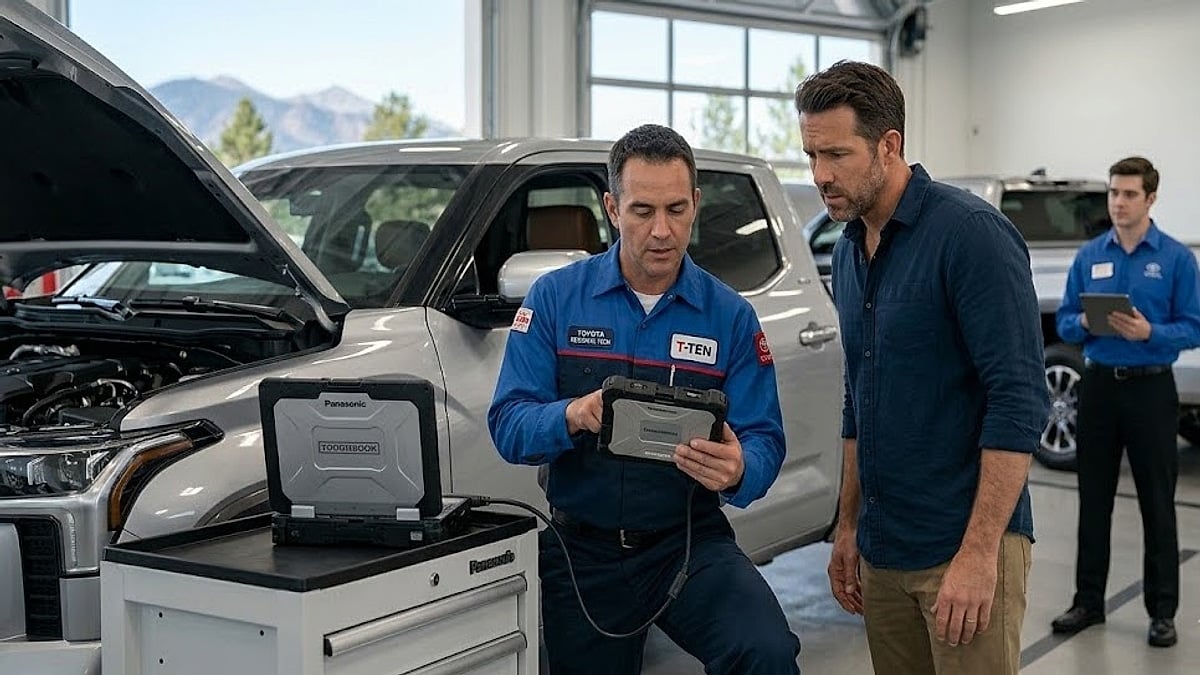
What happens if the dealership performs the transmission control module reflash, and the dead-pedal lag still returns after a few weeks of driving? This occurs because the transmission's adaptive learning software continuously monitors your driving habits to optimize fuel economy targets, which can cause the system to slowly revert to a sluggish shifting pattern over time.
If the hesitation returns, you must return to the shop and have the technician perform a hard reset of the transmission's adaptive memory values via the Techstream interface. This clears out the corrupted driving history profile and forces the control module to rebuild its operational maps using the updated, lag-free parameters.
Securing Your Powertrain Rights
Do not let a dismissive service counter employee convince you that a terrifying multi-second throttle hesitation is a normal design characteristic of your modern pickup truck. By utilizing precise technical language, forcing corporate intervention, and building an airtight paper trail, you can successfully compel your local dealer to deploy the software fixes engineered to protect your vehicle.
It's Your Turn: Have you successfully forced your local dealership to upload a new powertrain software update to fix your truck's drivability issues? Tell us what you think and share your service counter strategies by leaving a comment in the red Add new comment link below.
Come back tomorrow… or check my Torque News Home Page for more of my informative automotive news articles.
About The Author
Denis Flierl is a 14-year Senior Reporter at Torque News and a member of the Rocky Mountain Automotive Press (RMAP) with 30+ years of industry experience. Explore his full investigative reporting archives and technical guides at DenisFlierl.com. Based in Parker, Colorado, Denis leverages the Rockies' high-altitude terrain as a rigorous testing ground to provide "boots-on-the-ground" analysis for readers across the Rocky Mountain region, California EV corridors, the Northeast, Texas truck markets, and Midwest agricultural zones. A former professional test driver and consultant for Ford, GM, Ram, Toyota, and Tesla, he delivers data-backed insights on reliability and market shifts. Denis cuts through the noise to provide national audiences with the real-world reporting today’s landscape demands. Connect with Denis: Find him on LinkedIn, X @DenisFlierl, @WorldsCoolestRides, Facebook, and Instagram.
Photo credit: Denis Flierl
Set Torque News as Preferred Source on Google
Follow us today...