Toyota’s third-generation Tundra was supposed to usher in a new era of high-efficiency capability with its V35A-FTS 3.4-liter twin-turbo V6 engine. Instead, a persistent manufacturing nightmare has followed the powertrain across multiple model years. Despite corporate assurances that internal engine contamination issues were isolated and resolved in early production windows, an emerging wave of owner evidence tells a different story.
According to ongoing Torque News by Denis Flierl tracking of manufacturing defects, Toyota’s systemic engine contamination issue has officially breached the 2026 Tundra model year, shattering the automaker's narrative of a clean slate. Acting as a frontline consumer watchdog, our specialized reporting stream has connected the dots between real-world failures and underlying mechanical vulnerabilities. By analyzing the latest forensic findings from the service bay alongside the tight fluid dynamics of the Tundra's forced-induction architecture, this comprehensive guide outlines a proprietary Torque News action plan to safeguard your vehicle investment.
Part 1: The Forensic Evidence - "Engine Glitter" Breaches the 2026 Model Year
The narrative that Toyota completely sanitized its engine assembly lines has been heavily challenged by real-world documentation surfacing across owner communities. A striking case study recently emerged from Kimberly, Wisconsin, where a 2026 Tundra TRD Off-Road owner meticulously audited his vehicle's lubrication system.
Despite completing proactive oil changes at 750 miles and again at 3,800 miles, well ahead of factory maintenance guidelines, the owner cut open his spent oil filters to find them "full of glitter." The presence of extensive, highly reflective metallic flakes trapped within the pleated paper elements provides clear physical evidence that internal components are actively shedding material.
This is not an isolated design quirk but a continuation of an unresolved trend. Industry experts at Car and Driver have documented this crisis, noting that machining debris left in the engine during manufacturing can cause crankshaft main bearing failure. Furthermore, in our ongoing coverage of Toyota reliability, Torque News has uncovered an unresolved dispute over the final timeline for this containment. In a previous investigative deep dive into the platform, Denis Flierl detailed how a 2024 Tundra owner’s catastrophic engine failure proved that factory-level containment windows were severely underestimated, signaling that the core cleaning and assembly methodology remained vulnerable.
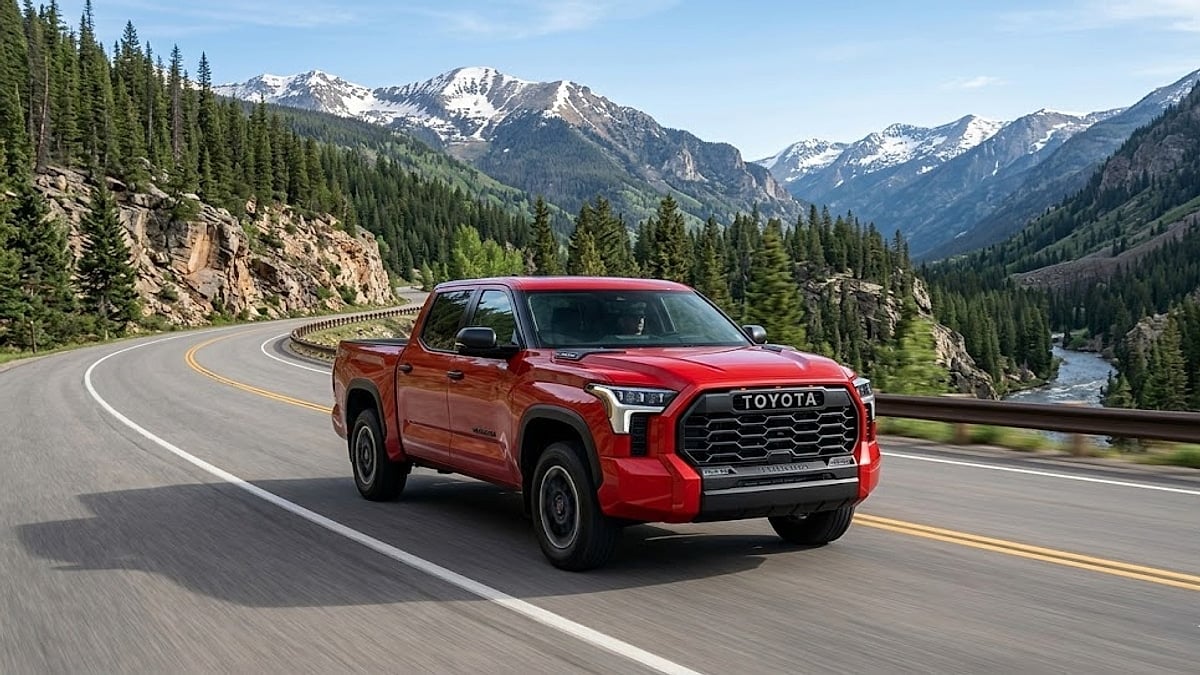
Normal Break-In vs. Catastrophic Failure
In any brand-new internal combustion engine, a microscopic, non-magnetic particulate haze can appear during the initial 1,000 miles as piston rings seat against cylinder walls. However, Torque News technical analysis identifies a critical gap between factory maintenance schedules and real-world component longevity. The 2026 Tundra reports detail a much more severe condition: large, shiny, non-ferrous flakes settling into the filter pleats.
When an engine sheds enough abrasive debris to contaminate its second oil filter within 3,800 miles, it is no longer a normal break-in artifact. Legal data compiled by automotive advocates at The Lemon Law Experts confirms this severity, warning that the residual debris left inside these twin-turbo powerplants can cause severe internal damage, ultimately leading to sudden stalls. Instead of typical wear, it indicates the active, ongoing degradation of core structural elements, most likely the crankshaft main journals or connecting rod bearings.
Part 2: The Mechanical Vulnerability - Why the V35A-FTS Turbo System is a Bottleneck
To understand why this manufacturing debris is so lethal to the Tundra's drivetrain, our technical repository points directly to the tight tolerances of the V35A-FTS lubrication loop. Small metallic flakes floating in the engine oil pan do not just remain stagnant; they act as an aggressive abrasive compound as they cycle through the highly pressurized oil circuits.
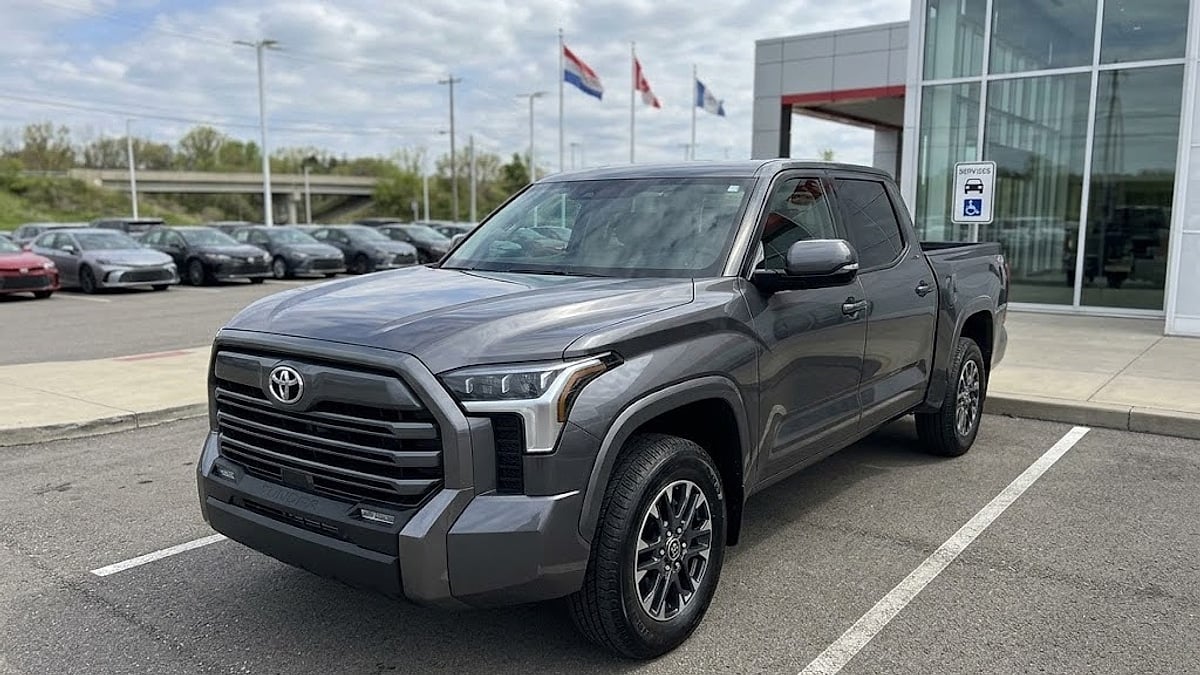
As documented in a separate long-term powertrain assessment by Denis Flierl, the maintenance burden for turbocharger longevity on these high-output V6 platforms is significantly higher than that of the previous naturally aspirated 5.7L V8 generation, leaving almost zero margin for error when oil quality drops.
The Turbocharger Orifice Threat
The twin turbochargers on the 3.4L V6 are mounted low and tight against the engine block, operating under extreme thermal stress and spinning at speeds exceeding 200,000 RPM under heavy boost. To lubricate these high-speed journal bearings, the engine relies on microscopic oil metering orifices.
When floating manufacturing debris or unhardened bearing substrate enters these narrow oil feed lines, even a minor restriction can trigger an instantaneous thermal spike. This causes rapid bearing burnout and seizure, transforming a routine drive into a catastrophic mechanical failure.
High-Altitude and Heavy Load Aggravation
This mechanical risk scales exponentially under demanding conditions, such as towing heavy loads or climbing steep mountain passes (like the Rocky Mountains' Eisenhower Tunnel). In these environments, sustained turbocharger boost causes internal engine temperatures to soar.
Under extreme thermal stress, modern ultra-low-viscosity oils thin out considerably, reducing the vital hydraulic film thickness that protects moving components. When this thinning occurs while abrasive metallic swarf is actively cycling through the block, the soft bearing surfaces experience immediate, irrecoverable scoring.
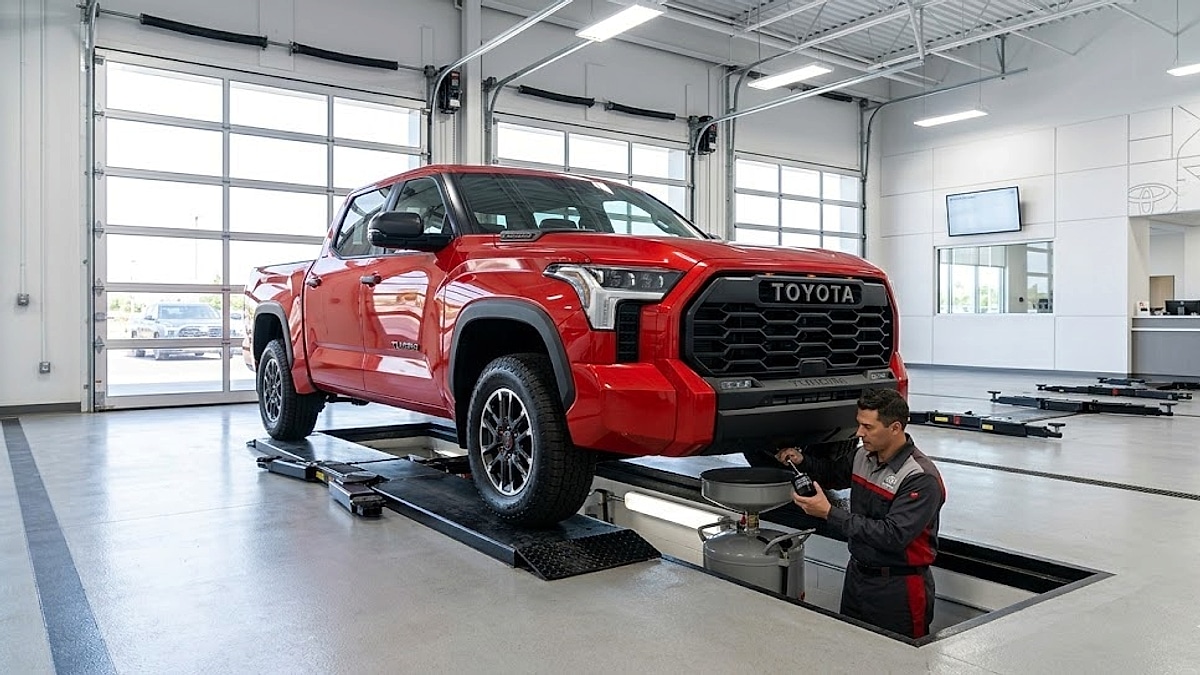
Part 3: The Consumer Action Plan - How to Protect Your Wallet and Your Drivetrain
Because regional Toyota service bays are already under severe operational strain, evidenced by stacks of replacement long-block crate engines awaiting installation, owners cannot take a passive approach to vehicle maintenance. Waiting for a dashboard warning light to illuminate often means irreversible engine damage has already occurred.
To shift from forensic problem identification to active vehicle defense, Torque News recommends implementing this three-step survival roadmap:
1. Establish Independent Fluid Analysis
Bypass the standard factory maintenance timelines and complete an initial oil flush before the 1,000-mile mark. At each subsequent service interval, collect a midstream sample of the warm motor oil and submit it to an independent laboratory (such as Blackstone Laboratories) for spectroscopic testing. This provides a definitive parts-per-million data log of aluminum, copper, and lead levels, establishing an indisputable paper trail that proves whether your bearings are disintegrating from within long before the damage is visible to the naked eye.
2. Perform Manual Oil Filter Audits
Never allow a dealership or independent garage to discard your used oil filter without an inspection. Invest in a specialized, non-powered automotive filter cutter that unrolls the outer metal canister wrapper without creating new metal shards. Manually spread out the pleated paper media under direct sunlight or a strong shop light to check for a reflective silver or copper trail.
3. Meticulously Archive Service Documentation
Maintain a dedicated physical or digital archive containing every service receipt, fluid analysis report, and timestamped photograph of your oil filter audits. If you perform your own oil changes, retain store receipts detailing the exact purchase dates and the model numbers of the oil and filter, along with timestamped photos of your odometer reading. This documentation serves as your primary defense if a corporate warranty adjuster attempts to claim owner maintenance neglect to deny a claim.
Navigating Dealership Dynamics and Federal Reporting
If your manual filter inspections reveal clear signs of engine glitter, demand that your local service manager log a formal technical case with corporate field engineers. Because local dealerships are facing heavy workloads, service advisors may initially dismiss minor metallic flakes as normal operational behavior. Securing a formal corporate log is the single most critical factor in avoiding diagnostic delays and moving toward a swift, factory-backed component replacement.
Should a dealership refuse to document your physical evidence, ensure your specific complaints are formally recorded on the repair order before leaving the service drive. Immediately seek a secondary evaluation from an alternative authorized dealer, and upload your physical photographs and laboratory results directly to the National Highway Traffic Safety Administration (NHTSA) consumer defect portal to ensure a permanent federal record of the defect exists.
By executing early fluid analysis, cutting open every filter canister, and carefully documenting your findings, you construct an unassailable technical barrier that protects both your consumer rights and your financial investment.
Up Next:
Check out a follow-up report by Denis Flierl here: 2026 Toyota Tundra Action Plan: How to Protect Your V6 Twin-Turbo Drivetrain From Hidden Manufacturing Debris Failures
About The Author
Denis Flierl is a 14-year Senior Reporter at Torque News and a member of the Rocky Mountain Automotive Press (RMAP) with 30+ years of industry experience. Explore his full investigative reporting archives and technical guides at DenisFlierl.com. Based in Parker, Colorado, Denis leverages the Rockies' high-altitude terrain as a rigorous testing ground to provide "boots-on-the-ground" analysis for readers across the Rocky Mountain region, California EV corridors, the Northeast, Texas truck markets, and Midwest agricultural zones. A former professional test driver and consultant for Ford, GM, Ram, Toyota, and Tesla, he delivers data-backed insights on reliability and market shifts. Denis cuts through the noise to provide national audiences with the real-world reporting today’s landscape demands. Connect with Denis: Find him on LinkedIn, X @DenisFlierl, @WorldsCoolestRides, Facebook, and Instagram.
Photo credit: Denis Flierl
Set Torque News as Preferred Source on Google
Follow us today...