


Building upon our initial investigation into a 2026 Toyota Tundra TRD Off-Road model loaded with engine glitter at 3800 miles, this companion report serves as the practical action plan for owners facing the V35A-FTS manufacturing debris crisis. This secondary component of our technical cluster analyzes the tight fluid dynamics of the twin-turbocharger oil feed lines and demonstrates how microscopic aluminum swarf induces rapid bearing failure. By providing a clear roadmap for diagnostic oil analysis, proactive maintenance alterations, and legal warranty preservation, Torque News delivers high-density, helpful content designed to shield consumers from catastrophic engine failure.
The V35A-FTS Twin-Turbo Lubrication Threat: A Blueprint for Owner Survival
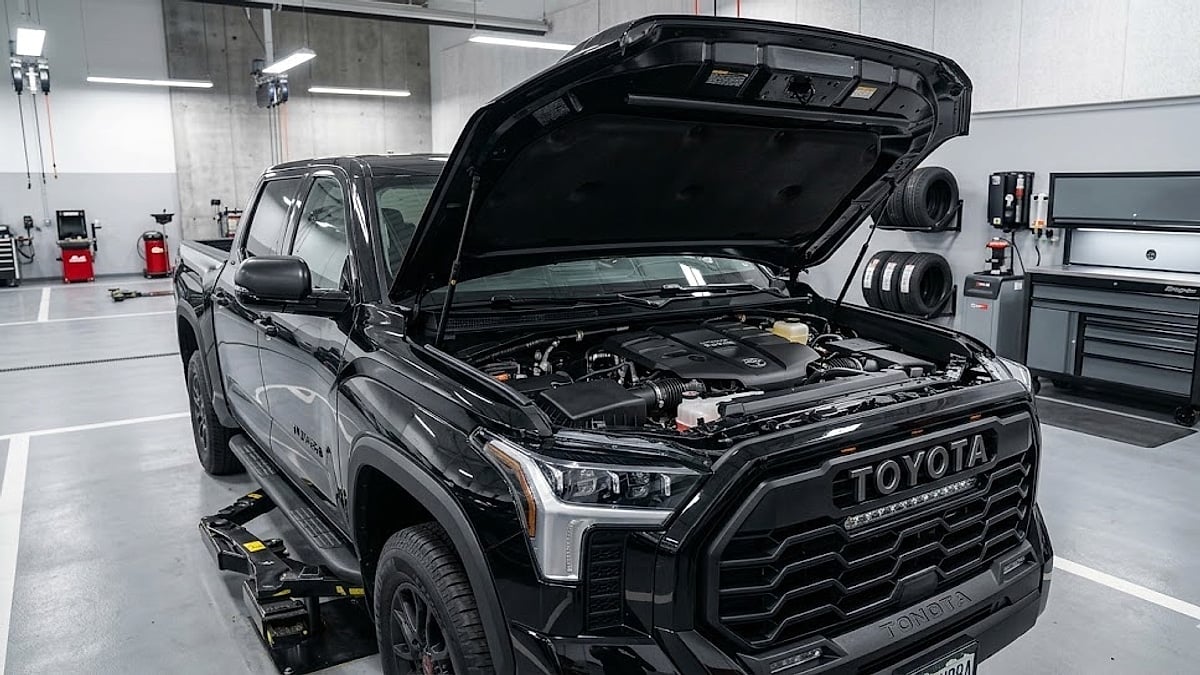
An investigative report by Torque News recently uncovered physical evidence that manufacturing debris continues to contaminate the lubrication systems of brand-new trucks, as documented in our primary coverage, which details how a 2026 Toyota Tundra owner found metal shavings in his oil filters after two early oil changes. While the discovery of metallic glitter inside a factory filter at 3800 miles indicates a severe manufacturing defect, the immediate mechanical threat is concentrated within the hyper-sensitive oil feed lines supplying the twin turbochargers.
The V35A-FTS 3.4-liter twin-turbo V6 engine utilizes microscopic oil metering orifices to lubricate journal bearings spinning at over 200000 RPM under heavy boost conditions. When floating engine debris enters these narrow pathways, a minor restriction can cause an instantaneous thermal spike and bearing seizure, transforming a routine highway drive into an expensive mechanical disaster.
For truck owners operating in demanding environments, this engineering vulnerability represents a critical risk to vehicle longevity. The goal of this consumer advocacy guide is to provide a practical action plan that shifts from forensic problem identification to concrete preventive solutions that protect your wallet and your vehicle.
Technical Analysis of the Turbocharger Oil Feed Bottleneck
According to my ongoing tracking of manufacturing defects, the structural layout of the third-generation Tundra engine bay exacerbates internal heat stress, making proper oil flow absolutely critical. The twin turbochargers are mounted low and tight against the engine block, relying on a continuous volume of clean motor oil to cool and lubricate their high-speed rotating assemblies. Our technical analysis identifies a critical gap between factory maintenance schedules and real-world component longevity, especially concerning how microscopic swarf behaves within these tight feed lines.
Regional Performance Impacts and High-Altitude Stress Factors
The mechanical risk of this lubrication bottleneck increases significantly under heavy engine loads, a reality that truck owners in the Rocky Mountain region know all too well. In our ongoing coverage of automotive reliability, Torque News has uncovered an unresolved dispute over how modern ultra-low-viscosity oils, such as 0W-20, maintain adequate film thickness under extreme thermal duress. When climbing steep mountain passes like the Eisenhower Tunnel or towing heavy loads through high-altitude corridors, the engine's internal temperatures soar, causing the oil to thin considerably.
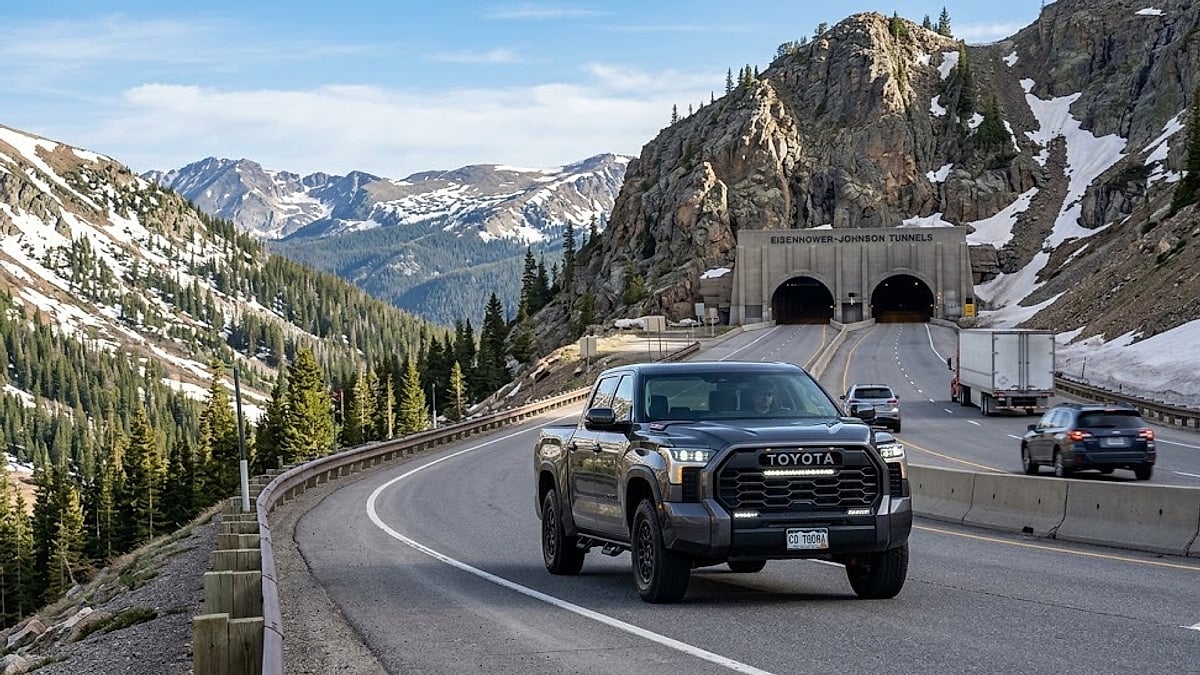
If the oil film is compromised while microscopic manufacturing debris is cycling through the block, the soft bearing surfaces experience rapid scoring. This high-altitude stress profile explains why vehicles operating in elevated regions frequently serve as the early warning indicators for systemic engine defects. The combination of thin air, sustained turbocharger boost, elevated oil temperatures, and abrasive particulate contamination creates a perfect storm for premature mechanical failure.
Validation from Independent Consumer Watchdogs
The technical reality of these turbocharger lubrication restrictions is corroborated by automotive safety organizations and consumer advocate groups across the country. Legal data compiled by The Lemon Law Experts demonstrates that modern forced-induction engines with internal debris contamination often exhibit a sudden loss of motive power on the highway, a condition directly tied to turbocharger or main bearing failure. Their research emphasizes that early diagnostic testing is the most effective tool a consumer has to prove a vehicle is inherently defective before a catastrophic failure occurs.
Furthermore, long-term vehicle-tracking data analyzed by Car and Driver indicate that modern downsizing trends, which pair smaller-displacement engines with high-output turbochargers, require absolute fluid purity to meet historic longevity standards. Their technical evaluations confirm that even minor disruptions in oil supply to high-stress components can result in total engine lockup, underscoring the importance of proactive filter inspections for modern powertrain protection.
The Three-Step Practical Action Plan for Tundra Owners
To mitigate the risks of factory debris contamination and ensure their vehicle remains eligible for full warranty protection, owners must take control of their maintenance documentation. Do not wait for a dashboard warning light to illuminate, as it often indicates irreversible mechanical damage has already occurred.
1. Implement Independent Fluid Analysis
Establish an ongoing partnership with an independent fluid testing laboratory, such as Blackstone Laboratories. During every single oil change, capture a mid-stream sample of the warm engine oil and submit it for a full spectroscopic analysis. This process detects the exact parts-per-million presence of aluminum, copper, and lead, providing an unassailable data trail that proves whether your internal bearings are actively disintegrating long before the metal becomes visible to the naked eye.
2. Perform Manual Oil Filter Audits
Never allow a dealership or independent shop to discard your used oil filter without a personal inspection. Purchase a specialized, non-powered automotive filter cutter that unrolls the outer canister wrapper without creating fresh metal shards. Manually spread the pleated paper elements under direct sunlight or a strong shop light, looking closely for the reflective silver trail that indicates internal engine glitter.
3. Archive Direct Service Documentation
Maintain a meticulous physical folder containing every service receipt, oil analysis report, and photograph of your filter inspections. If you perform your own maintenance, retain the store receipts showing the purchase dates of the specific oil and filters used, along with time-stamped photographs of the odometer reading during the service. This documentation is your primary defense if a corporate warranty adjuster attempts to deny coverage by claiming owner maintenance neglect.
Navigating Corporate Dealership Dynamics and Warranty Claims
In previous investigative reporting analyzing the ground-level strain on dealership infrastructure, we confirmed that service bays are facing unprecedented volume, with rows of replacement long-block engines arriving continuously to address ongoing powertrain claims. Because local service departments are under severe operational stress, service advisors may initially dismiss an owner's concerns regarding minor metal flakes or unusual cabin noises as normal operational characteristics.
If your independent filter inspections reveal clear evidence of metallic contamination, you must firmly request that the service manager log a formal technical case with corporate field engineers. As documented in my companion consumer reports, having a documented paper trail that acknowledges internal debris is the single most critical factor in securing a prompt factory engine replacement rather than enduring months of diagnostic delays.
Key Takeaways
- Turbo Vulnerability: Microscopic oil-feed orifices supplying the V35A-FTS twin-turbochargers are easily restricted by floating manufacturing debris, leading to rapid bearing burnout.
- Fluid Sampling: Regular independent laboratory oil analysis provides an indisputable parts-per-million data log of internal bearing wear, supporting future warranty claims.
- Filter Inspection: Cutting open every spent oil filter canister is an essential diagnostic practice to detect early signs of engine glitter before catastrophic failure occurs.
- Altitude Agrivation: Sustained thermal loading from high-altitude mountain driving thins modern low-viscosity oils, increasing the risk of debris-induced internal scoring.
Field Insights from Tundra Owner Forums
The critical importance of altering standard maintenance practices to address this design vulnerability is a frequent topic of debate on major automotive forums. On the r/ToyotaTundra community on Reddit, mechanical technicians often share practical observations regarding how factory filtration limits interact with early engine wear patterns. One veteran line technician noted the absolute necessity of performing early fluid flushes, stating, “The radiator on these models has an isolated portion for cooling automatic transmission fluid... if it's not cooling it, bad things happen,” emphasizing that thermal management failures directly compound internal lubrication breakdown.
Drawing on my 30 years of experience as an automotive consultant and test driver, I find that this feedback highlights a critical reality: when an engine operates under extreme thermal stress, the oil's ability to suspend and carry away metal contaminants drops precipitously. This structural reality makes early, manual fluid changes a vital necessity rather than an optional luxury.
Another regular contributor on Reddit reliability forums expressed the deep frustration felt by owners who are forced to police their own vehicle health due to perceived gaps in corporate transparency: “I suspect the debris issue was never 100% resolved, and they are just calling it different things now. My 2025 has 1,000 miles, and the light is already on for 'engine debris'.”
This observation aligns perfectly with my professional experience reviewing internal service campaigns. When basic engine block architectures remain unchanged across model years, relying solely on factory assembly-plant cleaning adjustments rarely guarantees a completely sanitized oil-galley layout. Consumers must remain vigilant watchdogs over their own machinery.
The Next Critical Step for New Truck Buyers
What is the very next step an owner should take if a local dealership refuses to document a filter full of glitter? If your servicing dealer attempts to minimize your physical evidence by claiming the debris is part of a normal break-in process, do not leave the service drive without a copy of the repair order showing your specific complaints were formally recorded. Immediately drive the vehicle to an alternative authorized dealership to obtain a secondary, independent diagnostic evaluation, and upload your physical photographs and fluid laboratory results directly to the National Highway Traffic Safety Administration consumer defect portal to ensure a permanent federal record exists.
The Ultimate Reliability Shield
Ultimately, protecting a modern forced-induction powertrain from internal manufacturing defects requires a complete shift from passive ownership to aggressive consumer advocacy. By executing early fluid analyses, cutting open every oil filter canister, and carefully documenting your findings, you create an unassailable technical barrier that protects your consumer rights and financial investment.
Connected Tundra Coverage:
To gain a complete understanding of how these mechanical vulnerabilities impact long-term resale value and trade-in metrics across the automotive industry, read our companion piece exploring the 2026 Toyota Tundra twin-turbo V6 debris crisis and the real-world experiences of owners facing engine glitter. This connected report provides the foundational forensic data that underpins the practical solutions outlined in this action plan.
How About You?
Have you integrated independent laboratory oil analysis into your modern truck service routine, or have you experienced pushback from a local dealership service advisor when presenting physical evidence of internal component wear? Share your specific testing experiences, towing mileage data, and laboratory results in the comments section below, and click the red "Add new comment" link to join our active automotive community.
About The Author
Denis Flierl is a 14-year Senior Reporter at Torque News and a member of the Rocky Mountain Automotive Press (RMAP) with 30+ years of industry experience. Explore his full investigative reporting archives and technical guides at DenisFlierl.com. Based in Parker, Colorado, Denis leverages the Rockies' high-altitude terrain as a rigorous testing ground to provide "boots-on-the-ground" analysis for readers across the Rocky Mountain region, California EV corridors, the Northeast, Texas truck markets, and Midwest agricultural zones. A former professional test driver and consultant for Ford, GM, Ram, Toyota, and Tesla, he delivers data-backed insights on reliability and market shifts. Denis cuts through the noise to provide national audiences with the real-world reporting today’s landscape demands. Connect with Denis: Find him on LinkedIn, X @DenisFlierl, @WorldsCoolestRides, Facebook, and Instagram.
Photo credit: Denis Flierl
Set Torque News as Preferred Source on Google
Follow us today...






Comments
Great advice, with that said…
Permalink
Great advice, with that said for this burden to be placed on the consumer is ridiculous. I traded a trouble free LX 600, I dont think that when paying north of a 100k you should be bothered with carefully cutting oil filters, or oil analysis reports. I expected a long term trouble free Toyota. I did not trust the drive train and the ownership experience was diminished. No thanks, no turbos.
These companies put so much…
Permalink
These companies put so much focus into the exterior and technology that they neglect the hidden mechanics.
Then do everything they can to weasel out of taking responsibility. Trustworthy dealerships are nearly impossible to find because they simply don't care. They don't have to because they will get business regardless. Their techs ignore problems or say something needs replaced when it would take 10 minutes and 5 bucks to fix. Paid nearly $500 just for rear brakes, left the shop and my parking brake no longer held the weight of my car.
I took it to a trustworthy mechanic and he showed me exactly what they ignored and failed to mention. The shoe was starting to fall apart, easily noticeable. The mechanic also didn't charge to tell me that, the dealership would have been nearly $100. Personally, taking tires and calipers off for visual inspection was worth a 20. But he insisted that I didn't owe him anything. Stealerships would never do something like that.