
Toyota has shifted its strategy
The 3.5-liter twin-turbo V35A V6 engine recall is moving from full mechanical engine swaps to a software-based acoustic evaluation protocol. This change creates a significant valuation gap in the pre-owned truck market, leaving vehicles that merely receive a software verification vulnerable to accelerated depreciation.
This investigative report analyzes the long-term market implications for owners whose trucks are denied a physical engine replacement.
A single software diagnostic sweep performed at a dealership service bay can instantly erase up to $9,500 in trade-in value from a modern twin-turbo Toyota Tundra.
Across my 30 years of automotive experience, I have witnessed plenty of corporate recall campaigns, but this latest pivot leaves everyday truck owners holding the financial bag.
Toyota’s June 2026 diagnostic protocol relies on a specialized microphone tool to evaluate the crankshaft's resonant frequency rather than authorizing a physical engine replacement for every truck.
The automotive market is reacting swiftly to this development, creating an immediate valuation cliff between vehicles that receive a brand-new factory crate engine and those sent home with nothing more than a flashed engine control module.
"The Tundra owners' community is disappointed, to say the least, to learn of the remedy for the most recent V35A engine recall," notes Ryan Gregg, a prominent Tundra enthusiast and owner advocate, in a public statement regarding the updated service campaign guidelines.
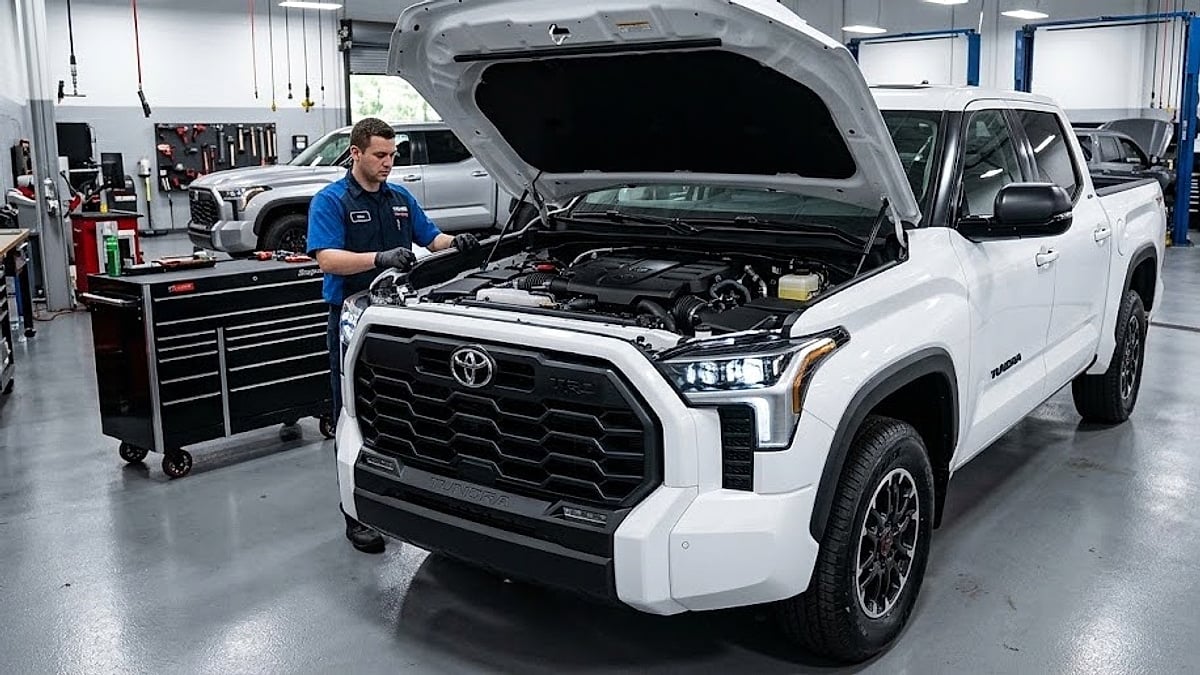
The Software Inspection Gap
The V35A-FTS twin-turbo V6 power plant is facing severe front bearing seizures triggered by high-load towing cycles that stress microscopic aluminum-backed bearing shells, a crisis detailed in my Toyota Tundra Recall Expansion.
Federal laboratory teardowns isolated this destructive failure mode, which is further complicated by severe integration risks when dealerships transition trucks from factory-built engines to dealer-installed short blocks, often causing secondary issues such as air pockets in the cooling system, as covered in my Tundra Post-Replacement Overheating.
To diagnose this, the manufacturer utilizes an acoustic sensor to measure vibration frequencies, evaluating the front of the crankshaft using past engine drive data and load history bins as reported by The Drive.
However, this software-driven method cannot reliably detect subsurface metal fatigue or minor bearing scoring prior to a full component lock-up.
Consequently, a Tundra, driven unladen in flat coastal regions, may pass a brief dealership acoustic test with zero abnormalities, only for residual manufacturing debris to migrate directly into the main journal the moment the truck experiences high turbocharger boost while pulling a heavy trailer up a steep mountain grade.
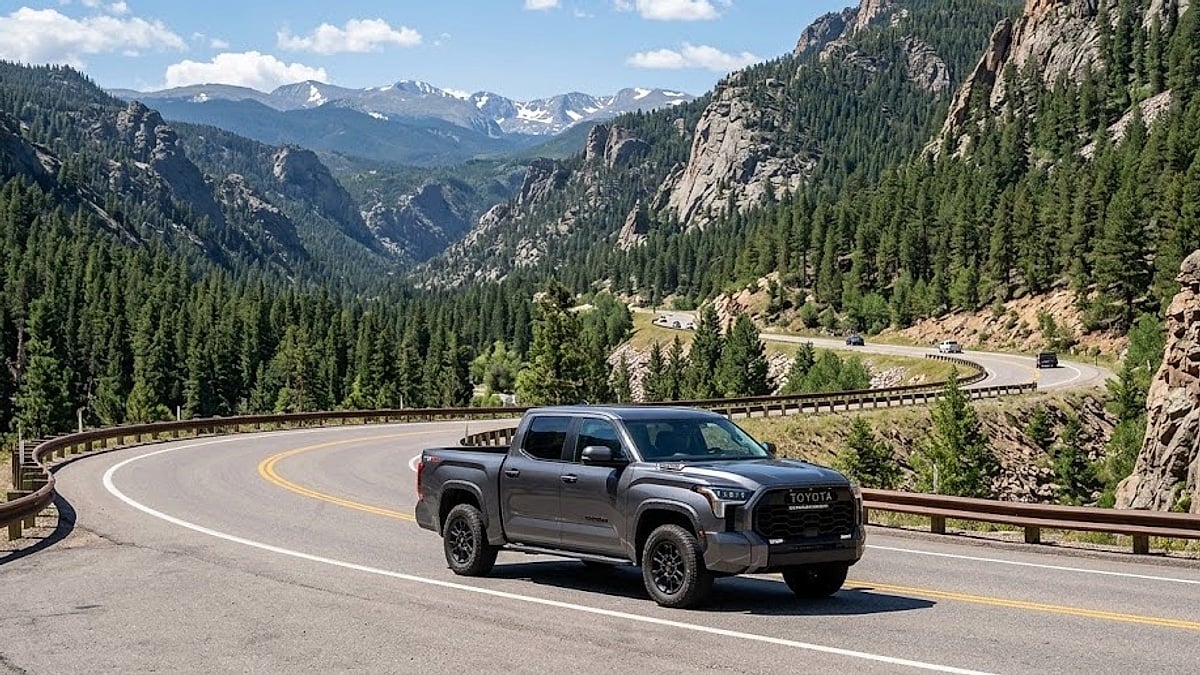
High Altitude Stress Accelerates Hidden Damage
Operating conditions in elevated regions alter how engine components wear over time.
As a long-time Colorado resident, I know exactly what happens to a forced-induction V6 when it is pushed to its limits while towing an 8,000-pound camper up Mount Vernon Canyon and through the Eisenhower Tunnel.
The thin air forces the turbochargers to spin faster and run hotter to maintain target power levels, which significantly elevates peak cylinder pressures.
This extreme thermodynamic load places immense pressure directly onto the number-one main bearing journal. If a truck has microscopic machining grit trapped in its oil passages, high-load scenarios act as catalysts for rapid component degradation.
A computer algorithm looking at historical data cannot predict when a latent manufacturing defect will suddenly manifest as a catastrophic mechanical failure during a high-altitude climb.
Used Truck Buyers Decline the Software Gamble
Savvy buyers looking at the pre-owned market are doing their homework before signing any paperwork. A used-truck shopper will gladly pay a premium for a vehicle with a documented zero-mile factory replacement engine assembly in its history report.
Conversely, they are actively avoiding trucks that carry only a notation indicating that a software campaign was completed.
This hesitation creates a direct financial penalty for current owners trying to trade in their vehicles.
Dealership appraisers look closely at vehicle history reports to identify open service campaigns and major mechanical interventions. In an ongoing analysis of vehicle valuation trends, consumer protection experts at The Auto Mediator explain that vehicles tied to major engine recalls often face long-term market stigma that reduces their overall trade-in value.
My Take
I believe that managing a safety campaign through electronic monitoring rather than mechanical remediation degrades the long-term trust owners place in a brand. When someone spends premium money on a full-size pickup, they are buying an expectation of uncompromised mechanical reliability and strong residual value.
Forcing owners to settle for an acoustic evaluation creates an unfair disparity within the secondary market.
If your truck passes the electronic test but still exhibits a faint, low-frequency ticking noise or minor oil pressure fluctuations, you must document those symptoms in writing with your service advisor immediately. Do not rely on oral assurances from the service counter when your long-term equity is on the line.
Building a verifiable paper trail of oil analysis reports and physical inspection requests remains your best defense against future out-of-pocket repair costs.
What are Tundra Owners Saying?
Real-world feedback from independent automotive forums shows that owners are already experiencing the financial downstream effects of these diagnostic policies.
In a recent technical discussion on r/ToyotaTundra, several owners noted that a Tundra with a replaced engine typically carries a lower resale value due to shifting buyer perceptions regarding long-term reliability.
Another owner highlighted how this dynamic plays out during real-time dealer appraisals, explaining that a local dealership offered the vehicle thousands below the standard guide price because the engine repair record would inevitably appear on a vehicle history report.
You can follow the complete breakdown of these community market adjustments in the full Reddit thread.
Action Plan for Affected Tundra Owners
To safeguard your Tundra's market value if you are turned away without a physical engine replacement, you must follow a proactive administrative strategy.
First, demand a complete printout of the acoustic frequency test results and the specific ECU load data log sheets from your service manager before leaving the dealership.
Second, establish an independent baseline of your engine's internal health by submitting oil samples to a certified laboratory at every scheduled fluid change.
Finally, ensure that any minor driveability issues, such as rough idling or unexpected power drops, are formally logged as physical repair orders rather than simple courtesy checks.
Having these official records allows you to demonstrate to future buyers that your power plant has been meticulously monitored by independent professionals.
Key Takeaways
- Evaluate the specific documentation provided by the dealership to ensure your vehicle's testing parameters are fully recorded in writing.
- Monitor the internal engine health continuously by performing independent fluid analysis checks at each scheduled oil change interval.
- Secure copies of all historical vehicle data logs to maintain a complete administrative record of your truck's mechanical performance.
- Leverage multiple independent trade-in offers to protect your vehicle's equity against localized dealership valuation deductions.
The Next Question
How will independent extended warranty providers adjust their contract pricing for Tundra models that have only received the software recall flash?
The Valuation Impact
The coming months will reveal the true scale of this secondary market correction as more trucks pass through dealership service lanes. Owners must remain vigilant and organized to minimize the financial impact of this software-focused recall strategy.
How About You? Has your local dealership performed the new acoustic software test on your truck yet? Tell us what you think and share your service lane experiences by leaving a comment in the red Add new comment link below.
What’s Next
In my upcoming report, I will examine the specific legal remedies and trade-in strategies available to consumers navigating this evolving recall landscape. Read the full guide, stay tuned for: How Tundra Owners Can Protect Their Truck’s Value If Toyota Denies A Physical V6 Engine Replacement, to learn how to negotiate with dealership appraisers and protect your hard-earned equity.
Come back tomorrow… or check my Torque News Home Page for more of my informative Tundra automotive news articles.
About The Author
Denis Flierl is a 14-year Senior Reporter at Torque News and a member of the Rocky Mountain Automotive Press (RMAP) with 30+ years of industry experience. Explore his full investigative reporting archives and technical guides at DenisFlierl.com.
Based in Parker, Colorado, Denis leverages the Rockies' high-altitude terrain as a rigorous testing ground to provide "boots-on-the-ground" analysis for readers across the Rocky Mountain region, California EV corridors, the Northeast, Texas truck markets, and Midwest agricultural zones.
A former professional test driver and consultant for Ford, GM, Ram, Toyota, and Tesla, he delivers data-backed insights on reliability and market shifts. Denis cuts through the noise to provide national audiences with the real-world reporting today’s landscape demands.
Connect with Denis: Find him on LinkedIn, X @DenisFlierl, @WorldsCoolestRides, Facebook, and Instagram.
Photo credit: Denis Flierl
Set Torque News as Preferred Source on Google
Follow us today...