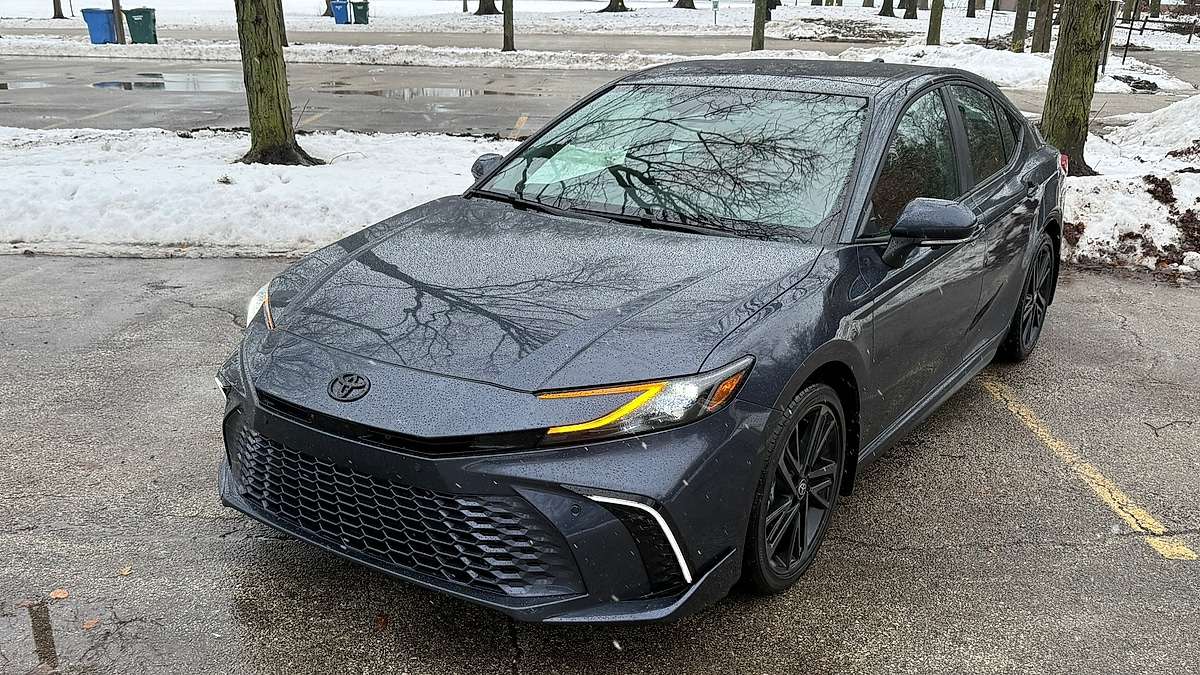

Whether it’s enough verve to snag the enthusiast market is another question. Does Toyota even need that?
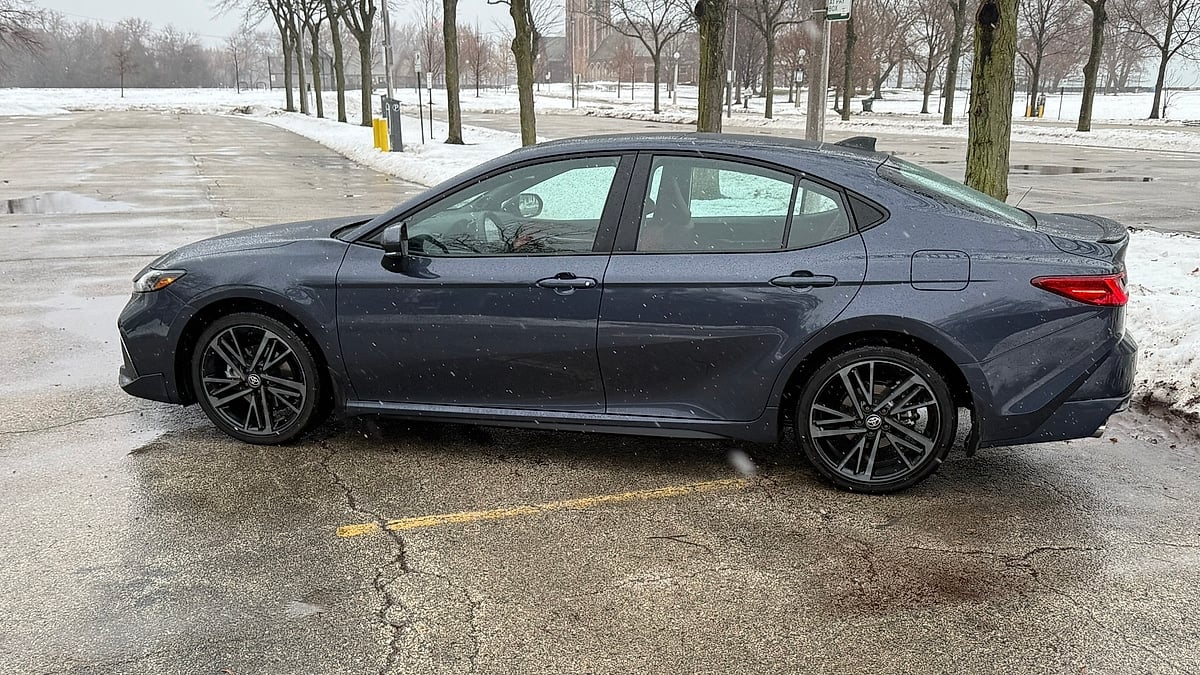
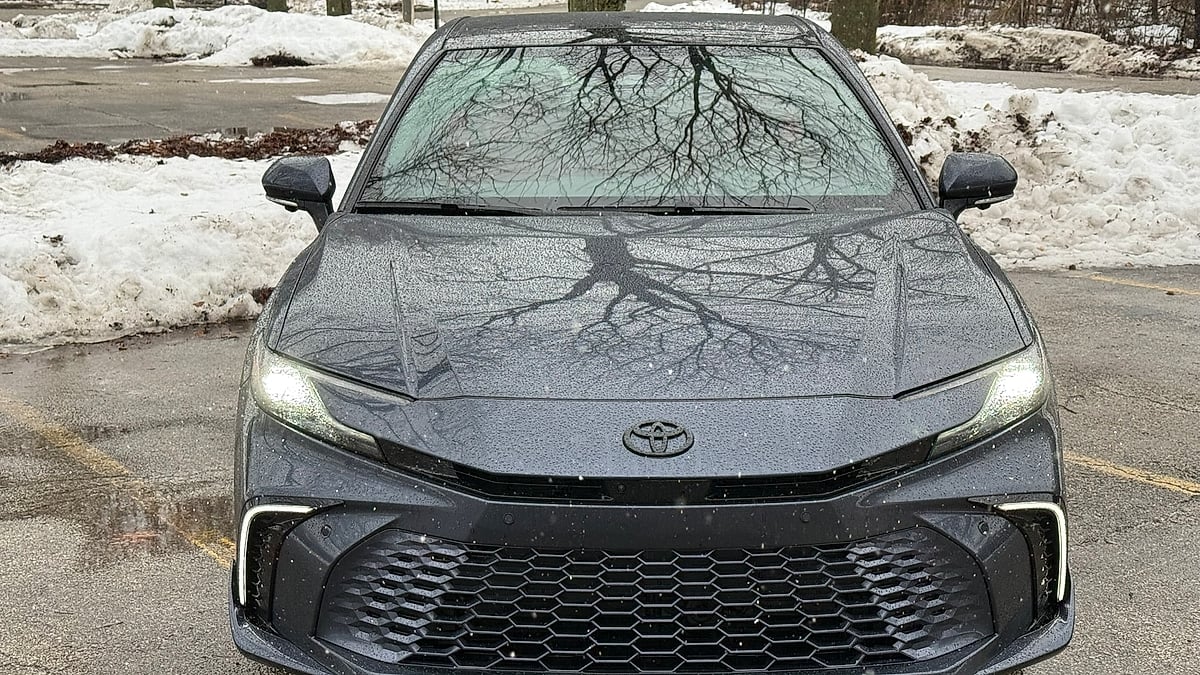
Torque News Breaks Down The 2026 Toyota Camry
Perhaps Toyota doesn’t need to give the Camry any spunkiness, since the car has never lacked for buyers. It’s always atop the heap in the mid-size sedan class, right there with the venerable Honda Accord. The knock on the Camry has always been that while it’s a great mid-size sedan, it’s not as fun to drive as the Accord.
And the response from the market has been - who cares? Most family sedan buyers are worried more about space, fuel economy, price, and safety.
Still, Toyota could’ve coasted with the Camry. It’s long managed to check just about every box, save for sportiness and perhaps styling, in a way that other mid-sizers couldn’t quite match. Toyota sold so many that if rival Honda siphoned a few off because the Accord was more pleasant on a curvy road, so be it.
Then Toyota went and hybridized the dang thing. Good for efficiency, of course. And while hybrids and “sport” haven’t always gone hand-in-hand, this Camry is fun enough to make the Honda buyers take a look.
Truth is, Toyota had been tweaking the Camry and adding fun-to-drive factor for a while. The whole package is coming together nicely.
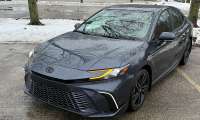
Underhood on the XSE trim I drove was a 2.5-liter four-cylinder pairing with an electric motor for a total of 232 system horsepower. That is the horsepower number you get with all-wheel drive, which this test unit had. An electronically controlled continuously variable automatic transmission gets that power to the ground.
The XSE trim is the top-of-the-line grade, and as such my test unit arrived with a price of $36,725. Standard features included dual chrome exhaust tips for the single exhaust pipe, 19-inch wheels, LED headlights, LED taillights, mesh grille, rear diffuser, 12.3-inch infotainment system, rear spoiler, wireless Android Auto, wireless Apple CarPlay, satellite radio, aluminum pedals, leather seats, heated steering wheel, heated power front seats, dual-zone automatic climate control, keyless entry and starting, wireless cell-phone charging, ambient lighting, and multiple USB ports.
Advanced driver-assist systems included blind-spot monitor with rear cross-traffic alert and Toyota’s SafetySense 3.0 system.
Options included a Premium Paint package that ran almost five grand and added, in addition to premium paint, traffic-jam assist, front cross-traffic alert, lane-change assist, 360-degree camera, front and rear parking assist with automatic braking, premium audio, cooled front seats, head-up display, rear cross-traffic braking, head-up display, and glass roof with moonroof.
Other options included mud guards, dashcam, and front accent lights.
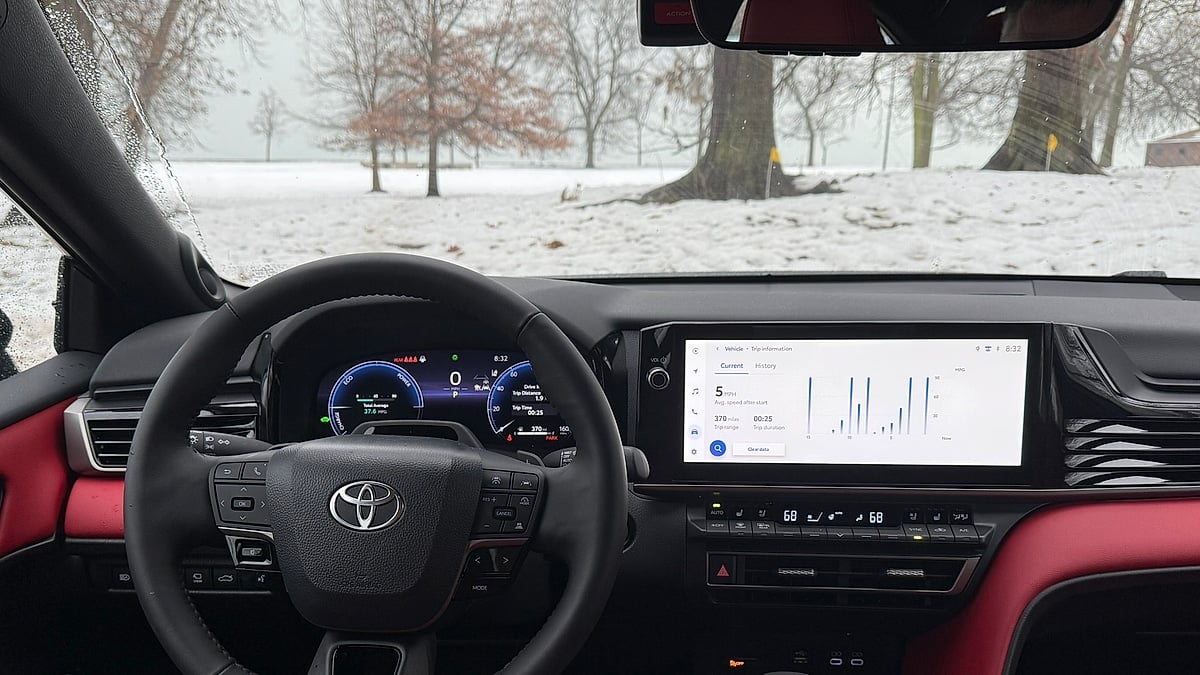
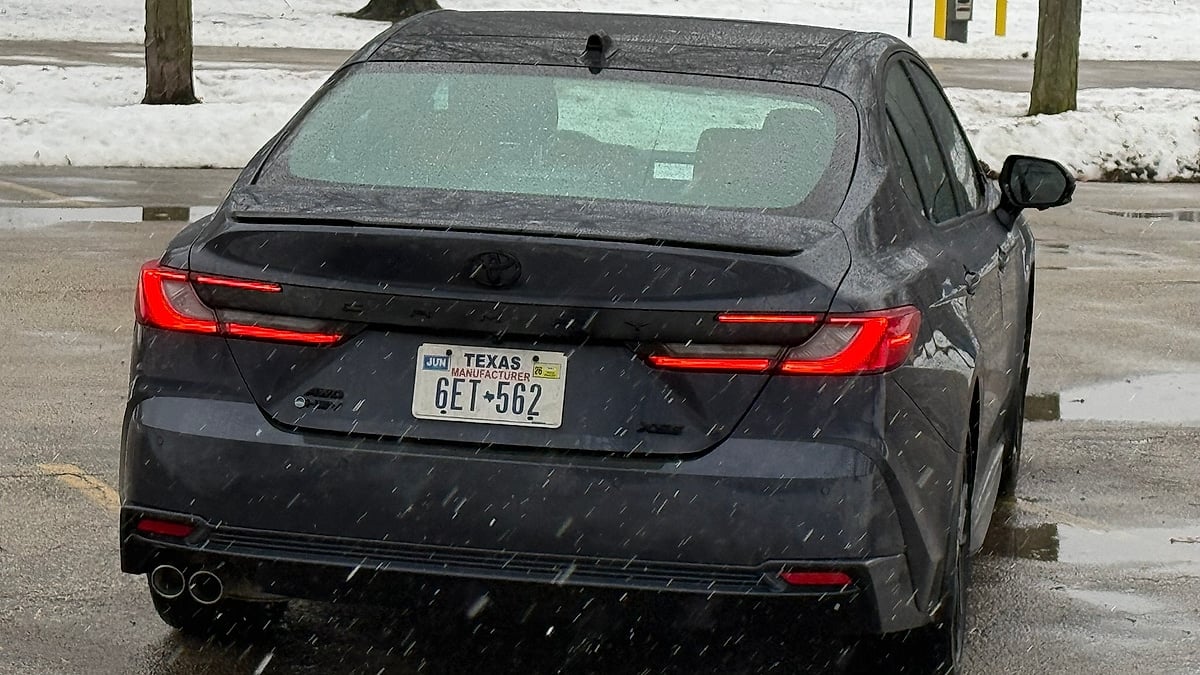
We Took The 2026 Toyota Camry XSE AWD On The Road
As mentioned above, the Camry now has been sport infused, at least somewhat. A sport-tuned suspension gives the car sharper moves than before, and the steering has finally been dialed in well - the weight is about right, and its accurate with little looseness.
That’s not to say the Camry is a sport sedan, and the Accord is still more of a hoot to drive. But if you previously excluded the Camry from your shopping list because you thought of it as a sleep aid, there’s no reason to do so now.
The best part is that Camry gets a few ticks more verve with outsacrificing much. The ride remains on the smooth side, with only the worst bumps and potholes being upsetting to the chassis. Thankfully, the ride never veers into the soft, as we’ve seen in previous Camrys.
Acceleration isn’t particularly quick, this is a family sedan after all, but it will be just fine for around-town errand running.
We’re not quite at the Goldilocks level here - that’s still the Accord’s domain. But the Camry is now fun enough that enthusiasts can put it on their shopping lists.
The car’s biggest flaw isn’t dynamic - it feels a little tight on head- and legroom, even up front. Not cramped, exactly, but the roofline felt low to this taller adult. It’s not a deal-breaker for the average-sized human, but I wished for a more-spacious feel.
Speaking of space, the trunk, on the other hand, is huge. Luggage, golf bags, grocery bags - you’ll be able to fit a lot of stuff. Don’t tell the local mafia.
Toyota put this cabin together well, at least - the buttons are easy to quickly learn in terms of location and function. The big infotainment screen integrates into the center stack better than most, and the digital gauges are clear and easy to read. I appreciate the use of an old-school shifter here.
Fuel economy, by the way, is listed at a bladder-busting 43 mpg city/43 mpg highway/43 mpg combined.
Toyota has never needed to add seasoning to the Camry - it has always been good enough at doing family-sedan things that going vanilla worked just fine. But the company decided it needed a little spice anyway. Whether that has anything to do with one of the fiercest and most well-known rivalries in the automotive kingdom will be known only to product planners in the brand’s offices.
Regardless of the reason, the end result is that Toyota seemingly fixed the one thing lacking from the Camry while keeping the rest of the good stuff - and adding more fuel efficiency along the way.
Those sales numbers aren’t likely to droop too much anytime soon.
About The Author
Tim Healey is an experienced automotive writer and editor from Chicago. He has covered automotive news at Consumer Guide Automotive, Web2Carz, AutoGuide, and was the managing editor at The Truth About Cars. Tim is a member of the Midwest Automotive Media Association. You can find him on Facebook, X/Twitter, and on LinkedIn.
Set Torque News as Preferred Source on Google
Follow us today...