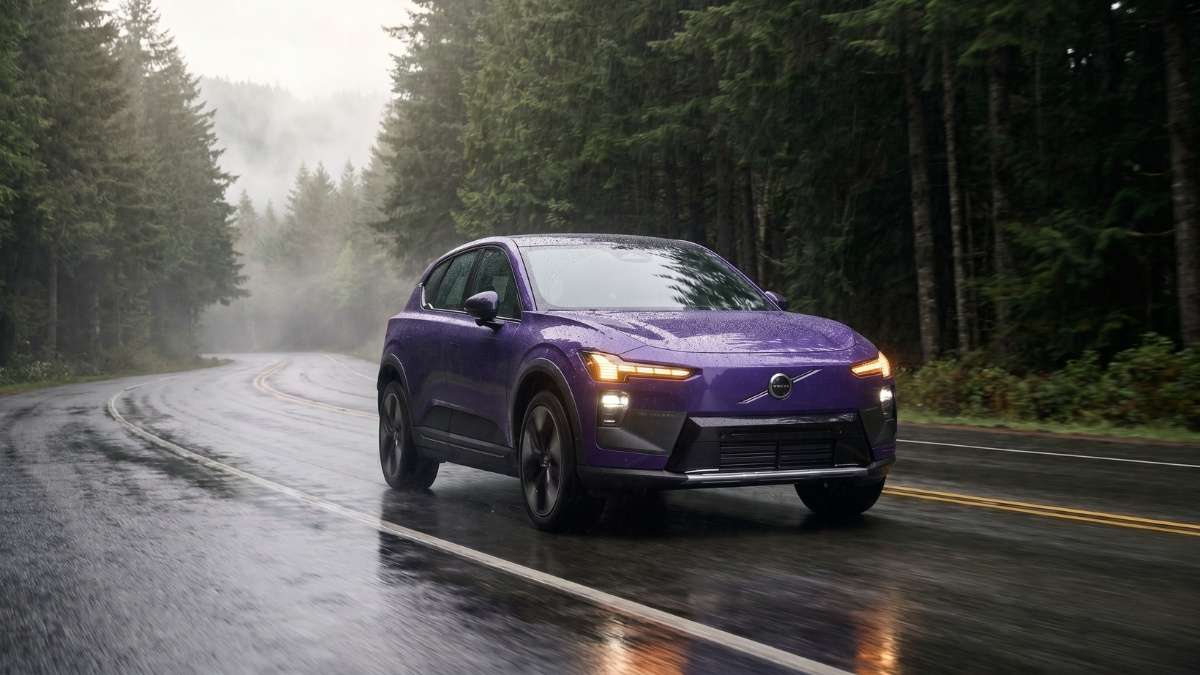

For decades, the seatbelt has functioned as a one-size-fits-all solution, applying uniform restraint regardless of who is buckled in or the specific nature of a collision. While this universal approach saved countless lives, it left a gap in personalization, often failing to account for the physical differences between a small child and a large adult, or the varying dynamics of low-speed versus high-speed impacts.
Volvo is now closing that gap, fundamentally redesigning passive safety to move beyond static mechanics. By integrating real-time sensor data with intelligent load-limiting profiles, this next-generation system treats passenger safety as a bespoke, dynamic necessity rather than a generic function.
What Are Multi-Adaptive Seatbelts?
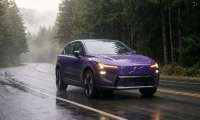
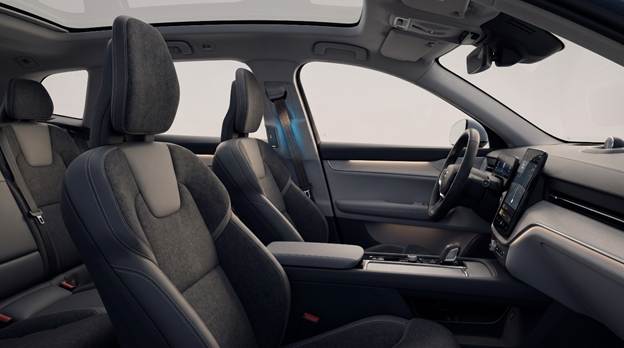
The traditional seatbelt applies a uniform stopping force during an accident. The multi-adaptive front seatbelt—debuting in the fully electric 2026 Volvo EX60—changes this by utilizing a sophisticated network of interior and exterior sensors to calculate the exact stopping force needed for the occupant in real time. Powered by advanced AI processing systems, the belt evaluates the crash's direction and severity, the vehicle's speed, and the passenger’s height, weight, and sitting posture in milliseconds.
The Benefits of Intelligent Restraints
The core benefit of a multi-adaptive restraint system is injury mitigation across diverse body types. Standard modern seatbelts use load limiters to control the force exerted on a passenger’s chest, generally offering up to three standard profiles. The EX60’s new multi-adaptive system expands this to 11 distinct load-limiting profiles. If a smaller teenager is involved in a mild collision, the belt will yield a softer hold to prevent rib fractures. Conversely, a larger adult in a high-speed crash will experience a firmer belt load to prevent severe head trauma. Furthermore, this system receives over-the-air (OTA) updates, meaning the algorithms refine and improve passenger protection dynamically as the vehicle learns from real-world data over its lifespan.
A Brief History of Seatbelt Evolution
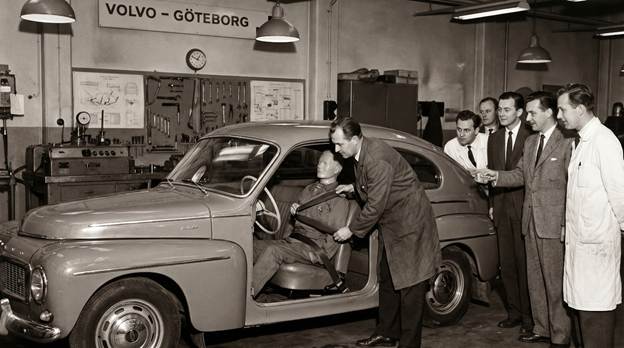
Before 1959, the automotive industry largely relied on two-point lap belts, which were notorious for causing severe internal injuries during high-speed deceleration. The paradigm shifted when Volvo hired former aerospace engineer Nils Bohlin, who had previously designed ejector seats for Saab. Bohlin invented the V-type three-point seatbelt, which secured both the upper and lower body and could be fastened conveniently with one hand. Recognizing the monumental public health implications, Volvo made the patent open to all automakers for free - a decision estimated to have saved well over a million lives globally. While innovations over the decades have included the addition of load limiters and pre-tensioners, the fundamental geometry remained Bohlin’s until the modern era of active sensor integration.
Volvo’s Legacy and Unique Safety Technologies
Volvo’s safety heritage extends far beyond the three-point belt. They pioneered side impact protection systems (SIPS), rear-facing child seats, and standard automatic emergency braking. In the EX60, Volvo pairs the new seatbelts with a highly rigid structural battery pack (cell-to-body technology) that acts as part of the physical crash structure. Additionally, the SUV features AI-driven environmental scanning, capable of anticipating collisions before they happen and priming the safety restraint systems instantly.
How Other Luxury Automakers Compare
While Volvo leads in adaptive load-limiting, other luxury manufacturers have developed their own advanced active restraint ecosystems. Mercedes-Benz introduced its PRE-SAFE® system, which anticipates a collision using a network of sensors to automatically tighten seatbelts, adjust passenger seats to a safer angle, and emit "pink noise" to protect the occupants' hearing from the intense pressure and acoustics of a crash. BMW offers Active Protection, which similarly pre-tensions belts and closes windows prior to an impact. However, Volvo's multi-adaptive iteration is distinct because it actively modulates the physical "give" of the belt dynamically during the crash based on exact biometric data, rather than just pre-tensioning before the impact occurs.
Ranking the Safest EVs in the Market
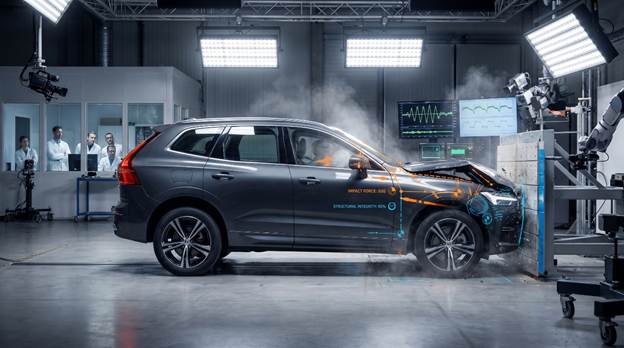
When evaluating top-tier crash protection, the Insurance Institute for Highway Safety (IIHS) serves as the definitive benchmark. Here is a ranking of the safest electric vehicles currently leading the market:
- Hyundai Ioniq 9: Entering the market with a flawless safety record, achieving a perfect IIHS Top Safety Pick+ and NHTSA 5-star rating right out of the gate for 2026.
- Tesla Cybertruck: Overcoming initial structural skepticism, it earned the elite 2026 IIHS Top Safety Pick+ under stricter testing criteria, showcasing highly resilient cabin integrity and perfect pedestrian crash prevention.
- Volvo EX90: The EX60’s larger sibling earns a Top Safety Pick+, heavily utilizing integrated Lidar to predict and prevent accidents entirely.
- Rivian R1S: A premium large SUV that excels in both side-impact and moderate-overlap front crash tests, earning top safety honors for family hauling.
- Genesis GV60: Consistently holding a Top Safety Pick+ rating, proving that smaller luxury electric SUVs can offer uncompromising structural defense.
Why Your Family Needs This Technology
When evaluating whether to place a pre-order on a high-performance EV like the Volvo EX60, power and 800V charging architectures are impressive, but they do not safeguard the people you care about most. Whether Mary is riding up front in the passenger seat, or the dogs—Winston, Raven, Finn, Dolly, Adonis, and Fable—are safely harnessed in the back, collisions are entirely unpredictable. A standard seatbelt treats a fully-grown adult and a smaller occupant identically, often resulting in bruising or fractures for lighter passengers. Multi-adaptive technology ensures that the vehicle calculates the exact physiological needs of your specific family members in milliseconds, delivering bespoke restraint that drastically minimizes injury.
Wrapping Up
The transition to electric mobility has brought heavier vehicles and faster acceleration to the roads, making collision dynamics more extreme than ever. By evolving Nils Bohlin’s original 1959 invention into an intelligent, sensor-driven restraint system, Volvo continues to prioritize human life over standard compliance. Multi-adaptive seatbelts ensure that whether you are navigating a minor fender bender or a severe highway impact, the car calculates the exact defense your body needs to walk away safely.
Disclosure: Images rendered by Artlist.io
Rob Enderle is a technology analyst at Torque News who covers automotive technology and battery developments. You can learn more about Rob on Wikipedia and follow his articles on TechNewsWord, TGDaily, and TechSpective
Set Torque News as Preferred Source on Google
Follow us today...