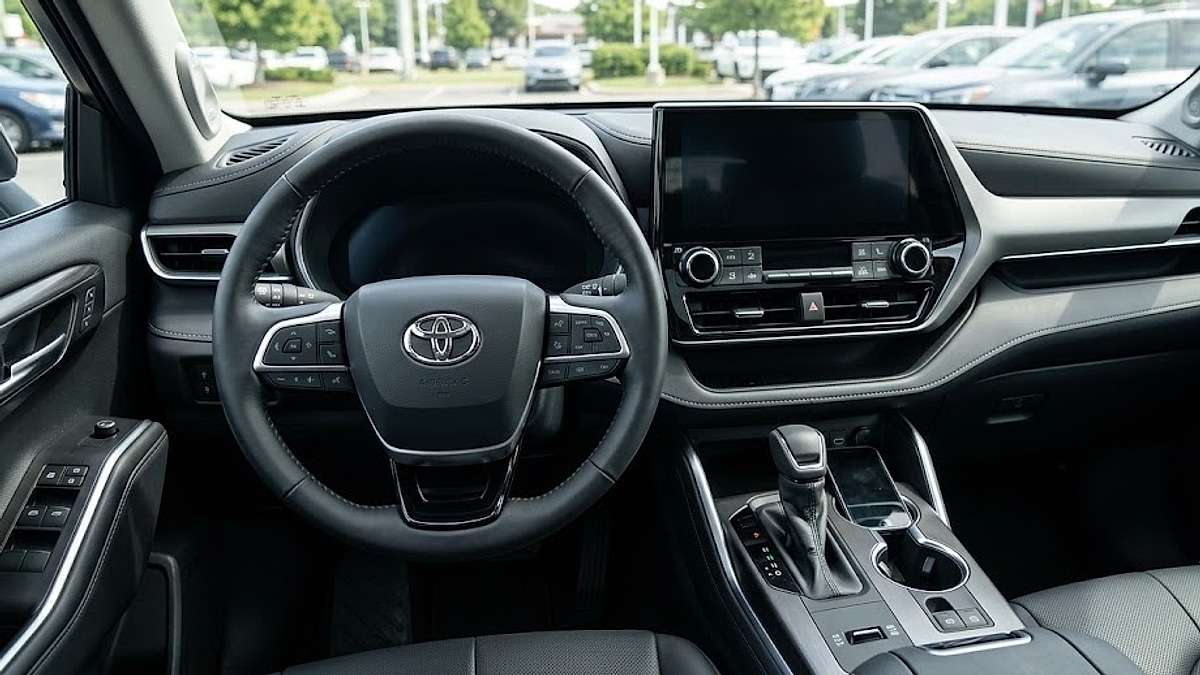

According to my tracking of manufacturing defects and dealer service loops, a massive quiet storm is brewing inside Toyota dealership service bays across the country.
The glitzy 12.3-inch digital "combination meter" screens that modern vehicle buyers love are turning out to be a major vulnerability.
What was supposed to be a simple, routine flashing of the dashboard computer code has transformed into an operational nightmare for many owners.
The Nightmare of 42-Day Captivity
While the mainstream automotive press focuses entirely on high-profile mechanical recalls, thousands of owners are getting trapped in an entirely different kind of software backlog.
Take the case of Jim Mudrick from Cleveland, Ohio, who recently shared his harrowing ordeal with the Toyota Highlander Owners Club Facebook page after his 2023 Highlander Limited was held at a dealership for six weeks.
"The instrument cluster software fix killed it," Mudrick reported, describing how a 42-day "captivity" ended only after his phone app unexpectedly pinged to show the vehicle's windows and doors finally opening in the back lot.
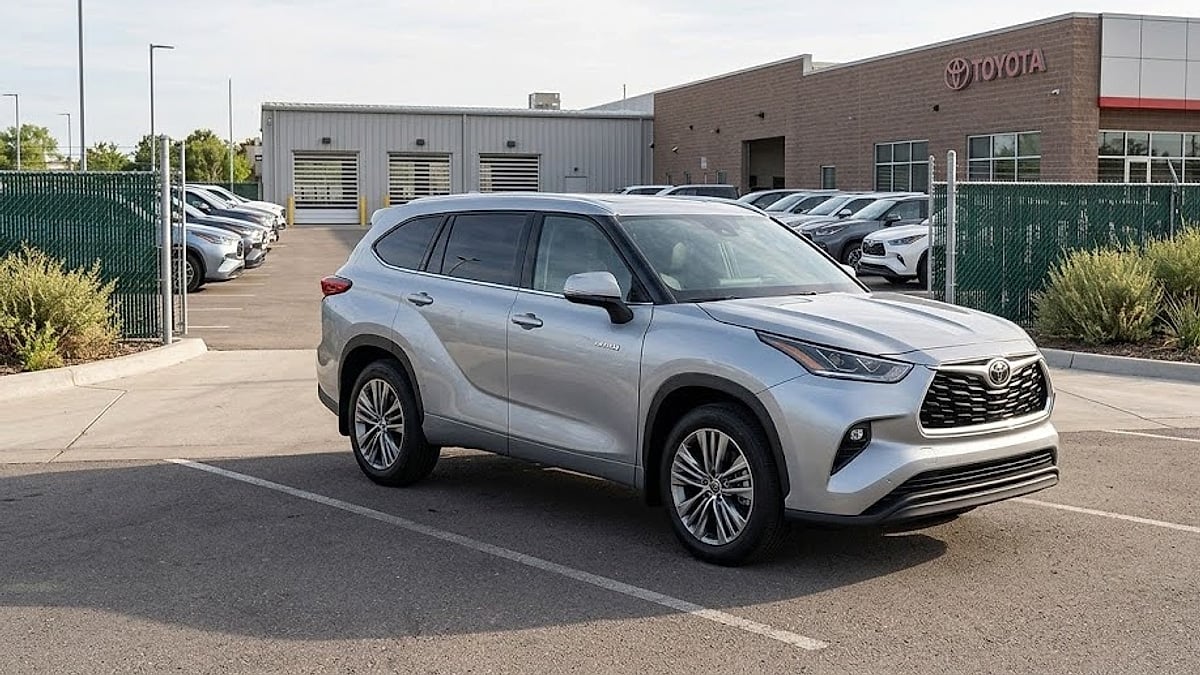
He goes on to say:
“My 2023 Toyota Highlander Limited was held hostage at the dealer for 42 days after a routine instrument cluster software update completely killed the vehicle's electronics. A late-evening alert on my phone app and a morning call finally signaled it was time to return my rental Camry, but the real story emerged at 4:00 PM when I reviewed my stored dashcam footage from its six-week captivity."
When he finally checked his vehicle's stored dashcam footage later that afternoon, the real forensic story behind the six-week delay came to light.
Mudrick discovered videos showing mechanics frantically ripping off battery connectors in the open lot, revealing a hidden truth: the dealership had accidentally bricked his electronics and quietly eaten the cost of a brand-new 12V auxiliary battery to cover their tracks.
"A video from May 29th showed mechanics removing battery connectors in the lot, revealing what happened during the initial May 15th download: they failed to connect a battery charger during the two-hour process, completely draining the system. When I opened the hood to check my oil, I discovered a pristine, brand-new 12V battery that was never disclosed on my service paperwork because the dealership quietly covered up their mistake and ate the cost.”
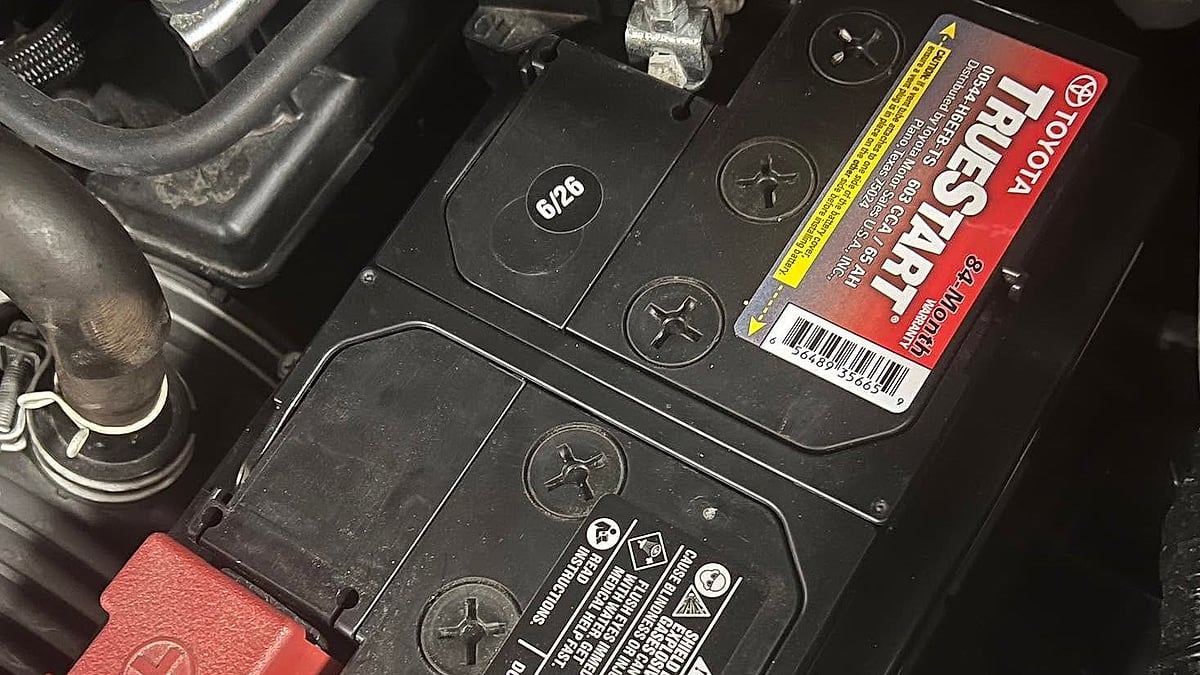
The 12V Battery Under-Voltage Trap
So, how exactly does a modern software download "kill" an entire SUV's digital dashboard and strand it at a dealership for nearly two months?
The root cause of this failure comes down to simple dealership shop protocols and basic electrical physics that the mainstream media completely ignores.
According to diagnostic data compiled by consumer advocacy group Top Class Actions, the latest wave of 12.3-inch combination meter software interventions requires the vehicle's electrical infrastructure to remain in a high-drain "Ignition On" state for up to two consecutive hours.
During this lengthy download process, the vehicle's complex telematics, parking sensors, and communication modules remain completely wide awake.
If a service technician fails to connect a specialized, steady-state clean power supply or battery maintainer to the vehicle, the factory 12V battery drains down rapidly.
Once the voltage drops below a critical threshold of roughly 10.5 volts midway through the installation, the digital cluster's internal EEPROM chip experiences a "bus-off" data interruption.
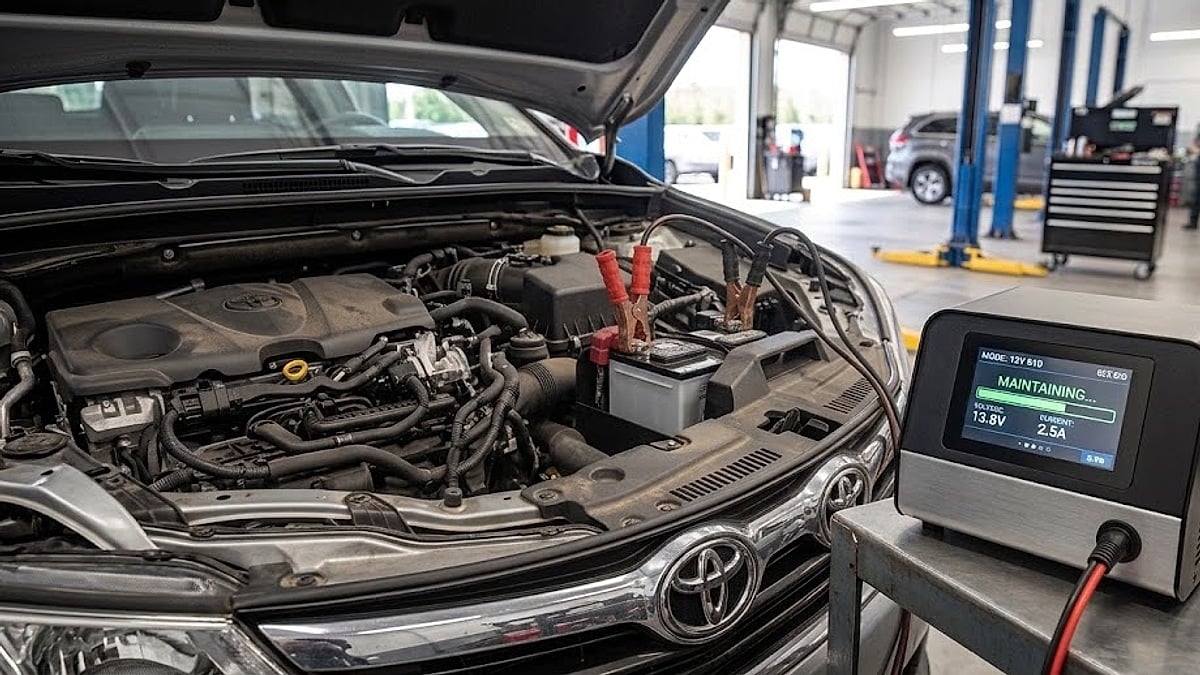
Instead of gracefully recovering from the voltage drop, the Denso-manufactured screen's memory device becomes permanently corrupted effectively bricking the entire component.
Supply Chain Bottlenecks and Empty Screens
The real disaster for the consumer begins the exact millisecond that the instrument panel display goes completely dark.
As noted in official data compiled by the National Highway Traffic Safety Administration (NHTSA), driving a modern vehicle with a blank combination meter is a severe federal safety violation because it prevents drivers from seeing critical malfunction indicators.
Because a bricked digital dash cannot simply be rebooted with a standard software tool, the dealership has no choice but to order a physical replacement cluster.
This is where the massive six-week logjam occurs.
With over 590,000 modern vehicles currently entangled in rolling software campaigns, the global supply chain for these highly specialized 12.3-inch digital displays has completely collapsed amid a sudden spike in hardware demand.
Dealerships are stuck in a holding pattern, waiting weeks on end for backordered parts from overseas suppliers to arrive, while their customers put thousands of miles on basic rental cars.
The Technician's Covered-Up Mistake
In my 30 years of mechanical experience under the hood, I have seen exactly how easily a busy flat-rate technician can cut corners and cause a massive electrical cascade failure.
In my recent investigative analysis, "Why Your Ram 1500 Instrument Cluster Is Blacking Out," I exposed how minor voltage drops routinely trigger data packet errors that overwhelm fragile interior electronics.
The identical phenomenon is playing out inside local service bays right now.
Technicians are under immense pressure to clear cars quickly, and many simply forget to connect a secondary battery charger before initiating a massive, multi-gigabyte display reflash.
When the factory battery dies mid-download, the technician cannot simply jump-start the car; the vehicle's primary nerve center has already been permanently corrupted.
Rather than admitting to the vehicle owner that an administrative error at the shop destroyed their factory electrical system, dealerships are quietly swapping out dead 12V batteries on their own dime and blaming the long wait times entirely on the broader supply chain shortage.
How to Protect Your Vehicle's Brain
If you are scheduled to take your late-model vehicle in for a digital dashboard campaign or a mandatory electronic module reflash, you must advocate for your vehicle before signing the service ticket.
As I previously reported in my look at how Toyota Denies Factory Warranty Claims, dealerships will aggressively protect their own financial bottom lines whenever an expensive component fails on their watch.
When you drop off your keys, look your service advisor dead in the eye and explicitly demand that a steady-state battery tender be attached to your car for the entire duration of the software installation.
Additionally, consider checking your vehicle's integrated dashcam settings to ensure it remains active in "parking mode" while in the service department's custody.
A little consumer vigilance is currently the only defense against becoming the next owner whose vehicle is held hostage for weeks by corrupted computer code.
What Would You Do? Has your vehicle ever been held for weeks at a dealership over a botched computer update? Tell us what you think and leave your story in the Add new comment link below!
Come back tomorrow… or check my Torque News Home Page for more of my informative Toyota Highlander news articles.
About The Author
Denis Flierl is a 14-year Senior Reporter at Torque News and a member of the Rocky Mountain Automotive Press (RMAP) with 30+ years of industry experience. Explore his full investigative reporting archives and technical guides at DenisFlierl.com.
Based in Parker, Colorado, Denis leverages the Rockies' high-altitude terrain as a rigorous testing ground to provide "boots-on-the-ground" analysis for readers across the Rocky Mountain region, California EV corridors, the Northeast, Texas truck markets, and Midwest agricultural zones.
A former professional test driver and consultant for Ford, GM, Ram, Toyota, and Tesla, he delivers data-backed insights on reliability and market shifts. Denis cuts through the noise to provide national audiences with the real-world reporting today’s landscape demands.
Connect with Denis: Find him on LinkedIn, X @DenisFlierl, @WorldsCoolestRides, Facebook, and Instagram.
Photo credit: Denis Flierl via Jim Mudrick
Set Torque News as Preferred Source on Google
Follow us today...