
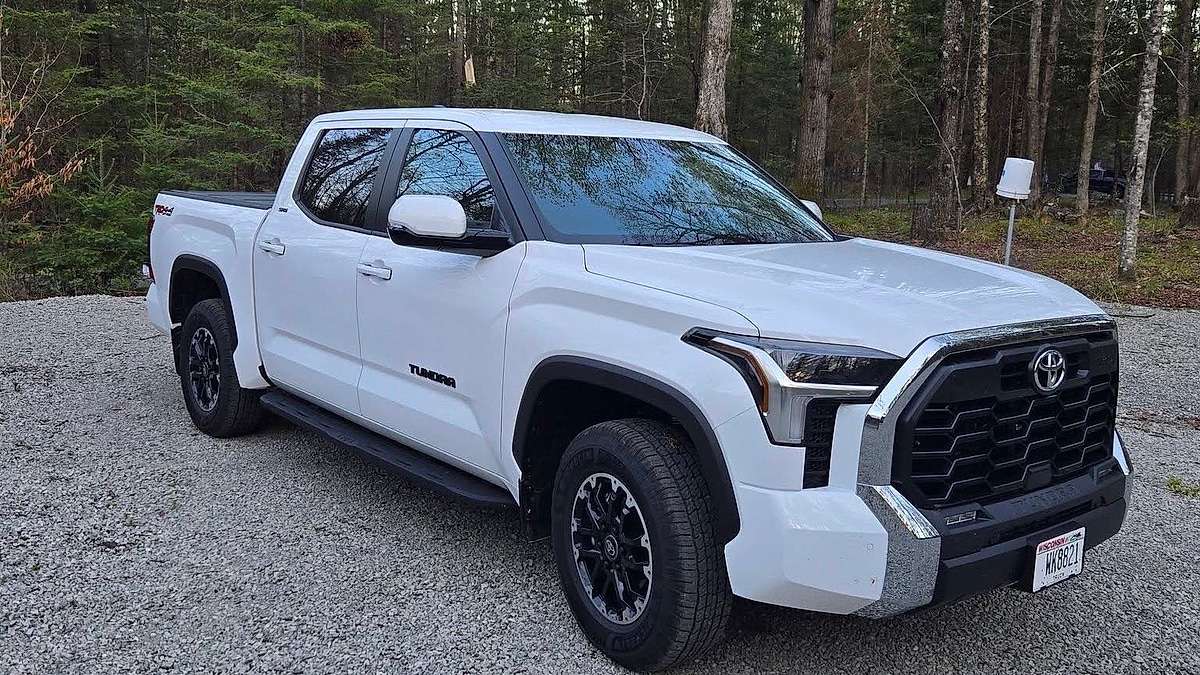

A Torque News investigation reveals that Toyota’s systemic engine contamination issue has breached the 2026 Tundra model year, contradicting corporate claims that the manufacturing debris problem was resolved. Despite proactive oil changes at 750 and 3,800 miles, a 2026 Tundra TRD Off-Road owner discovered heavy metallic flakes ("engine glitter") inside the factory oil filters.
This physical evidence shows that machining residue or unhardened bearing substrate within the twin-turbocharged V35A-FTS 3.4L V6 engine is actively sloughing off and circulating through the lubrication system. This case study refutes narratives that the defect was isolated to early production windows at the Alabama plant, warning prospective buyers and current owners that 2026 models remain vulnerable to self-destructive internal wear and potential engine failure.
Firsthand Evidence From the Service Bay
The foundational proof of this escalating reliability crisis rests on a detailed mechanical audit conducted by an owner who refused to rely solely on the dealership's diagnostic assurances. Dennis Lenius from Kimberly, Wisconsin, documented the failure on the 2023-2027 Toyota Tundra Owners Facebook page, providing photographic proof of what is accumulating inside the lubrication loop. His direct testimony exposes a severe disconnect between consumer expectations and physical reality:
“Attached is a photo of the oil and contents from my 2026 Tundra TRD Off-Road oil filter with 3800 miles. I had the oil changed at 750 miles, and now at 3800. I have always changed oil at 3,000 miles on all my vehicles. The dealer did both oil changes and gave me the filters both times. Today I had time to cut them both open and inspect... this is what I found... full of glitter.. going back to the dealer in the morning. I was apprehensive about buying this truck, but I thought the problem had been fixed. I do like this truck so far, except for some wind noise, and for the life of me can't understand why there is no screen behind the grille to protect the coolers.”
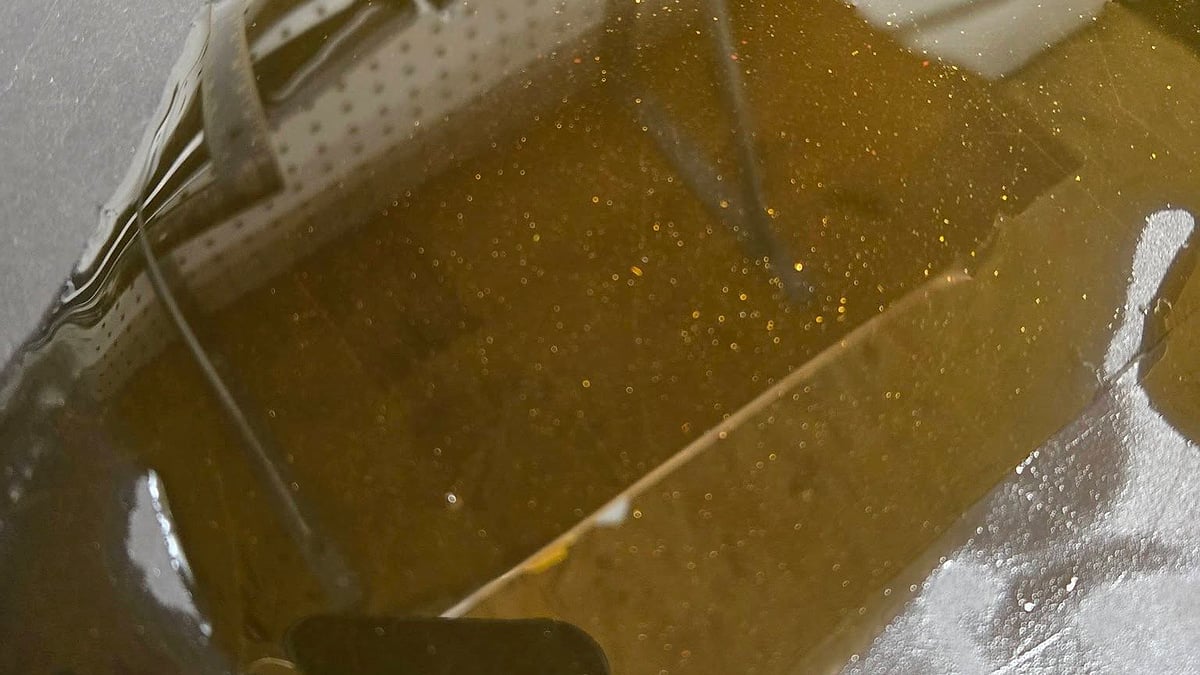
The technical implications of this maintenance history are terrifying for automotive consultants and professional engine builders alike. When an engine sheds enough abrasive debris to turn the pleated paper elements of its second oil filter into a shimmering field of metal, the contamination is not a minor break-in artifact. It indicates an active, ongoing degradation of the internal components, most likely the crankshaft main journals or the connecting rod bearings.
Strategic Industry Alignment and Verification
To fully contextualize why a brand-new truck is shedding metal, Torque News looked beyond the immediate corporate press releases to examine independent mechanical autopsies. Legal and industry tracking groups have long maintained that the scope of Toyota's manufacturing vulnerabilities extends far beyond the initial boundaries acknowledged by the factory. According to a comprehensive legal advisory published by The Lemon Law Experts, the residual debris left inside these twin-turbo powerplants can cause severe internal damage, ultimately leading to sudden stalls and creating a major safety risk for drivers on the highway. This legal data indicates that the root of the problem is not a simple cleaning error but a persistent mechanical liability that persists with the V35A-FTS engine across model years.
The gravity of this engine failure pattern is further reinforced by automotive journalism authorities who track consumer safety trends across the country. Technical editors at Car and Driver have noted that while Toyota has issued highly publicized safety actions for engine debris, persistent concerns remain that uncleared residue can cling to internal bearings and induce total engine lockup at high speeds. These independent findings confirm that the metal flakes pulled from the Wisconsin owner's TRD Off-Road are indicative of an unresolved industry-wide issue, rather than an isolated vehicle defect.
The V35A-FTS Oil Filtration Limits
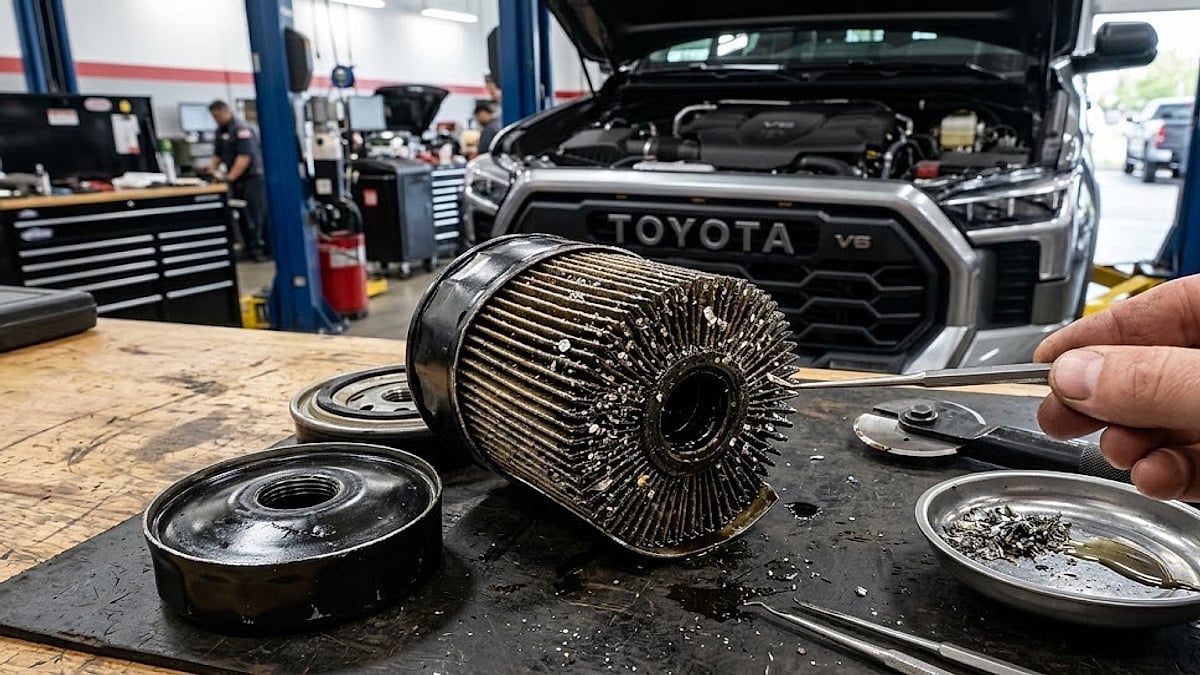
In a previous Torque News investigative report on the mechanical architecture of these power plants, I detailed how small metallic flakes found floating within the oil reservoir are almost always the preliminary warning signs of a spun main bearing. When these tiny metal fragments travel through the pressurized oil circuits, they act as an aggressive abrasive compound, scratching the highly polished surfaces of the crankshaft. Once the bearing shell loses its tight hydraulic tolerance, it begins to rotate within the engine block saddle, cutting off the vital oil supply and causing an immediate mechanical failure.
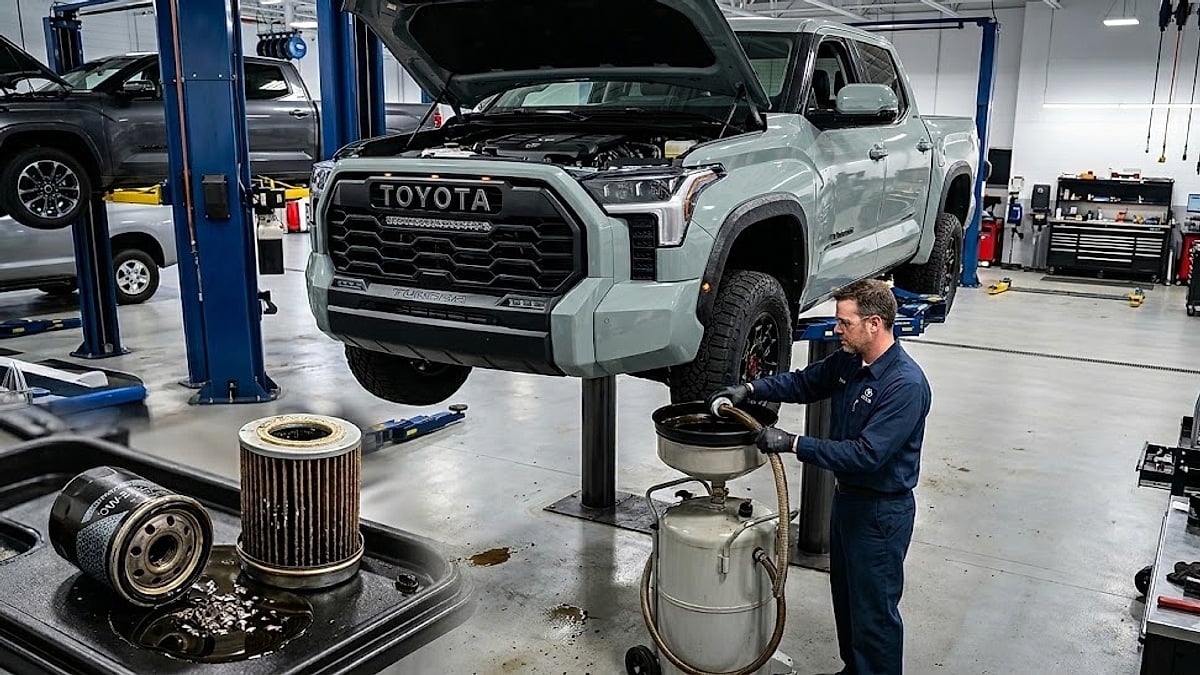
The systemic nature of this engineering hurdle is further demonstrated by how frequently these identical issues appear at major dealership service centers. As documented in my companion report, service departments are being heavily burdened by piles of replacement long-block crate engines, indicating that the actual volume of failing V6 units is pushing dealer capabilities to their absolute limit. This high volume of replacement assemblies confirms that local technicians cannot simply flush out the contaminated oil paths; a complete replacement of the core internal engine components is required to fully resolve the issue.
Key Takeaways
- Metallic Contamination: The discovery of extensive engine glitter inside a 2026 Tundra TRD Off-Road filter at 3800 miles proves that manufacturing debris or bearing breakdown is actively occurring in current-model trucks.
- Break-In Failure: Proactive oil flushes at 750 miles and 3800 miles failed to clean the lubrication system, demonstrating that early service cannot fully mitigate this internal defect.
- Warranty Risk: Extended 10000-mile factory maintenance guidelines leave truck owners vulnerable to long-term engine damage if abrasive particles are allowed to cycle through the system.
- Supply Overload: Regional Toyota service bays continue to handle a high volume of complete long-block engine swaps, confirming that the manufacturing defect requires full component replacement.
Field Observations from Owner Communities
The technical reality of this manufacturing issue is being corroborated across multiple independent consumer forums, where truck owners are sharing similar diagnostic findings. In the r/ToyotaTundra community on Reddit, mechanics and owners have begun trading filter inspection notes to determine whether the 2026 models are experiencing the same failure modes as the recalled 2022 and 2023 units.
One owner highlighted the vulnerability of the new design, pointing out, “The radiator on these models has an isolated portion for cooling automatic transmission fluid... if it's not cooling it, bad things happen,” highlighting that the thermal management of the entire engine bay is running on incredibly thin margins.
Based on my 30 years of experience as an automotive consultant and test driver in high-altitude environments, this heat profile directly affects oil viscosity and bearing film thickness. When an engine runs exceptionally hot due to complex cooling routing, the thin 0W-20 or 0W-16 oil breaks down rapidly under heavy loads, preventing it from carrying metallic particles out before they contact the main bearings.
In this Torque News report, another owner expressed profound frustration with how these micro-contaminants manage to bypass basic filter checks during regular maintenance visits: “I suspect the debris issue was never 100% resolved, and they are just calling it different things now. My 2025 has 1,000 miles, and the light is already on for 'engine debris'.”
This sentiment aligns perfectly with what I have observed when analyzing corporate service bulletins. When an automaker fails to completely redesign the oil pathway architecture or update the bearing alloy compositions, simply altering the assembly plant cleaning procedures rarely prevents long-term debris generation. The friction surfaces inside the V35A-FTS are so tightly clearanced that even a microscopic speck of aluminum swarf can trigger an irrecoverable scoring event.
The Next Critical Question for 2026 Tundra Owners
How can a truck owner differentiate between normal break-in wear and a catastrophic engine debris crisis? In a standard internal combustion engine, a tiny amount of microscopic, non-magnetic particulate material can appear during the first 1000 miles as piston rings seat against the cylinder walls. However, true mechanical failure is defined by the presence of large, shiny, non-ferrous flakes that settle into the bottom of the oil filter pleats and display a distinct silver or copper sheen under direct light. If you can physically feel the grit between your fingers or see a swirling metallic cloud when pouring out the used engine oil, your engine is actively shedding its bearing material and requires an immediate corporate diagnostic log.
Technical Resolution Roadmap and Consumer Best Practices
To protect their vehicle investments from unexpected component failures, truck owners must adopt an aggressive fluid-monitoring strategy rather than rely on standard factory recommendations.
- First, bypass the corporate maintenance schedules and complete your initial break-in oil change before reaching the 1000-mile mark, ensuring that the initial assembly debris is removed from the pan.
- Second, always demand that your servicing technician save the spent oil filter element, so you can manually cut open the canister with a specialized tool to check for internal metal flakes.
- Finally, establish an ongoing fluid analysis program by sending an oil sample to an independent testing laboratory at every service visit, providing clear documentary evidence of your engine's internal health if you ever need to submit a warranty claim.
What's Next?
In the second part of this strategic technical report, Torque News conducts a full semantic dive into the structural layout of the V35A-FTS twin-turbo system, analyzing the specific turbocharger oil feed lines that frequently trap these floating metal fragments. This analysis will explain why minor oil-line restrictions can cause rapid turbo-bearing failures, providing a complete blueprint of the mechanical issues affecting these modern drivetrains. Check out the full report here.
It's Your Turn
Have you discovered reflective metal shavings or engine glitter inside your new truck's oil filter, or has your modern twin-turbo V6 engine delivered completely flawless performance across the Rocky Mountain passes? Leave your specific mileage counts, manufacturing dates, and local dealership diagnostic experiences in the comments section below, and click the red "Add new comment" link to share your perspective with our automotive community.
About The Author
Denis Flierl is a 14-year Senior Reporter at Torque News and a member of the Rocky Mountain Automotive Press (RMAP) with 30+ years of industry experience. Explore his full investigative reporting archives and technical guides at DenisFlierl.com. Based in Parker, Colorado, Denis leverages the Rockies' high-altitude terrain as a rigorous testing ground to provide "boots-on-the-ground" analysis for readers across the Rocky Mountain region, California EV corridors, the Northeast, Texas truck markets, and Midwest agricultural zones. A former professional test driver and consultant for Ford, GM, Ram, Toyota, and Tesla, he delivers data-backed insights on reliability and market shifts. Denis cuts through the noise to provide national audiences with the real-world reporting today’s landscape demands. Connect with Denis: Find him on LinkedIn, X @DenisFlierl, @WorldsCoolestRides, Facebook, and Instagram.
Photo credit: Denis Flierl via Dennis Lenius
Set Torque News as Preferred Source on Google
Follow us today...







Comments
This is exactly the kind of…
Permalink
This is exactly the kind of topic that keeps modern truck owners debating 🤔
A small amount of metallic material during early oil changes can sometimes be part of normal break-in wear, but when owners start reporting it repeatedly, it naturally raises questions about what’s typical vs what needs attention.
The real challenge here is trust. Buyers expect a brand-new truck to feel completely worry-free, especially in a segment like the Toyota Tundra where durability is a big selling point.
Would you consider this normal break-in behavior, or something that would make you pause as an owner?
Spend $100 on your $50k+…
Permalink
In reply to This is exactly the kind of… by Dme Prodhen (not verified)
Spend $100 on your $50k+ truck and send an oil sample and the filter guts in for a spectrographic analysis. Why guess where in the engine it’s from or what kind of non-ferrous material it is? I love Blackstone for aircraft oil analysis - Blackstone gives excellent feedback in plain English.
Interesting how back in the…
Permalink
Interesting how back in the day 'break in oil' was sort of a standard.
I'd be a bit very surprised if I discovered shavings on a new car or truck.