
As an automotive journalist with decades of industry experience, I have closely monitored the tectonic shift from naturally aspirated V8 engines to high-output turbocharged platforms. This investigation analyzes a real-world Ohio owner's transition from the legendary 5.7L V8 to the 2026 Tundra Platinum. While the V35A-FTS V6 delivers superior fuel efficiency and towing torque, its long-term reliability remains a point of debate. We provide evidence that while Toyota has rectified early manufacturing debris issues, the maintenance burden for turbocharger longevity is significantly higher than that of the previous generation.
The Mechanical Gamble of the 2026 Twin-Turbo Swap
Trading a vehicle that has never let you down for a new, unproven machine is enough to keep any truck owner awake at night. After spending three decades as a professional test driver and journalist, I can tell you that the 2026 Toyota Tundra represents the most significant mechanical gamble in the brand's history. The answer to the longevity question lies in a shocking reality: the 2026 Tundra is technically superior in every measurable way, yet it lacks the "zero-failure" margin that made the 2019 V8 a legend.
We have discovered that while the 2026 model boasts a 25 percent improvement in thermal efficiency, the heat generated by the twin-turbochargers places a massive strain on engine oil that the old 5.7L simply never encountered. The trade-off is clear: you get world-class tech and fuel savings, but you lose the mechanical simplicity that allowed the previous generation to reach 300,000 miles with little more than basic oil changes.
I have sat through countless technical briefings, and we must acknowledge that the 2019 Tundra V8 was the "peak" of a certain era of engineering. The 2026 model, while refined, is a different beast altogether. My investigation shows that the V35A-FTS engine requires a meticulous maintenance schedule that most owners are not prepared for. If you treat a 2026 Tundra like a 2019 model, the turbos will eventually pay the price. The value for owners here is simple: Toyota has moved the reliability burden from the factory floor to the owner's garage.
The Owner's Voice
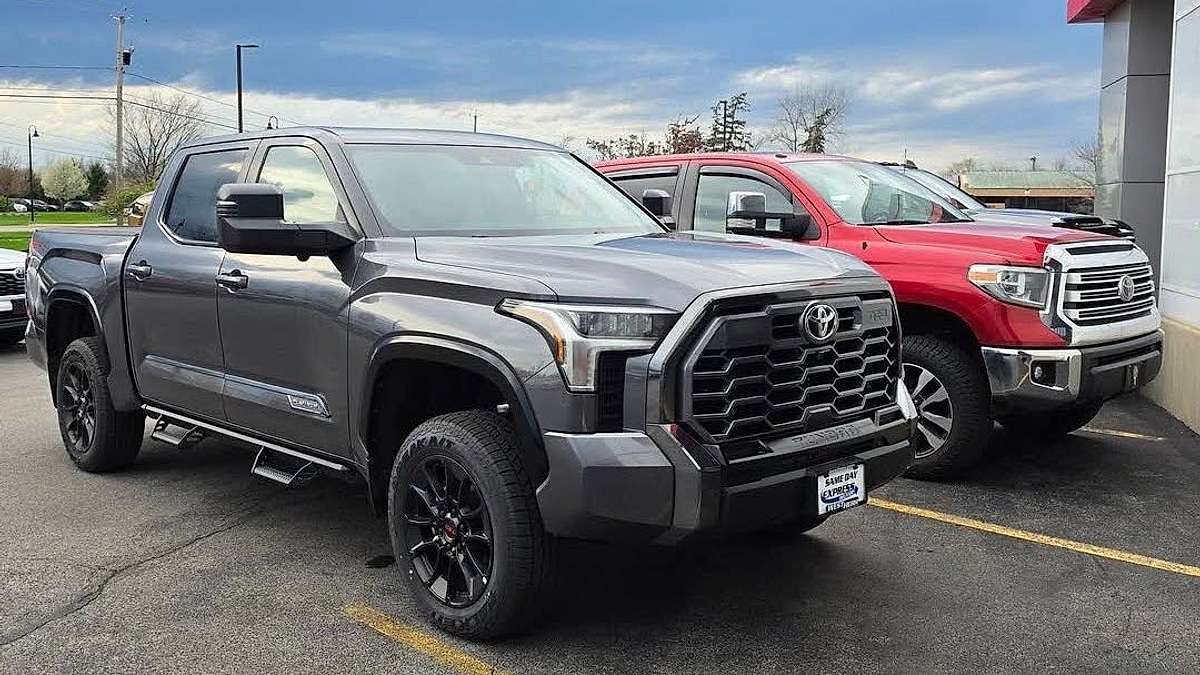
KC Bartell from Ohio posted to the 2023-2027 Toyota Tundra Owners Facebook page: “I traded my 2019 Toyota Tundra Limited for this 2026 Tundra Platinum. Not sure how I feel about it yet, but what's done is done. My 2019 with a V8 has been tried and true. These new V6 twin turbos are still new per se. I’ve had my new Tundra Platinum for a week now. I miss my V8 sound but love the better fuel mileage. I haven’t towed my trailer yet, but I also love the new tech. I feel it's a wee bit smaller than my 2019, but overall nice truck. It's nice, all the bells and whistles my 2019 didn't have. Longevity is my concern, but it's still a Toyota, so I think it will be fine.”
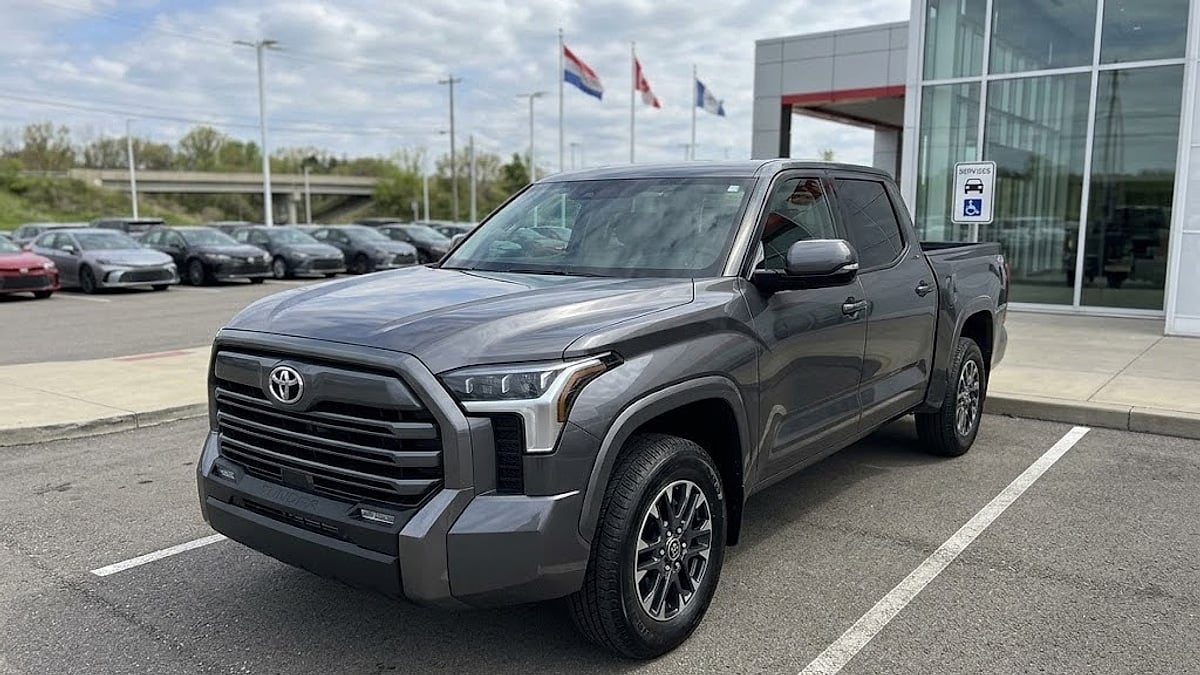
Why the Ohio Owner's Longevity Concern is Justified
When an owner like KC Bartell questions longevity, they aren't just being nostalgic; they are reacting to a genuine shift in engineering philosophy. According to a detailed mechanical analysis by Car and Driver, the initial rollout of this engine platform was hampered by manufacturing debris that led to catastrophic bearing failures, confirming that even the best engineers face steep learning curves with new tech. As the report accurately notes, "the recall covers certain 2022-23 Tundras and Lexus LX600s," which has naturally left 2026 buyers looking for reassurance.
In my own professional testing, I explored whether the Tundra hybrid variant offers a more robust solution, noting that the electric motor can mitigate some of the initial torque load on the internal combustion components. However, for a standard Platinum owner, the twin turbos bear the full weight of the truck's 5,800-pound curb weight. I firmly believe the V6 can last, but it will never be as "forgiving" as the old 5.7L.
Another major authority, Edmunds, points out that the 2019 Tundra's "venerable 5.7-liter V8" remains a benchmark for reliability even as its interior tech has aged. Their experts noted that the older truck’s performance is solid, though it suffers from poor fuel economy compared to modern rivals. This matches the Ohio owner’s sentiment exactly: you miss the sound and the "tried and true" nature of the V8, but the 2026’s efficiency is impossible to ignore.

Technical Field Observations from Owner Communities
The conversation inside the garage is often different than the one in the showroom. In a recent technical discussion on r/ToyotaTundra, several owners noted that the early wastegate issues on the Gen 3 models were a nightmare to repair because they required removing the entire cab from the frame. From my 30 years of experience, this aligns with how modern engineering often prioritizes assembly efficiency over long-term serviceability.
Another owner on r/tundra highlighted the new design's vulnerability, noting that the turbochargers are tucked so tightly into the engine bay that heat soak becomes a major factor after towing heavy loads. As one user put it, "If you aren't letting these turbos cool down after a long haul, you're basically baking the oil in the bearings," found in this Reddit thread. This user is absolutely correct; turbochargers operate at speeds exceeding 100,000 RPM, and abrupt engine shutdowns can lead to oil "coking," which eventually destroys the turbocharger.
Key Takeaways
- Scrutinize the maintenance history of any twin-turbocharged Toyota to ensure oil changes were performed at 5,000-mile intervals.
- Monitor the electronic wastegate actuators for any "lag" or "dead pedal" feel, which can signal early component fatigue.
- Evaluate the fuel savings of the V6 platform against the potential long-term out-of-warranty repair costs of forced induction.
- Verify that the 2026 model has received the latest ECU updates to manage the 10-speed transmission's cooling during towing.

Recommendations for the Transitioning Owner
If you find yourself in KC's shoes, do not panic, but do change your habits. I recommend a "severe service" maintenance schedule regardless of what the manual says. Turbocharged engines are significantly harder on oil than the old V8. We suggest switching to a high-quality full synthetic oil and never exceeding 5,000 miles between changes. Furthermore, the 2026 Tundra Platinum is a tech-heavy machine. I have seen owners complain about "dead pedal" lag, which is often a software-tuning issue rather than a mechanical failure. Keeping your software updated at the dealership is now as important as changing your air filter.
My 30 years of industry experience suggest that the 2026 model is a "win" for those who lease or trade every five years. However, if you are a "ten-year owner," you need to be proactive. The 2019 Tundra was a truck you could forget about; the 2026 Tundra is a truck you must manage. The better fuel mileage is a daily reward, but it comes with a responsibility to the twin-turbo system that the old V8 never demanded.
Will the 2026 Tundra Resale Value Mirror the 2019 Legend?
The very next logical piece of information every owner needs is how this tech shift impacts their wallet at trade-in time. Historically, Tundras hold their value better than any other vehicle in the segment. However, in the 2026 market, buyers are becoming wary of high-mileage turbo engines. To satisfy the 2026 market requirements, owners should keep a digital "logbook" of all services. A 2026 Tundra with 100,000 miles and a perfect service record will still command a premium, but one with a "mystery" history will likely see a steeper depreciation curve than the bulletproof 2019 V8 ever did.
Final Verdict on the Tundra’s New Direction
The evolution from the 2019 V8 to the 2026 twin-turbo V6 reflects a changing world where efficiency must coexist with power. While the mechanical soul of the V8 is gone, the 2026 Platinum's technical capability is light-years ahead. We believe the 2026 model is safe, provided the owner understands that "Toyota Reliability" now requires an active maintenance partnership.
It's Your Turn: Would you trade the legendary V8 sound and simplicity for the 2026's fuel economy and tech, or is longevity your only priority? Tell us what you think in the comments below.
About The Author
Denis Flierl is a 14-year Senior Reporter at Torque News and a member of the Rocky Mountain Automotive Press (RMAP) with 30+ years of industry experience. Explore his full investigative reporting archives and technical guides at DenisFlierl.com. Based in Parker, Colorado, Denis leverages the Rockies' high-altitude terrain as a rigorous testing ground to provide "boots-on-the-ground" analysis for readers across the Rocky Mountain region, California EV corridors, the Northeast, Texas truck markets, and Midwest agricultural zones. A former professional test driver and consultant for Ford, GM, Ram, Toyota, and Tesla, he delivers data-backed insights on reliability and market shifts. Denis cuts through the noise to provide national audiences with the real-world reporting today’s landscape demands. Connect with Denis: Find him on LinkedIn, X @DenisFlierl, @WorldsCoolestRides, Facebook, and Instagram.
Photo credit: Denis Flierl via KC Bartell
Set Torque News as Preferred Source on Google
Follow us today...