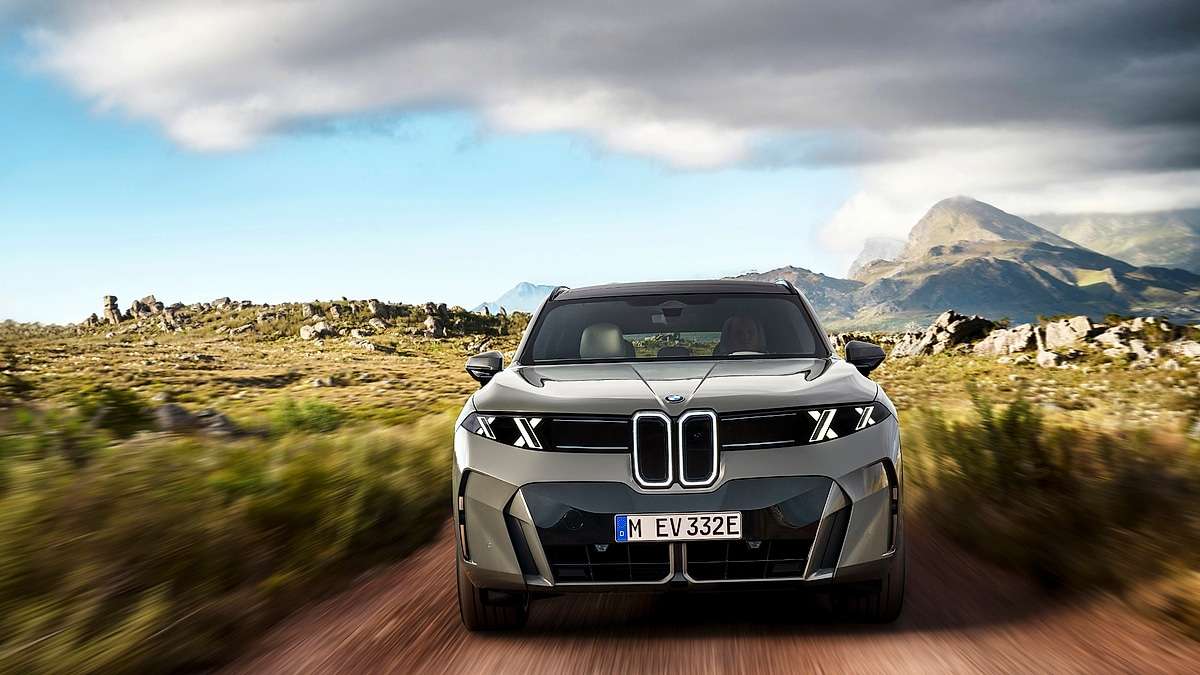

BMW's unveiling of the all new 2027 X5 looks, on the surface, exactly like what fans have come to expect from Munich. The official announcement leans on Neue Klasse styling, a dramatically upgraded digital cockpit, and the introduction of the fully electric iX5 alongside gasoline and plug in hybrid versions. That story echoes what we already covered when the BMW iX3 swept the World Car Awards earlier this year, proving that Neue Klasse engineering can win on merit, not just marketing. But read the X5 release a little more carefully, and a second story quietly emerges. BMW is not simply launching another luxury SUV. It is refusing to tell buyers which powertrain they should choose, a decision that connects directly to our earlier report on the BMW Munich plant's full transition toward Neue Klasse production.
Before going further, here is a simple question. If you were spending $80,000 or more on your next luxury SUV, would you rather BMW decide whether you drive gasoline, hybrid, or electric, or would you rather make that choice yourself? Keep that in mind as you read, then share your answer in the comments below.
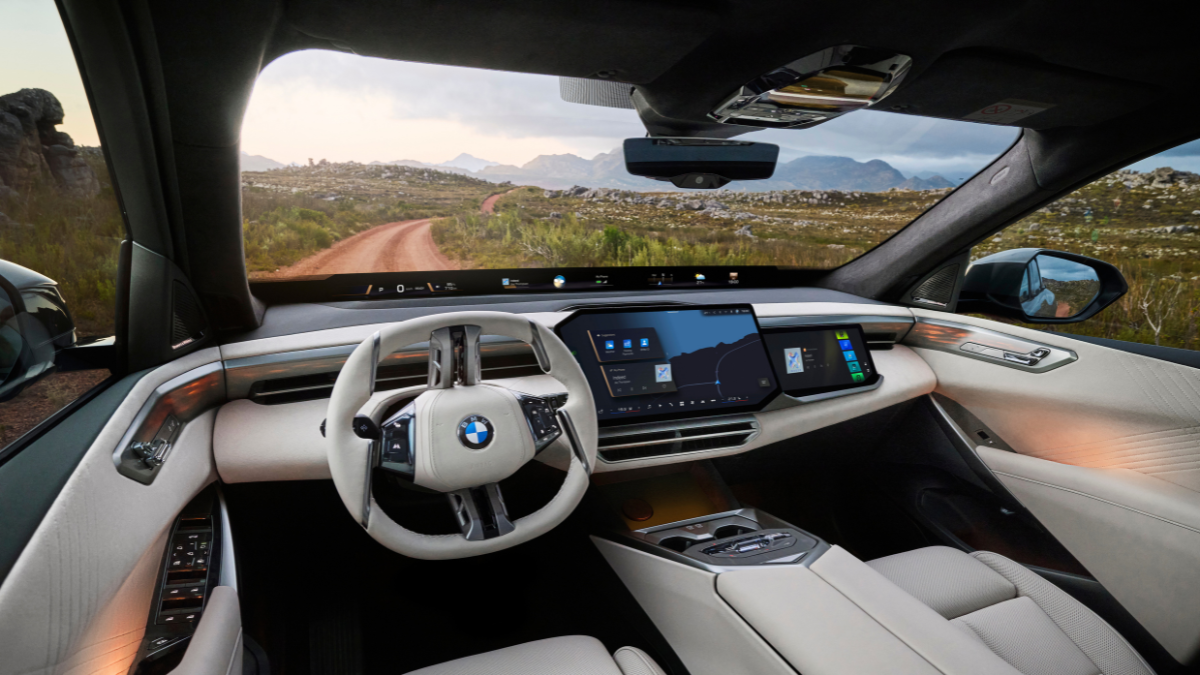
At first glance, BMW's announcement reads like a technology launch. It brings Panoramic iDrive, BMW Operating System X, faster computing, and a cleaner interior. Those upgrades matter, and they build on what we already saw previewed at CES 2026 with the BMW iX3 and Alexa+ integration.
But stop there and you miss what could become the defining story of the 2027 X5.
The Hidden Story: BMW Is Not Asking Buyers To Switch Vehicles, Only To Choose Their Powertrain
Many automakers have split their lineups into two separate worlds. One built around traditional gasoline models, and another built entirely around dedicated electric vehicles. BMW is taking a different path, and it shows up clearly in coverage like our piece on why the BMW iX3's 500 mile range platform changes what buyers expect from the brand going forward.
Instead of telling buyers that going electric means buying a completely different SUV, BMW lets customers keep the X5 they already know while picking the powertrain that fits their life. In today's market, that is unusual.
What Powertrains Will The 2027 BMW X5 Offer?
This is one of the biggest questions enthusiasts are searching for right now.
BMW plans to offer multiple powertrain choices, including:
- Gasoline-powered BMW X5 models
- Plug-in Hybrid (PHEV) X5 models
- Fully electric BMW iX5
- Diesel-powered X5 models (in selected global markets)
That kind of choice is not new to the nameplate. We reviewed the plug in hybrid version years ago in our BMW X5 xDrive40e review, where the eDrive system proved BMW had already been experimenting with powertrain flexibility long before Neue Klasse arrived.
Why Is BMW Keeping Gasoline, Hybrid, And Electric Versions Together?
The answer is practical. Not every buyer has home charging. Not every buyer drives the same number of miles. Some shoppers have already told us directly why they walked away from gas power, like the owner in our story about how one driver couldn't justify the gas and repair costs on a BMW X5 anymore before switching to a Tesla Model 3 Performance.
Others are not ready to give up the familiar ownership experience yet, and that tension shows up again in our report on how a BMW M3 ended up costing less to insure than a family X5, a reminder that size, weight, and powertrain all affect total cost of ownership in ways buyers do not expect.
Is The 2027 BMW X5 A Completely New SUV?
Yes, but perhaps not in the way some expect. The new X5 gets updated styling, a redesigned interior, and Neue Klasse electronic architecture, yet BMW deliberately avoided reinventing the X5's identity. That balancing act is similar to what we documented in our coverage of China's door handle rule forcing BMW to compromise Neue Klasse design, where regulation, not buyer preference, shaped how far BMW could push its new look.
Long time owners will recognize this as an X5. BMW is not asking loyal customers to start over. It is asking them to continue with a better version of something they already trust.
What New Technology Does The 2027 BMW X5 Get?
The new X5 introduces Panoramic iDrive, Operating System X, enhanced driver assistance, and a Neue Klasse electronic architecture. BMW is spending almost as much time talking about software as it once spent talking about horsepower. Even on the performance side, BMW's hybrid systems have shown real potential, as we saw in our look at a hybrid BMW gaining 168 horsepower from a simple Stage 1 tune, proof that electrified BMWs are not just about efficiency.
Is The BMW X5 Becoming BMW's Most Important Vehicle?
For decades, many enthusiasts pointed to the 3 Series. Today there is a real argument that the X5 has quietly become BMW's centerpiece, carrying luxury, family transportation, electrification, and the brand's global sales all at once.
How Does The 2027 BMW X5 Compare With Mercedes-Benz GLE, Audi Q7, Lexus RX, And Genesis GV80?
This is exactly the question many shoppers are asking before they buy. The Mercedes-Benz GLE leans on refinement. The Genesis GV80 delivers strong luxury value, something we explored firsthand in our 2025 Genesis GV80 3.5T Prestige review. The Lexus RX focuses on long term reliability and hybrid efficiency, a strength we revisited when one of our writers explained why the Lexus RX's hold on its segment finally started to slip after driving a Genesis GV70.
The Audi Q7 balances technology with practicality, and it has shown real winter capability in past comparisons, including the time the Subaru Ascent beat the Audi Q7 and BMW X5 in Consumer Reports snow testing. BMW is taking a different approach by letting buyers customize the ownership experience through powertrain choice while keeping the familiar X5 formula intact.
Why Doesn't BMW Force Customers Into An EV?
BMW understands that customers are transitioning at different speeds. Some buyers already have home chargers. Others live in apartments. Some commute twenty miles a day, others drive four hundred miles every weekend. Instead of building separate identities around each powertrain, BMW is letting buyers choose what works for their own lifestyle.
Could This Be BMW's Biggest Competitive Advantage Over The Next Decade?
The industry has spent years debating which powertrain will dominate the future. BMW seems less interested in answering that question and more interested in a different one. How do we make sure customers stay with BMW regardless of which powertrain they choose?
The Story Behind BMW's Press Release
Viewed this way, BMW's 2027 X5 announcement really does tell two stories. The first is obvious. New technology, new styling, new software, new displays. That is the press release everyone expected.
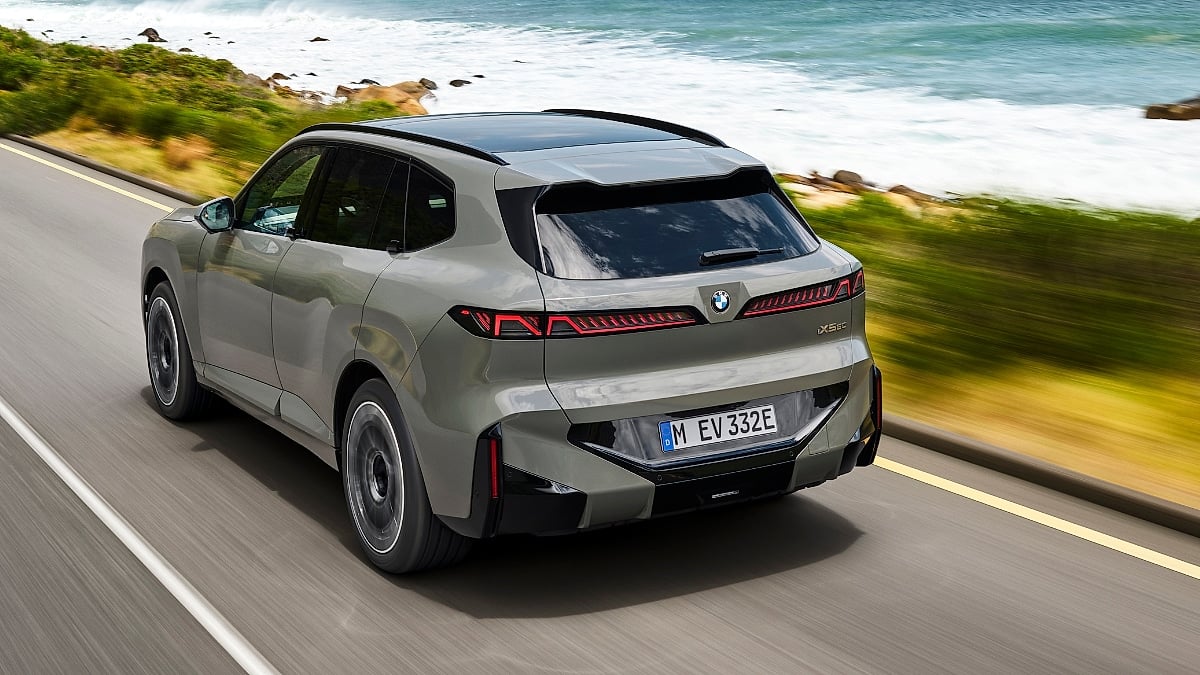
The second is quieter. BMW is placing trust in its customers. Rather than assuming every buyer is ready for the same future, it is allowing each customer to move at their own pace. In today's rapidly changing automotive market, that may prove more valuable than any single technological breakthrough.
The luxury SUV market is not just about horsepower anymore. It is not just about battery size or screens. It is about confidence that a vehicle fits a buyer's life today, and will keep fitting it tomorrow.
That may ultimately become the defining strength of the 2027 BMW X5. The hidden story is not that BMW built another luxury SUV. It is that BMW built one luxury SUV that can adapt to many kinds of buyers, instead of asking buyers to adapt to it.
The moral here is a simple one. Real respect for a customer sometimes looks less like telling them what the future holds, and more like trusting them to choose it for themselves.
What Do You Think?
Do you think BMW is making the right call by offering gasoline, plug in hybrid, diesel in some markets, and fully electric versions of the X5 instead of steering everyone toward one powertrain?
If you were shopping for a luxury SUV today, would the freedom to choose your own powertrain inside the same X5 family pull you away from the Mercedes-Benz GLE, Lexus RX, Audi Q7, or Genesis GV80? Share your thoughts in the comments below.
Return tomorrow, or check our Torque News Home Page for more interesting automotive news articles.
Images by BMW USA Pressroom.
About The Author
Armen Hareyan is the founder and Editor-in-Chief of Torque News and an automotive journalist with over 15 years of experience writing car reviews and industry news. Now based in the Charlotte region (Indian Land, SC, he founded Torque News in 2010, which since then has been publishing expert news and analysis about the automotive industry. He can be reached at Torque News on X, Linkedin, Facebook, and Youtube. Armen holds three Masters Degrees, including an MBA, and has become one of the known voices in the industry, specializing in the landscape of electric vehicles and real-world stories of actual car owners. Armen focuses on providing readers with transparent, data-backed analysis bridging the gap of complex engineering and car buyer practicality. Armen frequently participates in automotive events throughout the United States, national and local car reveals and personally test-drives new vehicles every week. Armen has also been published as an automotive expert in publications like the Transit Tomorrow, discussing how will autonomous vehicles reshape the supply chain, and emerging technologies in vehicle maintenance.
Set Torque News as Preferred Source on Google
Follow us today...