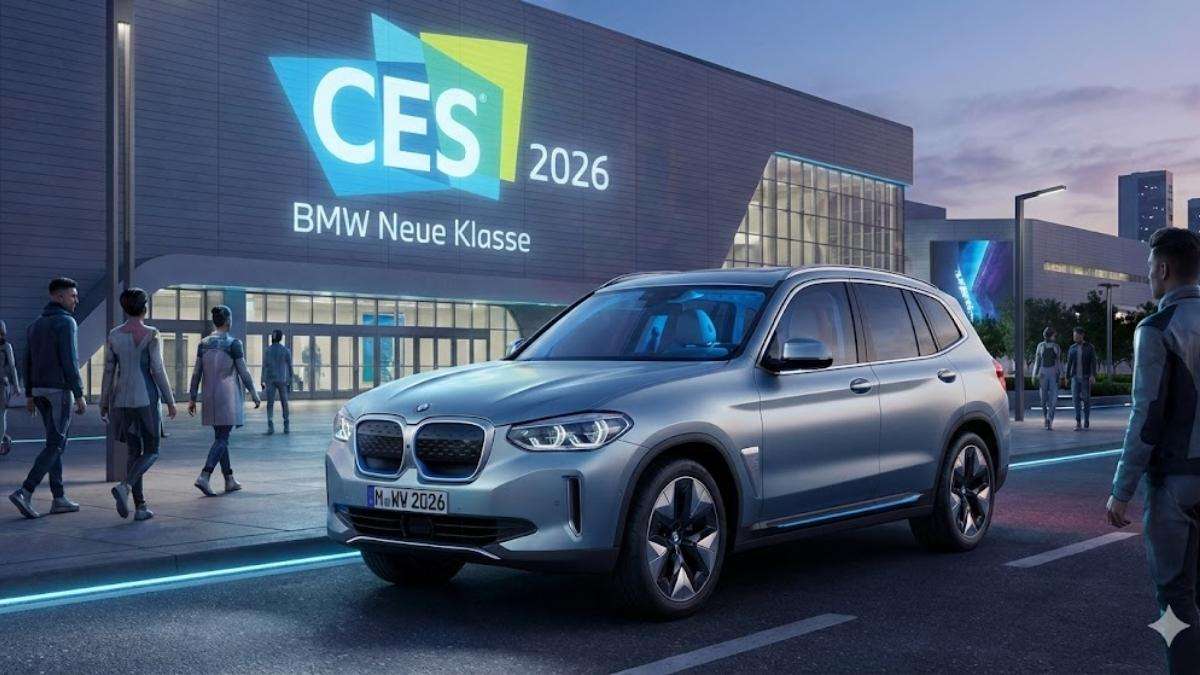

The automotive world is abuzz with confirmation that BMW will use the global stage of CES 2026 in Las Vegas to debut the production-ready version of its highly anticipated iX3. This isn't just another electric SUV; it's the vanguard of BMW's "Neue Klasse" (New Class) generation, a lineup that promises to redefine the brand's future. While the vehicle's design and electric powertrain are sure to turn heads, the real industry buzz is solidified around two groundbreaking technologies that will make their first-ever appearance in a production car: the new BMW Panoramic iDrive and the integration of Amazon's Alexa+ for advanced voice AI. These features signal a dramatic shift in how drivers will interact with their vehicles, moving beyond buttons and touchscreens into an era of intuitive, conversational, and immersive digital experiences.
Redefining the Cockpit: BMW Panoramic iDrive
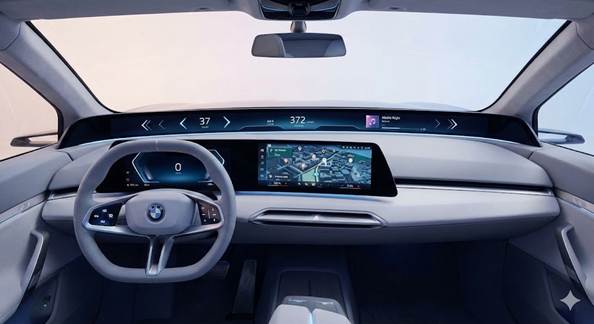
At the heart of the iX3's interior revolution is the BMW Panoramic iDrive. This system is a radical departure from the traditional gauge cluster and central infotainment screen setup. Based on concepts showcased in previous years, the Panoramic iDrive features a revolutionary display that spans the entire width of the windshield's lower edge. This full-width screen projects critical driving information, such as speed, navigation instructions, and driver assistance warnings, directly into the driver's primary field of view.
The goal is to keep the driver's eyes on the road, reducing the cognitive load and distraction associated with looking down at a traditional instrument panel or sideways at a central screen. This primary display is complemented by a 3D Head-Up Display for even more immediate information and a central, more conventional screen for detailed map views, media libraries, and system settings. The entire system is built upon a new software stack, likely a progression of BMW's Operating System 9, designed to be faster, more responsive, and capable of handling the complex graphical demands of the new displays.
A Conversational Copilot: The Alexa+ Advantage
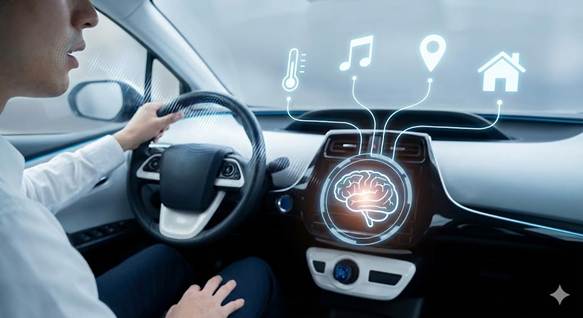
Perhaps the most significant leap forward is the integration of Alexa+, Amazon's next-generation voice assistant powered by generative AI. BMW will be the first automaker to bring this technology to a production vehicle. Unlike current voice assistants that rely on rigid, pre-programmed commands, Alexa+ is designed to understand natural language, context, and nuance. This means drivers can engage in more free-flowing conversations with their car.
For example, instead of saying "Set temperature to 72 degrees," a driver could simply say, "I'm a bit cold," and Alexa+ would intelligently adjust the climate control. The system's capabilities extend far beyond simple car functions. It can answer complex queries, draft emails, manage calendars, and even control smart home devices—all through natural, conversational voice interactions. This level of integration aims to create a seamless digital experience that follows the user from their home to their car.
The 2026 Landscape: How BMW Stacks Up
The automotive industry is in a technological arms race, and 2026 will see the debut of several highly anticipated vehicles. Competitors like Toyota and Nissan are also expected to launch models with significantly upgraded infotainment systems. These will likely feature larger, higher-resolution screens, faster processors, and deeper integration of Google built-in services like Google Maps and Google Assistant.
However, BMW's approach with the iX3 is fundamentally different. While others are making their central screens bigger, BMW is moving the core driving information away from the center console and onto the windshield. Furthermore, the reliance on Alexa+ as the primary interaction method is a bold bet on the maturity of generative AI. While other manufacturers will undoubtedly offer voice controls, BMW is aiming for a level of natural, conversational ability that could set a new benchmark for the industry. The success of this strategy will depend heavily on the real-world performance and reliability of the Alexa+ system.
The Voice AI Revolution: Promise and Peril
The integration of advanced voice AI like Alexa+ into automobiles has the potential to change the driving experience forever, for better or for worse. On the positive side, it promises to significantly reduce driver distraction. By allowing drivers to control virtually every aspect of the car's systems—from navigation and entertainment to climate and seat adjustments—without ever taking their hands off the wheel or their eyes off the road, safety could be greatly enhanced. The personalized, context-aware nature of the AI could also make for a less stressful and more enjoyable journey, with the car acting as a proactive and intelligent assistant.
However, there are valid concerns. The reliance on a cloud-based AI for core functions raises questions about connectivity and what happens when a signal is lost. Privacy is another major issue; an always-listening, highly intelligent AI in the intimate space of a car could make some users uneasy about data collection and usage. Furthermore, there's a risk that the engaging nature of a conversational AI could itself become a new form of cognitive distraction, with drivers becoming too engrossed in complex interactions with the system.
Wrapping Up
The debut of the BMW iX3 at CES 2026 marks a pivotal moment not just for BMW, but for the entire automotive industry. By betting big on the Panoramic iDrive and the industry-first integration of Alexa+, BMW is signaling that the future of driving is defined less by horsepower and more by computing power and user experience. The success of the iX3 will depend not only on its electric performance but on how seamlessly and reliably these new technologies are integrated into the driving experience. If successful, the iX3 could prove to be the blueprint for the software-defined vehicle of the future, where the car is an intelligent, conversational partner rather than just a machine.
Disclosure: Images rendered by Artlist.io
Rob Enderle is a technology analyst at Torque News who covers automotive technology and battery developments. You can learn more about Rob on Wikipedia and follow his articles on Forbes, X, and LinkedIn.
Set Torque News as Preferred Source on Google
Follow us today...