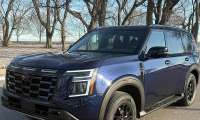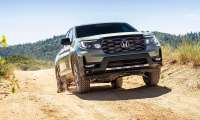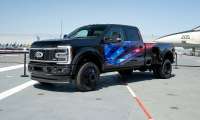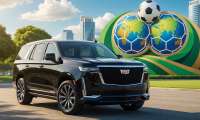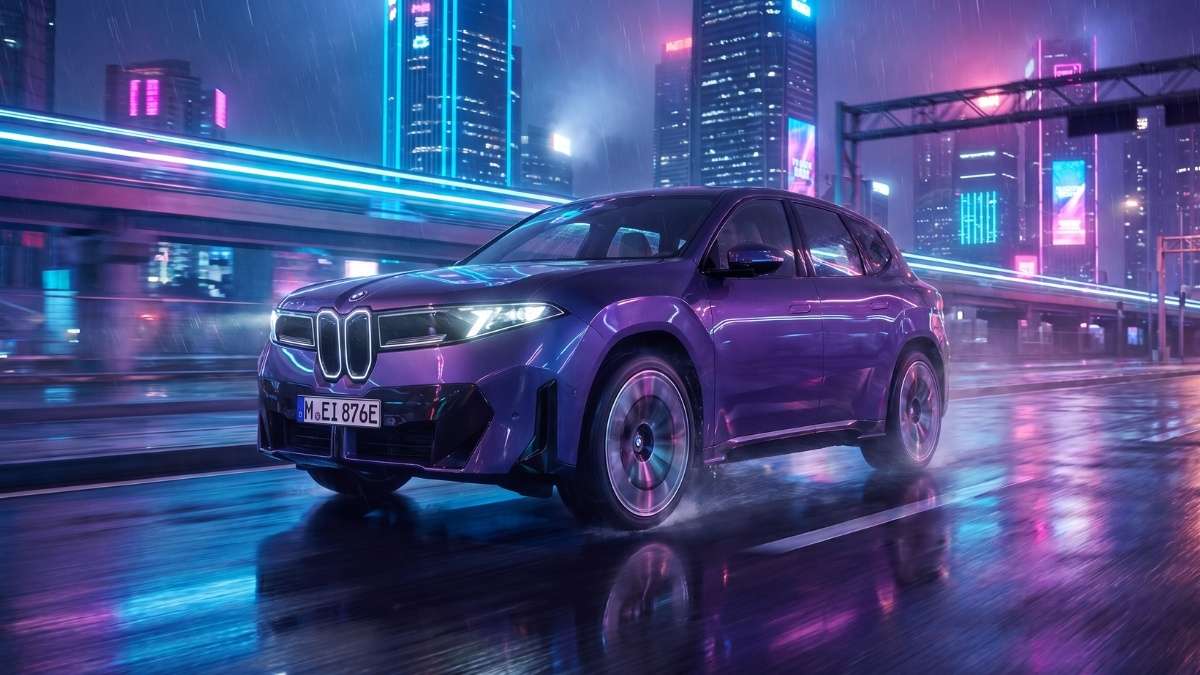

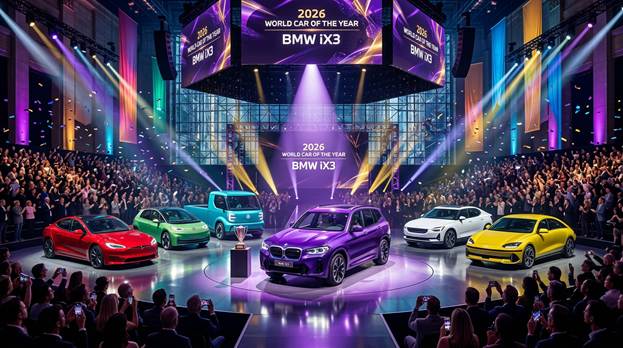
For those of us who have spent decades tracking the intersection of technology and automotive engineering, we have reached a "Godfather" moment—the point where the old guard is finally cleared out to make way for a new, digital-first dynasty. At the 2026 New York International Auto Show, the industry witnessed a total eclipse. For the first time in history, electric vehicles won all six categories at the World Car of the Year (WCOTY) awards. Leading the charge was the BMW iX3, built on the revolutionary Neue Klasse platform, taking the top honor of World Car of the Year.
This isn’t just a win for BMW; it is a validation of a twenty-year struggle. If we look back at the early 2000s, EVs like the REVAi or even the early Tesla Roadster were viewed as expensive science projects—niche toys for the wealthy or the environmentally obsessed. They lacked range, their charging infrastructure was non-existent, and their reliability was a giant question mark. Fast forward to today, and the script has flipped. According to recent reliability studies from Consumer Reports, modern EVs are beginning to outpace their internal combustion (ICE) counterparts as the complexity of modern emissions-choked engines leads to frequent failures. EVs are no longer just "good for being green"; they are objectively better machines.
The Failure of the Anti-EV Narrative
What makes this clean sweep so remarkable is the sheer volume of headwind the industry had to overcome. For the last five years, we have seen a coordinated, well-funded effort to disparage electric transport. Critics pointed to temporary cooling in sales growth, lithium mining ethics, and grid stability as "proof" that EVs were a fad. We saw headlines daily claiming that "buyers are returning to gas."
However, the 2026 WCOTY results prove that the consumer and the expert juror see through the noise. The narrative of the "EV slowdown" was often more about inventory adjustments and high interest rates than a lack of desire for the technology. The BMW iX3 didn't win because it was an "alternative"; it won because it outperformed every gas-powered competitor in cabin technology, structural safety, and driving dynamics.
Geopolitics and the Death of the Oil Safety Net
While technology improved, the external environment shifted in ways that made gas-powered cars a liability. The ongoing conflicts in Ukraine and the recent escalations in Iran have created a structural oil shortage that is different from the price spikes of the past. This isn't just about price per gallon; it's about energy security.
The disruption of traditional supply chains and the weaponization of fossil fuels have forced a realization among global middle classes: relying on a fuel source that can be held hostage by a distant autocrat is a strategic error. As IEA reports highlight the acceleration of clean energy transitions due to energy security concerns, the "total cost of ownership" argument for EVs has become undeniable. When you can "fuel" your car from a stable domestic grid, you aren't just saving money—you are gaining independence. This geopolitical pressure has pushed manufacturers to bring their "A-game" to platforms like the Neue Klasse.
Why the BMW iX3 and Neue Klasse Changed the Game
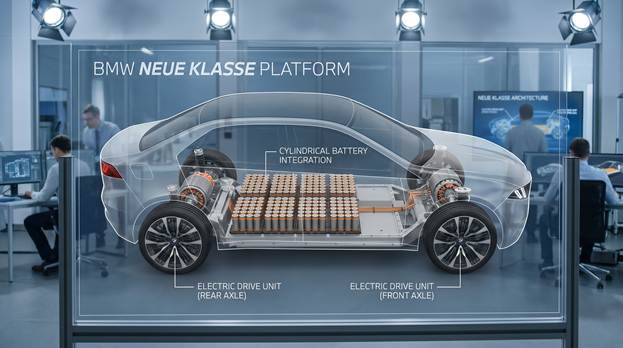
The BMW iX3’s victory is rooted in its platform. Unlike previous BMW EVs, which were often "Frankenstein" builds—ICE chassis stuffed with batteries—the Neue Klasse is a clean-sheet, software-defined architecture. It utilizes an 800-volt system that allows for ultra-fast charging, effectively killing "range anxiety."
The iX3 specifically won because it retained the "Ultimate Driving Machine" DNA while shedding the maintenance nightmares of the past. BMW's official Neue Klasse technical briefing explains how their sixth-generation eDrive technology offers 20% higher energy density. More importantly, it features a panoramic vision HUD that spans the entire windshield, a feat of integration that leaves competitors looking like they are stuck in the 2010s.
The Coming Storm: 2027 Competition
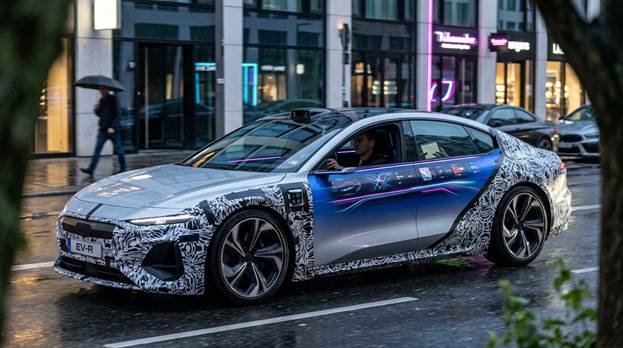
While BMW is celebrating today, the victory will be hard to defend. The "all-EV" sweep has signaled to every laggard manufacturer that the ICE era is over. The competition for next year is already looking fierce, with major investments in solid-state battery technology promising to move the goalposts even further. We expect to see the second-generation Porsche Taycan variants and the new "Juniper" Tesla Model Y refresh challenging the iX3's throne.
BMW’s advantage lies in its brand equity and its dealership service network, which is now fully transitioned to support high-voltage systems. But in the tech world, as in the car world, being on top just makes you the biggest target.
Wrapping Up
The 2026 World Car of the Year awards represent the definitive tipping point for the automotive industry. The BMW iX3 and its fellow EV winners have proven that the technological superiorities of electric drivetrains—reliability, performance, and integrated software—are no longer up for debate. Despite years of disparagement from fossil-fuel interests and the logistical nightmares caused by global conflicts in Iran and Ukraine, the market has spoken.
We have moved past the era of "compliance cars." We are now in the era of the Software-Defined Vehicle, where the most prestigious awards in the world are won not by those who refine the past, but by those who embrace the future. If you are still waiting for the "EV trend" to blow over, you’re going to be waiting a long time—likely at a gas station that costs more than your mortgage to visit.
Disclosure: Images rendered by Artlist.io
Rob Enderle is a technology analyst at Torque News who covers automotive technology and battery developments. You can learn more about Rob on Wikipedia and follow his articles on TechNewsWord, TGDaily, and TechSpective.
Set Torque News as Preferred Source on Google
Follow us today...