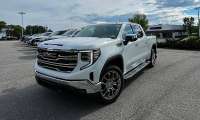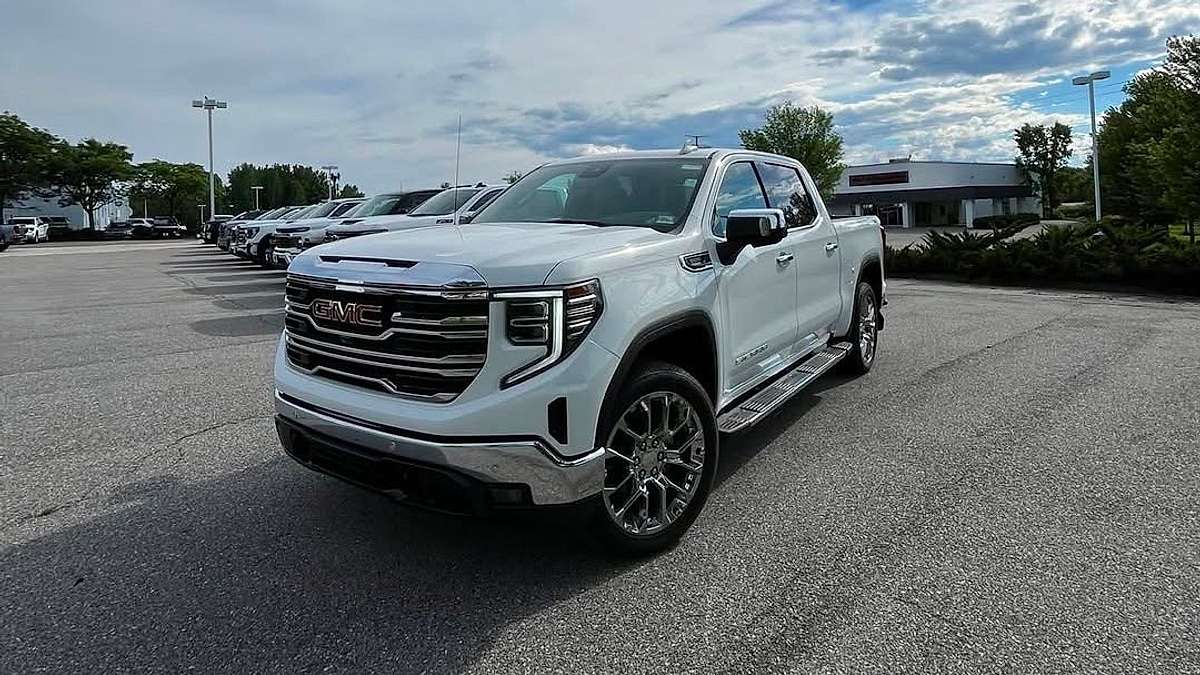

The High-Stakes Choice: Please the wife who wants a Tundra, or get the GMC Duramax torque?
What would you do?
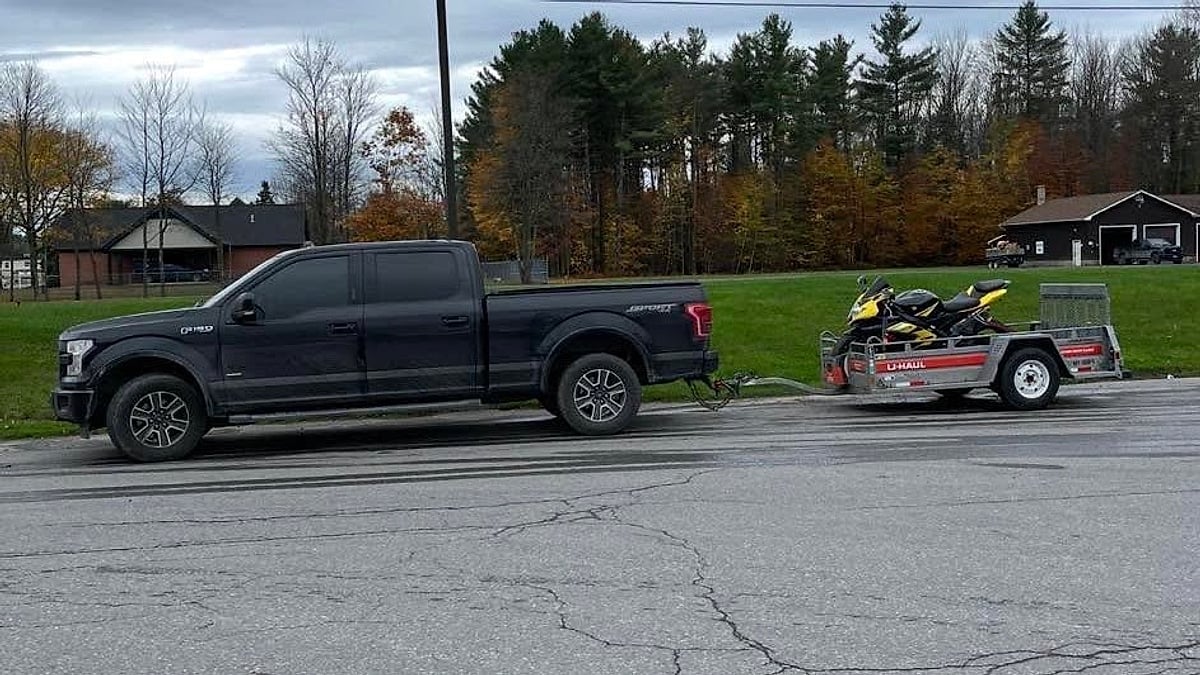
Trading in a Ford F-150 is always a calculated risk, but one truck owner just took things a step further by spurning his wife’s love for the Toyota Tundra to buy a 2026 GMC Sierra Duramax instead.
This defection from Ford highlights an increasingly common domestic gridlock in American driveways: the brutal friction between passenger-cabin preferences and raw mechanical capability.
Behind the Facebook Post
The dilemma surfaced when truck shopper Isaac Record posted his real-world conundrum on a major online Facebook truck community.
“I just sold my Ford F-150, and I’m looking at a 2026 Toyota Tundra or 2026 GM Sierra. My wife loves the Tundras with the back window going down and the comfort. I test drove a GMC Sierra with the Duramax and liked the torque and efficiency, but the dash and roofline feel too close together. Has anyone owned both?”
The Fatal Flaw of Spec-Sheet Shopping
Most automotive outlets examine these half-ton trucks through a shallow lens of high-gloss interior screens and generalized tow ratings.
With over 30 years of hands-on mechanical experience tearing down engines, I look at the structural realities underneath the paint.
The hidden story here isn't about marketing brochures; it is a fundamental engineering conflict between the thermal packaging of a forced-induction gasoline engine and the efficiency of a small-displacement commercial diesel.
The Tundra’s Unseen Engine Nightmare
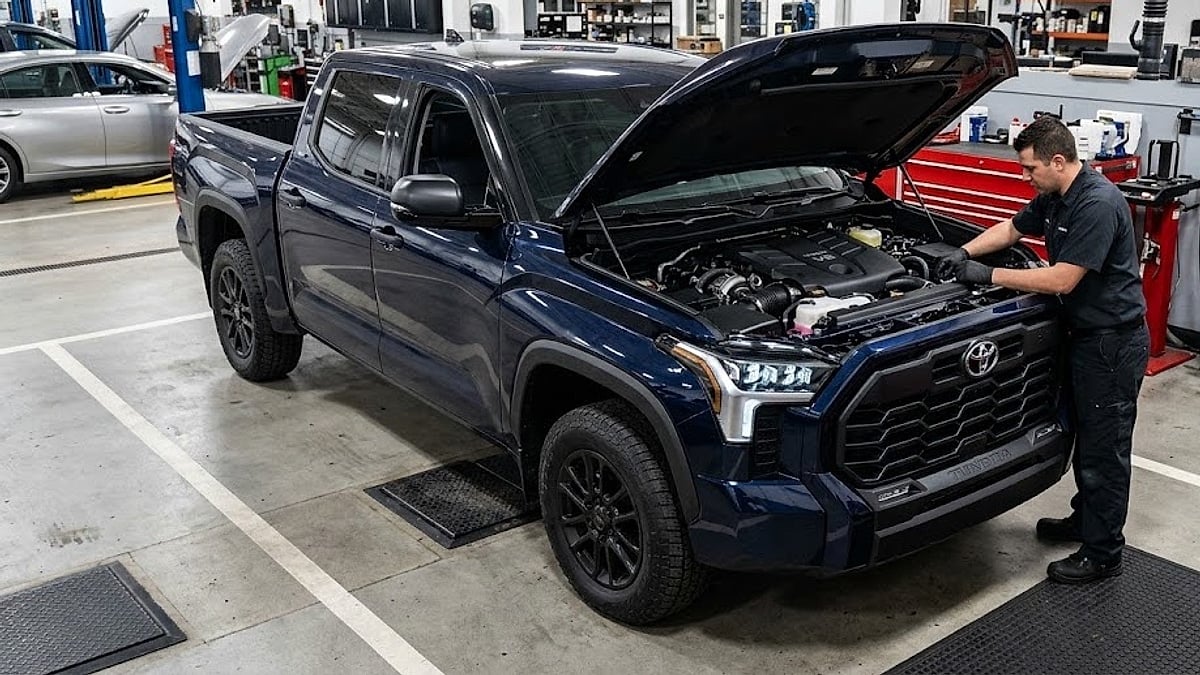
Toyota’s third-generation half-ton was designed to conquer the market with its advanced V35A-FTS twin-turbo V6 engine platform.
However, as a recent automotive teardown expert review published on The Drive examining the V35A-FTS main bearing failures points out, these highly stressed layouts place immense mechanical loads on localized internal components.
This structural vulnerability is exacerbated by a persistent manufacturing nightmare: systemic contamination of factory-level engine blocks.
According to an investigative report by the consumer advocates at The Lemon Law Experts analyzing the Toyota Tundra engine lawsuit, the residual machining debris left inside these twin-turbo powerplants can cause severe internal damage, ultimately leading to sudden engine stalls and catastrophic bearing failure.
The First-Hand Forensic Evidence
My forensic analysis of these platforms confirms that the factory cleanup windows were severely underestimated.
I have tracked multiple instances of owners finding large, reflective metallic flakes trapped in their pleated paper filters within the first 4,000 miles.
As I recently detailed in my analysis of the 2026 Toyota Tundra V6 engine crisis, when an engine sheds enough abrasive debris to contaminate its second oil filter well ahead of standard maintenance schedules, it indicates active, ongoing degradation of the main journals.
The twin turbochargers are mounted low and tight against the block, leaving zero margin for error when unhardened bearing substrate enters the microscopic oil metering orifices.
High-Altitude Reality Checks
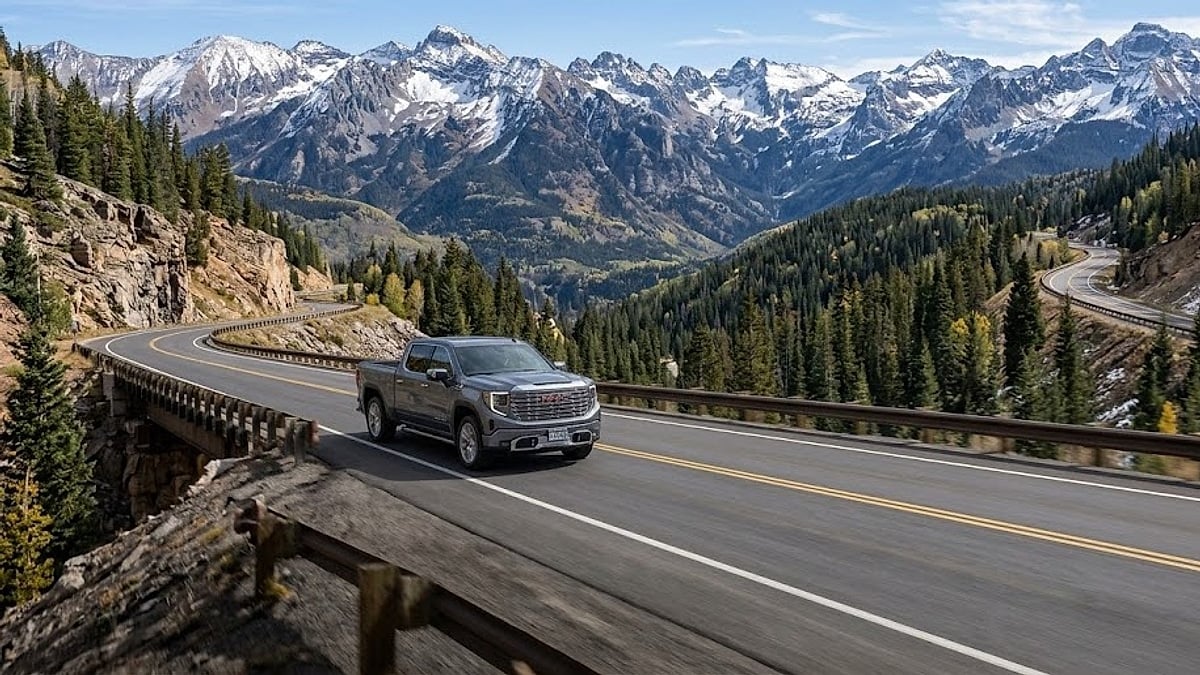
This mechanical risk scales exponentially under demanding conditions, such as climbing steep, high-altitude mountain passes in the Rocky Mountains.
In my decades of vehicle testing across Colorado, I have documented how thin air alters structural wastegate duty cycles, forcing twin turbochargers to spin up to 20 percent faster to maintain standard target boost pressures.
This high-altitude stress elevates oil temperatures entering the turbocharger housings, which can cause rapid bearing burnout if the lubrication loop is restricted by manufacturing debris.
The Real Reason the Duramax Wins
Faced with Toyota’s complex, high-pressure turbo layout, the GMC Sierra’s 3.0-liter LZ0 Duramax inline-six turbo-diesel presents a completely different physical reality.
Instead of building peak energy high in the rev range like a downsized gasoline V6, the inline-six diesel delivers its maximum torque at a mere 1,500 RPM.
This low-end torque delivery reduces thermal cycling and rotational stress, making it an incredibly durable powertrain for long-term ownership.
The Compromise Inside the GMC Cabin
Yet, choosing the superior powertrain means inheriting GM's distinct structural packaging compromises.
Isaac Record correctly identified that the GMC’s dash and roofline feel uncomfortably close together, a common layout complaint across the current generation of GM full-size trucks.
As noted in a separate long-term powertrain assessment by GMC Owner Trades V8 Sierra for 2026 TurboMax, this compressed greenhouse geometry can feel restrictive compared to the airy cabin of the Tundra with its signature roll-down rear glass.
The acoustic landscape is also inherently different; instead of a quiet gasoline rumble, the Duramax introduces a distinct low-frequency diesel compression note and subtle vibrations at idle.
Overruling Comfort for Capability
Despite these ergonomic flaws, truck buyers are increasingly making the pragmatic choice to prioritize mechanical longevity over cabin layout.
Toyota’s plush seats and roll-down rear window cannot compensate for the 100,000-mile anxiety caused by documented bearing vulnerabilities.
The Duramax’s exceptional real-world fuel efficiency combined with effortless low-end grunt provides a distinct substance moat that downsized gasoline engines simply cannot match under load.
The Next Question Truck Buyers Must Face
What happens to your long-term ownership costs if you choose a diesel truck over a hybrid gasoline truck?
While the GMC Duramax avoids the catastrophic bearing vulnerabilities of the Tundra, owners must stay vigilant regarding emission-system maintenance, including Diesel Exhaust Fluid (DEF) quality and particulate filter regeneration cycles, which can add operational overhead if the truck is used exclusively for short, cold-weather commutes.
The Final Verdict on This Defection
This calculated defection from Ford highlights a structural market shift where savvy truck buyers are willing to accept minor interior ergonomic flaws in exchange for a robust, commercially proven powertrain architecture.
When long-term reliability and heavy towing are the primary criteria, the structural simplicity of low-RPM diesel torque will continue to outclass high-stress, downsized twin-turbo gasoline alternatives every single time.
It’s Your Turn: If you had to choose between cabin comfort and raw mechanical durability, which truck would win a spot in your driveway?
Please leave a comment in the red "Add new comment" link below to join the discussion.
Come back tomorrow… or check my Torque News Home Page for more of my informative GMC Sierra & Toyota Tundra news articles.
About The Author
Denis Flierl is a 14-year Senior Reporter at Torque News and a member of the Rocky Mountain Automotive Press (RMAP) with 30+ years of industry experience. Explore his full investigative reporting archives and technical guides at DenisFlierl.com.
Based in Parker, Colorado, Denis leverages the Rockies' high-altitude terrain as a rigorous testing ground to provide "boots-on-the-ground" analysis for readers across the Rocky Mountain region, California EV corridors, the Northeast, Texas truck markets, and Midwest agricultural zones.
A former professional test driver and consultant for Ford, GM, Ram, Toyota, and Tesla, he delivers data-backed insights on reliability and market shifts. Denis cuts through the noise to provide national audiences with the real-world reporting today’s landscape demands.
Connect with Denis: Find him on LinkedIn, X @DenisFlierl, @WorldsCoolestRides, Facebook, and Instagram.
Photo credit: Denis Flierl via Isaac Record
Set Torque News as Preferred Source on Google
Follow us today...