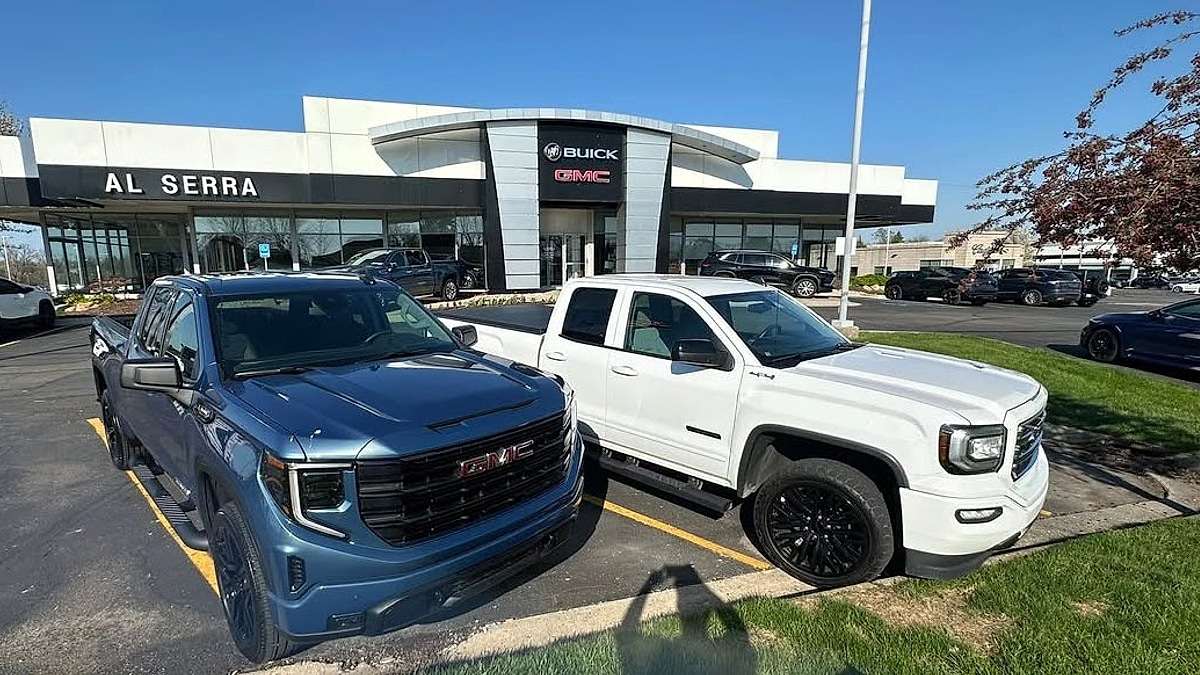

The small-block V8 is dying.
Dealership lots are filling up with four-cylinder engines. Truck buyers are reaching a historic tipping point.
For a decade, the recipe for a full-size American pickup was written in stone: eight cylinders, a deep exhaust rumble, and predictable, naturally aspirated power.
But a dramatic shift in manufacturing strategies has forced long-time truck purists to make an unexpected gamble at the trade-in desk.
When a Facebook Post Reveals the Hidden Consumer Anxiety
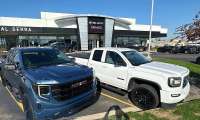
The tension between modern engineering and driver expectations recently exploded onto social media. Long-time owner Sean Chesney took to the Chevy Silverado & GMC Sierra Owners Facebook community to share his experience moving across a 10-year age gap.
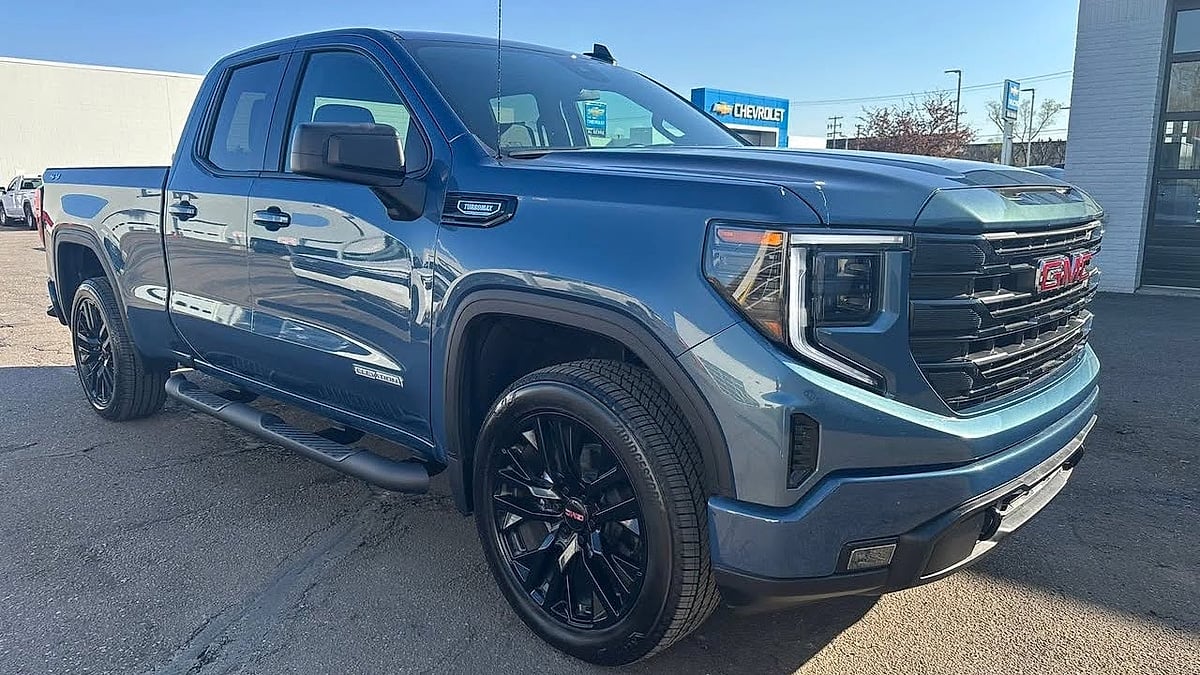
"I just traded my 2016 GMC Sierra Elevation in for a 2026 model," Chesney shared. "I miss the V8, but the TurboMax isn't so bad, and I am hoping to add some cool mods."
This honest assessment highlights a broader cultural split happening inside the truck world. Buyers are stepping away from traditional engine configurations because dealership inventory pressures and fuel-economy regulations make downsizing nearly unavoidable.
The Raw Data Versus the Driver's Seat Sensation
On paper, General Motors has built a mechanical masterpiece with its 2.7-liter L3B turbocharged inline-four engine. According to official testing parameters published by Edmunds Technical Specs, the modern high-output engine produces an impressive "maximum torque of 430 lb-ft @ 3000 RPM."
That figure outmuscles the classic 5.3-liter EcoTec3 V8 by an impressive 47 pound-feet of pulling force. Yet, the moment an owner steps on the accelerator pedal, the spec-sheet advantage collides with a different physical reality inside the cabin.
A high-strung, small-displacement four-cylinder engine experiences rapid pressure spikes to produce its peak numbers. This creates an inherently different power-delivery curve compared to that of a large, naturally aspirated engine, which builds energy smoothly across the entire rev range.
An exhaustive engineering review by Car and Driver L3B Engine Analysis emphasizes that this engine is fundamentally robust, noting it features a "more robust rotating assembly and a lack of direct oil squirters" in its base variants compared to the high-output version.
But even with heavy-duty components inherited from commercial diesel engineering, it cannot mimic the immediate throttle response that truck owners have relied on for generations.
Escalating Maintenance Trapdoors of the Modern Small Block V8
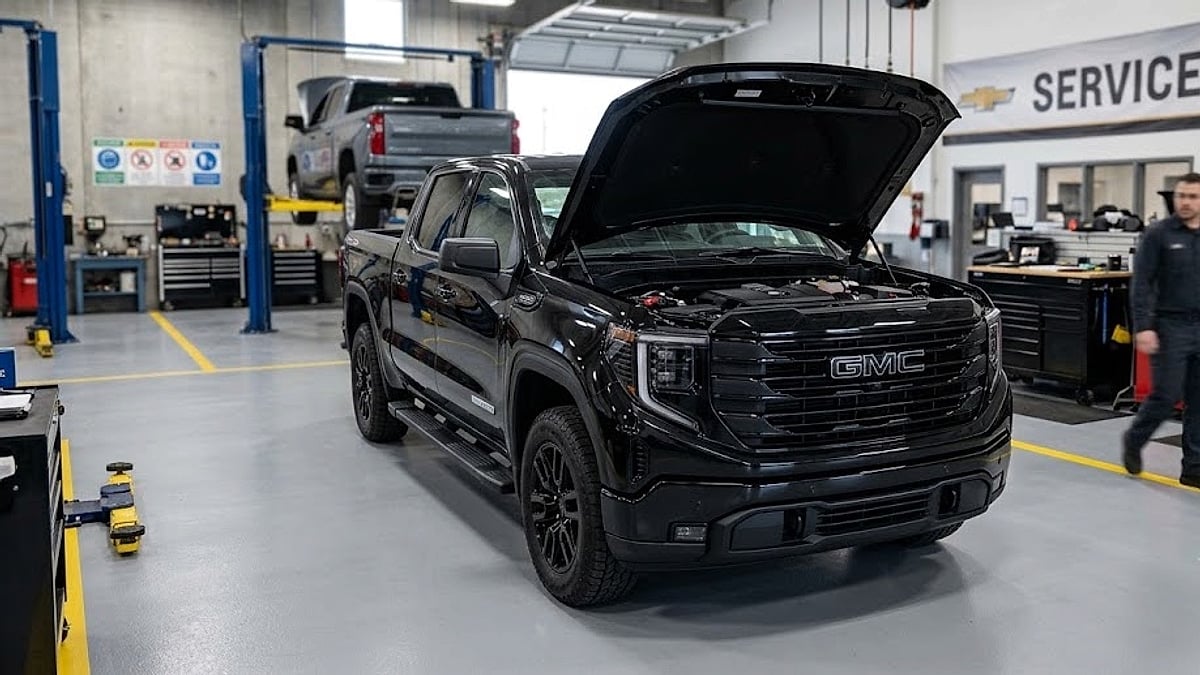
While many truck buyers miss the auditory soul of an old-school engine, keeping a late-model GM V8 on the road has turned into a high-stakes financial gamble. Massive production defects in recent model years have left thousands of truck owners facing sudden mechanical failures.
As reported in my extensive investigation into The $13,000 Used Chevy Silverado Trap, federal data show that owners frequently reported "no detectability prior to the engine failure," leading to a complete loss of propulsion. These surprise breakdowns have tarnished the legendary reputation of GM's small-block engineering family.
The primary culprit behind this reliability crisis is the complex cylinder deactivation hardware designed to save fuel on the highway. Dynamic Fuel Management (DFM) relies on delicate oil control valves and locking lifter pins that are prone to jamming.
According to my operational analysis titled "Chevy V8 Lifter Failures Exposed," a major driver of total engine lockup is that "partial lifter replacement can cause total engine lockup and oil starvation because root contamination is rarely fully flushed."
This means owners who stick with a V8 out of nostalgia are often driving a mechanical time bomb.
The Forced Transition Away From Displacement
Faced with the threat of five-figure repair bills on older V8 models, trading up to a brand-new truck with a full factory warranty looks highly attractive. This financial pressure is exactly what is driving lifelong brand loyalists to downsize their expectations for engines.
GMC sales staff are actively steering customers toward the TurboMax by offering thousands of dollars in regional credits. This makes a 2026 Elevation four-cylinder thousands of dollars cheaper off the showroom floor than an equivalently equipped V8 model.
Yet, this pricing structure leaves the buyer to manage the real-world operational quirks of a high-boost engine package. The acoustic feedback from under the hood can be jarring for a driver who spent a decade listening to a deep exhaust note.
Instead of a low rumble, the TurboMax introduces a distinct whistle from the dual-volute turbocharger accompanied by a more pronounced vibration at idle. For many owners, this acoustic landscape creates a lingering sense of cabin disappointment despite the truck's impressive acceleration.
High-Altitude Performance Realities Along the Rockies
The real-world performance gap between these two philosophies becomes starkly apparent when navigating extreme geographic terrain. This is especially true across the high-altitude mountain corridors of Colorado, where thin air robs traditional engines of their strength.
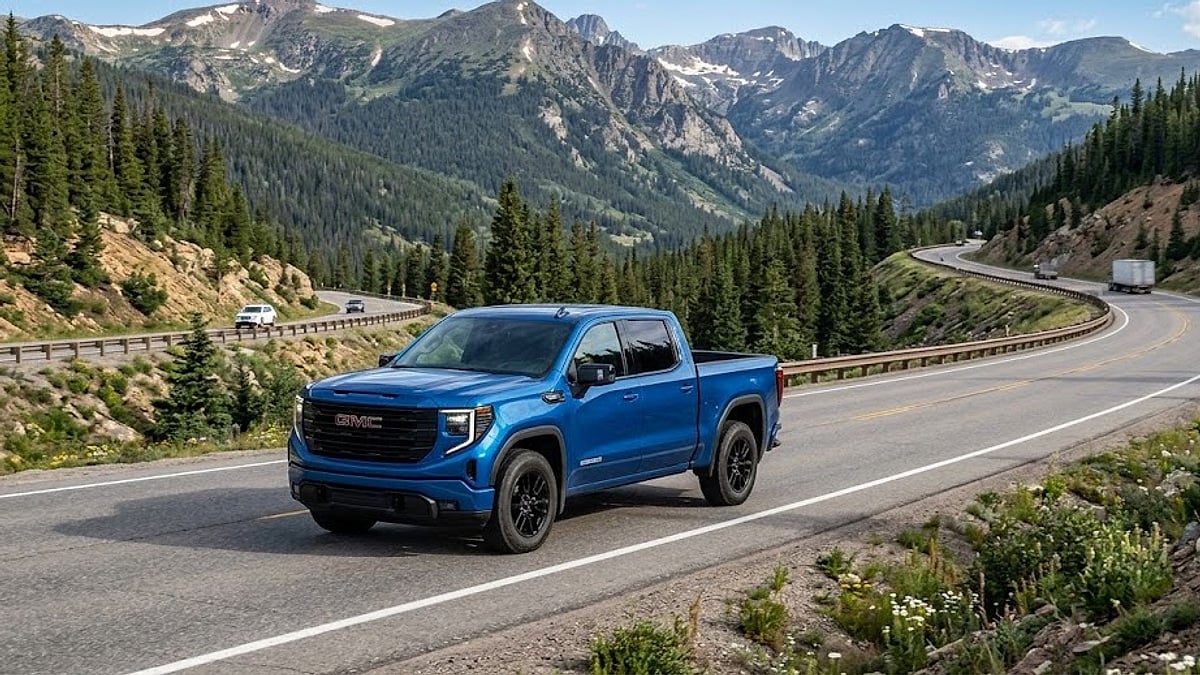
A naturally aspirated 5.3-liter V8 loses roughly three percent of its total horsepower for every 1,000 feet of elevation gain. By the time a driver climbs from Denver up to Vail Pass or the Eisenhower Tunnel along Interstate 70, a traditional truck has forfeited nearly a third of its usable power.
In contrast, a modern forced-induction powertrain like the TurboMax utilizes its wastegate control to cram air into the intake manifold regardless of altitude. This allows the smaller engine to maintain its 430-pound-foot torque even at 11,000 feet above sea level.
For drivers across the Rocky Mountain region, the four-cylinder powertrain delivers an undeniable functional victory over an old small-block. Yet, this high-altitude competence requires the engine to work under immense thermal and mechanical stress, raising long-term questions for owners who plan to keep their vehicles past the 100,000-mile mark.
Unmasking the Dealership Aftermarket Modification Dilemma
As truck buyers like Sean Chesney look for ways to personalize their downsized trucks, they are running into a frustrating aftermarket wall. The classic V8 engine bay offered infinite space for simple bolt-on upgrades like cold-air intakes, long-tube headers, and aggressive exhaust systems.
Tuning a highly synchronized, computerized turbocharger setup is a completely different and far more restrictive process. Most traditional modifications fail to yield meaningful performance gains because the factory engine control unit tightly manages boost pressures to protect the internal components.
Attempting to bypass these electronic safeguards instantly flags the vehicle's powertrain software to the dealership. For an owner driving a brand-new 2026 model, an unapproved software tune or aggressive modification can immediately void the factory powertrain warranty.
What is the Next Big Move for Full-Size Truck Powertrains?
The very next logical question truck buyers are asking is: Will General Motors completely phase out gas-powered V8 engines in their half-ton trucks over the next two years?
Internal engineering updates show that GM is actually doubling down on a split strategy. While the four-cylinder TurboMax remains the high-volume fleet leader, manufacturing insiders confirm that tighter quality-control oversight is being implemented for an upcoming generation of small-block V8 engines.
This dual-track approach ensures that commercial buyers can access inexpensive turbocharged efficiency, while traditional buyers who are willing to pay a steep premium can still secure classic eight-cylinder performance.
Final Verdict on the 10-Year Trade-In Gamble
Trading a legacy 2016 V8 for a highly advanced 2026 TurboMax offers a stark reminder that modern truck ownership requires a compromise between emotional preference and engineering efficiency.
While the four-cylinder platform delivers superior pulling power on paper and dominates at high altitudes, it sacrifices the simple mechanical soul and predictable long-term durability that defined the previous decade of American trucking.
How About You? Would you ever willingly trade your naturally aspirated V8 truck for a highly stressed, high-boost turbocharged four-cylinder engine? Please leave a comment in the red "Add new comment" link directly below to join the discussion.
Come back tomorrow… or check my Torque News Home Page for more of my informative Chevy Silverado/GMC Sierra news articles.
About The Author
Denis Flierl is a 14-year Senior Reporter at Torque News and a member of the Rocky Mountain Automotive Press (RMAP) with 30+ years of industry experience. Explore his full investigative reporting archives and technical guides at DenisFlierl.com.
Based in Parker, Colorado, Denis leverages the Rockies' high-altitude terrain as a rigorous testing ground to provide "boots-on-the-ground" analysis for readers across the Rocky Mountain region, California EV corridors, the Northeast, Texas truck markets, and Midwest agricultural zones.
A former professional test driver and consultant for Ford, GM, Ram, Toyota, and Tesla, he delivers data-backed insights on reliability and market shifts. Denis cuts through the noise to provide national audiences with the real-world reporting today’s landscape demands.
Connect with Denis: Find him on LinkedIn, X @DenisFlierl, @WorldsCoolestRides, Facebook, and Instagram.
Photo credit: Denis Flierl via Sean Chesney
Set Torque News as Preferred Source on Google
Follow us today...