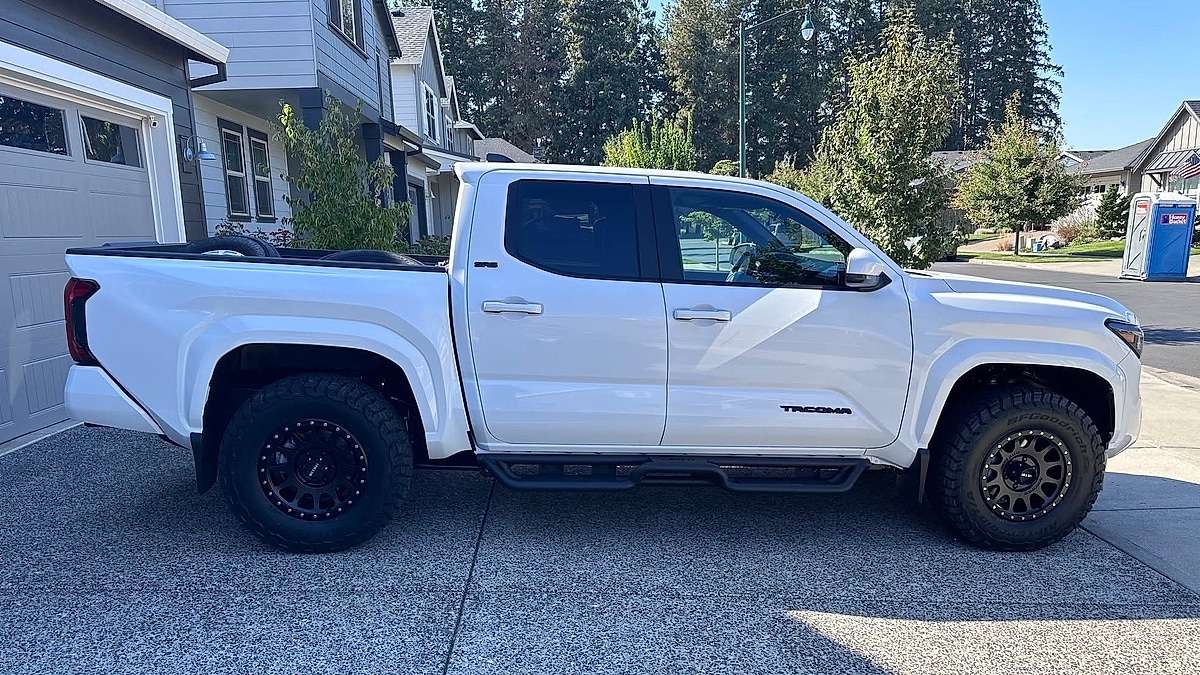

The dream is dead. A brand-new Toyota Tacoma should never leave its owner stranded on a crowded highway.
For one loyal buyer, a sudden mechanical nightmare shattered decades of devotion to this automotive brand.
A dangerous electrical and powertrain failure sequence is quietly circulating within the enthusiast community.
The problem goes far beyond a single bad component or an isolated assembly line glitch. Underneath the sleek bodywork of the redesigned 4th-generation midsize pickup lies a complex digital battleground where factory software and electronic hardware are actively crashing.
The Day the Power Died on the Interstate
Imagine cruising down a fast-moving freeway when your accelerator pedal completely stops responding.
That is exactly what happened to Derek Miller, an Oregon native who recently shared his harrowing ordeal on the 4th Generation Toyota Tacoma Owners Group Facebook page.
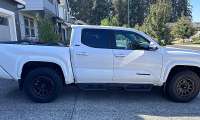
His stock 2025 Toyota Tacoma SR5 4x4 suddenly triggered a "reduced engine power, visit dealer" warning light while moving at highway speeds.
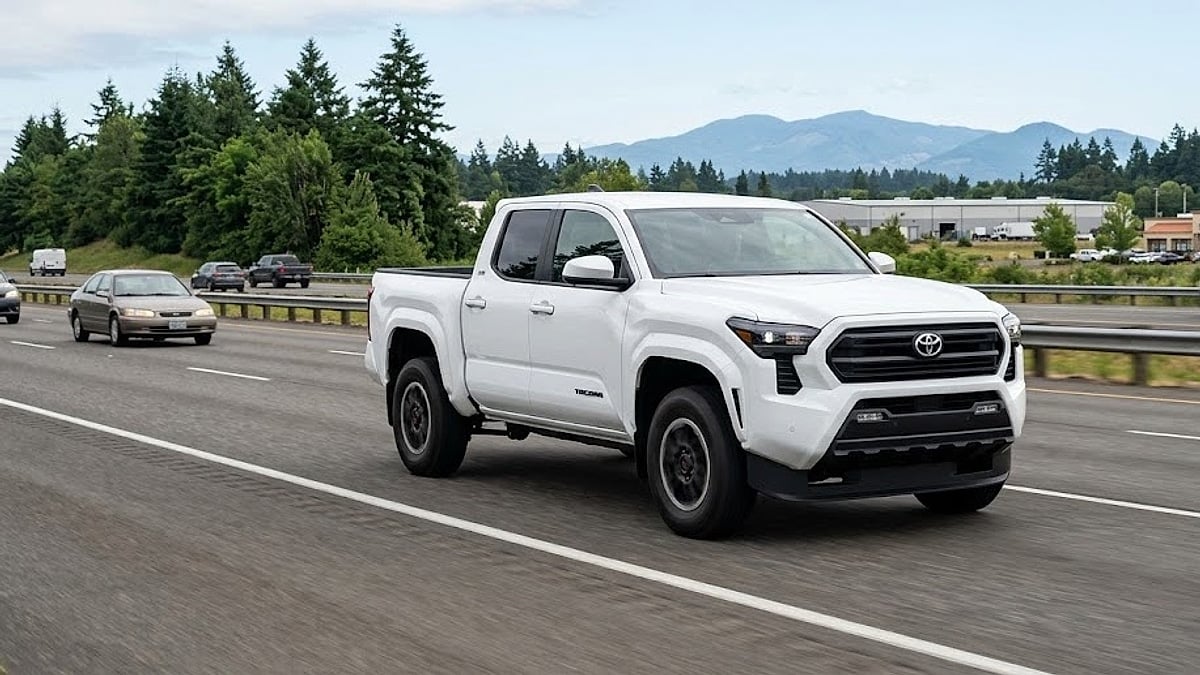
The situation deteriorated rapidly the following day when the truck experienced the same terrifying shutdown more than a dozen times while idling through bumper-to-bumper city traffic. Miller explained that his engine loses power, and the throttle becomes unresponsive, until he pumps the gas pedal multiple times to gradually bring the powertrain back to life.
"My 2025 Tacoma SR5 4x4 started getting the 'reduced engine power, visit dealer' error 12-15 times yesterday doing 20 mph in bumper-to-bumper traffic," Miller warned the community. "The engine completely loses power, and the throttle is unresponsive; its EC main board blew after two months, leaving the truck completely dead, and a broken door handle took an entire month to get parts to fix. We are a die-hard Toyota family, but I can't say the Tacoma experience has been overly positive thus far."
The Electronic Ghost in the Factory Software
What is driving this sudden loss of acceleration? Industry analysts at Car and Driver have already confirmed that dealers are tracking multiple fault codes revealing that either a pressure control solenoid actuator or a torque converter clutch actuator can get stuck in the off position. When these micro-solenoids experience pressure drops, the computer commands a "soft" electronic override to protect the mechanical components from complete destruction.
This digital self-defense mechanism is known in service bays as limp mode. The truck limits engine output to prevent internal components from shearing, but it leaves the driver in an incredibly vulnerable position on the road.
As reported by Road & Track, an official technical service bulletin reveals that affected trucks will receive a completely new transmission assembly and torque converter if they present specific diagnostic trouble codes to technicians. This confirms that the automaker is well aware of the early-production hardware gremlins hiding within the drivetrain.
The Growing Nightmare of Diagnostic Limbo
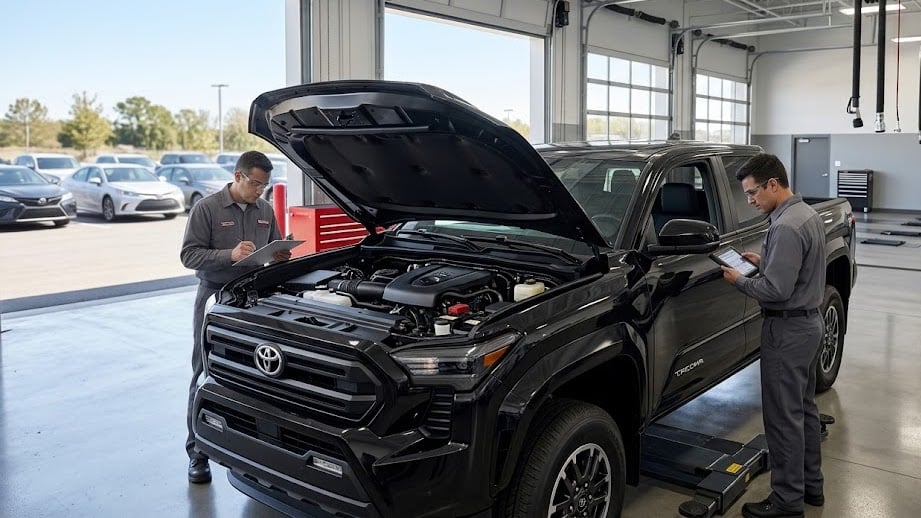
The true frustration for buyers begins after the tow truck drops the vehicle off at the service drive. My ongoing investigative reporting has revealed that a severe structural and software imbalance within the Toyota Tacoma AL80F 8-speed automatic transmission is triggering these abrupt overrides. Technicians are frequently left staring at empty computer screens when intermittent fault codes reset themselves before the truck reaches a service bay.
This creates a scenario where an owner is sent home with a dangerous vehicle because the dealership "cannot replicate" the failure. It is a modern corporate diagnostic trap that forces consumers to act as unpaid test drivers for unrefined electronic components.
Furthermore, my separate Tacoma analysis notes that a flawed internal-control solenoid design can cause severe gear slippage within the first 10,000 miles when line pressure drops. When the hydraulic pressure drops below the minimum threshold set by the Transmission Control Module (TCM), the internal clutch packs slip, generating extreme thermal spikes.
The Rocky Mountain Altitude Reality Check
This electronic friction operates on an accelerated timeline when these vehicles are forced to traverse demanding geographic regions. In high-altitude environments like Parker, Colorado, or along the steep inclines of Vail Pass and the Eisenhower Tunnel, atmospheric density drops significantly.
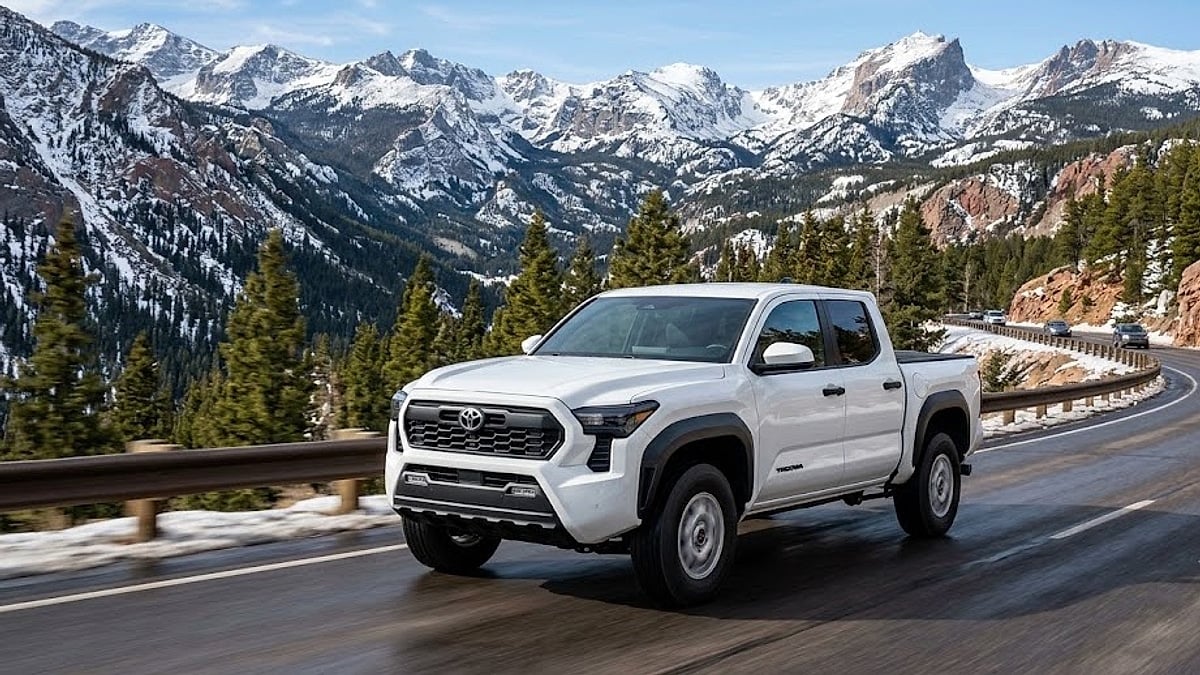
The engine control module must command a much higher turbocharger wastegate duty cycle to maintain standard power output. This extreme thermodynamic load places immense pressure directly onto the downsized Tacoma i-Force 2.4-liter turbocharged powertrain.
When a truck is already fighting thin air at 11,000 feet, an unexpected voltage spike or a tiny drop in hydraulic pressure within the electronic throttle body will instantly drop the platform into limp mode. For drivers trying to merge safely with heavy commercial traffic on mountain corridors, a sudden loss of throttle response is more than an inconvenience. It is an immediate safety hazard that can result in a catastrophic rear-end collision.
Sidelined by Global Logistics Chains
The electronic glitches are only half of the battle for modern truck buyers. When Miller’s driver-side door handle snapped off just two months into ownership, it took the local dealership an entire month just to source a replacement plastic piece.
The owner was forced to roll down his window and reach outside just to let himself out of his brand-new vehicle every single day. This highlights an ongoing and unpublicized shortage of basic replacement components across the North American logistics network.
Dealers are currently facing immense backlogs for everything from major engine control modules to basic interior trim pieces. Because the 4th-generation platform uses completely redesigned architecture, older parts cannot be used to bridge the gap. Trucks are spending weeks sitting outside service bays waiting for cargo containers to arrive from overseas suppliers.
The Shift in Brand Devotion
For decades, the midsize truck market operated on an unwritten rule. Buyers chose this specific platform because they were willing to sacrifice a bit of modern tech in exchange for bulletproof, half-million-mile mechanical simplicity.
By pivoting to highly complex, digitized, and turbocharged configurations, the manufacturer has stepped onto a playground traditionally dominated by domestic brands.
Early adopters are now finding themselves trapped in a cycle of unexpected software updates, premature electronic hardware failures, and long rental car waiting lists. When a lifelong brand advocate declares they are "not a fan" after just 5,000 miles, it signals a deeper structural fracture in consumer trust.
The Hidden Cost of Technical Teething Issues
The financial fallout from these early failures is beginning to ripple through the used-truck market. Buyers who paid steep dealership markups for early-production models are realizing that an extensive history of electrical warranty work heavily devalues a vehicle on a trade-in appraisal.
A clean vehicle history report is worth thousands of dollars in resale equity. Once a truck’s vehicle history report is stained with multiple entries for electrical system diagnostics, flatbed tows, and complete control board replacements, traditional truck buyers look elsewhere. The unyielding reliability premium that used to protect this platform's residual value is starting to show its first real cracks.
Next Question: Is a Software Update Enough to Save the 4th-Gen Platform?
The short answer is no, because a simple computer re-flash cannot fix a physical hydraulic pressure drop or a melted circuit board inside a main control module. While the manufacturer will likely release future software patches to "desensitize" sensitive sensor thresholds, physical hardware failures require physical replacements.
Owners experiencing intermittent power loss must demand that their dealership technicians perform a comprehensive health check of the Powertrain Control Module (PCM) to identify any hidden historical codes before their factory warranty coverage expires.
The Fragile Foundation of Modern Truck Reliability
The days of buying a truck based solely on a brand's past reputation are officially over for the American consumer. True mechanical dependability must be proven on the highway and in the service bays, not on a corporate marketing brochure.
Tell Us What You Think: How about you? Have you ever experienced a sudden loss of engine power or a terrifying throttle failure while driving your new truck on the highway?
Please leave a comment in the red "Add new comment" link below and share your real-world experience with the community.
Come back tomorrow… or check my Torque News Home Page for more of my informative Toyota Tacoma news articles.
About The Author
Denis Flierl is a 14-year Senior Reporter at Torque News and a member of the Rocky Mountain Automotive Press (RMAP) with 30+ years of industry experience. Explore his full investigative reporting archives and technical guides at DenisFlierl.com.
Based in Parker, Colorado, Denis leverages the Rockies' high-altitude terrain as a rigorous testing ground to provide "boots-on-the-ground" analysis for readers across the Rocky Mountain region, California EV corridors, the Northeast, Texas truck markets, and Midwest agricultural zones.
A former professional test driver and consultant for Ford, GM, Ram, Toyota, and Tesla, he delivers data-backed insights on reliability and market shifts. Denis cuts through the noise to provide national audiences with the real-world reporting today’s landscape demands.
Connect with Denis: Find him on LinkedIn, X @DenisFlierl, @WorldsCoolestRides, Facebook, and Instagram.
Photo credit: Denis Flierl via Derek Miller
Set Torque News as Preferred Source on Google
Follow us today...