
The No-Brainer Car Deal That Flips The Script
It seemed like a total no-brainer.
The savvy shopper had done his research, completed the test drives, and was ready to buy.
He discovered that the Mazda CX-50 Hybrid actually uses Toyota's identical, highly praised fifth-generation hybrid drivetrain.
On top of that, the Mazda offered a significantly more upscale interior, crisper handling, better paint, and extra features for less money.
Yet, when it came time to sign on the dotted line, he drove home in a brand-new Toyota RAV4 Hybrid instead.
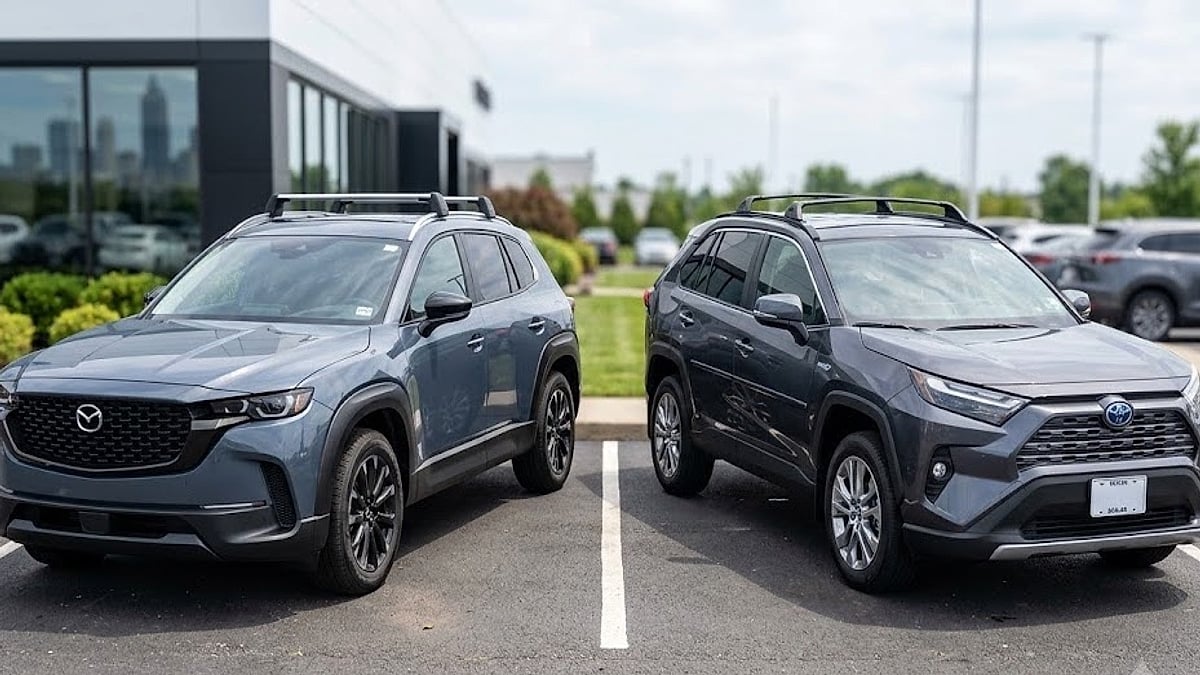
This unexpected turn of events reveals a hidden truth about the 2026 automotive market that most mainstream media outlets are completely missing.
While paper specifications and window stickers favor one brand, real-world dealer lot dynamics are turning the tables.
A prominent Edmunds industry cost comparison analysis confirms that localized dealer behavior can heavily distort initial factory vehicle pricing strategies.
Inside The Showroom Paradox: A Buyer’s Real-World Confession
Max Leung from San Francisco recently detailed this exact retail anomaly inside a popular online RAV4 owner's Facebook community page.
“I was about to buy a Mazda CX-50 Hybrid because it uses the 5th-gen RAV4 hybrid drivetrain that everyone raves about,” Leung explained. “The CX-50 also handles better, has a premium interior, and more standard features for less money, but I ultimately got the RAV4 Hybrid because I came across a dealer deal I simply couldn't pass up.”
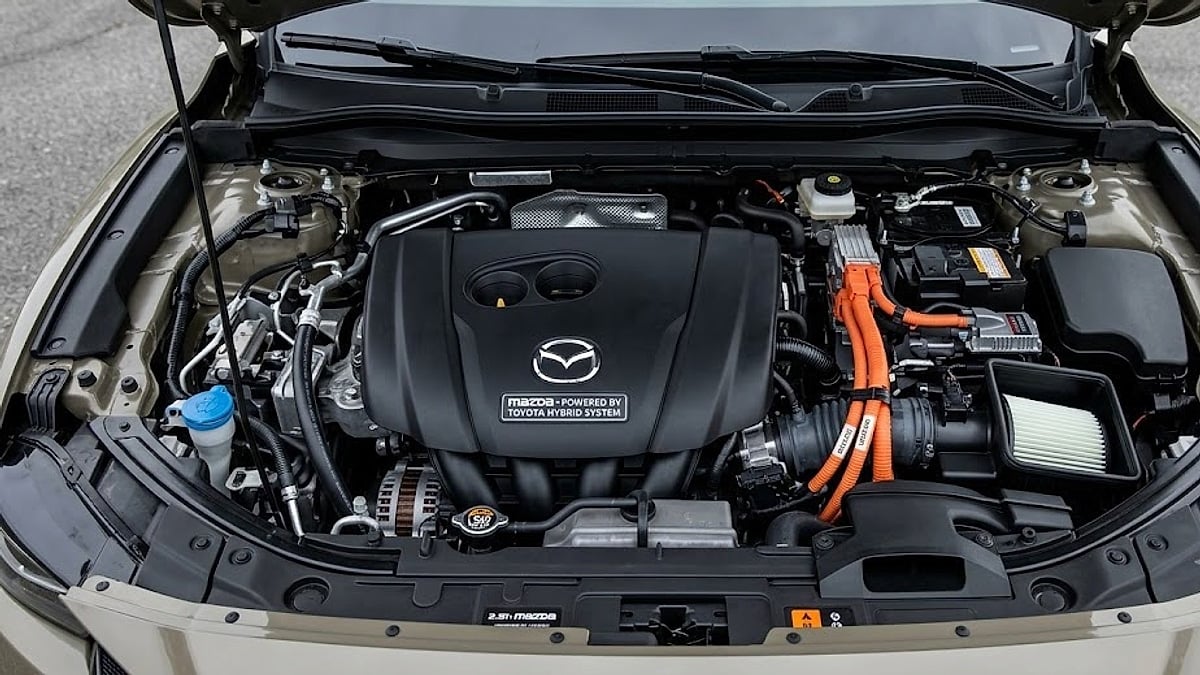
Identical DNA: The Secret Under The Hood Of The Mazda CX-50
This choice highlights a fascinating aspect of the mechanical reality: the Mazda CX-50 Hybrid is built in Huntsville, Alabama, as part of a deep corporate joint venture.
According to historical data from Wikipedia's vehicle manufacturing registry, the hybrid CX-50 is equipped directly with Toyota's A25A-FXS 2.5-liter internal combustion engine and eCVT gearbox.
Because they share identical under-the-hood architecture, consumers logically assume the cheaper vehicle on paper is the automatic financial winner.
Why Toyota's Secret Factory Incentives Can Instantly Erase A Mazda Price Tag
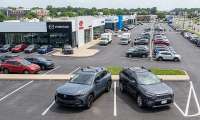
However, looking strictly at retail MSRP ignores how aggressively Toyota stores are fighting to maintain sales dominance this summer.
Writing in my recent RAV4 mechanical endurance study, I noted that the unkillable nature of the Toyota Hybrid System keeps consumer demand exceptionally high.
Yet, massive manufacturing volume often leaves individual Toyota franchises flooded with inventory, forcing sales managers to cut prices to hit monthly tier goals.
When a dealership cuts a deep, unadvertised discount on an in-stock unit, it instantly neutralizes the Mazda’s structural price advantage.
The Aerodynamic MPG Penalty Mainstream Media Ignores
While sharing a heart, these two siblings do not perform identically in the wild. A comprehensive real-world highway range evaluation conducted by Car and Driver revealed that the Mazda CX-50 Hybrid achieved 34 mpg on the highway, lagging behind the RAV4 Hybrid's 37-mpg real-world highway result.
Mazda’s rugged, wide-set exterior styling creates a significantly larger aerodynamic drag footprint than the Toyota. This means cross-country commuters will ultimately pay a hidden fuel penalty over a five-year ownership cycle just to drive the prettier car.
Why The Same Battery Packs Different Long-Term Risks
There is also a stark difference in how these identical high-voltage components are treated by factory warranties. In my RAV4 ownership longevity report, I emphasized that understanding the actual out-of-warranty exposure for high-voltage component setups is critical before signing any vehicle paperwork.
Toyota covers its hybrid battery pack for a reassuring ten years or 150,000 miles, whereas Mazda drops that protection to eight years or 100,000 miles. For a buyer planning to run their crossover into the ground, that two-year structural safety net represents thousands of dollars in potential out-of-pocket battery-replacement costs.
The Hidden Cost Of Ownership: Software Updates, Badges, And Resale Shock
While the Mazda features premium cabin plastics and beautiful paint finishes, its underlying electrical architecture is serviced through an entirely different dealership network.
A Toyota technician diagnostics suite is deeply optimized for the fifth-generation synergy drive, whereas local Mazda service centers are still scaling up their specialized hybrid technician training.
There is also the brutal reality of residual value to consider.
Even if two vehicles use the exact same powertrain, the automotive market has historically rewarded the Toyota emblem with far superior five-year resale retention.
For a consumer looking at total cost of ownership, saving money on the initial purchase price might mean losing twice that amount when it is time to trade in the vehicle.
Ultimately, this owner’s choice proves that a vehicle comparison is never truly settled until you sit down in the finance office.
The Mazda CX-50 Hybrid remains an outstanding, premium-feeling alternative, but a massive, localized Toyota dealer discount will still win the war for a consumer's wallet every single time.
It’s Your Turn: Would you buy the premium-handling Mazda with Toyota parts, or stick with the proven RAV4 if the price dropped? Let us know what you think and leave a comment in the red “Add new comment” link below.
Come back tomorrow… or check my Torque News Home Page for more of my informative Toyota RAV4 news articles.
About The Author
Denis Flierl is a 14-year Senior Reporter at Torque News and a member of the Rocky Mountain Automotive Press (RMAP) with 30+ years of industry experience. Explore his full investigative reporting archives and technical guides at DenisFlierl.com.
Based in Parker, Colorado, Denis leverages the Rockies' high-altitude terrain as a rigorous testing ground to provide "boots-on-the-ground" analysis for readers across the Rocky Mountain region, California EV corridors, the Northeast, Texas truck markets, and Midwest agricultural zones.
A former professional test driver and consultant for Ford, GM, Ram, Toyota, and Tesla, he delivers data-backed insights on reliability and market shifts. Denis cuts through the noise to provide national audiences with the real-world reporting today’s landscape demands.
Connect with Denis: Find him on LinkedIn, X @DenisFlierl, @WorldsCoolestRides, Facebook, and Instagram.
Photo credit: Denis Flierl
Set Torque News as Preferred Source on Google
Follow us today...