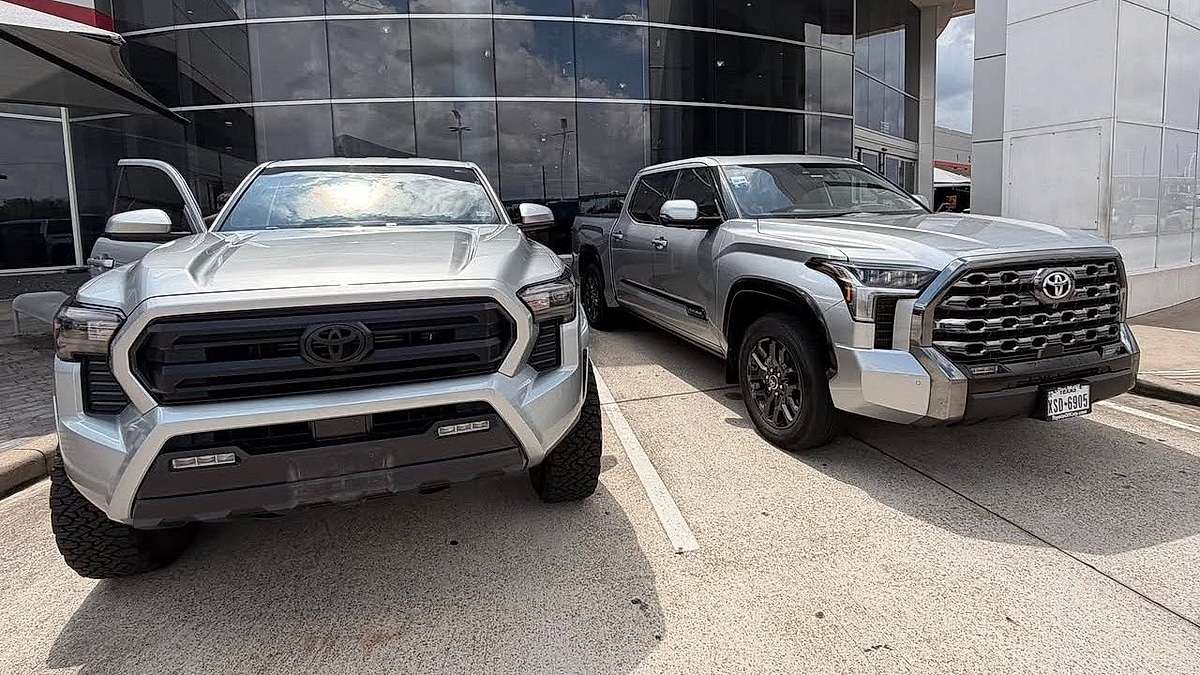

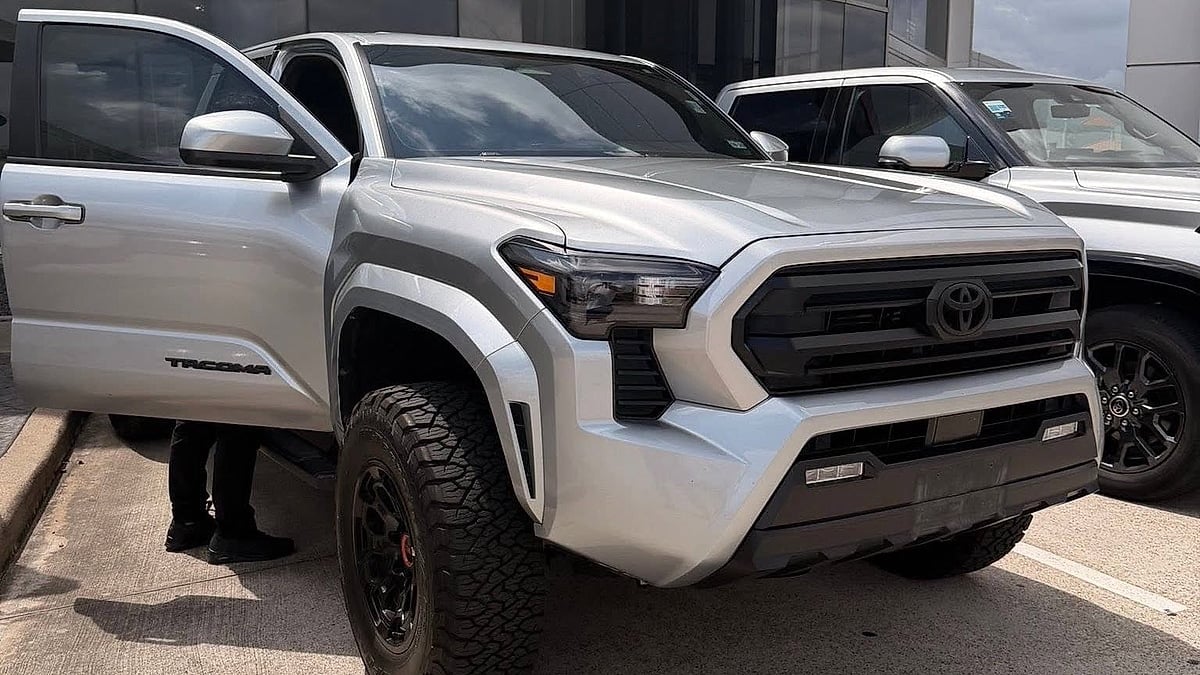
Texas truck owner Jesus Rendon did the absolutely unthinkable in the modern mid-size truck community.
He clocked a staggering 47,000 miles in just 15 months on his brand-new fourth-generation pickup before abruptly walking away from it.
I have spent over 30 years evaluating truck drivetrains, and this specific case study exposes a major operational shift.
The hidden mechanical stress of running downsized, highly boosted engines under relentless highway miles is forcing high-mileage drivers to completely rethink vehicle longevity.
Writing directly to the 4th Generation Toyota Tacoma Owners Facebook Group, Rendon announced his sudden exit from the platform.
"It’s time for me to say goodbye. I enjoyed my 2024 Toyota Tacoma SR5 4x4 for 47k miles in 15 months, but it's time to switch to a 2026 Toyota Tundra Platinum 4x4. I hope I’m not making a big mistake," he stated.
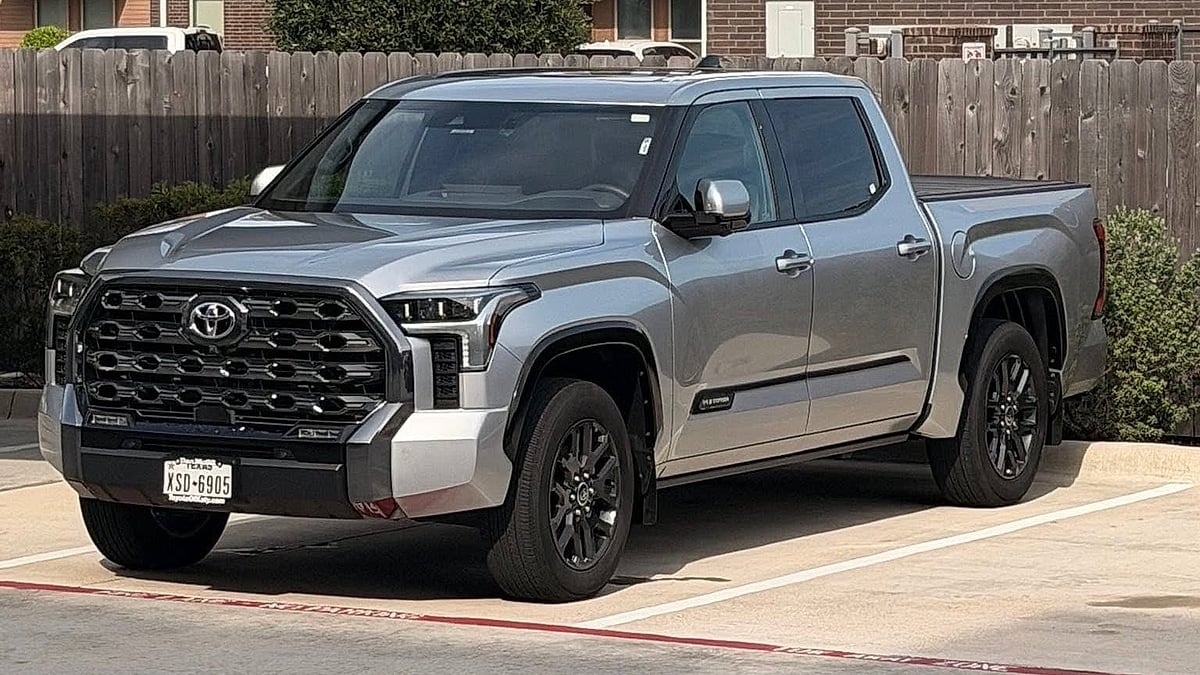
The Hidden Mileage Math Trashing Truck Equity
To the average commuter, trading a truck after 15 months sounds like a massive financial mistake. However, a deep dive into data provided by CarEdge reveals that while a Toyota Tacoma typically retains exceptional baseline value, this consumer math completely falls apart when a vehicle averages an extreme 37,000 miles per year.
At 47,000 miles, Rendon’s truck was rapidly barreling toward the absolute expiration of its 60,000-mile factory powertrain warranty. According to a national auto validation report from Car and Driver, the redesigned platform offers excellent on-road refinement, yet extreme drivers are finding the operational boundaries of downsized forced induction.
From My View
I look at this trade-in from a forensic-mechanical perspective rather than as a simple consumer transaction. This owner did not make a mistake; he executed a brilliant preventative equity play by dumping the truck right before the odometer triggered a massive high-mileage valuation penalty.
When a modern truck experiences severe highway duty cycles, the vehicle transitions from a mechanical asset to a severe financial liability. My 30 years of mechanical experience tell me that running a compact 2.4-liter turbocharged i-FORCE engine under sustained high-speed loads across vast expanses of Texas creates relentless thermal cycles.
The Turbo Wastegate and Bearing Fatigue Link
The modern downsizing strategy utilizes high boost pressures to make small engines pull like old V6 and V8 powerplants. When you run a small engine under continuous high boost to sustain highway cruising speeds, you generate massive internal cylinder pressures.
This extreme thermodynamic load places immense pressure directly onto the small rod bearings and main journal assemblies.
My investigative forensic analysis links early turbo wastegate fatigue to downstream engine bearing degradation, as prolonged high boost increases oil temperature and accelerates fluid breakdown.
Escaping the 8-Speed Automatic Diagnostic Trap
Beyond the engine bay, the fourth-generation mid-size platform is giving high-mileage users immense mechanical pause. As I outlined in my concurrent investigative report, Tacoma Transmissions Are Taking a Dump: 8-Speed Automatic Failures Trigger Nationwide Class Action Lawsuit, my tracking of manufacturing defects indicates that early fourth-generation models are frequently experiencing clear mechanical and hydraulic irregularities within their gearboxes.
Internal repair telemetry reveals that early production runs of this automatic transmission experience micro-solenoid pressure drops that trigger hard fault codes. When a powertrain architecture undergoes sudden, high-stress fluctuations under load, the drivetrain's kinetic energy forces internal clutch slippage.
The Full-Size Footprint Solution
A full-size platform like the 2026 Tundra Platinum shifts the mechanical burden to a much larger twin-turbo V6 frame and a heavy-duty 10-speed automatic. The larger engine displacement means the truck operates much lower in its peak RPM band during long highway stretches.
As I documented in a separate long-term powertrain assessment, Toyota Tacoma Transmission And Driveline Deficiencies Surface Via Internal Dealership Diagnostic Data, the manufacturer's standard service intervals do not account for the high thermal loads generated when a smaller transmission continuously hunts for gears under heavy loads. The full-size chassis provides a massive structural buffer for extreme mileage.
High-Altitude Stress and Regional Reality
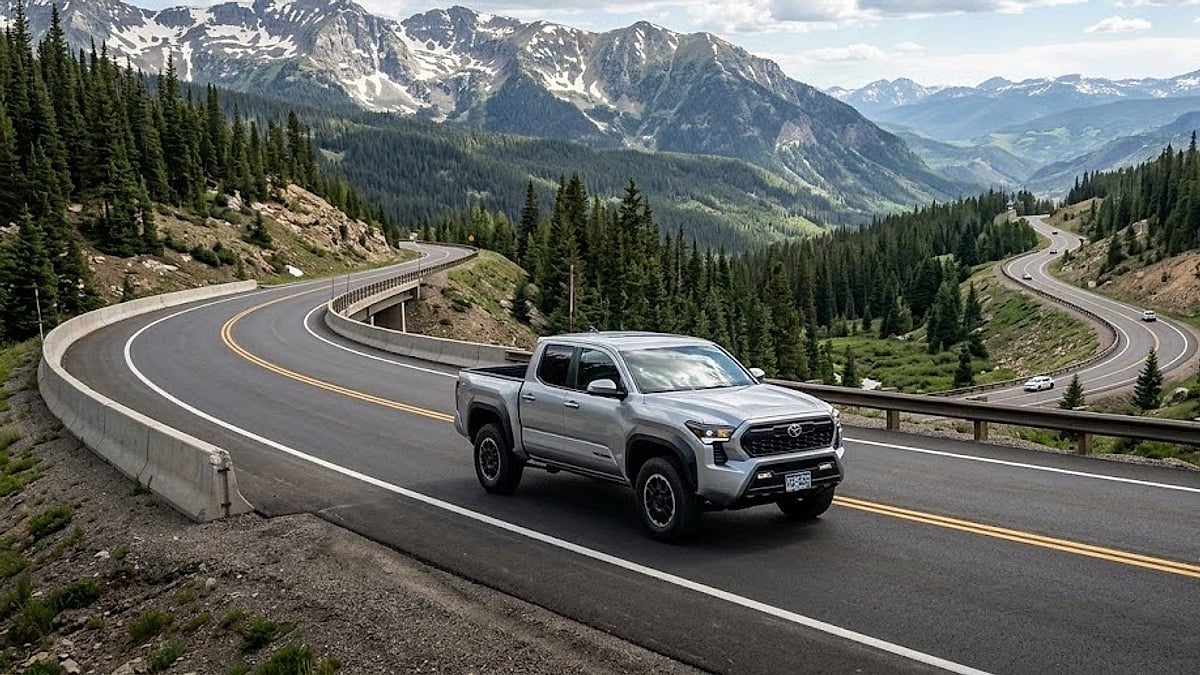
This platform disparity becomes even more severe when you introduce extreme regional driving environments. In high-altitude areas like Vail Pass or Monument Hill in Colorado, the thin air forces small-displacement turbochargers to spin faster and run significantly hotter to maintain target power levels.
This regional variable dramatically accelerates mechanical wear on a mid-size truck chassis. Upgrading to a full-size Toyota Tundra platform provides thousands of pounds of extra component margin, protecting suspension components, wheel bearings, and braking systems from rapid high-altitude fatigue.
Observations from Owner Communities
The broader online truck community is actively reflecting these exact durability concerns across multiple open forums. In a recent technical discussion on r/ToyotaTacoma, several owners noted that their new transmissions exhibited a slipping-torque-converter feel when shifting from second to third gear, as discussed in the full 4th gen transmission blew up discussion here.
Another owner highlighted the vulnerability of the new design, mentioning that the transmission behaves very strangely and jerks significantly when ambient temperatures drop, as found in this Reddit thread on 4th-gen hate and unreliability. These field observations validate why an extreme commuter would trade platforms early.
Key Takeaways
- The Velocity Variable: Driving 47,000 miles in 15 months compresses a truck's life cycle into a high-risk operational zone.
- The Downsizing Deficit: Compact, highly boosted engines endure much greater thermal saturation than larger-displacement full-size platforms under continuous highway loads.
- The Equity Rescue: Trading in a high-mileage vehicle before it eclipses the 60,000-mile factory powertrain warranty helps preserve maximum residual value.
Field-Tested Action Plan for High-Mileage Truck Owners
If you find yourself racking up extreme annual mileage on a new downsized truck platform, you must protect your asset. Connect a high-quality OBD-II data logger to track transmission fluid temperatures and solenoid current drops during cold driving cycles.
Additionally, drop your factory break-in automatic transmission fluid and differential oil at strict 15,000-mile intervals to flush out abrasive metal particles. Establishing an unassailable paper trail of professional fluid analyses is your best legal leverage if internal components begin to degrade out of warranty.
The Next Important Question
Will the 2026 Tundra Platinum rescue this owner from long-term repair bills, or will he run directly into the twin-turbo V6 bearing contamination issues that have plagued recent full-size production runs?
The Final Verdict
Jesus Rendon pulled off a brilliant preemptive strike against rapid vehicle depreciation and impending out-of-warranty powertrain risks. For drivers covering nearly 3,100 miles per month, a mid-size platform is simply a ticking financial clock.
How About You? Please leave your comments in the red "Add new comment" link below.
What's Next: I'm tracking a parallel market disruption affecting full-size trade values as buyers react to updated factory recall procedures.
A single software diagnostic sweep performed at a dealership service bay can instantly erase up to $9,500 in trade-in value from a modern twin-turbo Toyota Tundra.
My investigation analyzes the long-term market implications for owners whose trucks are denied a physical engine replacement. Check out my report here: The Hidden Depreciation Trap In The Latest Toyota Tundra V6 Engine Recall Software Fix
Come back tomorrow… or check my Torque News Home Page for more of my informative Toyota Tacoma news articles.
About The Author
Denis Flierl is a 14-year Senior Reporter at Torque News and a member of the Rocky Mountain Automotive Press (RMAP) with 30+ years of industry experience. Explore his full investigative reporting archives and technical guides at DenisFlierl.com.
Based in Parker, Colorado, Denis leverages the Rockies' high-altitude terrain as a rigorous testing ground to provide "boots-on-the-ground" analysis for readers across the Rocky Mountain region, California EV corridors, the Northeast, Texas truck markets, and Midwest agricultural zones.
A former professional test driver and consultant for Ford, GM, Ram, Toyota, and Tesla, he delivers data-backed insights on reliability and market shifts. Denis cuts through the noise to provide national audiences with the real-world reporting today’s landscape demands.
Connect with Denis: Find him on LinkedIn, X @DenisFlierl, @WorldsCoolestRides, Facebook, and Instagram.
Photo credit: Denis Flierl via Jesus Rendon
Set Torque News as Preferred Source on Google
Follow us today...