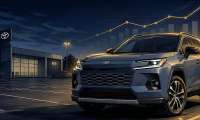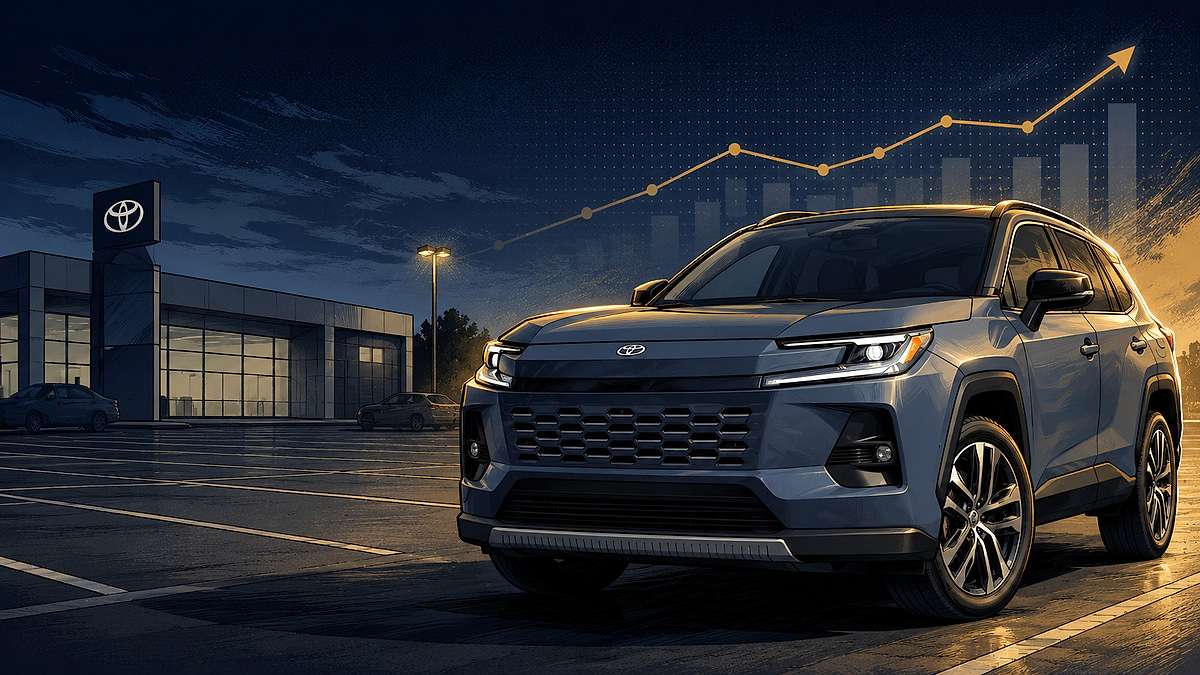

The Toyota RAV4 has become the rare vehicle that does not require a sales pitch.
It is the safe answer. The family answers. The commuter answer. The “I do not want to think about this car every morning” answer. Toyota built the RAV4 into the compact SUV default by doing what Toyota does best: making the decision feel responsible before the buyer ever sits in the seat.
That is why the current inventory situation feels so strange.
Toyota has already acknowledged the larger shape of the problem: limited inventory and production constraints during the ramp-up of the new RAV4. The confusion at the dealer level is not happening in a vacuum. Once the limited supply reaches the showroom, it stops being a production story and becomes focused on phone calls, deposits, trims, waitlists, and sometimes wasted Saturdays.
A shopper goes looking because they want the transaction to be as rational as the vehicle.
- Inventory listings can be misleading; always confirm whether a vehicle is physically on the lot or simply allocated or incoming.
- Flexibility with trim, color, or drivetrain can significantly reduce wait times and improve your chances of securing a vehicle quickly.
- Asking for a VIN and written pricing upfront helps avoid wasted trips and ensures transparency before visiting the dealership.
Good fuel economy. Good resale value. Enough room. Enough tech. A badge that still carries weight with people who keep cars for ten years. The RAV4 Hybrid is not supposed to be a dramatic purchase. It is supposed to be the car you buy when you are tired of drama.
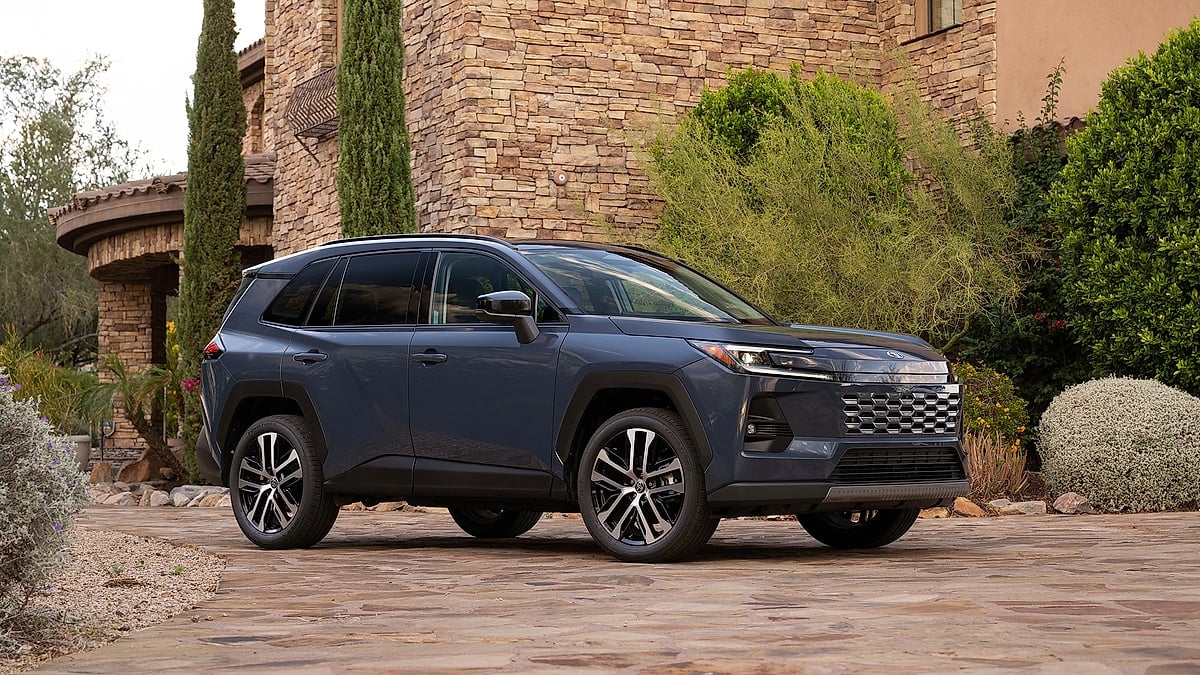
So I decided to call several popular Toyota dealers myself.
The answers split almost immediately.
One Toyota store said it had several RAV4 Hybrids available, which is the answer every shopper hopes to hear.
Another store described a very different world…
“More than 200+ incoming RAV4s already spoken for.”
More than 200+ customers are waiting, and only a few visible units are even worth discussing.
Several Toyota Dealers, Three Completely Different Answers
Another landed in the middle. No RAV4s were sitting on the lot, but incoming units could be reserved. Base front-wheel-drive models were expected within weeks. All-wheel-drive and more desirable trims were pushed closer to one or two months because those units were already sold out.
That is the market a shopper has to navigate. Not a single clean shortage. Not a single clean abundance. A patchwork.
One store has a car. Another has a list. Another has an incoming unit that can be reserved if the buyer moves quickly and does not get too picky.
This is where the RAV4 becomes more interesting than Toyota probably wants it to be. The vehicle itself is still the easy answer. The buying process is not.
A RAV4 on a dealer website is not always a RAV4 that a buyer can buy. It may be incoming, allocated, reserved, dealer-traded, already claimed, or available only in the wrong trim, color, drivetrain, or price structure. The word “available” has become slippery. It can mean physically on the ground. It can mean assigned to the store. It can mean expected soon. It can mean technically visible in inventory but effectively spoken for.
A shopper who drives across town because a listing exists online is walking into the store with half the facts.
The old question was simple: “Do you have one?”
A dealer can truthfully say yes and then reveal that the only available unit is front-wheel drive, a lower trim, a color the buyer does not want, or a car with accessories that change the deal. Another dealer can truthfully say no and still have incoming units that can be reserved. Another can show inventory online, while the versions people actually want are claimed before they ever touch pavement.
This is what high-demand Toyota shopping looks like when the spreadsheet meets the retail counter.
Why the RAV4 Hybrid Buying Experience Feels More Complicated Than It Should
For Toyota, it is the kind of problem that looks wonderful from a distance. Demand is strong. The product is strong. The nameplate is strong. The RAV4 gives Toyota another chance to protect the hybrid advantage it spent years building while competitors were still treating electrification like a press-conference prop.
But demand can still cost a brand a sale when the buying process starts to feel like work.
A shopper who wants a RAV4 Hybrid and cannot get a straight answer may not blame Toyota. They may not even blame the dealer. They may simply start calling Honda, Hyundai, Kia, Subaru, Mazda, or Ford. They may decide a used Lexus makes more sense than waiting behind a long list for a new Toyota. They may decide that the car they wanted because it was easy has become too much trouble.
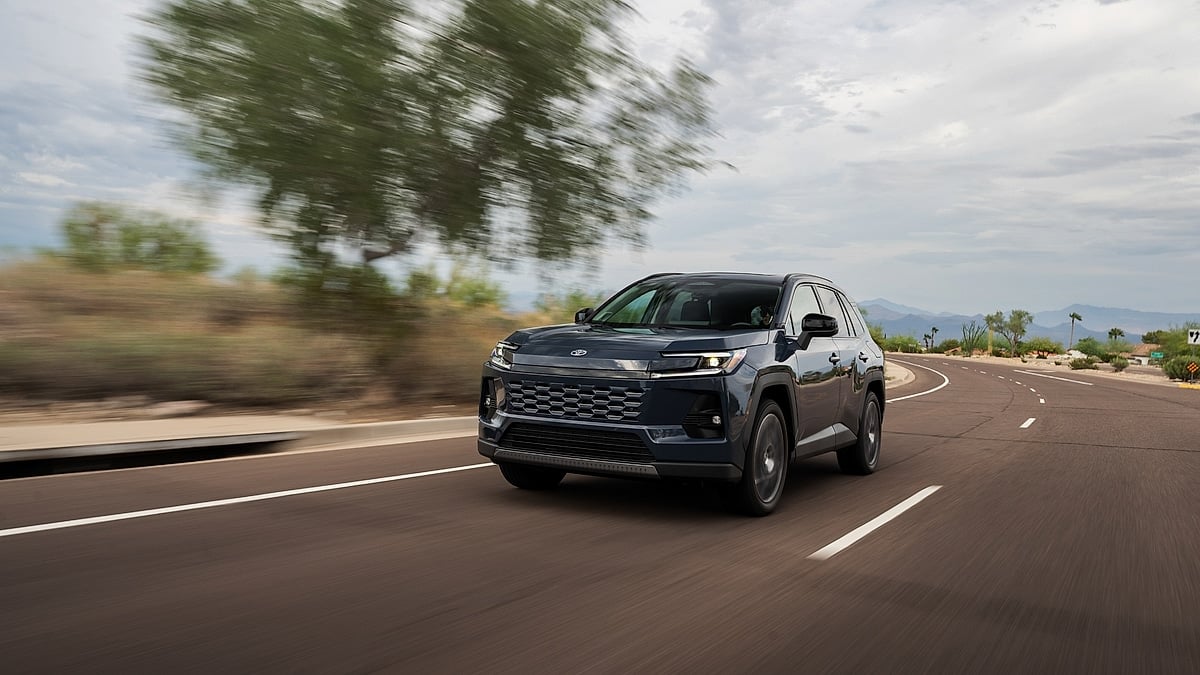
That is the weakness hiding inside Toyota’s strength.
The RAV4 is strong enough that plenty of buyers will wait. Some will wait because they trust Toyota. Some will wait because resale value is part of the math. Some will wait because they have already owned two Toyotas and see no reason to gamble on anything else.
The less committed buyer is different. That buyer is shopping against patience.
The more confusing the dealer's answer gets, the more the RAV4 has to defend itself against alternatives that may be easier to buy today. A shopper may prefer Toyota, but preference has a shelf life when the trade-in is aging, the family schedule is full, and another dealer across town can put keys in their hand by dinner.
Why Dealer Answers Feel So Inconsistent Right Now
That does not make the RAV4 Hybrid a bad buy. It remains one of the smartest mainstream vehicles in America. The problem is that smart buys are supposed to feel clean. Right now, some shoppers are finding a market where clean answers are hard to get.
The fix is not to stop shopping at Toyota. The fix is to shop at Toyota with better questions.
Do not ask, “Do you have one?”
Ask this:
“Do you have a RAV4 Hybrid physically on the ground, unsold, with a VIN you can send me right now?”
If the answer is no, the next question matters just as much.
“Do you have one incoming, and is it actually available to reserve?”
Then keep going.
When is it scheduled to arrive? Is it already reserved? Is the deposit refundable? Which trim is it? Is it front-wheel drive or all-wheel drive? Is it a hybrid, plug-in hybrid, or gas model? What color is it? Is the selling price MSRP? Are there required accessories? Are those accessories already installed or optional? Can the dealer send a written buyer’s order before the customer arrives? If there is a waitlist, how many people are ahead, and what actually moves someone up the line?
They are basic survival questions in a Toyota market where availability depends on details.
The Questions Every RAV4 Hybrid Buyer Should Be Asking Right Now
The buyer also needs to separate a car from a configuration. A dealer saying it has a RAV4 does not mean it has the RAV4 Hybrid the shopper wants. A dealer saying something is incoming does not mean it is unclaimed. A dealer saying there is a waitlist does not tell the buyer how that list works, whether deposits are refundable, or whether a flexible shopper can move faster by accepting a different trim or color.
A buyer who insists on one trim, one color, and one drivetrain may wait. A buyer willing to travel, consider a different package, or take an incoming VIN before it reaches the lot may move much faster. The RAV4 market is not impossible. It is uneven.
That unevenness is what shoppers are feeling.
One Toyota dealer can sound almost normal. Another can sound sold out before the truck arrives. Another can sound like there is a car somewhere in the pipeline, but only if the buyer is willing to treat the transaction like a reservation instead of a purchase.
For a vehicle built on common sense, that is a strange place to be.
The RAV4 Hybrid still makes the same basic argument it always has. It is efficient, practical, easy to understand, and likely to hold value better than many of the crossovers parked beside it. Toyota did not lose the formula.
The shopping process is where the friction lives now.
Why Buying a RAV4 Hybrid Now Requires More Strategy Than Ever
A buyer who wants one should not panic, and they should not assume every dealer is telling the same story. They should call more than one store, ask for a VIN, confirm whether the unit is physically on the ground or incoming, and get the price and deposit terms in writing before driving anywhere.
The RAV4 Hybrid remains one of the safest bets in the segment.
Getting one may no longer feel as safe as the car itself.
Have you recently tried to buy a Toyota RAV4 Hybrid? Share what dealers told you, how long you were quoted, and whether the vehicle was actually on the ground or only incoming, so other shoppers can see what this market looks like from the buyer’s side.
About The Author
Noah Washington is an automotive journalist based in Atlanta, Georgia, covering sports cars, luxury vehicles, and performance culture. His reporting focuses on explaining the engineering, design philosophy, and real-world ownership experience behind modern vehicles.
Noah has been immersed in the automotive world since his early teens, attending industry events and following the enthusiast communities that shape how cars are built and driven today. His work blends industry insight with enthusiastic storytelling, helping readers understand not just what a car is, but why it matters.
Noah is also a member of the Southeast Automotive Media Association (SAMA), a professional organization for automotive journalists and industry media in the Southeast.
His coverage regularly explores sports cars, luxury vehicles, and performance-driven segments of the automotive industry, including the evolving culture surrounding Formula Drift and enthusiast builds.
Read more of Noah's work on his author profile page.
You can also follow Noah here:
Set Torque News as Preferred Source on Google
Follow us today...