
A broken truck is one thing, but a broken promise is entirely different.
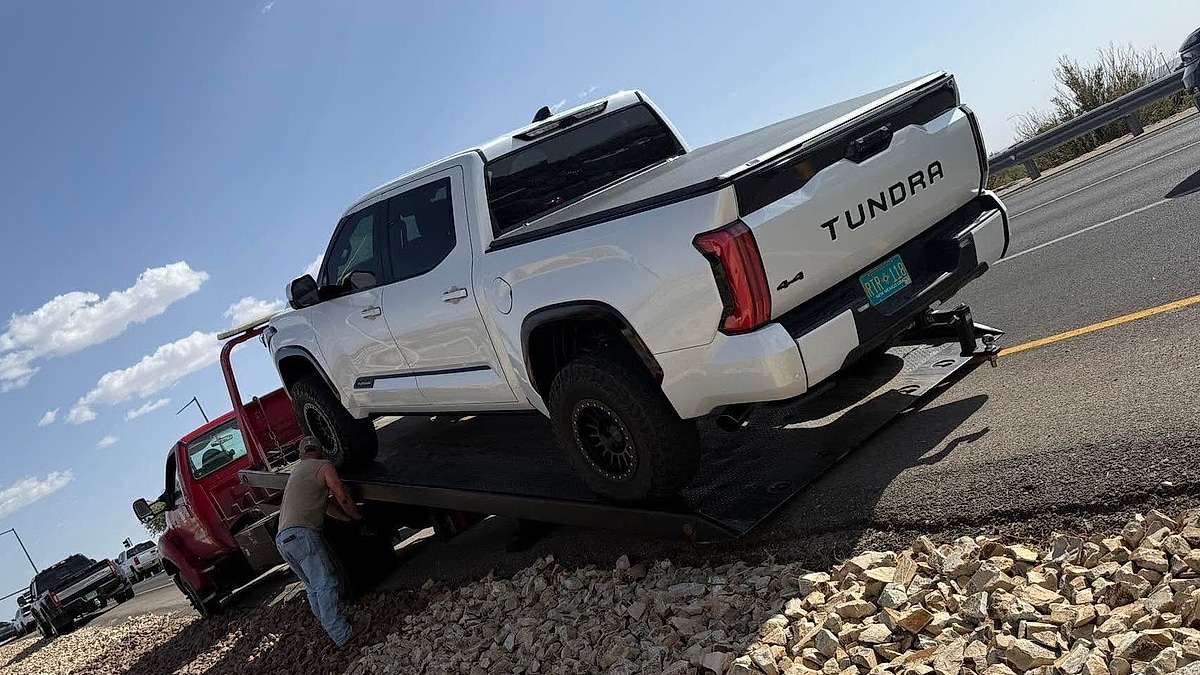
Imagine spending $75,000 on a flagship pickup specifically designed to cross continents without breaking a sweat. Then, imagine watching that very same machine get hoisted onto a flatbed while corporate support representatives leave you completely high and dry on the side of the road.
This isn't a hypothetical manufacturing nightmare. It is the exact logistical reality facing thousands of new twin-turbo truck owners across North America right now.
Stranded In The Red Zone
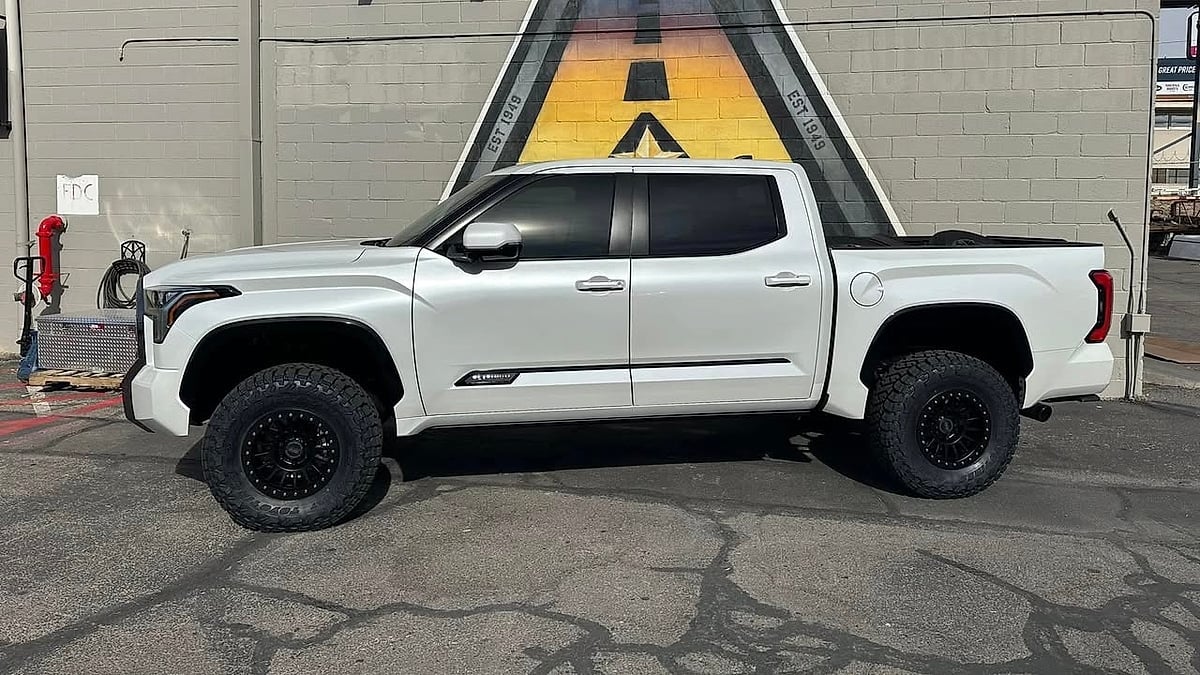
When Raymond Guzman set out from Yuba City, California, in his pristine 2024 Toyota Tundra, he expected nothing less than legendary reliability.
Instead, his premium truck suffered a catastrophic, terminal mechanical seizure that brought his cross-country journey to an immediate, grinding halt.
The vehicle was towed to a dealership located an grueling 750 miles away from his home base. After he made alternative travel arrangements to get back to California at his own expense, the local service department confirmed the worst-case scenario.
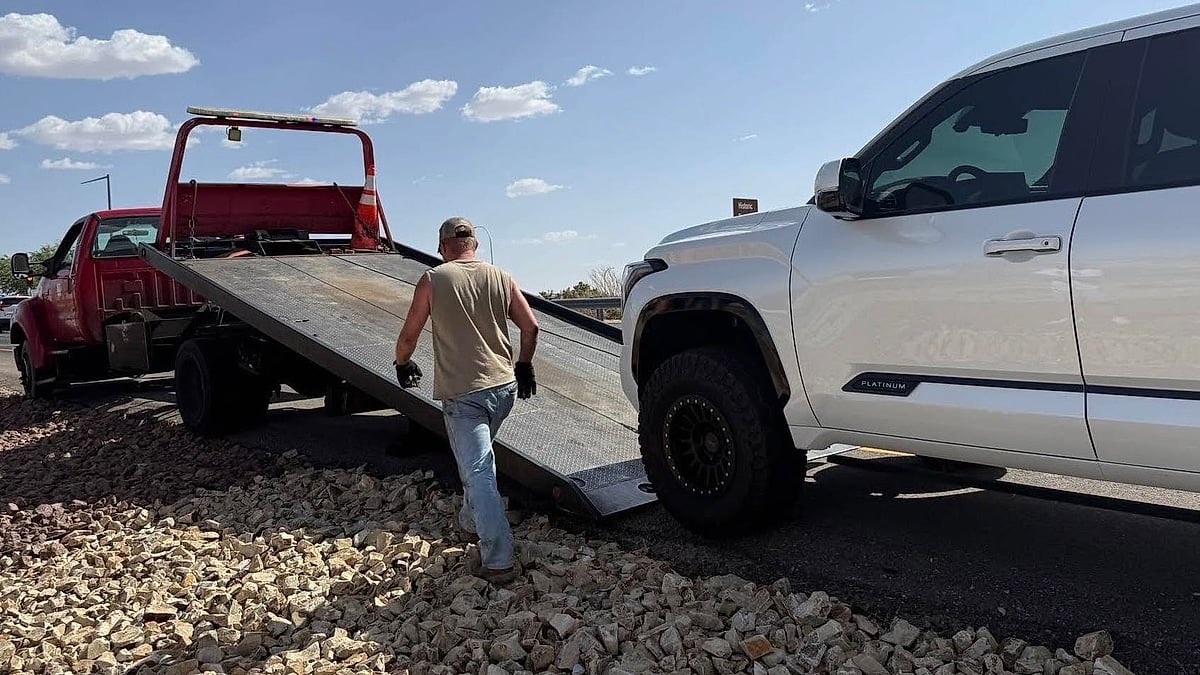
The twin-turbo V35A V6 engine was completely locked up, necessitating a full factory short-block replacement. Yet, when Guzman contacted customer care to resolve the immediate logistics of his 750-mile displacement, the corporate tier-1 response script shocked him to his core.
The Under-The-Radar Administrative Gap
While the mainstream automotive press routinely covers high-level corporate announcements about vehicle recalls, it consistently misses the localized transactional friction that occurs on dealership service drives.
The root of Guzman's logistical nightmare stems directly from a specific bureaucratic loophole buried deep within current corporate campaign parameters.
According to a formal safety update published by the National Highway Traffic Safety Administration (NHTSA) under campaign reference number 26V320, Toyota expanded its engine contamination recalls to include an additional 43,566 model-year 2024 Tundras.
The federal safety agency explicitly warns that "debris inside the engine could cause the main bearing to fail, potentially leading to engine knocking, rough running, stalling or a failure to start altogether."
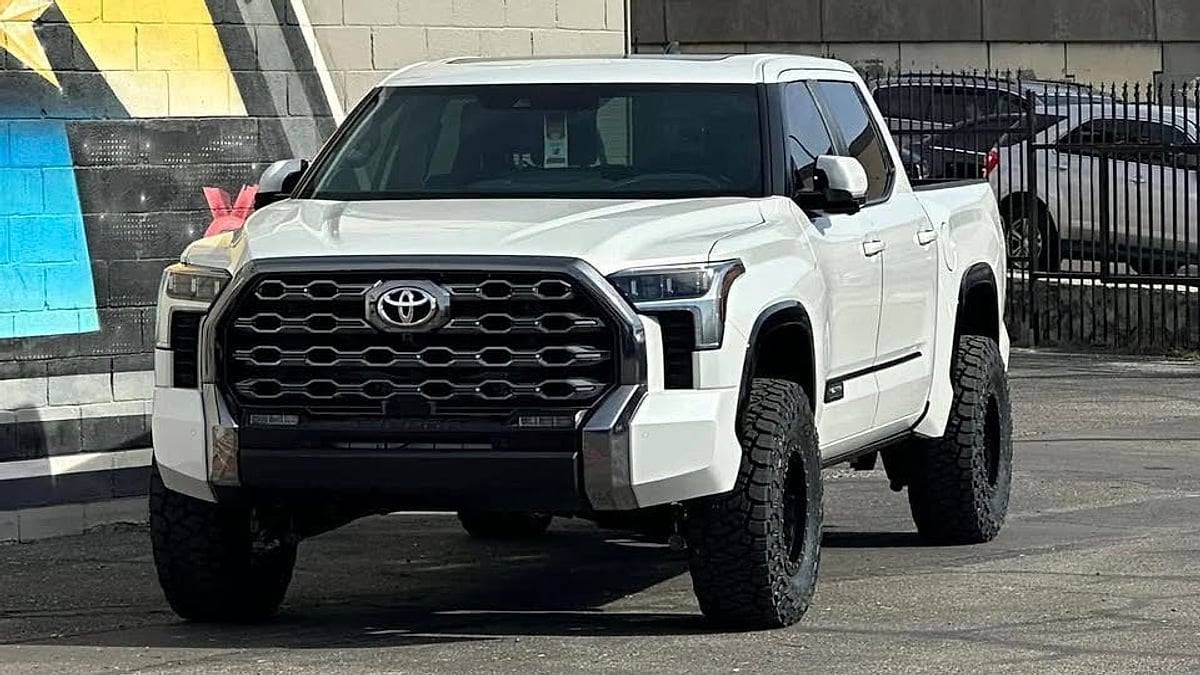
However, because official owner notification mailers are tightly scheduled to roll out between July 6 and July 20, 2026, many early-production 2024 vehicles occupy an administrative grey area. Customer care agents are strictly defaulting to a "no active remedy" protocol, leaving stranded consumers legally and financially vulnerable prior to the finalization of the manufacturer's official software resonance testing procedures.
When Corporate Guidelines Collide With Customer Reality
The disconnect between corporate policy and boots-on-the-ground consumer advocacy is growing larger by the day.
According to regional regulatory analysis from the consumer law advocates at The Law Offices of Lion Lemon Law, "The remedy situation is concerning because the extended timeline and the severity of the defect raise serious questions about whether affected vehicles qualify as lemons under California law."
For Guzman, the reality of this corporate stagnation materialized as an exhausting string of unreturned phone calls and delayed escalations. Instead of receiving an immediate, automated loaner vehicle or emergency travel reimbursement, he was told his critical transportation case would simply have to wait for a supervisor's review.
The owner took to the 2023-2027 Toyota Tundra Owners Facebook page to express his mounting frustration and warn fellow truck buyers. "Because there is no active recall on the 2024’s, I may be responsible for my own rental as well as getting back to my vehicle 750 miles away; UNBELIEVABLE!" Guzman shared.
Why Mainstream Outlets Are Missing The Story
The real story isn't just that a sophisticated twin-turbo engine failed due to microscopic manufacturing swarf on the #1 main bearing. The real story is that the modern automotive logistics infrastructure is currently buckling under the sheer volume of high-consequence component replacements.
Dealerships are aggressively pre-ordering factory short blocks to protect their localized service bays, yet corporate accounting offices are restricting direct car rental authorizations until specific vehicle identification numbers explicitly trigger the updated July 2026 recall parameters.
This administrative gridlock punishes the most loyal consumers who paid premium window-sticker prices for a flagship platform.
Furthermore, this structural breakdown in customer service support points to a much larger systemic issue regarding how modern manufacturers balance corporate liability with immediate roadside advocacy.
When a premium vehicle leaves a consumer completely stranded out of state, an administrative technicality regarding mailer dates should never dictate basic rental car coverage.
A Deeply Concerning Pattern of Mechanical Risk
This vehicle's catastrophic engine failure becomes even more troubling when you consider its recent operational history. According to my ongoing research, "The long-term durability of these advanced engine blocks can be severely compromised by early maintenance errors and severe environmental exposures."
In an astonishing twist of poor luck, this exact 2024 Tundra had previously been serviced at a dealership that completely neglected to reinstall the factory oil filler cap. The truck was subsequently driven an incredible 1,500 miles through a severe Texas dust storm with the valve cover completely open.
As documented in my investigative look into Raymond Guzman's story that happened two months before the engine seizure, Toyota Dealer Leaves 2024 Tundra Oil Cap Off For 1,500 Miles in Texas Dust Storm: Now, There Are Severe Mechanical Risks Of Contamination, introducing abrasive silica particulate directly into a highly sensitive, twin-turbocharged oiling system created this compounding mechanical disaster.
This massive exposure to fine atmospheric dust likely accelerated internal wear on the already-sensitive main bearings, creating a dual-threat failure mechanism that ultimately led to the engine's total seizure 750 miles later.
Navigating The Modern Ownership Landscape
Relying blindly on automated corporate support lines is no longer a viable strategy.
True consumer protection now requires active vigilance, rigorous documentation of every single dealership interaction, and an absolute refusal to accept a "no active recall" deflection when a truck is visibly sitting in a service bay with its engine removed.
If your vehicle begins to show early warning signs of bearing degradation, such as unexpected cold-start knocking, erratic oil pressure readings, or rough idling, demand an immediate, formal oil analysis from an independent lab to check for copper and aluminum swarf.
Do not wait for a corporate letter to arrive in your mailbox while you are planning a long-distance road trip.
Ultimately, mechanical components can always be replaced, but a brand's hard-earned reputation for consumer trust cannot be easily rebuilt. As more stories of stranded cross-country owners continue to surface across online enthusiast forums, the manufacturer's handling of these pre-notification logistics will determine its consumer loyalty for years to come.
What Would You Do? If you were stuck 750 miles away from home with a completely seized engine, would you pay out of pocket for a rental car, or would you refuse to leave the dealership showroom until corporate customer care provided a complimentary loaner vehicle?
Please leave your comments below in the red "Add new comment" link and share your own experiences with modern dealership service departments.
Come back tomorrow… or check my Torque News Home Page for more of my informative Toyota Tundra news articles.
About The Author
Denis Flierl is a 14-year Senior Reporter at Torque News and a member of the Rocky Mountain Automotive Press (RMAP) with 30+ years of industry experience. Explore his full investigative reporting archives and technical guides at DenisFlierl.com.
Based in Parker, Colorado, Denis leverages the Rockies' high-altitude terrain as a rigorous testing ground to provide "boots-on-the-ground" analysis for readers across the Rocky Mountain region, California EV corridors, the Northeast, Texas truck markets, and Midwest agricultural zones.
A former professional test driver and consultant for Ford, GM, Ram, Toyota, and Tesla, he delivers data-backed insights on reliability and market shifts. Denis cuts through the noise to provide national audiences with the real-world reporting today’s landscape demands.
Connect with Denis: Find him on LinkedIn, X @DenisFlierl, @WorldsCoolestRides, Facebook, and Instagram.
Photo credit: Denis Flierl via Raymond Guzman
Set Torque News as Preferred Source on Google
Follow us today...