
Family road trips are often where vehicles like the GMC Yukon are expected to shine. Spacious, powerful, and marketed as premium long-distance cruisers, these SUVs are built with the promise of comfort and reliability when it matters most. For one owner though, that expectation quickly unraveled in the middle of a trip that was supposed to bring his family closer together.
Saleh Riaz shared that experience after his 2023 Yukon Denali Ultimate’s 6.2-liter V8 began knocking and eventually seized roughly 1,400 miles from home. But before the situation escalated into a full engine failure, it started with an unusual knocking sound paired with a noticeable loss of power during what should have been a routine stretch of highway driving.
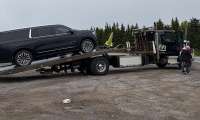
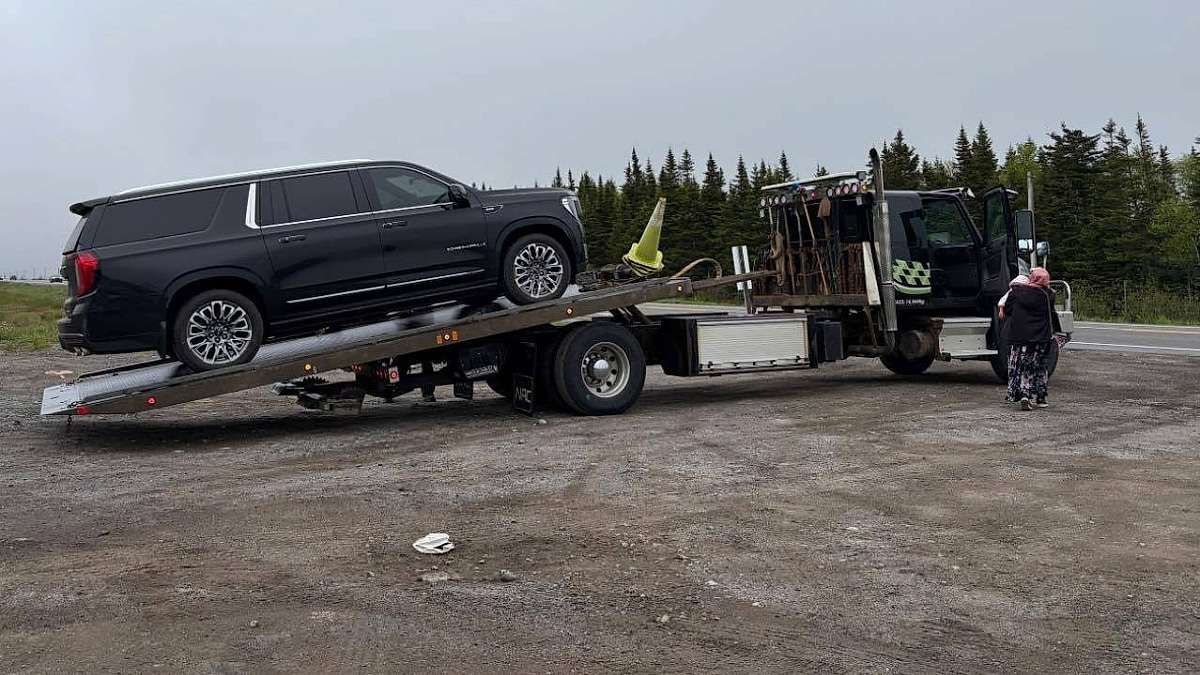
Here's how he put it: “Me and my family are on a road trip 1430 miles away from home and my ‘23 Yukon Denali Ultimate 6.2L started knocking and lost power, 60 miles later it locked up. We are now stranded so far away from home. I paid over $1000 for tow to get it back to the mainland on a ferry yesterday and had to get last minute hotels for the family. I just wish GMC would provide some sort of assistance to us. Our entire holiday has become a nightmare now. We buy these cars for family road trips thinking they are reliable but heck no I was wrong.”
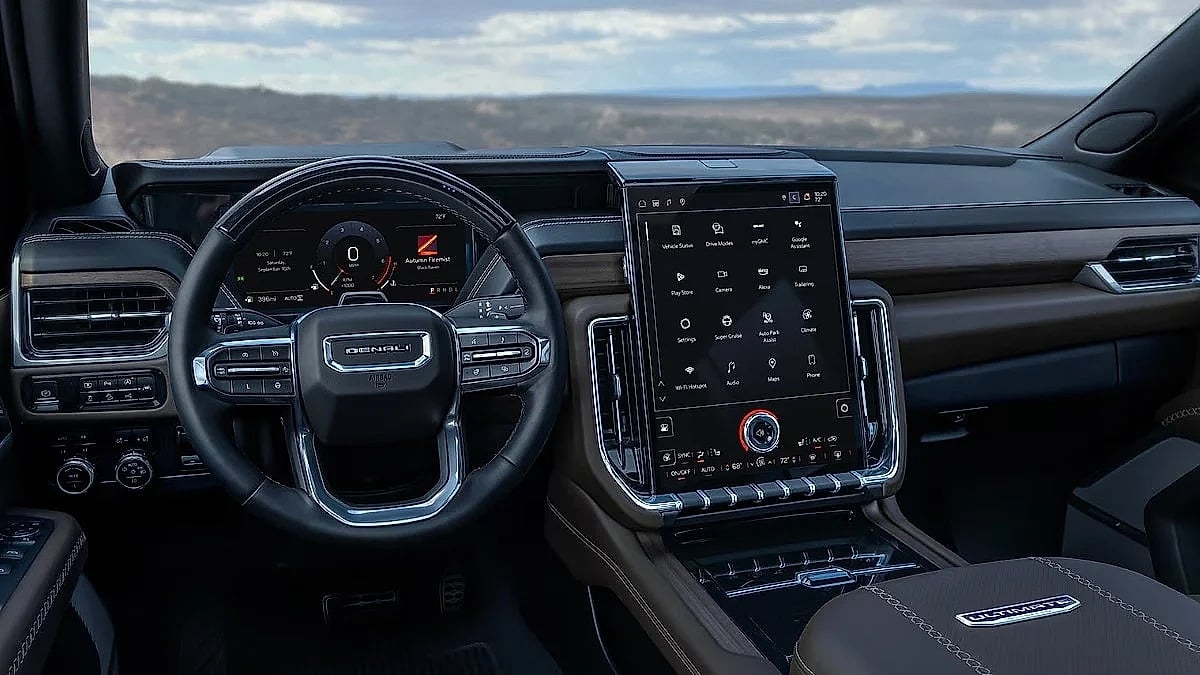
A Road Trip Turns Into a Recovery Operation
The problem goes far beyond just the damage from the mechanical failure. Where and when the failure occurs affects how much more it matters. A breakdown close to home is inconvenient yes but not impossible to maneuver around. The same level of failure in the middle of rural highways and possibly involving family members is completely another matter.
In this case, the financial impact extended far beyond the repair bill. Over $1,000 went toward towing alone plus hotel expenses and other disruption costs associated with traveling back home. I've been seeing similar concerns surface. In a recent Torque News report, I covered a Yukon Denali owner whose 6.2L engine issue left them stranded shortly after a recall repair, showing how these failures aren’t just isolated incidents but are starting to reflect a broader pattern some owners are beginning to notice.
The Growing Conversation Around GM’s 6.2L V8
The 6.2-liter V8 found in many GM trucks and SUVs has long been positioned as a strong, capable engine. But in recent years, discussions around reliability, which are particularly related to lifters, bearings, and sudden failures, have become more common across owner communities.
That doesn’t mean every engine will fail, but when multiple owners begin sharing similar experiences, it naturally raises questions about long-term durability and consistency. Some owners have even expressed hesitation despite not experiencing issues themselves, something I’ve also seen firsthand on Torque News, A Silverado ZR2 owner explained why they still don’t trust GM’s 6.2L V8 fix even though their truck hasn’t been recalled. For buyers, this creates an interesting dynamic. The engine is powerful and widely used, but the growing number of anecdotal failures introduces uncertainty, especially for those who rely on these vehicles for long-distance travel.
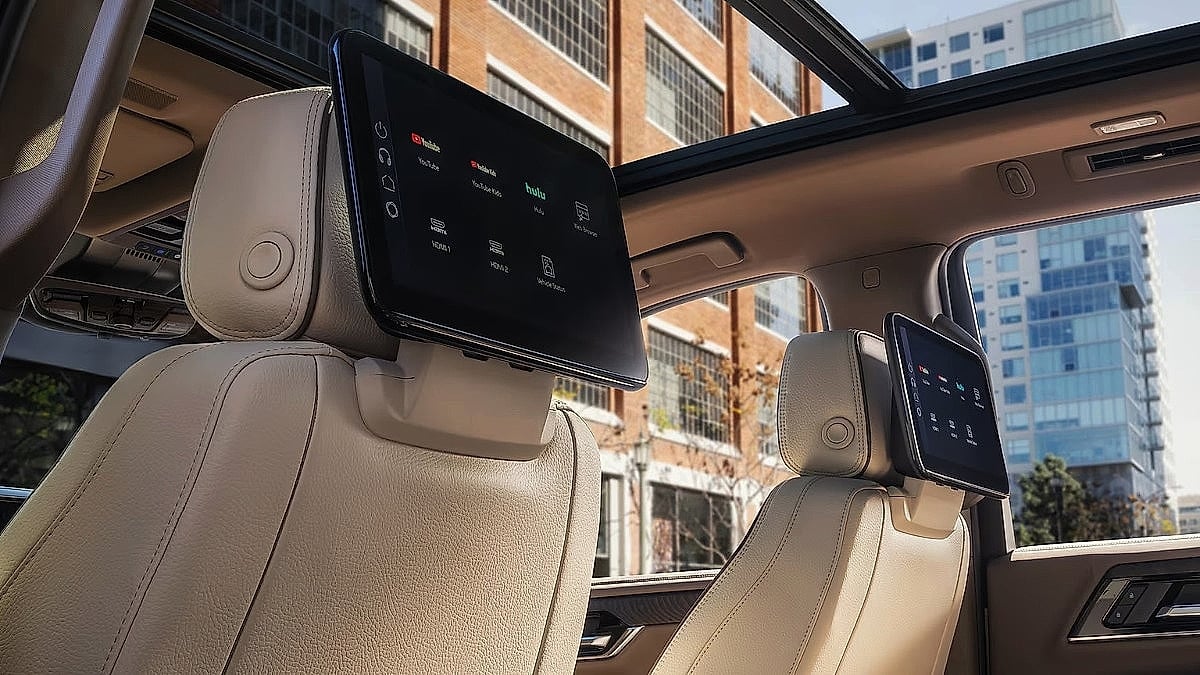
Owners Are Starting to Look Backward
One of the more interesting reactions to stories like this is how often owners begin comparing newer vehicles to older ones.
Gary Boileau commented, “1999 to 2006 are the most dependable. Buy one, put some wanted accessories on it and save 30 to 60 thousand dollars.”
That sentiment reflects a broader shift in how some drivers view modern vehicles. Simpler, older trucks are often seen as more predictable, even if they lack the refinement and features of today’s models.
Scott Badour added, “Yet my ‘06 Silverado has 366k miles and never skips a beat. You couldn't catch me dead in a newer truck.”
While these comparisons aren’t always apples-to-apples, they highlight a growing perception gap between older and newer vehicles, particularly when it comes to long-term reliability.
Perhaps the most telling part of Saleh’s story is that he isn’t alone.
James A Crutchfield shared a similar experience, saying, “You're not alone. My ‘22 RST blew up while pulling our camper Memorial Day weekend. It knocked a couple of times and shut off in the middle of the interstate.”
That kind of consistency in how failures are described. Knocking, loss of power, and sudden shutdown—adds another layer to the discussion. It suggests that these aren’t isolated quirks, but patterns that some owners are beginning to recognize.
At the same time, it’s important to note that millions of these engines are on the road without issue. The challenge is understanding where the line is between isolated failures and something more systemic.
What This Says About Expectations vs Reality
Modern full-size SUVs like the Yukon Denali Ultimate are designed to do everything. From hauling families, towing trailers, and handling long-distance travel in comfort, that versatility is exactly why people spend the money they do. When something major fails during that exact use case, however, it shifts how owners perceive value. It’s no longer just about horsepower or features, as it becomes about trust. That’s something I’ve seen echoed in broader discussions as well, including where a 40 year GM owners questioned whether the brand’s direction still aligns with the expectations of loyal buyers who have supported it for decades.
From my view of these incidents, it's not simply about one engine failure, it's more broadly about how quickly we are seeing modern motor vehicles evolve at a pace greater than our experience of owning them.
Modern SUVs have never been more powerful or packed with features. But all of that added power and those many added features add risk and liability when there's an issue.
A Yukon Denali Ultimate engine failure does not only inconvenience the owner/operator, it severely disrupts the financial planning, travel plans and overall trust of the affected customer's family. And it's this disruption and loss that ultimately defines the true impact on both parties. The manufacturer needs to respond to these issues beyond simply changing their engineering practices. These companies need to consider how best to serve their customers when their products fail.
Takeaways for Owners Considering Long-Distance Travel
- Plan for the unexpected: Even newer vehicles can experience major failures, so having roadside assistance and a backup plan matters more than many realize.
- Understand known issues: Researching common problems, especially with engines like the 6.2L V8, can help set realistic expectations.
- Factor in indirect costs: Breakdowns far from home can lead to expenses that go well beyond repairs, including towing, lodging, and lost time.
- Pay attention to early warning signs: Knocking sounds and loss of power should never be ignored, especially during long trips.
- Evaluate long-term trust: Reliability isn’t just about whether a vehicle works, it’s about whether you feel confident taking it anywhere.
Share Your Thoughts
Would an experience like this change how you feel about taking a newer SUV on a long road trip?
And if you’ve owned a GM vehicle with the 6.2L V8, have you experienced anything similar or has yours been trouble-free?
About The Author
Aram Krajekian is a young automotive journalist bringing a fresh and analytical perspective to the evolving automotive landscape by reporting on real-world ownership experiences and providing industry analysis. Based in North Carolina, he covers electric vehicles, trucks, and broader automotive trends with a focus on contributing a balanced evaluation. His reporting cuts through brand bias to provide readers with grounded insight into how vehicles perform for everyday drivers beyond marketing narratives.
Aram can be reached on X and LinkedIn for ongoing automotive coverage.
Image Credits
The “GM 6.2L Bearing and Engine Failure 2019-2026” Facebook group and GMC’s gallery, respectively.
Set Torque News as Preferred Source on Google
Follow us today...