
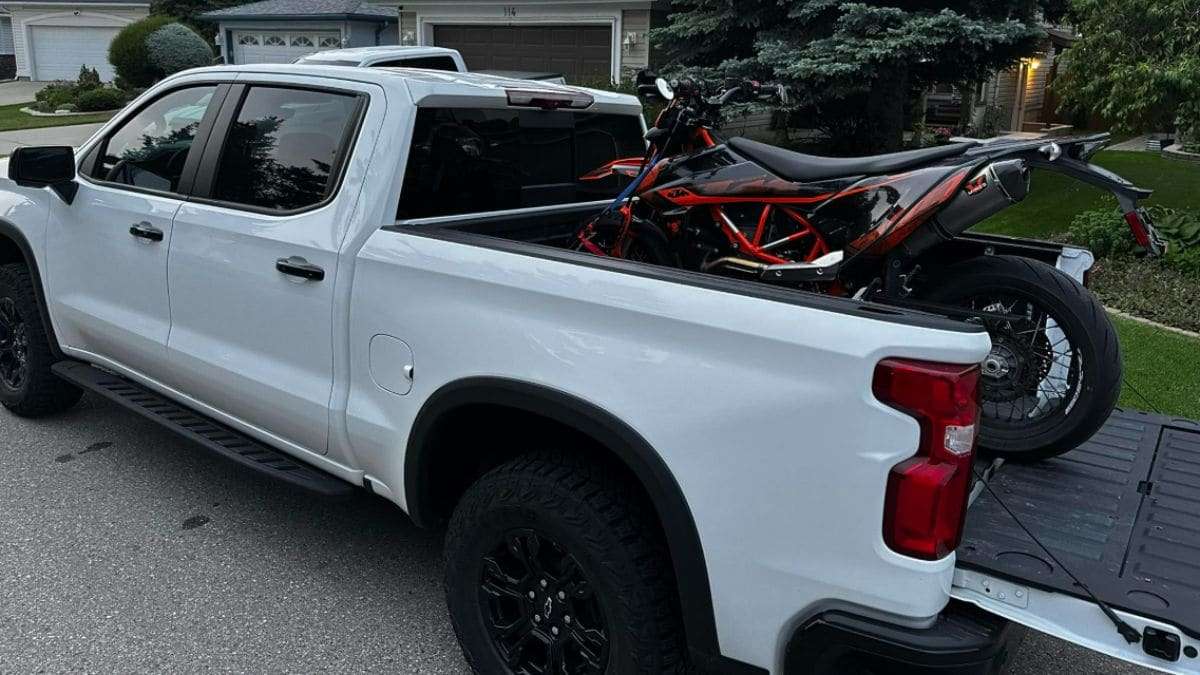

Sometimes the smallest maintenance task can make you question everything. Your warranty, the automaker’s intentions, and even the oil sitting on store shelves are all part of the equation. That’s the strange reality Silverado owners are living in right now, especially those with GM’s 6.2L V8 under the hood. That uncertainty came into focus while I was scrolling through the “Chevrolet Silverado ZR2” group on Facebook this evening, where I came across a post by Nathan Gabert. He owns a 2024 Silverado ZR2, and after going through the three free oil changes that came with his purchase, he’s now left wondering which oil weight to trust moving forward. This is a choice made even more difficult by GM’s controversial and ongoing engine recall saga.
Here’s how Nathan put it: “So what is everyone here doing with the 6.2L and their own oil changes? My truck is a 2024 ZR2 1500 with the 6.2L, and part of the purchase price was 3 free oil changes on GM. I’ve now used up the free oil changes. I’ve called the dealership that sold me the truck and my truck has no Recalls right now. Obviously I have read all the info on the 6.2L recalls and the ‘GM Fix’ which is laughable. I’m still under factory warranty for 2 more years. I’m from Canada (not sure if that makes a difference?) I do my own oil changes when not free from the stealership. Do I buy 0W20 or 0W40?”
A Real Solution or Just Thicker Oil?
It’s a question that thousands of Silverado and Sierra owners are asking themselves right now. GM’s heavily criticized response to the 6.2L engine issue, which involves premature wear on main bearings, has been to recommend switching from the standard 0W-20 oil to a thicker 0W-40. The logic? Thicker oil offers better protection under extreme pressure and temperature. But the criticism is that many owners see it as a temporary workaround rather than a real fix, especially when trucks like Nathan’s aren’t officially recalled but still carry the same 6.2L at risk.
We’ve already seen reports like this owner who took his Silverado ZR2 in for the engine recall and left feeling like GM’s thicker oil recommendation is just a band-aid too. That same sentiment is starting to echo across Facebook groups, Reddit threads, and service center waiting rooms.
And it’s not just the fix that has owners skeptical, but also the way the recall is being rolled out. Many trucks that share the same powertrain haven’t been flagged at all. As Nathan mentioned, his VIN doesn’t show any open recalls, even though other 2024 ZR2s with the same engine have reportedly already been brought in. It’s a similar situation to another Silverado owner who took his truck in only to be told that there’s nothing they can do yet. That ambiguity has left owners in a state of confusion, wondering if they should be proactive or wait until something goes wrong.
Community Voices: Real Experiences, Real Frustration
So now Nathan is left standing in the auto parts store aisle with two bottles of oil in hand: 0W-20, the factory recommendation, or 0W-40, GM’s unofficial patchwork solution? And that’s where the community stepped in.
Scott Soucy jumped in with a methodical take: "I use Amsoil Signature 0w-20 in my '22 that falls into the recall range. The two oil changes I have done, I also sent in oil samples for analysis. Both results showed close to average or below numbers. With 6500 miles on the samples, there were still high lubricating properties in the oil."
Scott’s approach is data-driven and shows that sticking with 0W-20 doesn’t automatically doom your engine, at least not in the short term. His oil analysis results indicate that the thinner factory oil can still maintain solid performance under normal conditions, which is good news for owners like Nathan who are hesitant to make the switch without a clear recall on their VIN.
But then there’s the other side of the spectrum.
Shea Halaburda shared a frustrating real-time experience: “My truck is literally in the shop right now for the recall and they wouldn’t change the oil to 0W-40 because the bulletin specific to my truck hasn’t come out. Said if they put the heavier oil in right now it will void the warranty. GM is brutal.”
That situation reveals a major gap in GM’s communication and service consistency. If one dealership is warning that using 0W-40 could void your warranty without the proper service bulletin, then it raises the question of how are owners expected to make confident decisions on their own? It puts owners like Nathan in a tough spot: go with the thicker oil and risk warranty denial, or stick with 0W-20 and worry about long-term wear.
Christopher Lawrence brought yet another angle: "Just had my engine recall inspection. Motor passed their test and they did the heavier oil thing. We will see what happens. It’s just a band aid on something that’s eventually going to blow. Mine is a 2021 with 49,000 miles."
His comment hits at the core of the issue. Even if you pass the inspection, and even if you run 0W-40, there's a sense that none of it truly addresses the underlying mechanical flaw. The heavier oil might buy time, but many owners believe it's only delaying the inevitable.
More Problems and Less Trust
What makes this whole situation even more complicated is the lack of consistency in service center messaging and how the dealership experience itself can vary wildly. One owner might be told they can’t change oil types or they’ll void their warranty. Another might be encouraged to make the switch immediately. All while others are just told to keep driving and wait until something happens.
That’s not exactly a confidence booster for someone who pays top dollar on a premium trim truck like the ZR2.
And while GM continues to release partial bulletins and incremental updates, many feel the real issues remain buried under PR language and warranty disclaimers. As a result, the Silverado community has become a self-sustaining tech support group, sharing UOAs (used oil analyses), maintenance strategies, and even legal talk about lemon laws and buybacks.
A Growing Pattern
In fact, some owners of heavy-duty trucks like the 2500HD and 3500HD are now raising alarm bells of their own, with transmission problems showing up at just 21,000 miles and backordered valve body parts leaving trucks stranded at dealerships for weeks. So it’s no surprise that trust in GM’s service protocols is running thin.
That’s why I think what makes Nathan’s story resonate so deeply is that it reflects a broader truth about modern truck ownership: the more expensive these vehicles get, the less ownership clarity we seem to have. A truck like the ZR2 should come with confidence, not confusion. Yet here we are, where changing your oil can leave you second-guessing every choice.
As someone who follows these stories daily, I’ve noticed that people are stepping up to fill in the gaps left by dealerships and corporate silence. From oil lab testing to sharing service bulletin loopholes, this community has become one of the most proactive and technically aware groups in the automotive space. But it doesn’t have to be this way. Automakers owe their most loyal customers clearer answers and real fixes, not just thicker oil and vague promises.
Key Takeaways
- If your truck isn’t flagged for a recall yet, don’t assume that means your 6.2L engine is immune. Keep monitoring updates and talk to your dealer about service bulletins.
- Choosing between 0W-20 and 0W-40 may not be as simple as it sounds. Make sure you understand how it could affect your factory warranty.
- Used oil analysis (UOA) is becoming a crucial tool for owners to assess engine health. It can give you objective data and peace of mind.
- Inconsistent dealership experiences are a growing frustration, and it’s worth documenting every service visit and saving receipts if issues arise.
- GM’s patchwork recall response has shifted responsibility to owners, and that’s sparking both distrust and more DIY maintenance among enthusiasts.
Now We Want to Hear from You
Have you already made the switch to 0W-40 on your 6.2L, or are you sticking with 0W-20 for now?
And if your truck isn’t recalled yet, do you trust GM enough to wait it out, or are you taking matters into your own hands?
Don’t hesitate to let me know your thoughts in the comments below.
Aram Krajekian is a young automotive journalist bringing a fresh perspective to his coverage of the evolving automotive landscape. Follow Aram on X and LinkedIn for daily news coverage about cars.
Image Sources: The "Chevrolet Silverado ZR2" public Facebook group and Chevrolet's gallery, respectively.
Set Torque News as Preferred Source on Google
Follow us today...







Comments
As a gm employee (at a…
Permalink
As a gm employee (at a dealership) there are certain test performed for the L87 recall, there is no remedy at this point when it comes to the testing showing failed, if it passes it gets a new 0w40 oil cap, 0w40 mobil 1 supercar oil and filter, if it fails, then it gets a new engine, out of thousands, we have only replaced 1 engine since this recall, the adding of a higher viscosity oil does what people think, it buys time for gm, and you'll get a 0w40 oil change everytime, unless your vehicle fails, enjoy it
Purchased a new 2021 Chevy…
Permalink
Purchased a new 2021 Chevy Silverado December of 2020. Engine failed at 4600 miles resulting lifters and tie rods to be replaced, bank 1/Cylinder 5. Covered under manufacture warranty. I have kept up on all maintenance and recommended services by the dealership. May 3, 2025 truck started making noise, all dash lights started flashing so immediately pulled over. Called dealership who said to have towed in. Engine needs replacing with no ETA on when engine will arrive. I have been without my truck since May 3rd and only get the run around from local dealership as well as the GMC Customer Service Line. My truck is not under the current recall because the engine was manufactured in 2020 even tho my truck is a 2021. Filed a complaint with the NHSTA. Local dealership offered to buy back my truck at about 1/2 of what I paid for it.