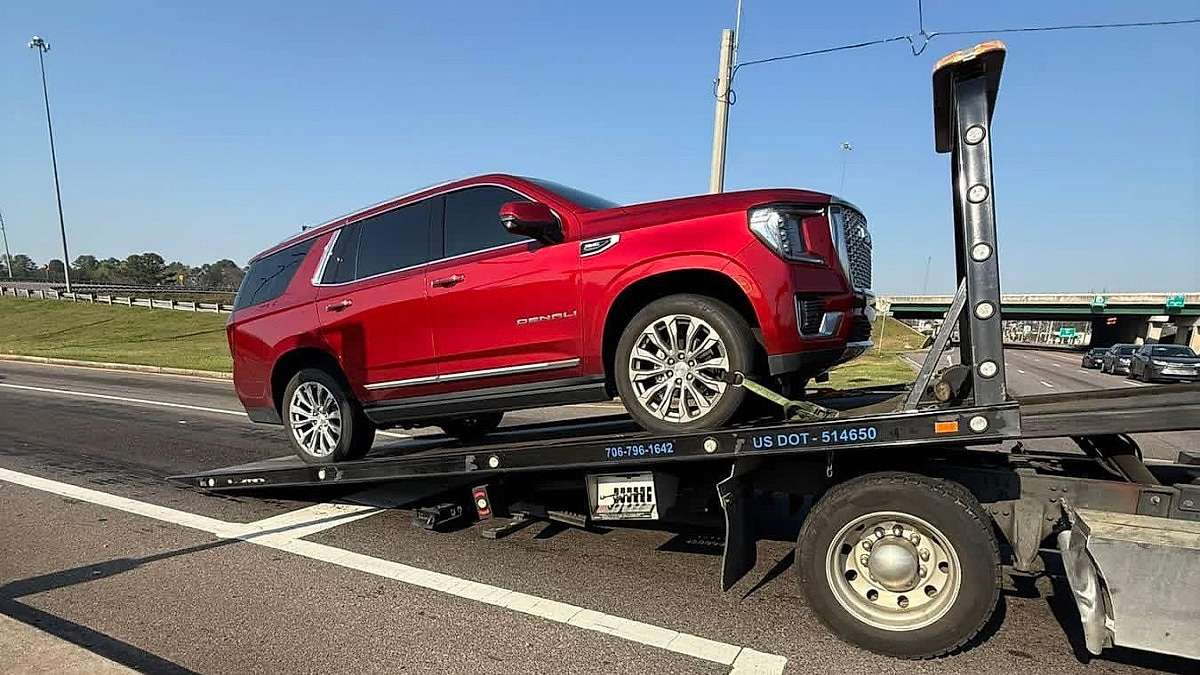

A GMC Yukon Denali equipped with GM’s 6.2L V8 with just 37,000 miles on the odometer recently became completely inoperable after shutting off at a traffic light and refusing to restart. The circumstances were somewhat unique due to what could have represented a moment of great confidence for the vehicle's owner. However, after being repaired under warranty for a recall approximately 3,000 miles earlier, rather than providing the owner with a renewed sense of confidence that his new SUV was going to be reliable, it failed leaving the owner stranded waiting for a tow.
Failures such as this create a different type of dialogue than just a singular failure on an upscale SUV (or even any vehicle). At its core, failures of this nature are now about determining if the overall ownership experience provided by the vehicle meets or exceeds buyer expectations. High end vehicles such as the Yukon Denali are designed to make life easier and less complicated, not to disrupt it. When these expectations are disturbed so early in the ownership cycle, it tends to stick with people.
Here's how Facebook user Mileskurth described his situation: “This right here is the reality of owning a GM 6.2. 37k miles, just had the recall done, drove it maybe 3k miles after that and now it shuts off at a light and won’t even crank back over. It’s completely dead. It’s sitting on a tow truck on the side of the road like a brand new $80k paperweight. The dealer says they need to ‘diagnose it’ but we all know how this goes. Weeks in the shop, no answers, and somehow, it’s never their fault even though these 6.2 failures are everywhere lately. Bearings, lifters, engines locking up, but they’ll still tell you it’s normal. At this point I’m not even mad, I’m just done. This is exactly why lemon laws exist. If this turns into what I think it will, the dealership can go ahead and buy this thing back and put me in something actually reliable. Honestly thinking about going to a Ram after this because at least when those break you expect it, not at 37k miles after a recall.”
Recall Repairs Don’t Always Mean Peace of Mind
What is so intriguing about this situation isn't just the failure itself but the time in which it happened. The owner said the problem occurred roughly 3,000 miles after having had the recall repaired. For most people who own cars with recalls, having a car repaired means they've solved their concern. They're able to get back on the road and enjoy some peace of mind. However, if there is a catastrophic failure soon after repair, it introduces doubt. Was the issue fully resolved? Was it related to the recall at all? Or is this part of a broader pattern that owners are beginning to notice?
In another case I covered involving a GM truck owner, a GMC Sierra 2500 HD Denali was lemon lawed at just 8,000 miles after repeated transmission issues despite ongoing brand loyalty. Stories like that highlight how even when problems arise, many owners still want to believe in the brand, but repeated issues can slowly chip away at that confidence.
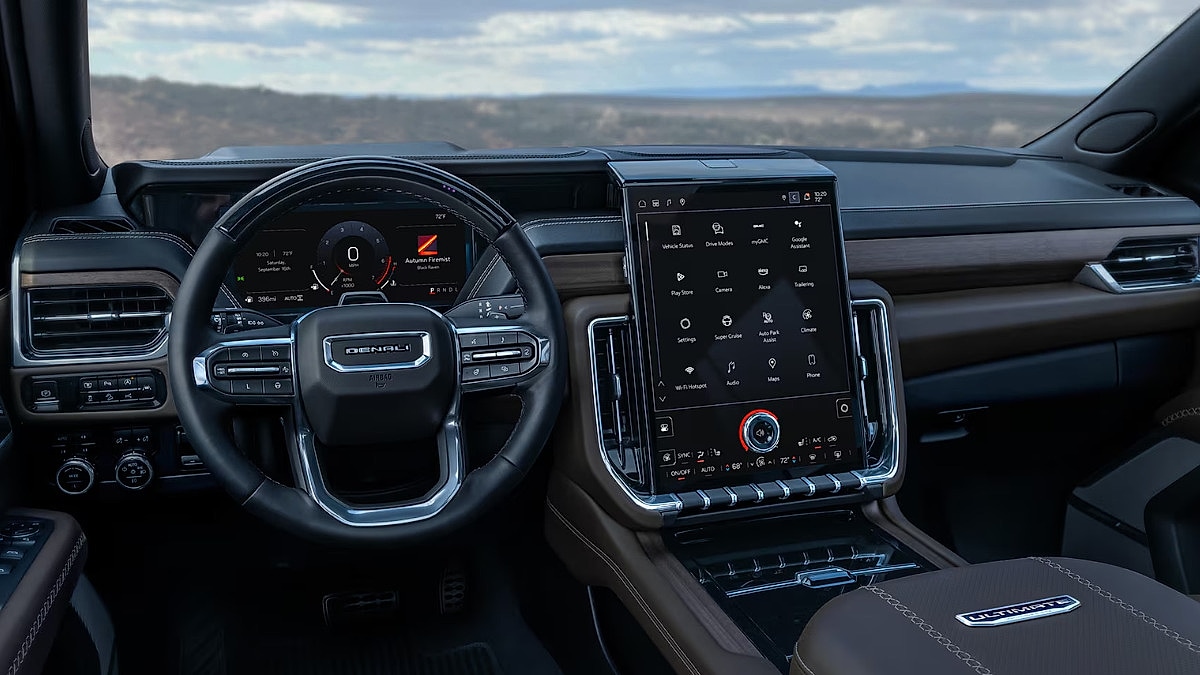
A Stall in Traffic Hits Different Than a Typical Issue
There's a difference between the development of problems with a vehicle over a period of time and the sudden loss of power in heavy traffic. In this scenario, the unpredictability is far less acceptable, particularly as the vehicle is intended for family use. A stall at a red light can be viewed as nothing more than inconvenient, but once the engine will not start after stalling, the situation is no longer simply a matter of convenience. The inability to start the vehicle creates concern for safety while causing many logistical issues and ultimately calls into question whether the vehicle is reliable under actual operating conditions.
While modern engines such as GM's 6.2L V8 engine have been engineered for both high levels of performance and efficiency, these vehicles continue to grow in complexity. As complexity grows, so does the number of areas where failures can occur within the vehicle. With that complexity comes a wider range of potential failure points, ranging from valvetrain components like lifters to internal engine bearings and electronic control systems.
The 6.2L Discussion Is Getting Louder Among Owners
While it’s important to note that not every 6.2L engine experiences problems, the volume of discussions surrounding failures has grown noticeably across owner communities. Like I mentioned a minute ago, reports of lifter failures, bearing issues, and even complete engine lockups have become recurring themes in conversations. This doesn’t necessarily mean every vehicle is at risk, but it certainly shapes perception. And in today’s market, that plays a major role in ownership decisions.
I’ve also seen frustration from long-time owners who feel the overall quality has shifted for the worse. In one perspective I explored, a longtime Chevrolet and GMC truck owner expressed concern about declining build quality after decades of loyalty to American brands. That kind of feedback adds another layer to the conversation, especially when it comes from experienced buyers.
Reconsidering the Next Vehicle After a Major Failure
One of the most telling parts of Mileskurth’s post is the shift in mindset toward switching brands. After experiencing a major issue, the idea of moving to something else starts to sound like a good plan. But that's where things can get complicated too.
While Ram is often seen as a strong alternative, especially in terms of ride quality and performance, the reality is that no brand is completely immune to modern reliability challenges. For example, I recently covered a case where a 2026 Ram 1500 returned to the dealer after just 510 miles due to an eTorque system issue. That kind of early failure shows how even newer platforms can face unexpected problems.
At the same time, not every Ram experience is negative. In another story, I looked at how an owner who switched from a 2025 Toyota Tundra to a Ram 1500 with the Hurricane engine found the experience compelling enough to reconsider future purchases. That highlights how ownership experiences can vary significantly depending on the vehicle and use case.
How Other Drivers Are Responding to Situations Like This
Reactions from other drivers added another layer to this discussion, showing how different ownership philosophies can shape perspectives on reliability.
Eric Ricks offered a contrast rooted in simplicity:
“Here I am in my (long-ago paid-off) 1st Generation Toyota Tacoma with 305,000+ miles on it driving over an hour (each way) to work daily. No Jones' to keep up with, no HOA to impress, just getting me there and back with great MPGs. And worst case scenario, I can work on it myself without a help desk appointment.”
His perspective highlights something many drivers are starting to think about more seriously. Is all of this modern complexity really worth it when simpler vehicles have proven they can last for hundreds of thousands of miles?
Bob Sawyer took a more direct stance on brand reliability too:
“Buy a Toyota. The failure rate is very low and it’s slim to none on the hybrid. 437 HP and 583 ft lbs of torque. If you do have an issue, they stand behind the product.”
That viewpoint reflects the long-standing reputation Toyota has built around dependability, though even that perception is being tested as vehicles become more advanced.
Finally, Jesse Guttenberg shared a positive experience that aligns with Mileskurth’s consideration of switching brands:
“I’ve got a 2024 Ram 1500 Limited. In just over a year that I’ve had it I have put 96,657 miles on it. Not one issue ever. It has taken everything I have thrown at it like a champ. I highly recommend it.”
This kind of feedback reinforces why Ram continues to be part of the conversation, especially for drivers looking for alternatives.
My Honest Thoughts
The most interesting point here for me is how fast things can change for an owner. In one instant, you have completed all repairs related to a recall and then suddenly your car is sitting by the side of the road. That kind of experience sticks with people in a way that a small issue or warning light never really does.
This is made worse by the fact that this is occurring with a relatively new vehicle. A new SUV should be able to go through everyday use without significant issues. If you have a failure occur as soon as possible into its lifespan, it causes owners to begin questioning their vehicle as well as the overall vehicle ownership experience.
I believe this highlights a larger trend within the automotive industry. Each year vehicles become more complex, leading to higher levels of complexity when an issue arises. What was once simply a matter of replacing parts and continuing on with your day now involves wondering if you can trust your vehicle the next time you get behind the wheel.
Key Takeaways for Drivers
- Recalls don’t always restore confidence: Even after repairs are completed, unexpected issues can still occur and impact trust.
- Modern vehicles are more complex than ever: Increased technology can improve performance but also introduces more potential failure points.
- Brand switching isn’t always a solution: Every manufacturer is dealing with similar challenges in today’s automotive landscape.
- Owner perception matters just as much as reliability data: What drivers experience and share plays a major role in shaping buying decisions.
- Unexpected failures change ownership expectations quickly: One incident can shift how a driver views a vehicle long-term.
What Do You Think?
Have you ever had a vehicle fail shortly after a major repair or recall? Did it change how you viewed that brand?
And if you were in this situation, would you stick with the same manufacturer or consider switching and why?
I'd love to hear you add your opinion in our comments below.
About The Author
Aram Krajekian is a young automotive journalist bringing a fresh and analytical perspective to the evolving automotive landscape by reporting on real-world ownership experiences and providing industry analysis. Based in North Carolina, he covers electric vehicles, trucks, and broader automotive trends with a focus on contributing a balanced evaluation. His reporting cuts through brand bias to provide readers with grounded insight into how vehicles perform for everyday drivers beyond marketing narratives.
Aram can be reached on X and LinkedIn for ongoing automotive coverage.
Image sources: Mileskurth’s post on Facebook and GMC’s gallery, respectively.
Set Torque News as Preferred Source on Google
Follow us today...