

There is a certain point in ownership where a vehicle stops feeling like an asset and starts feeling like a question mark. Not because it has failed outright, but because confidence in it begins to fade earlier than expected. For truck owners who rely on their vehicles daily, that uncertainty can be more frustrating than an obvious breakdown. Full-size trucks today are more advanced than ever, but that advancement has also raised the stakes for buyers. New engines, new software, and long-term durability questions often collide within the first year of ownership, forcing some drivers to make decisions they never planned on making so soon.
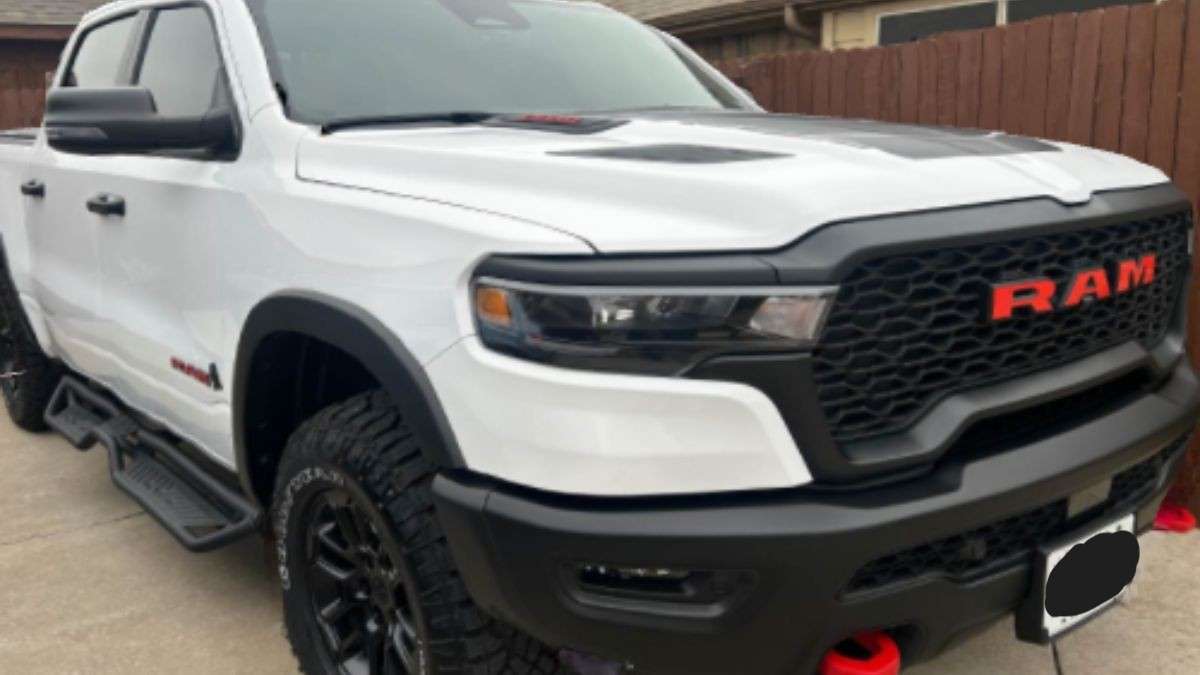
For James Surtees, those questions didn’t stay hypothetical for long. While browsing owner discussions in the “Hurricane 3.0 TT Rams” Facebook group, he came across a familiar pattern of frustration that mirrored his own experience, and it prompted him to share why he traded in his nearly new 2025 Toyota Tundra Limited with just 7,000 miles. After four months with his Ram 1500 equipped with the six-cylinder Hurricane engine, he says the ownership experience has been nearly trouble-free and convincing enough that he plans to keep the truck long term.
Here’s how James explained it in his own words: “With all the negative comments out about the new Rams, I wanted to share my experience. I traded in my 2025 Tundra Limited with the TRD package at 7,000 miles. This, of course, is not exactly a great idea because you will always lose money when trading in a near new vehicle because of depreciation. I got rid of it because I had nothing but problems and I was also concerned about the engine recalls and the possibility it could blow at any time. I have now had my Ram for about four months and I don’t think I will ever buy any other brand. I have now owned every major brand and I can honestly say that I plan on keeping this one for a while. Initially, I was completely against the idea of a six-cylinder engine, but after test driving it, it was a no-brainer for me. Only 6k miles but I've only had to take it to the dealership for an oil change and a software update. No electrical issues except for one and it was when I changed the halogen bulbs for LED ones above the bed and the key fob would not connect. The dealership that fixed it wasn’t even the dealership I bought it from, but they were closer to my house. They picked up my truck, diagnosed it, fixed the problem, and gave me a loaner. I can’t say enough good things about this awesome truck.”
Why Trading a Nearly New Truck Isn’t as Crazy as It Sounds
James is upfront about the financial reality of trading in a nearly new vehicle. Depreciation hits hardest in the first year, and most buyers try to avoid that loss at all costs. But his story highlights something many owners quietly wrestle with. When confidence in a vehicle erodes early, the cost of keeping it can feel higher than the cost of letting it go.
Concerns around long-term reliability have been especially loud in discussions surrounding newer trucks, whether those fears are fully justified or not. We’ve seen how small issues can snowball into broader unease, like in one case where a Ram owner described how their ownership experience changed after running into a jerky low-speed downshift that other Hurricane owners were also noticing. So even when problems aren’t catastrophic, the constant second-guessing can wear on owners quickly. For James, that sense of uncertainty was enough to push him toward a decision most people would hesitate to make.
From Six-Cylinder Skeptic to Believer
One of the more interesting parts of James’s story is his admission that he was initially against the idea of a six-cylinder engine in a full-size truck. That hesitation is common. For decades, V8s were synonymous with capability, durability, and confidence. Moving away from that formula feels uncomfortable for many buyers.
But James says one test drive was all it took. The Hurricane engine delivered the power and responsiveness he wanted without feeling like a compromise. That mirrors what other owners have said after stepping into newer Rams, including one driver who noted how dramatically different the latest generation felt compared to an older model in a firsthand comparison between a 2021 Ram 1500 and a 2026 Ram 1500 Limited. Refinement has become just as important as raw output.
A Dealer Experience That Reinforced the Decision
The only issue James encountered wasn’t even factory related. After swapping the bed lights from halogen to LED, the key fob temporarily stopped connecting. What stands out isn’t the issue itself, but how it was handled.
The dealership that resolved the problem wasn’t the one that sold him the truck. It was simply closer to home. Even so, they picked up the vehicle, diagnosed the issue, fixed it, and provided a loaner. That kind of service matters, especially at a time when some owners feel left in the dark after encountering problems, like those described in stories where early excitement turned into frustration after running into repeated electrical issues and unanswered questions. In James’ case, the service experience became another reason to feel confident in the switch.
What Other Owners Are Saying
James’s post sparked a wave of responses from other owners who shared their own experiences, adding depth to the conversation.
Luke Westbrook chimed in with a perspective shaped by mileage rather than early impressions: “Yup. I’ve only heard bad things on these forums… I almost bought a Ranger Raptor but I’m so happy I went with my ‘25 Rebel. 24k miles and no issues.”
Luke’s comment highlights a recurring theme in owner communities. Negative experiences tend to dominate online discussions, while uneventful ownership often goes unspoken. High-mileage, low-drama stories like his help balance the narrative.
Michael Beatriz offered a more nuanced comparison after coming from a long-term Toyota ownership background: “I also came from a Toyota, a 5th gen 4Runner. It had been really reliable up to when I traded it in at 203k miles. I would have liked another Toyota, but the new Tundra just isn't it. Reliability aside, I do not like anything about that truck. I think the interior and exteriors of the new Toyotas are terrible. I'm approaching 3k miles on my ‘26 Warlock Hurricane, and I absolutely love it! I thought I may go Ford, but I was sold as soon as I drove the Ram. I also drove the Hemi and Hurricane back-to-back (Hemi first) and I much preferred the Hurricane.”
Michael’s experience reinforces the idea that brand loyalty doesn’t disappear overnight. Sometimes it fades because the product itself no longer aligns with what the buyer values.
Russell Lindley added yet another angle, coming from years of Ford ownership: “I have owned 8 different Ford trucks and can say I am enjoying my 2025 Rebel with 17,000 miles and will convert to a Ram person from Ford. No problems and it has been very reliable. My only regret is not getting the HO engine!”
Russell’s comment shows how cross-brand migration is becoming more common, especially as buyers prioritize overall experience over long-standing allegiances.
What This Switch Says About Modern Truck Ownership
I think stories like this are important because they challenge the idea that one bad headline defines an entire lineup. Modern trucks are complicated machines, and early online narratives often magnify worst-case scenarios before broader ownership data has time to develop. James didn’t switch brands because he was chasing something new or flashy. He switched because he wanted confidence back.
We’ve seen similar sentiment from owners who walked away from long-term loyalty elsewhere, including those who spent years with one manufacturer before finding themselves surprisingly content after making the jump, like in the case of a driver who gave 18 years of GM loyalty to a 2025 Ram 1500 RHO. These shifts rarely happen without reason.
Key Takeaways for Buyers
• Early confidence matters. A truck doesn’t need to be perfect, but it needs to inspire trust early on.
• Test drives can change assumptions. Many buyers who resist new powertrains end up surprised once they experience them firsthand.
• Service experiences shape loyalty. How a dealer handles a small issue can influence how an owner feels about a vehicle long term.
• Online narratives aren’t the full picture. High-mileage, problem-free ownership often goes unreported.
• Brand loyalty is earned, not guaranteed. Buyers will move on if a product no longer meets expectations.
Now Tell Us Your Story
If you’ve made a brand switch recently, what ultimately pushed you to do it?
And for those driving the latest Ram 1500s, has your ownership experience matched what you expected when you first made the leap?
I'd love to hear from you in our comments below.
Aram Krajekian is a young automotive journalist bringing a fresh perspective to his coverage of the evolving automotive landscape. Follow Aram on X and LinkedIn for daily news coverage about cars.
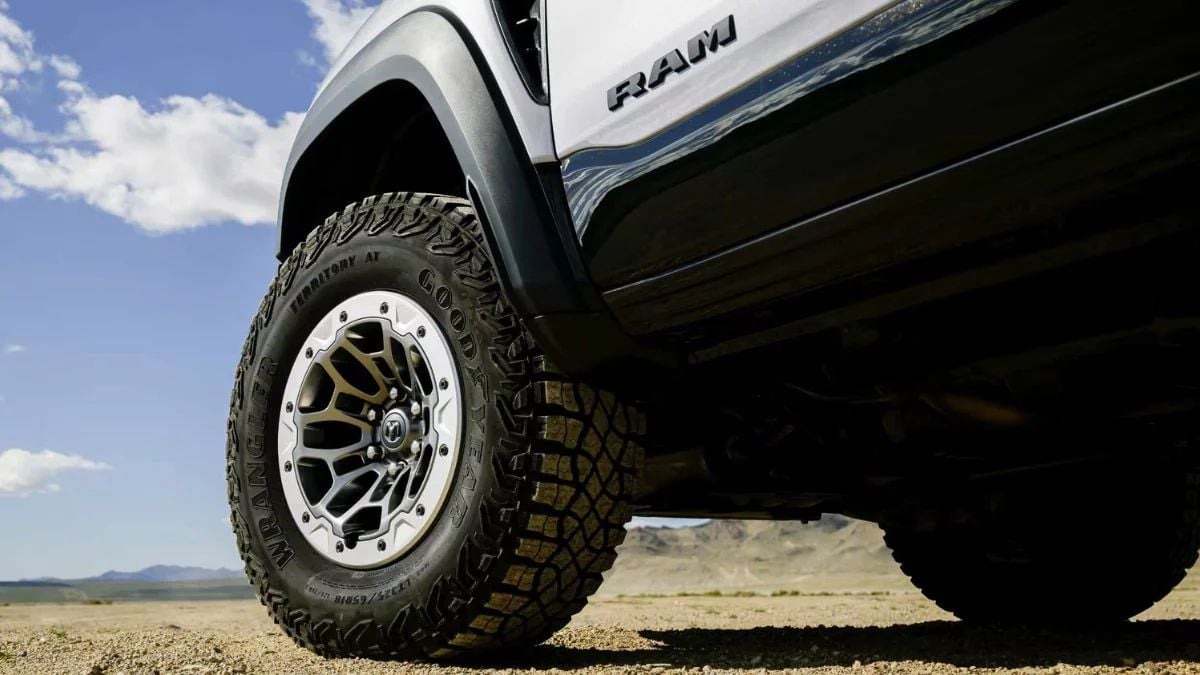
Image Sources: The “Hurricane 3.0 TT Rams” public Facebook group and Ram’s gallery, respectively.
Set Torque News as Preferred Source on Google
Follow us today...




Comments
Wait until it breaks down !…
Permalink
Wait until it breaks down ! I have been a life long dodge fan, I have 2 2025 trucks. Both brand new both broke down at the same time. One has been in the shop 16 times! Same issues, now 2025 Cummins broke down the first month of ownership. My fault for thinking the problems were just one platform. Should be safe to buy a Cummins… wrong! Thought FCA would actually do something to fix the problem. Also wrong. I use these trucks for business, Can’t get a single person to do anything to help, at the point of getting a lemon law attorney for both trucks. Or going federal route. Hope you don’t have near the problems I have. 2025 limited 7,8000 miles broke down the first day and had to be towed to the dealer… I spent hours doing the job of service to figure out the issue and they still don’t do anything right. It’s a nightmare,