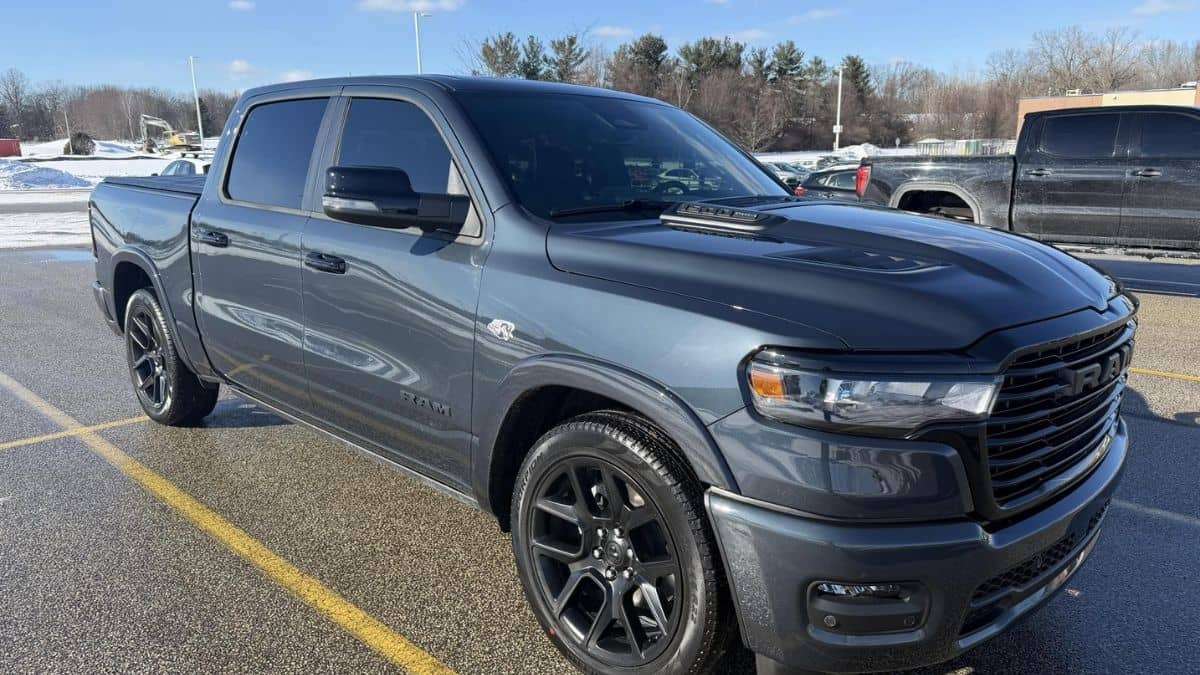

For many people, their brand-new truck represents a "reset" after months waiting, as well as a transition from the anxiety of a long wait to the peace of mind that comes with knowing they have made a worthwhile investment in their time, money, and patience. The early days of owning a new vehicle also set the stage for all that comes next.
That is why a post shared this week by James Walker in the “6th Gen Ram 1500’s (2024+)” Facebook group carries extra weight. After waiting five months for his 2026 Ram 1500 HEMI, James says the truck has accumulated just 510 miles and is already back at the dealer due to a failed MGU tied to the E-Torque system. Less than two weeks after taking delivery, the repair shifts the experience from new-truck excitement to an unexpected test of early reliability.
As James put it in his own words, “I have a 2026 1500 Hemi and I waited five months for it. I just picked it up two weeks ago. 510 miles in and the MGU (E torque) needs to be replaced!”
What the MGU Failure Actually Means for New Owners
Understanding the specifics of how the MGU failed and why it's such an issue as part of James' overall experience will help frame things. The Motor Generator Unit (MGU) is a major part of the mild hybrid E-Torque system used in the Ram. This system utilizes a belt driven electric motor powered by a 48-volt battery to perform engine restarts, capture regenerative braking energy, assist with low-speed acceleration, and provide accessory power when the engine shuts off.
The MGU system is designed to be completely transparent to the driver in terms of function during typical use. Engine start/stop events should happen smoothly, transitions between the electric assistance provided by the MGU and the engine power should be virtually invisible. The truck should seem to be more refined in city driving compared to a conventional V8 only configuration. But once the MGU has failed, all of these advantages are lost immediately. The truck may display warning lights, disable start/stop capability and in certain circumstances put the truck into a protective mode limiting regular operation until repairs have been completed.
James' experience is unique because in addition to the fact that the MGU failed, it's the fact that it occurred at just 510 miles. As previously stated, an MGU is expected to run continuously from the time the vehicle is started. A premature failure like this creates natural concern regarding both the initial build quality of the vehicle and the reliability of components in general, particularly for customers that had to wait many months for delivery.
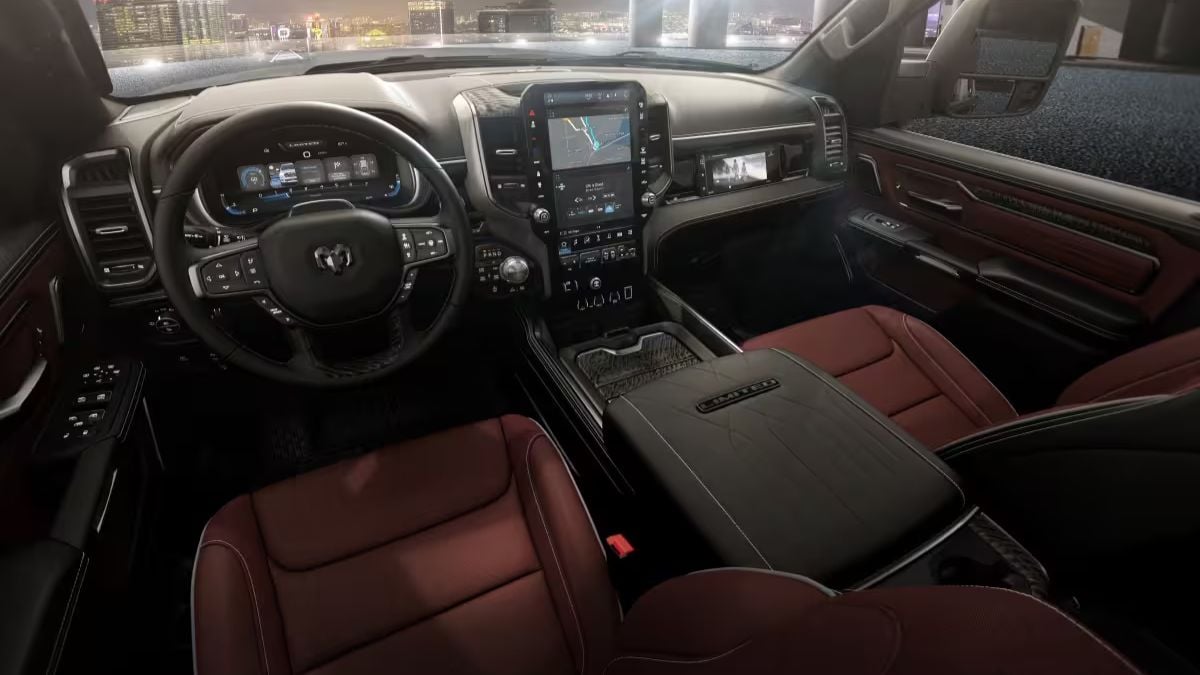
Early Ownership Frustration Hits Harder After Long Waits
Waiting five months for a truck changes expectations. By the time it finally arrives, most buyers are mentally prepared to forgive small quirks because the hardest part feels over. But when a major system fails within days of ownership, that patience disappears quickly. Instead of settling into the break-in period, you are suddenly juggling service appointments, parts availability, and unanswered questions from the dealership.
What makes James’ experience stand out to me is that it echoes patterns I have already seen while covering early ownership stories tied to the latest Ram 1500s, including a case where a 2025 Ram 1500 first lost dashboard power and then triggered a check engine warning. When situations like this are viewed individually, they can be dismissed as outliers. When they begin to surface across multiple ownership stories, they start to influence how buyers think about early reliability.
Community Reactions Reveal a Pattern of Mixed Experiences
James’ post quickly drew responses from other owners, many of whom shared their own early impressions and experiences.
Dave Holdi captured a common sentiment when he commented, “It sucks they're such beautiful trucks! It looks like nothing but problems with these new ‘25-’26 models so far.”
Dave’s reaction reflects the tension many buyers feel right now. The latest Ram 1500s are widely praised for their design, comfort, and technology. When reliability stories surface so early, it creates a disconnect between how the truck looks and how ownership is unfolding for some people.
Adam Poer offered a more specific comparison that put James’ experience into sharper perspective. He wrote, “Welcome! Mine crapped out at 661 miles. Luckily my dealer had some on order already and I was able to get it back in about a week.”
Adam’s comment introduces an important variable of dealer readiness. For some owners, parts availability and proactive service departments can turn a major failure into a short inconvenience. For others, back orders and long wait times can stretch frustration out for weeks or even months.
Lionel Mew added another layer to the conversation by looking at the issue across powertrain generations. “My ‘22 Hemi eTorque didn’t have any problems, but I’m still glad I have a Hurricane now. It’s much smoother,” he said.
Lionel’s perspective highlights how experiences with E-Torque can vary widely depending on production year, usage, and individual vehicle build. It also helps explain why some owners are gravitating toward Ram’s newer Hurricane engines, especially after seeing mixed reliability reports tied to earlier systems.
E-Torque Versus Hurricane and Shifting Buyer Confidence
Discussions like these naturally spill into broader debates about Ram’s evolving powertrain strategy. In my own coverage of recent Ram ownership stories, I have seen longtime HEMI drivers begin reassessing their priorities after early issues, and that shift in mindset is what makes James’ situation more than just an isolated repair. When loyalty that has been built over decades begins to waver because of early reliability concerns, it signals something deeper than a single faulty component. It suggests that confidence in the platform itself is being tested, especially among buyers who expected the newest generation to feel more refined and dependable from day one.
Others see the Hurricane engines as a cleaner break from older systems, especially when smoothness and consistency are prioritized over tradition. I have also covered buyers who reevaluated their expectations entirely after switching platforms, including a driver who traded a 2025 Toyota Tundra for a Ram 1500 with the 3.0-liter Hurricane engine and walked away with mixed feelings.
What makes that shift important is not that one engine won and the other lost. It is that buyers are increasingly willing to rethink brand loyalty altogether when early ownership uncertainty creeps in. Switching platforms is not a small decision. It reflects a deeper recalibration of trust, especially among younger buyers who are comparing refinement, reliability, and long-term value more critically than ever.
Electrical Complexity Is Becoming the New Reliability Frontier
What stands out in James’ case is that the issue is not mechanical in the traditional sense. The failure centers on a component that blends electrical and mechanical functions, which is becoming increasingly common across the industry. Modern trucks rely on integrated systems that communicate constantly with each other, and when one link in that chain fails, the impact can be immediate and severe.
Other owners have reported similarly odd electrical behavior early in ownership, something I have again seen firsthand while documenting cases where drivers said they loved their truck until it developed a string of unexpected issues, including one instance in which a 2025 Ram 1500 owner ran into multiple electrical problems and felt dismissed by the manufacturer.
What makes that pattern important is not just the presence of glitches, but the type of problems surfacing. These are not traditional wear-and-tear concerns. They are system-level electrical issues that can affect drivability, communication between modules, and owner confidence all at once. In modern trucks where software and hardware are deeply intertwined, early electrical instability tends to feel more unsettling than conventional mechanical repair. It introduces uncertainty about how interconnected systems will behave long term, especially for buyers who plan to keep their truck well beyond the warranty window.
A Young Buyer’s Perspective on Where Ram Is Headed Next
I think what makes James’ situation particularly relevant is how it lands for younger buyers who are stepping into full-size trucks for the first time or moving up from something smaller. In your early twenties, a new truck is not just transportation. It is often a long-term financial commitment, a daily tool, and in some cases the most expensive thing you have ever purchased. Seeing a major system fail before the first oil change forces you to think differently about risk.
I do not see this as an indictment of Ram or the HEMI nameplate. Instead, it feels like a snapshot of where the industry is headed as trucks become more advanced and more dependent on tightly integrated systems. For buyers my age, that raises practical questions about long-term ownership, repair exposure, and how comfortable you really are being an early adopter of next-generation technology.
For younger shoppers in particular, stories like this change the calculation. Waiting months for a vehicle no longer guarantees peace of mind, and reliability is no longer just about engines and transmissions. It is about how quickly problems are addressed, how accessible service is, and whether the ownership experience still makes sense when technology-driven failures enter the picture early.
Key Takeaways for Prospective Ram 1500 Buyers
- Early failures carry more weight: A major component issue within the first few hundred miles can reshape how owners feel about a vehicle long before long-term reliability is known.
- Dealer readiness matters: Parts availability and service responsiveness can make the difference between a brief inconvenience and a prolonged ownership headache.
- Complex systems raise the stakes: Mild-hybrid and electrical systems add refinement, but they also introduce new failure points that buyers should understand.
- Expectations shape satisfaction: Knowing where technology-driven tradeoffs exist can help buyers approach ownership with clearer eyes.
Join the Conversation
If you own a Ram 1500 with E-Torque, have you experienced any early issues that made you question long-term reliability?
And for those shopping right now, how much early ownership risk are you willing to accept in exchange for newer technology and added refinement?
I would love to hear your experiences and thoughts in the comments below.
Aram Krajekian is a young automotive journalist bringing a fresh perspective to his coverage of the evolving automotive landscape. Follow Aram on X and LinkedIn for daily news coverage about cars.
Image sources: The “6th Gen Ram 1500's (2024+)” Facebook group and Ram’s gallery, respectively.
Set Torque News as Preferred Source on Google
Follow us today...