
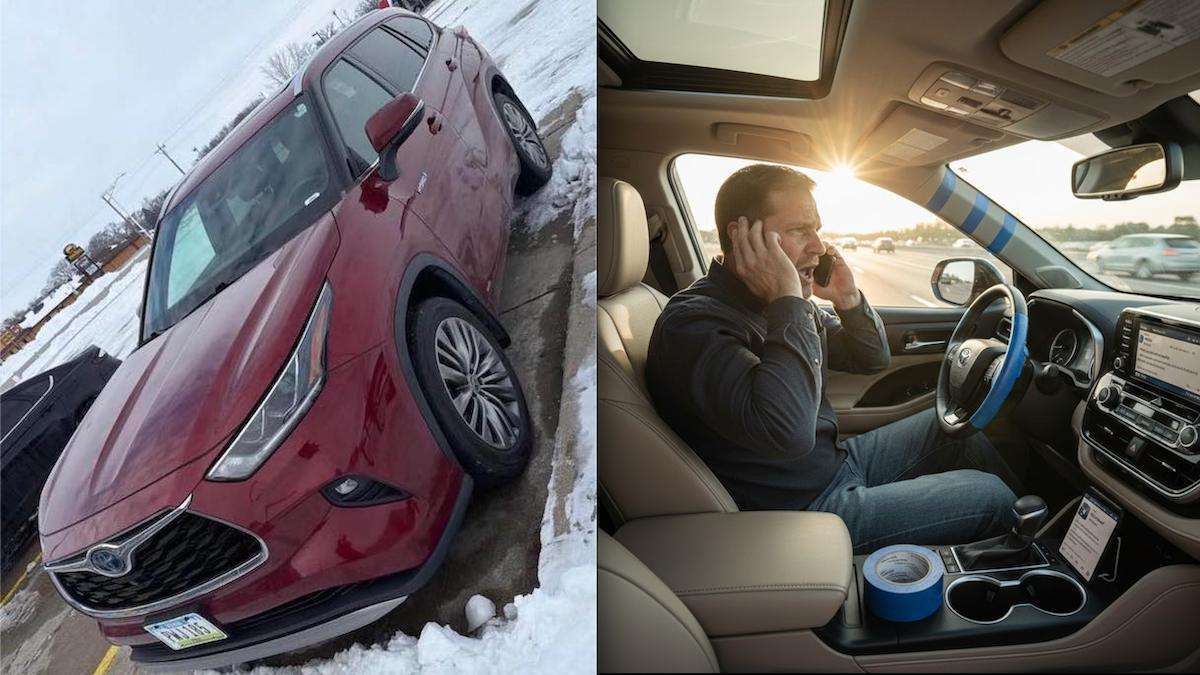

Stop letting a $50,000 "luxury" Highlader Platinum cabin sound like a hurricane when the solution is actually hiding in plain sight.
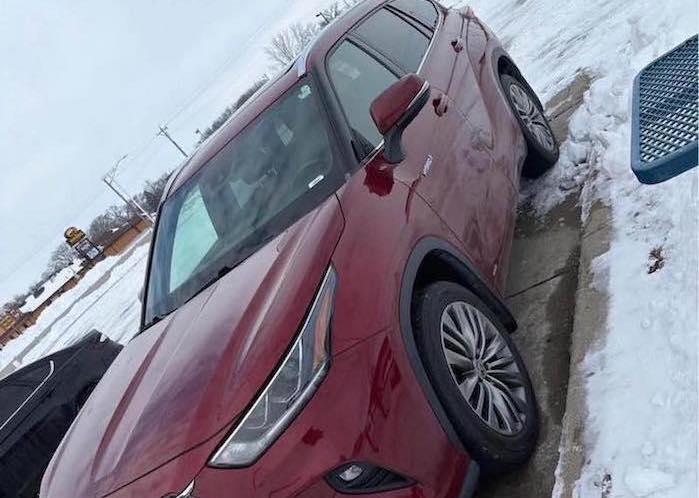
In my recent research on Toyota reliability trends, I came across a post in a Facebook community of Highlander owners where Tyler Hurt highlighted a frustrating Highlander Platinum cabin defect that is shattering the premium experience for many long-time fans of the brand.
He says, “I have a 2021 Toyota Highlander Platinum, and I can’t seem to get over how awful the wind noise is inside the cabin. I love the car, other than this one significant issue. Is this normal? If so, what have you done to help with it?”
From My View: The Quality Gap
In my 14 years of covering the automotive beat, I’ve discovered the "Rule of 1,000." For every one owner like Tyler who takes the time to post on social media, there are 1,000 others white-knuckling the steering wheel in silence, wondering why their expensive SUV sounds like a Cessna during takeoff. When you pay for a Platinum trim, you aren't just buying leather seats; you are buying an expectation of refinement.
I’ve seen this story play out across the entire Toyota lineup. For instance, in a recent deep dive, I looked at how an owner took their 2020 Highlander in for its free 5K oil change, and Toyota came back with $2,584 in recommended services, showing that the ownership experience can often be more stressful than it needs to be. But the wind noise issue is different because it’s a design flaw that's being passed off as "normal operation."
My Take: Why "Normal" Isn't Good Enough
The most frustrating part of this saga is the "gaslighting" owners face at the dealership. I’ve heard from countless readers that when they bring their 2021 or 2022 models in, the technician simply shrugs and says it’s within "factory specifications." However, expert analysis from RepairPal substantiates these concerns, noting that Toyota Highlander owners report experiencing excessive wind noise inside the vehicle, a recurring issue that intensifies at highway speeds.
It’s not just in your head. The fourth-generation Highlander has specific aerodynamic "pressure points" that, if not sealed perfectly, create a whistle that can be maddening. This aligns with my previous reporting on older generations, such as in "My Gas Mileage Is Terrible," where owners felt their concerns were being ignored by the manufacturer.
The "Industry Secret" Solutions
If you are dealing with this, you don't need a new car; you need a roll of painter's tape and fifteen minutes. Through my industry contacts, I’ve learned that the noise usually originates from three specific areas:
1. The Side Mirror Stalk: Air gets trapped in the wiring channel, creating a "flute" effect.
2. The Hood-to-Bumper Seal: A gap here allows high-pressure air to swirl under the hood and vibrate the A-pillars.
3. The Panoramic Roof Seal: On Platinum trims, the seal can sit slightly flush, causing turbulence.

Even Consumer Reports, which generally praises the model, has heard these cries for help. While they noted that SUV shoppers should avoid the Subaru Ascent and opt for the Highlander instead, they also acknowledged that the cabin experience can be marred by minor but maddening build-quality issues. This reminds me of my analysis on how the Toyota Highlander is one of the brand's most expensive models to maintain, where small "annoying" defects often lead to long-term owner dissatisfaction.
Why Does the Highlander "Whistle"?
In my 14 years of diagnosing vehicle assembly flaws, I’ve learned that wind noise is rarely about a "hole" in the car and almost always about pressure differentials. On the 2021 Toyota Highlander, the culprit is often a phenomenon known as "aero-acoustic resonance." When air travels over the massive front fascia and enters the gap between the hood and the radiator grille, it becomes trapped. If the weatherstripping isn't seated with microscopic precision, that air turns into a high-velocity jet, vibrating the internal seals like a reed in a saxophone.
The primary suspect for most owners is Technical Service Bulletin T-SB-0048-22. This internal document identifies that an "abnormal whistling noise" is frequently generated by air passing through the radiator grille and the front hood seal. The factory fix involves installing a specific foam tape kit (Part No. 08231-00801) to bridge the gap and disrupt airflow before it resonates. However, through my industry contacts and hands-on inspections, I’ve found a second, more insidious failure: the side mirror base seal.

The 2021 model features a "pedestal-style" mirror. If the internal rubber gasket, the one hidden behind the plastic trim piece on the door, is even a millimeter out of alignment, it creates a vacuum. This vacuum sucks air through the mirror’s wiring harness channel and directly into the door cavity. Because the Platinum trim features acoustic glass, the contrast between the quiet window and the "screaming" mirror base makes the sound feel even more intrusive.
If your dealership claims they can’t find the issue, ask them to check the A-pillar garnish clips. These plastic retainers can sometimes loosen, allowing the exterior trim to vibrate against the chassis at speeds above 45 mph. My advice? Don't let them replace the windshield first. Nine times out of ten, the "awful" noise is caused by these external plastic-to-rubber interfaces failing to maintain a perfect aerodynamic seal under high-pressure highway conditions.
Key Takeaways
- The Whistle is Real: It typically begins at 35-45 mph and is often caused by the side mirror mounting points.
- DIY Testing: Use blue painter's tape to cover the gaps around your side mirrors one by one to isolate the sound.
- Dealer TSBs: Mention T-SB-0048-22 to your service advisor; it specifically addresses "Abnormal Whistling Noise" from the radiator grille area.
- Acoustic Glass: Remember that only Limited and Platinum trims have acoustic side glass, meaning if you hear noise in those trims, it is almost certainly a seal failure, not road noise.
Community Technical Feedback
The community hasn't been shy about sharing its "hacks." One Reddit user noted the severity of the situation: "We thought it was the windshield or the seal around the driver's door... it ended up being the mirror," as discussed in the full thread here.
Another owner highlighted the frustration of seeking a professional fix, noting, "The technician was instructed by Toyota to add a piece of foam tape under the hood seal... it did fix the noise," as reported in this Reddit thread.
Wind Noise Is Never Normal
The 2021 Toyota Highlander remains a stellar SUV, but nobody should have to shout over the wind in a vehicle they spent their hard-earned money on. By identifying the specific seal at fault, whether it is the mirror stalk or the hood gap, you can return your cabin to the vault-like silence you were promised. Don't let the dealership tell you it's "normal" when a simple foam kit can resolve the issue permanently.
How About You? Have you experienced this maddening whistle in your Highlander, or has your cabin stayed whisper-quiet? I want to hear your story. Leave a comment in the red Add new comment link below.
Denis Flierl is a 14-year Senior Reporter at Torque News and a member of the Rocky Mountain Automotive Press (RMAP) with 30+ years of industry experience. Based in Parker, Colorado, Denis leverages the Rockies' high-altitude terrain as a rigorous testing ground to provide "boots-on-the-ground" analysis for readers across the Rocky Mountain region, California EV corridors, the Northeast, Texas truck markets, and Midwest agricultural zones.
A former professional test driver and consultant for Ford, GM, Ram, Toyota, and Tesla, he delivers data-backed insights on reliability and market shifts. Denis cuts through the noise to provide national audiences with the real-world reporting today’s landscape demands.
Connect with Denis: Find him on LinkedIn, X @DenisFlierl, @WorldsCoolestRides, Facebook, and Instagram.
Photo credit: Denis Flierl via Tyler Hurt
Set Torque News as Preferred Source on Google
Follow us today...






Comments
There's a tsb for this very…
Permalink
There's a tsb for this very issue... instead of writing an article about it... could have used..... I don't know, google....