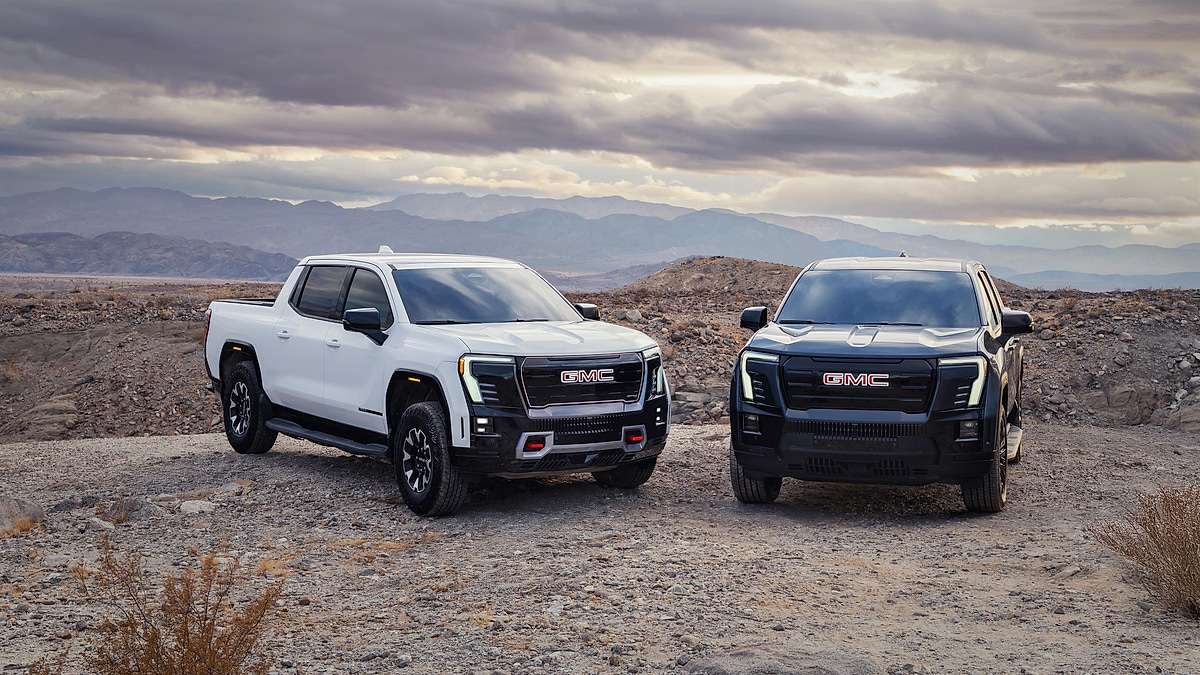

According to the dealership, Sun GMC in Wantagh, NY, GM has been not giving the store the inventory it needs to bring in customers.
According to Automotive News, the dealership’s claim says GM “has been wrongfully starving it of inventory to sell, which is causing irreparable harm and damage to Sun’s business and goodwill. If GM’s failure to provide a fair and sufficient allocation of inventory continues, its dealership will eventually be forced to go out of business.”
General Motors has not responded to the lawsuit in court and a GM spokesperson told AN that the company doesn’t comment on pending litigation.
Torque News Reminds Readers That Dealers Are Middlemen
Car dealerships are unique among American businesses in that they are not owned by the manufacturer. They buy new cars from the OEM and then re-sell them to the public - that’s the simple version. It’s not like a big-box retail store that is owned by corporate. It’s a little closer to the franchise model seen in fast-food, but it’s not exactly the same.
So, Sun, which is has been in business since 1986, will buy its GMC trucks and SUVs from GM and sell them to the public.
Automakers often try to force dealers to sell a certain product mix. For example, if a dealership wants more units of a hot-selling car for its showroom, the automaker might force it to also buy some units of a slow-selling model.
Automakers will also ask dealerships to have a certain look, and to achieve a certain level of customer satisfaction, both in sales and service, via surveys.
Sun says that in 2017, GM allocated about the amount of vehicles that it thought it could sell, which was about 1,200. Sun says that since 2018, however, GM has allocated less than half the amount of vehicles Sun expects to sell in a year.
Sun claims that GM was only invoiced for 380 vehicles in 2023, 426 in 2024, and 501 in 2025. The dealer says that’s far below what the “market demands”.
“GM execs told me, both verbally and in writing, to source inventory from overstocked Buick and GMC dealerships despite the much higher cost,” dealership president Patrick Cassino said in an email to Automotive News.
That costs “typically $2,000 more for each vehicle, which is not competitive,” according to the lawsuit.
The lawsuit also says that GM has listed the dealership as doing poorly in its quarterly reports, but Sun says it sells almost every new car it gets.
Sun says it sold 420 of the 426 vehicles it got in 2024, for example.
Torque News Says That This Matters For Consumer Choice
Car dealerships, even those that represent the same brand as each other, compete with one another. If you’re shopping for a new vacuum from Best Buy, the choice to use one location over another probably won’t affect the price - you’ll likely pay the same either way. Customer service or location will drive your decision to pick one Best Buy over another.
However, one dealership might offer a much better deal than another. One GMC store, for example, might give the same buyer a better deal on a new Sierra and/or a trade-in than the one five miles down the same road.
So if Sun is being shorted product by GM, it’s not just hurting it by perhaps forcing customers to shop another brand. Customers might also be shopping another GMC dealership.
And customers will be hurt by having one fewer local dealership that can compete on price and inventory. If Sun doesn’t have the inventory, it can’t compete on price. Other GMC dealers could then charge more, and customers wouldn’t have leverage to negotiate lower prices.
And the dealership is also worried that if the lot looks empty, customers won’t come in.
“Sun has at times put used vehicles on display in its showroom,” it said. “The lack of inventory projects an extremely unsettling image to Sun’s customers, potential consumers and even its employees.”
Sun wants $15 million from GM, plus it wants the court to force GM to produce enough vehicles to meet minimum sales.
A lawyer involved in the case also points out that what GM was doing could be construed as a way to drop a dealership from its brand without formally terminating it.
“This practice amounts to a constructive termination of the dealership, where an OEM avoids the step sending a termination letter because it cannot identify a default, but seeks to accomplish the same result by cutting off its dealer’s economic lifeline — new vehicle inventory,” the lawyer said.
This may all sound like inside baseball, but if you’re shopping for a new car right now, you can poke around to see if a certain OEM is working to give you less choice when it comes to dealerships.
About The Author
Tim Healey is an experienced automotive writer and editor from Chicago. He has covered automotive news at Consumer Guide Automotive, Web2Carz, AutoGuide, and was the managing editor at The Truth About Cars. Tim is a member of the Midwest Automotive Media Association. You can find him on Facebook, X/Twitter, and on LinkedIn.
Set Torque News as Preferred Source on Google
Follow us today...