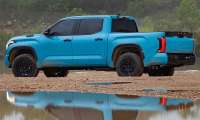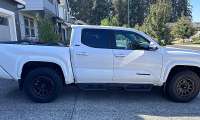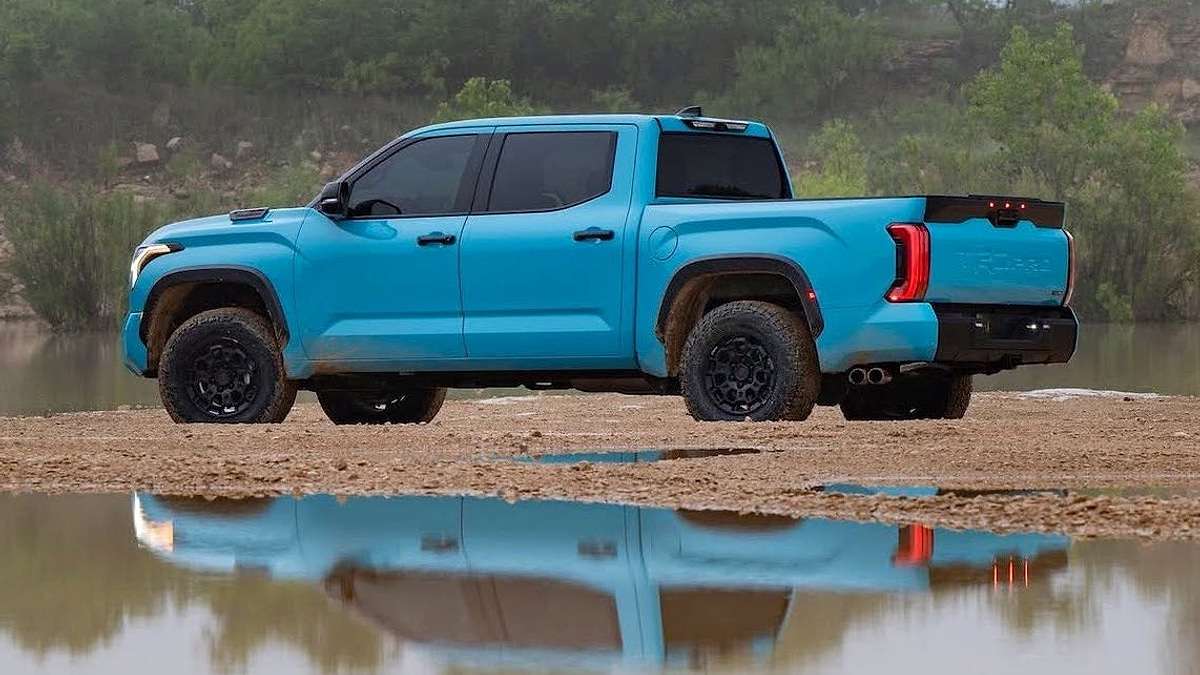

Dropping over $70,000 on a shiny new 2024 Toyota Tundra Platinum Hybrid should bring absolute peace of mind.
Instead, a growing wave of late-model buyers are taking to social media to ask if they actually bought a ticking time bomb.
The real answer isn't found in a glossy dealer brochure, but on the grease-stained floor of an independent service bay.
A 2024 Toyota Tundra Platinum owner wants to know whether later builds avoided the early V6 engine recalls and the frustrating interior defects. I look at the technical truth behind ongoing window-track noise, broken volume knobs, and current assembly-line fixes.
For generations, truck buyers bought the Toyota Tundra because they expected a bulletproof machine they could completely forget about. The truck's massive brand equity wasn't built on having the flashiest cabin technology or the most aggressive payload ratings. It was built on the unshakeable premise that small components simply would not break.
Now, look at this recent owner’s post on social media that perfectly sums up the anxiety gripping the community.
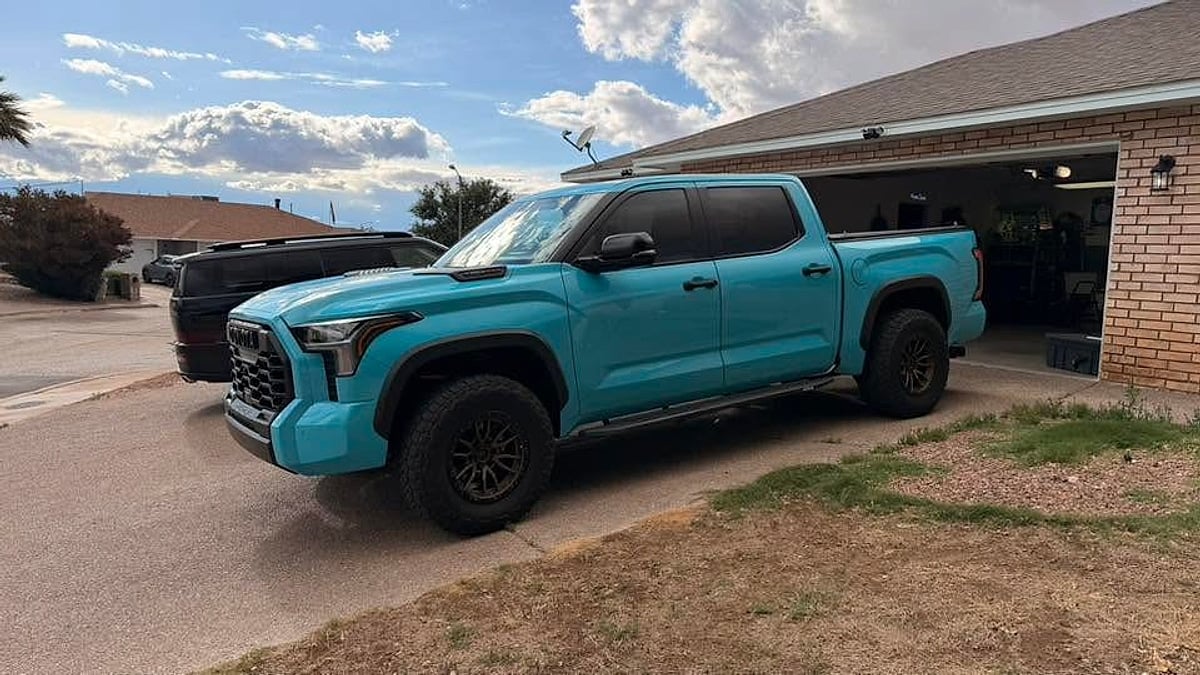
Shane Iac Washburn from Charleston, South Carolina, posted on the 2023-2027 Toyota Tundra Owners Facebook page: “Ok, I get all this recall stuff. But it’s narrowed to mostly early versions? Are 2024 Tundras out of the weeds for stuff like window noise, busted volume knobs, engine issues? I got a 2024 Toyota Tundra Platinum hybrid last month, and almost everything I’ve been seeing is that 2022-era Tundras are having the problems. Is my 2024 Tundra free of problems?”
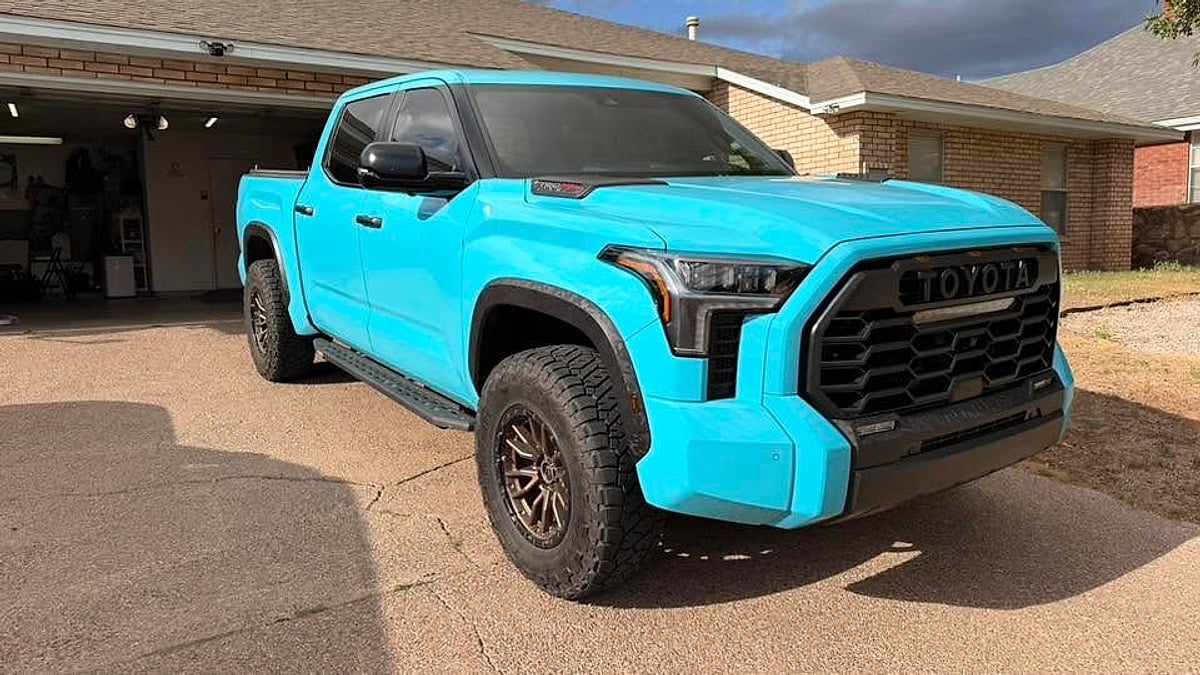
The Real Truth Behind the 2024 Assembly Line Changes
To understand why a 2024 owner is asking if they are safe, you have to look directly at how the manufacturer adjusted its assembly practices.
While it is true that the bulk of early catastrophic failures occurred in the 2022 and 2023 model years, federal filings show that the 2024 line was not entirely untouched.
According to the official Toyota Pressroom Recall Statement, the automaker recalled approximately 44,000 model-year 2024 Tundras because factory debris could still cause the main bearings to fail. Toyota explicitly stated that even after introducing cleaner production steps, "the remaining debris could be sufficient to cause damage to the #1 main bearing."
This means that while early production versions took the brunt of the damage, later 2024 models built before August of that year remain under scrutiny. Furthermore, report details published by federal watchdogs confirm that late-build changes were implemented to save subsequent trucks.
As documented in the comprehensive Fox Business Safety Recall Report, "debris left behind during the manufacturing process could contaminate the engine and increase the risk of a crash," a warning that directly encompasses thousands of 2024 models.
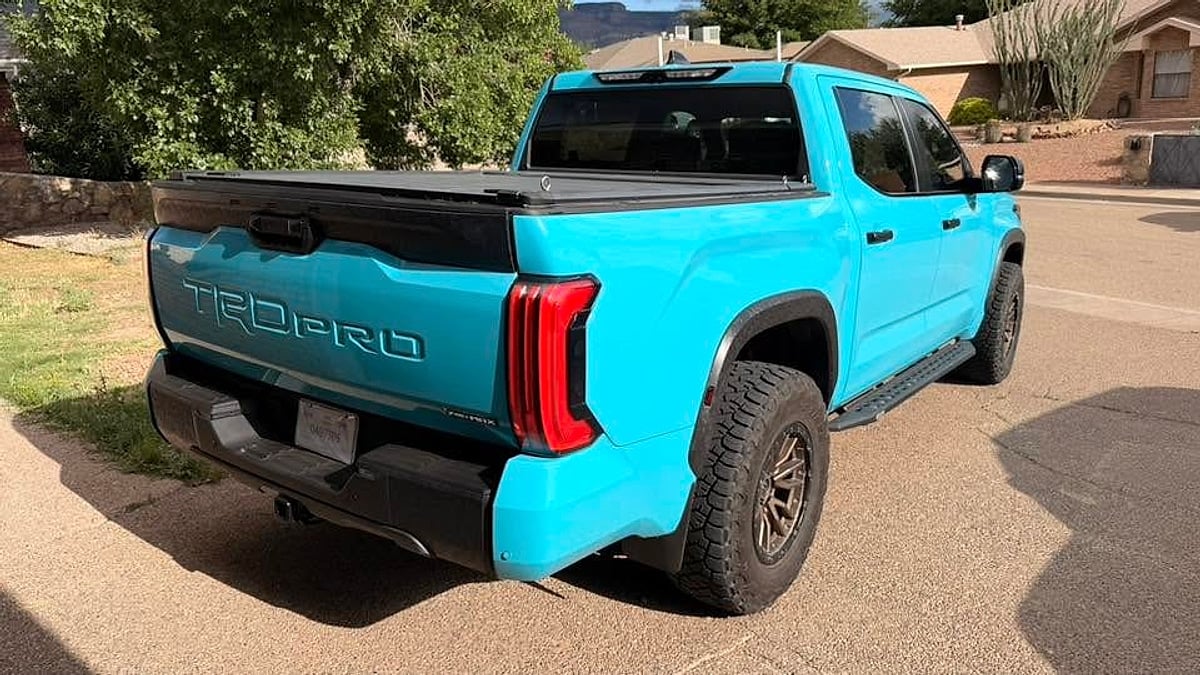
Why the Hybrid Badge Offers a Unique Layer of Mechanical Protection
There is a silver lining for this specific Platinum owner, and it comes down to the powertrain configuration. Because his truck features the i-FORCE MAX hybrid system, it utilizes a slightly different variant of the V35A-FTS twin-turbo V6 engine configuration that has avoided the worst of the recall actions.
However, avoiding the official engine recall list does not mean a 2024 hybrid is completely bulletproof in the real world. In my own investigations into late-model structural faults, I have covered instances where even late-production blocks suffered sudden issues.
As I detailed in my report on a 2024 Toyota Tundra Facing A Seized Twin-Turbo V6, an owner faced a catastrophic engine seizure far from home on a truck that fell entirely outside active early-production campaign parameters.
Furthermore, high-altitude and high-load conditions can accelerate wear on these small-displacement, high-output powerplants.
Out here in Parker, Colorado, the extreme thermal stress of pulling steep mountain grades like Vail Pass requires absolutely flawless oiling tolerances.
To protect these setups over the long haul, owners must take proactive maintenance steps, a reality I outlined in my 2026 Toyota Tundra Action Plan for Twin-Turbo Reliability, which stresses independent fluid analysis and manual filter audits to detect hidden debris early.
The Frustrating Reality of Window Noise and Broken Knobs
While an engine failure is terrifying, daily ownership satisfaction is often destroyed by the small things you touch every single day. The Facebook post specifically notes concerns regarding prominent cabin wind noise and brittle volume knobs, two issues that have left owners deeply frustrated.
Real-world driver experiences shared on enthusiast networks reveal that the structural weatherstripping and side-mirror housing seams on the 2024 models continue to allow air to bypass the seals at highway speeds above 45 mph.
Many owners report that the inner door tracks allow just enough glass movement to break the acoustic seal, creating a constant whistling sound in the cabin.
As for the infamous volume knob issue, the root cause is a microscopic plastic retaining tab inside the center console control array that easily shears off under normal usage. It is an incredibly annoying blemish on a premium $70,000 Platinum trim, showing that interior component longevity has taken a backseat to digital display expansion.
Next Question: What Is the Quickest Way to Identify and Fix These Minor Interior Defects?
If your 2024 Tundra exhibits a high-pitched cabin whistle, test the front side-mirror hinge seams with a strip of temporary painter's tape; if the noise disappears, your local dealer can install an official mirror foam insulation kit to permanently close the gap.
For a cracked or loose radio volume knob, skip the complex dealership warranty wait times and look for upgraded aluminum aftermarket replacement knobs online, which slip directly onto the factory potentiometer shaft and eliminate the brittle plastic design entirely.
Final Analysis and Verdict
While the 2024 Toyota Tundra Platinum hybrid is largely insulated from the sweeping mechanical engine replacements affecting earlier trucks, it is clear that the model year is not completely out of the weeds in terms of interior build refinement. Buyers can rest easier knowing their powertrain is robust, but they should prepare to address minor cosmetic cabin quirks directly with their local service center.
How About You? Have you noticed frustrating wind noise or broken interior pieces in your late-model truck? Tell us what you think and leave a comment in the red “Add new comment” link below!
Come back tomorrow… or check my Torque News Home Page for more of my informative Toyota Tundra news articles.
About The Author
Denis Flierl is a 14-year Senior Reporter at Torque News and a member of the Rocky Mountain Automotive Press (RMAP) with 30+ years of industry experience. Explore his full investigative reporting archives and technical guides at DenisFlierl.com.
Based in Parker, Colorado, Denis leverages the Rockies' high-altitude terrain as a rigorous testing ground to provide "boots-on-the-ground" analysis for readers across the Rocky Mountain region, California EV corridors, the Northeast, Texas truck markets, and Midwest agricultural zones.
A former professional test driver and consultant for Ford, GM, Ram, Toyota, and Tesla, he delivers data-backed insights on reliability and market shifts. Denis cuts through the noise to provide national audiences with the real-world reporting today’s landscape demands.
Connect with Denis: Find him on LinkedIn, X @DenisFlierl, @WorldsCoolestRides, Facebook, and Instagram.
Photo credit: Denis Flierl via Shane Iac Washburn
Set Torque News as Preferred Source on Google
Follow us today...