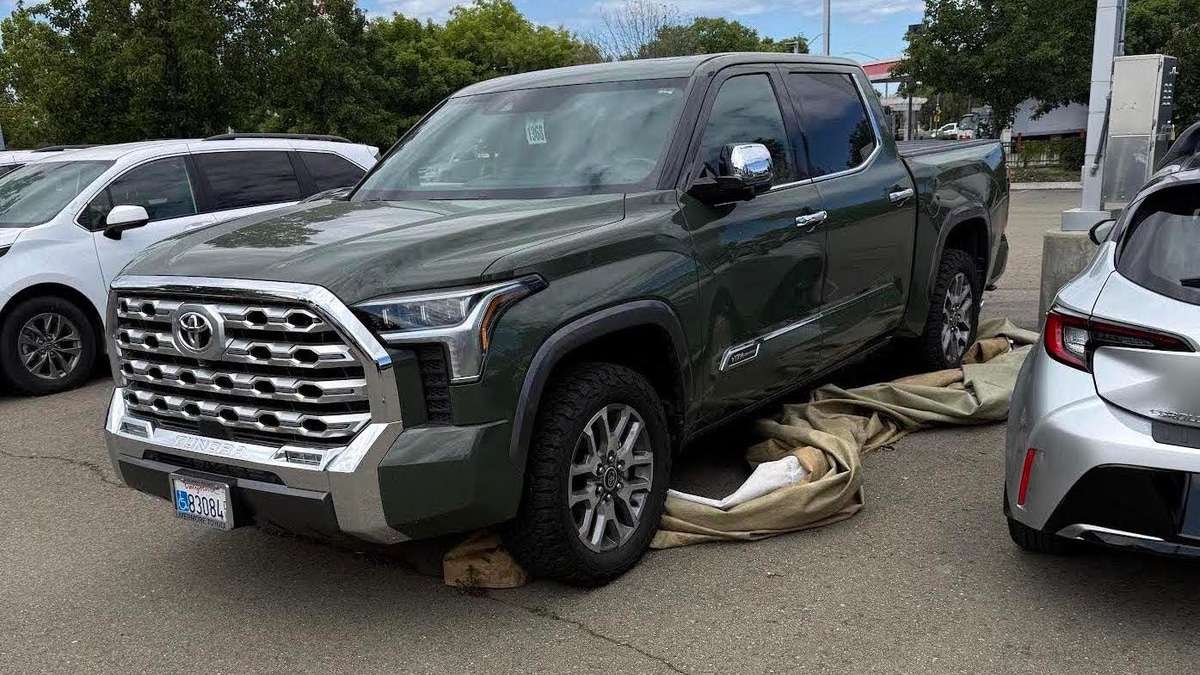

The Stranded Seventy-Thousand-Dollar Dream
The ongoing saga of Toyota’s massive twin-turbo V6 engine recall has officially entered a dark new phase for loyal truck owners.
What began as a quiet corporate acknowledgment of manufacturing debris has evolved into a logistical nightmare, leaving paying customers stranded at the service drive.
Frontline data reveals that while vehicle owners watch their paid-off investments gather dust, local service operations are quietly turning a profit on the delay.
One of my regular readers, Shawn Wilson from California, reached out to share the staggering reality of his ownership experience.
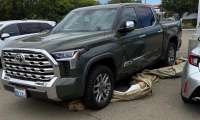
“Just read your Tundra article today. My 2023 Toyota Tundra 1794 has been sitting at the dealer since March 16, 2026, waiting on a recall engine. I bought my own truck cover, but it won’t stay on, and I'm stuck driving a base-model loaner. This was supposed to be my forever truck. I’m a 60-year-old, 100% disabled, retired Marine. When I asked for a repurchase, they treated it like a joke and offered to let me trade it in for a third of its value. Meanwhile, the service manager admitted the dealer makes sixty dollars a day from corporate just to provide my loaner.”
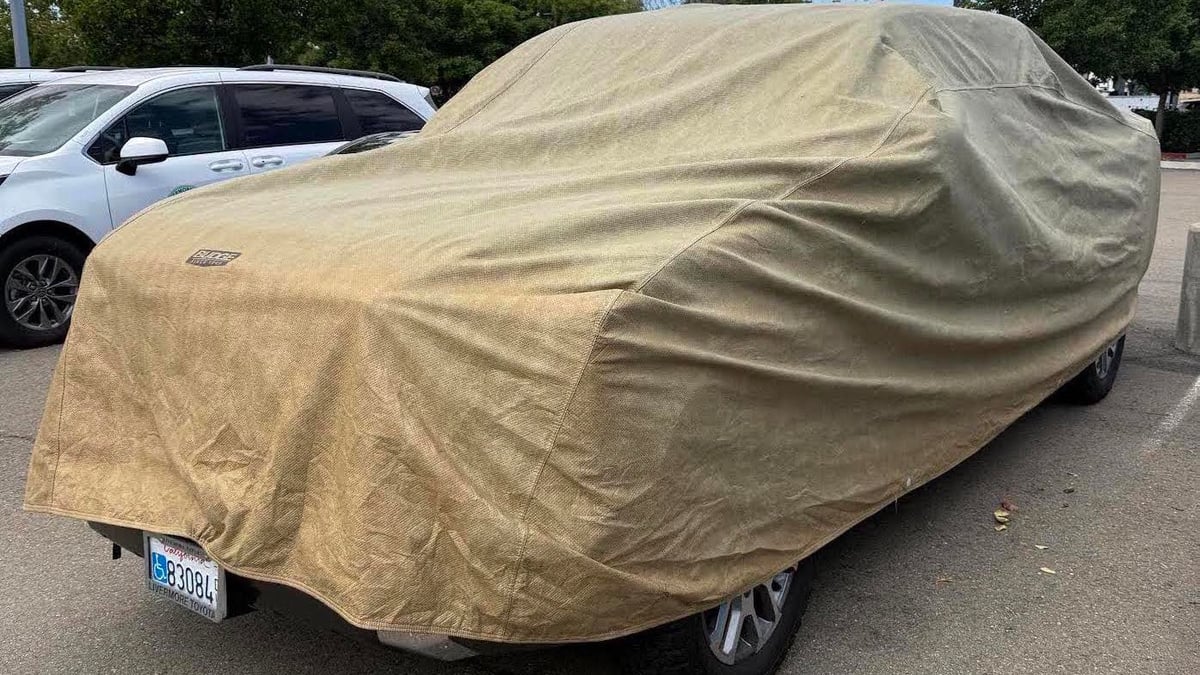
This real-world field report completely exposes the friction building inside the automotive service network.
The Subsurface Profit Center Behind Stranded Trucks
While a four-month delay looks like an operational failure to the consumer, the internal economics tell a wildly different story for corporate stakeholders.
Major regulatory documentation from the National Highway Traffic Safety Administration (NHTSA) Safety Recall Portal confirms that standard factory warranty parameters mandate daily sublet allowances to keep owners mobile during catastrophic component campaigns.
Because these daily manufacturer subsidies pay out a steady $60 per day directly to the dealership, a truck stranded for 120 days generates thousands of dollars in passive, low-overhead service drive revenue.
This creates a severe conflict of interest, in which the frontline facility has no financial incentive to expedite the heavy-duty engine swap.
I’ve spent three decades tracking mechanical failures, and this pattern is highly reminiscent of classic legacy service-network gridlock.
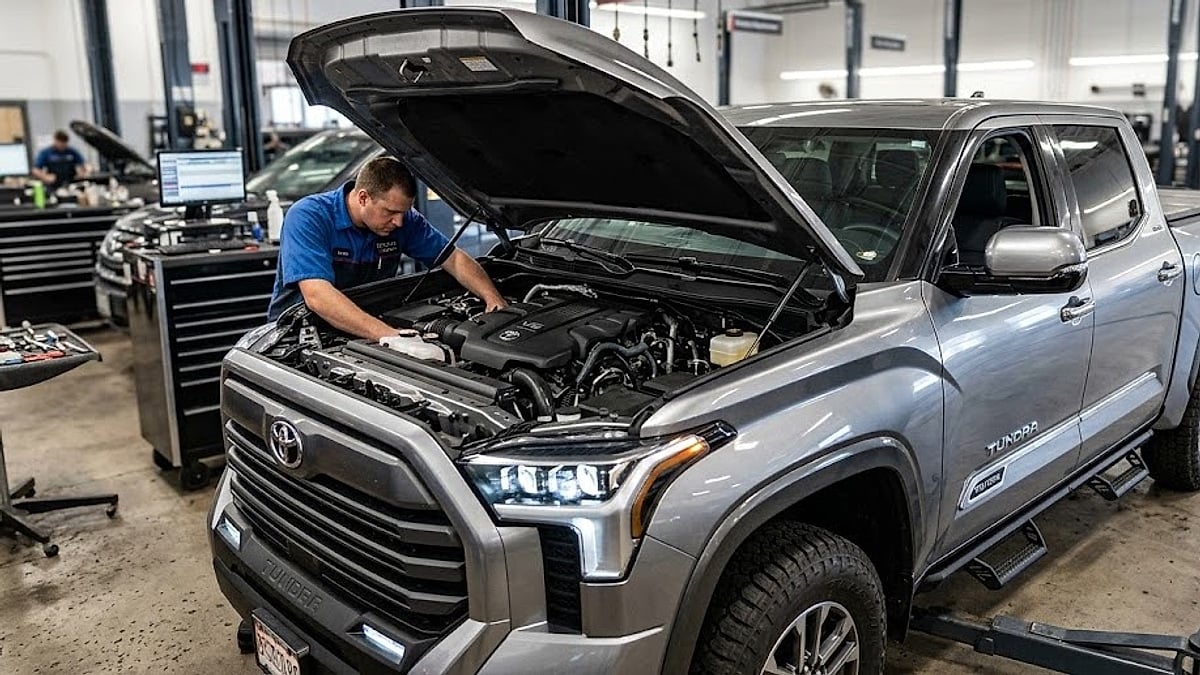
In a recent technical deep dive on structural component longevity, I noted how unexpected engineering miscalculations alter towing safety and stress tolerances across identical platforms.
When structural delays are compounded by financial incentives to drag out the process, the retail buyer carries the entire burden of real-world asset depreciation.
The Microscopic Defect Costing Billions
To truly understand why Shawn's truck is stuck, we have to look past the generic media summaries and analyze the exact mechanical root cause.
The core issue involves the V35A twin-turbocharged V6 engine block assembly line.
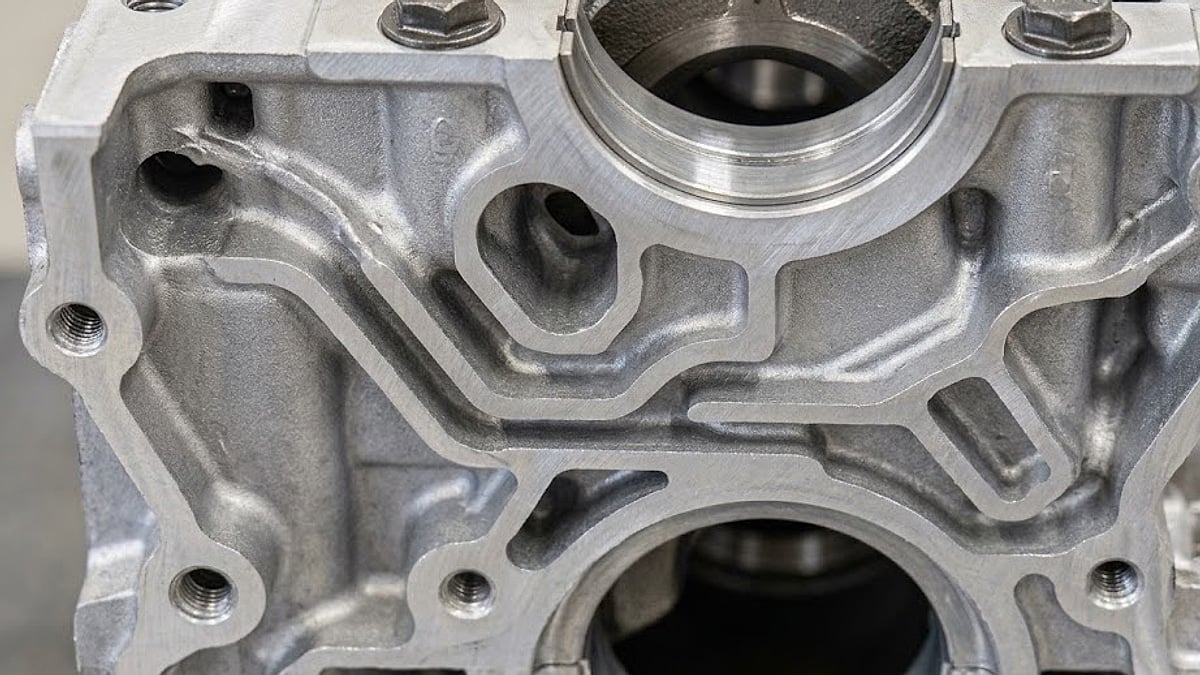
During the early production runs, industrial drilling processes left microscopic aluminum machining debris inside the engine block's primary oil galleries.
Over a brief period of normal operation, pressure forces these sharp metallic fragments directly into the main crankshaft journals.
The debris acts like coarse sandpaper against the precision-engineered number-one main bearing.
As the bearing face scores and disintegrates, oil pressure plummets rapidly.
Without adequate oil pressure, internal friction can cause the engine to suffer a sudden, catastrophic seizure while traveling at highway speeds.
Independent analytical reports tracking industrial product liability failures from J.D. Power Automotive Quality Assessments prove that unexpected machining contamination remains the single most expensive assembly-line oversight a modern manufacturer can encounter.
The Insult of the One-Third Trade-In Offer
The financial strain on the customer worsens when they try to exit the vehicle entirely.
When Shawn requested a formal corporate repurchase due to the extreme downtime, he was met with administrative stonewalling.
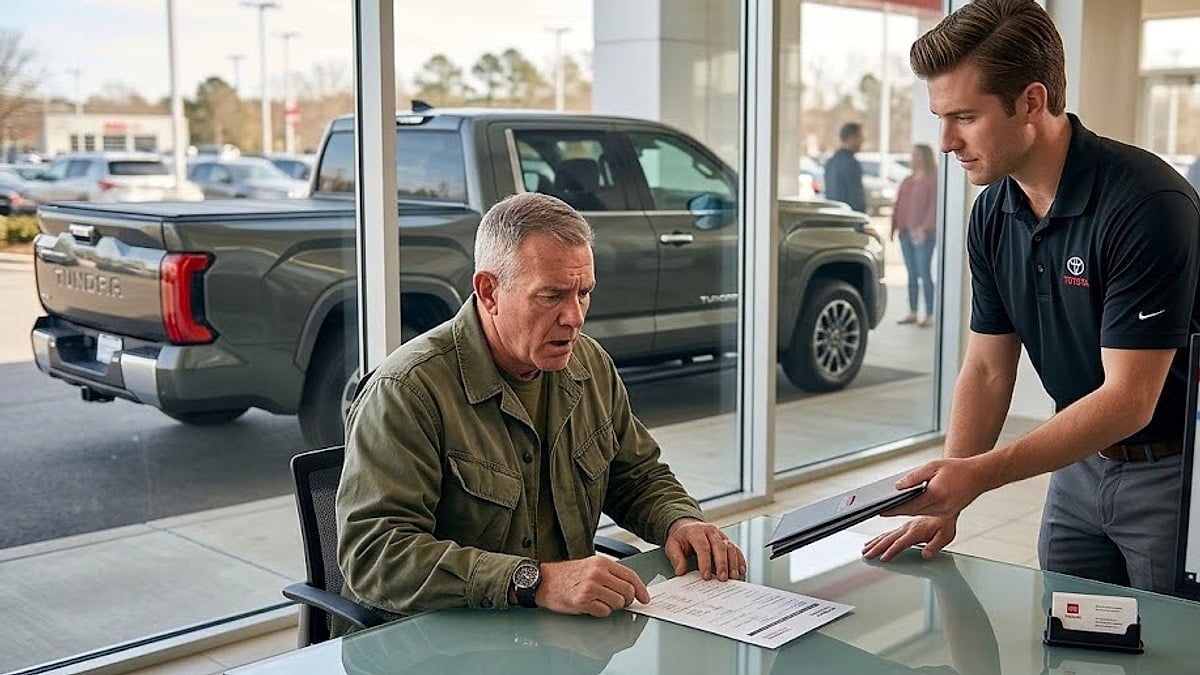
Instead of a fair buyback, the retail floor staff offered a trade-in value representing only a tiny fraction of the vehicle's initial value.
This low valuation is due to the truck carrying an active, unremedied safety flag in its vehicle history report.
The vehicle cannot legally be resold on a secondary lot until the new engine block is completely installed and signed off by a certified master technician.
As a result, the owner is completely trapped.
They cannot drive the paid-off luxury truck they spent years saving for, and they cannot sell it without losing tens of thousands of dollars in equity.
High-Altitude Strain and Regional Backlogs
This logjam is hitting truck owners even harder in rugged, high-demand areas like Colorado.
Up in the Rocky Mountains, the combination of steep inclines and high elevations places extra stress on underpowered or struggling powertrains.
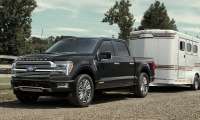
Because truck owners here use their rigs for heavy towing up steep grades, they cannot afford a sudden loss of motive power on a mountain pass.
Local service centers across the Denver metro area and the Front Range are facing a massive backlog of replacement parts.
Shipping heavy engine blocks up into the mountain states takes longer and costs more.
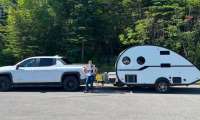
This leaves local owners stranded with base-model loaners that simply cannot handle the heavy towing demands of high-altitude life.
The Next Logical Question: Can Owners Force a Legal Buyback?
If you find yourself stuck in a multi-month recall delay, can you legally force the manufacturer to buy back the vehicle?
The short answer is yes, but it requires bypassing the local dealership staff completely.
State-level consumer protection acts protect buyers from excessive vehicle downtime, even during official safety campaigns.
If a vehicle is out of service for more than thirty cumulative days, it often qualifies for formal lemon law intervention regardless of parts availability.
Owners must submit a formal, written demand letter directly to the manufacturer's corporate consumer affairs office, bypassing the service drive entirely.
Final Verdict on the Service Drive Standoff
The real breakdown here isn't just a dirty engine block; it's a service model that leaves the buyer carrying all the financial risk. When corporate compensation packages make it profitable for a dealership to let a vehicle sit, the everyday consumer loses every single time.
Tell Us What You Think: Have you experienced a multi-month delay in waiting for a replacement engine for your truck? Please leave a comment in the red "Add new comment" link below and share your real-world experience!
Come Back Tomorrow… Also check out my Torque News Home Page for more of my informative Toyota Tundra news articles.
About The Author
Denis Flierl is a 14-year Senior Reporter at Torque News and a member of the Rocky Mountain Automotive Press (RMAP) with 30+ years of industry experience. Explore his full investigative reporting archives and technical guides at DenisFlierl.com.
Based in Parker, Colorado, Denis leverages the Rockies' high-altitude terrain as a rigorous testing ground to provide "boots-on-the-ground" analysis for readers across the Rocky Mountain region, California EV corridors, the Northeast, Texas truck markets, and Midwest agricultural zones.
A former professional test driver and consultant for Ford, GM, Ram, Toyota, and Tesla, he delivers data-backed insights on reliability and market shifts. Denis cuts through the noise to provide national audiences with the real-world reporting today’s landscape demands.
Connect with Denis: Find him on LinkedIn, X @DenisFlierl, @WorldsCoolestRides, Facebook, and Instagram.
Photo credit: Denis Flierl via Shawn Wilson
Set Torque News as Preferred Source on Google
Follow us today...