
Real-world truck capability rarely matches the glossy dealership brochure.
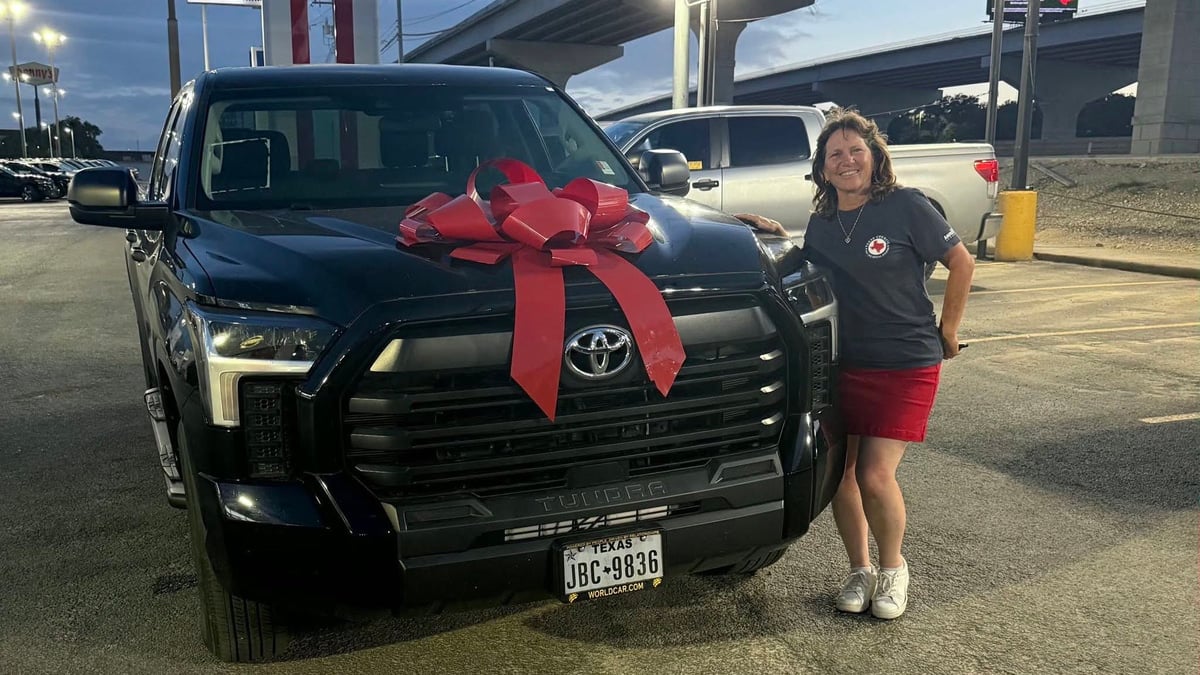
One Texas owner learned this the hard way after trading her bulletproof 2010 Toyota Tundra for a brand-new 2026 model.
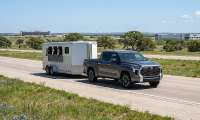
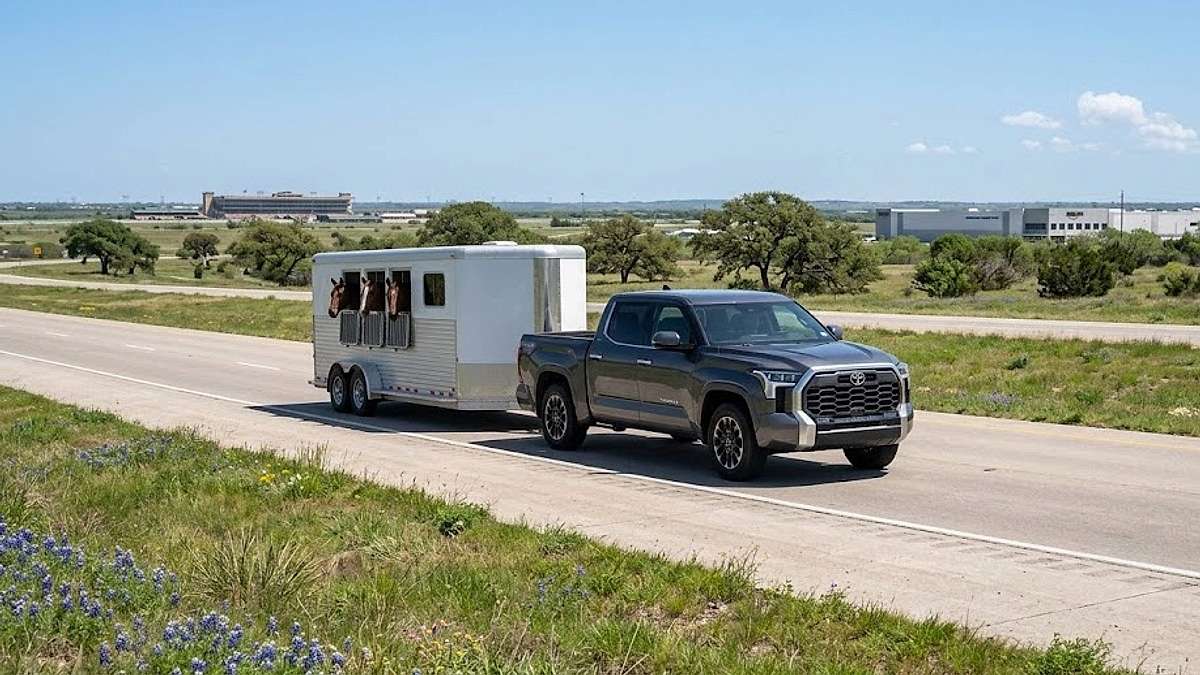
She quickly discovered the new truck couldn't safely pull her 3-horse trailer despite the salesperson's explicit promises.
The hidden story behind the current generation of half-ton pickups is an uncomfortable reality check for long-time truck buyers. Manufacturers are building trucks optimized for showroom tech and government fuel economy targets, while inadvertently sacrificing the raw, analog utility that made old-school trucks legendary.
The Viral Facebook Regret That Blew Open The Towing Debate
The corporate marketing machine promises that modern twin-turbocharged platforms can out-tow the massive V8 engines of the past. However, real-world ownership tells a completely different story.
A Texas truck owner named September Patterson shared her frustration on the 2023-2027 Toyota Tundra Owners Facebook page. Her summarized experience exposes the growing gap between dealership sales pitches and actual truck capabilities:
"I bought a 2026 Toyota Tundra, my second one, but I love my 2010 Tundra better. After less than a month, I'm not thrilled: the seats are hard, gas efficiency is worse with a smaller tank, and there's less storage. Worst of all, the sales team promised it would easily pull my 3-horse trailer because it had 'towing on it,' but I didn't check for a dedicated tow button, and it just can't safely handle what I need."
This isn't an isolated case of buyer's remorse; it's a mechanical reality that I have tracked for decades as an automotive journalist. Dealership sales staff frequently look at the maximum advertised towing capacity on a glossy poster and tell buyers, "Sure, it can pull 11,000 pounds!"
What they fail to understand or deliberately ignore is that a live-load horse trailer creates dynamic forces that will completely overwhelm a modern half-ton truck. As detailed by automotive safety experts at the Towing Advisory Council, "Live cargo like horses shifts constantly, meaning a trailer's dynamic tongue weight can fluctuate by hundreds of pounds in seconds, requiring massive payload margins that modern half-tons simply do not possess."
The Hidden Math That Dealerships Hide From Truck Buyers
To understand why this Texas owner's 2010 model felt superior, we have to look past the horsepower numbers and dig into the gross vehicle weight rating (GVWR) and payload capacities.
I have written extensively about how modern truck buyers get trapped by these brochure numbers. In my prior investigative reporting on Toyota Tundra truck limits, I highlighted a common industry pitfall: "Toyota advertises up to 12,000 pounds of towing capacity for certain Tundra configurations, but payload ratings often become the limiting factor long before the truck reaches its maximum tow rating."
When you look at the door-jamb sticker on a modern highly optioned truck, the available payload is shockingly small.
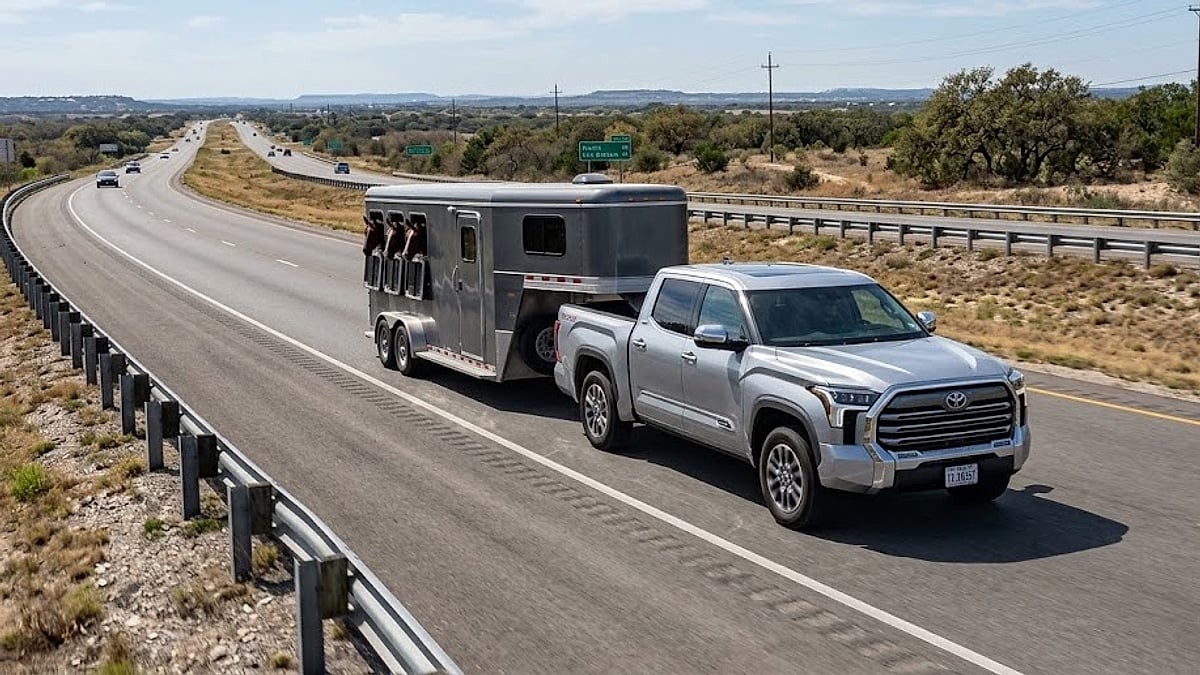
A standard 3-horse bumper-pull trailer weighs roughly 3,500 pounds empty. Load three mature horses inside, add saddles, tack, and water, and you are easily looking at a total rolling weight of 7,500 to 8,500 pounds.
A safe bumper-pull setup requires a tongue weight of 12% to 15% of the total trailer weight to prevent deadly high-speed trailer sway.
Do the math: a 1,200-pound tongue weight pushing directly down on the hitch receiver immediately consumes almost the entire payload capacity of a modern luxury truck. Once you add the driver, a passenger, a couple of hay bales, and a full tank of fuel, the truck is legally and mechanically overloaded.
The Real Reason Your Old V8 Felt More Secure Than A Modern Twin-Turbo
The 2010 Tundra featured Toyota’s legendary 5.7-liter naturally aspirated V8 engine. It was a thirsty, over-engineered engine built on a heavy chassis that prioritized linear power delivery and predictable mechanical stability.
Modern trucks have moved toward smaller-displacement, twin-turbocharged engines mated to complex 10-speed transmissions.
While these new powertrains offer impressive peak torque numbers on paper, their real-world delivery under heavy load can feel frantic. The constant gear hunting of a 10-speed automatic trying to maintain an efficiency window can be exhausting for a driver pulling a heavy load.
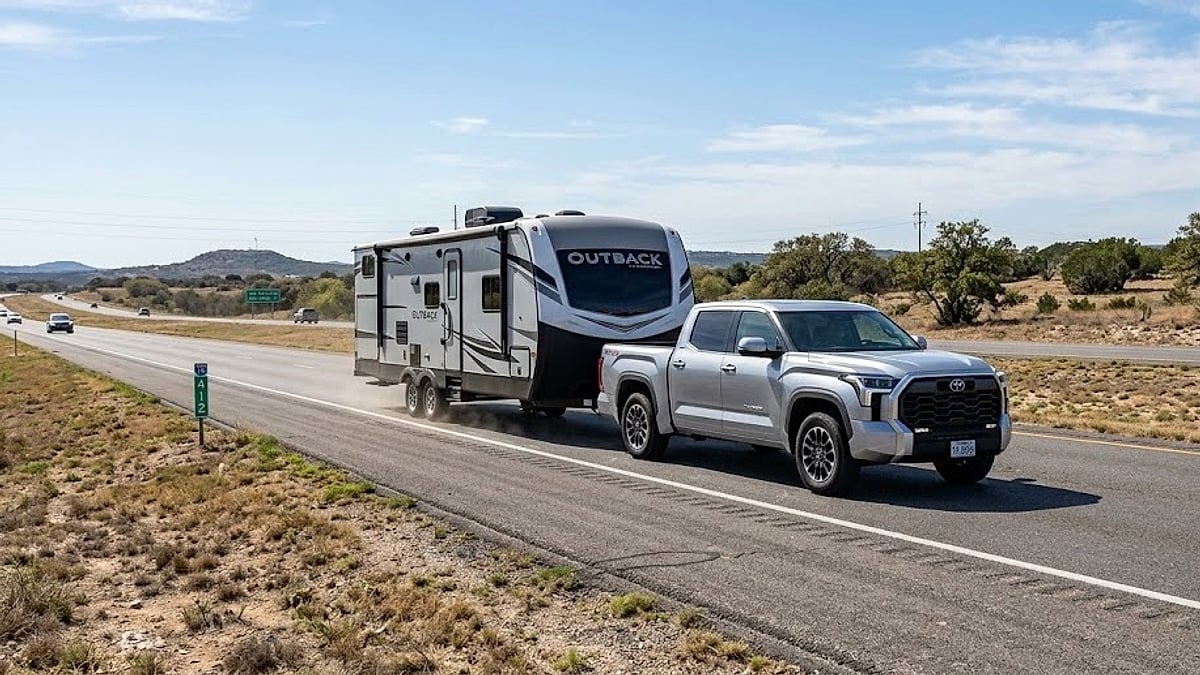
Furthermore, I have analyzed how this shift in engineering compromises the Tundra's capabilities. In a past deep dive into new powertrain designs, I noted that "the concern isn't purely about peak output, but about durability under sustained stress: thermal management when towing at highway speeds for hours, and the weight penalty a large battery or turbo setup imposes on a vehicle where every kilogram of payload matters."
This design reality is exactly why the Texas owner noted her fuel efficiency plummeted and her driving confidence vanished.
When a twin-turbocharged engine stays under heavy boost to pull a trailer against the wind, it drinks fuel at an alarming rate, rendering the downsized fuel tank highly impractical.
The High-Altitude Colorado Reality Check
This problem becomes even more pronounced when you leave the flat lands of Texas and head into high-altitude environments.
Testing trucks across rigorous high-elevation corridors, such as Vail Pass or the Eisenhower Tunnel, exposes the true mechanical limits of a vehicle's cooling and braking systems. At 11,000 feet, the thin air reduces engine efficiency, and the long, punishing downward descents place an immense burden on the vehicle's friction brakes.
In my decades of testing trucks on these mountain passes, I have seen how power is rarely the primary failure point.
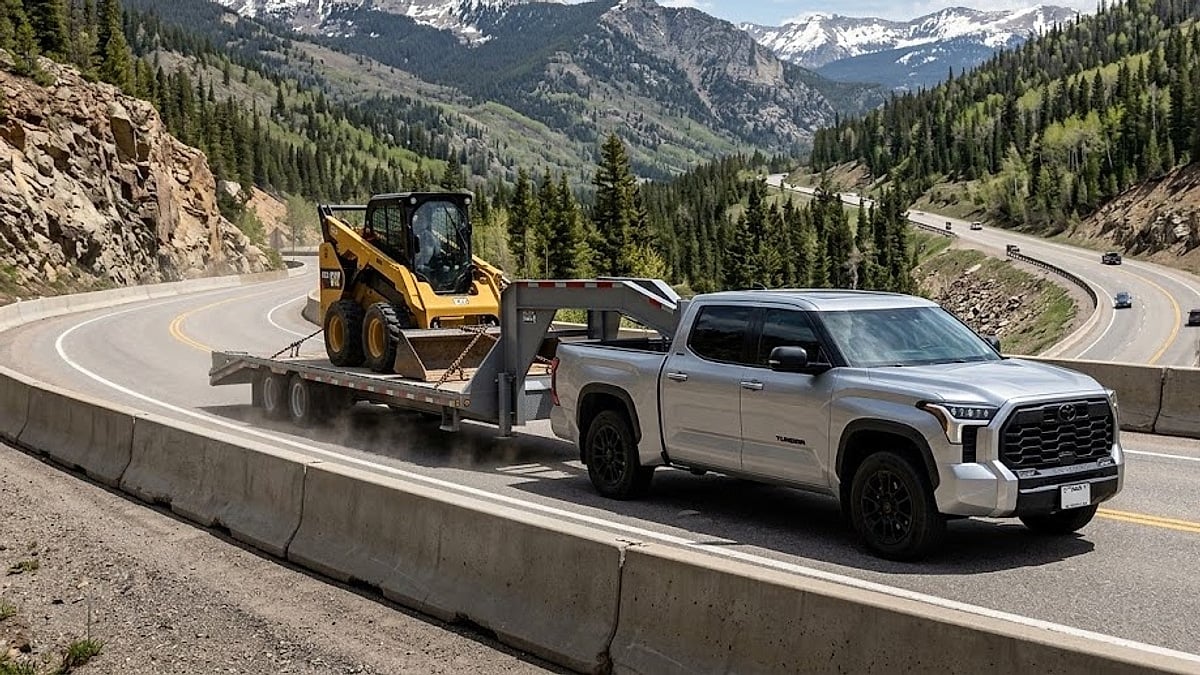
The real danger is control and stopping power. As automotive analysts at SAE.org point out, "Braking capacity, cooling loop efficiency, and lateral frame stiffness, not engine horsepower, are the true safety boundaries in heavy towing scenarios."
An older, heavier truck with a long wheelbase and robust mechanical linkage often feels more anchored to the asphalt than a lighter, modern truck riding on a suspension tuned primarily to provide a plush, car-like ride for daily commuters.
The Truth About The Missing Tow Button Confusion
Dealership sales staff often tell buyers that if a truck has a receiver hitch and a wiring plug, it is fully equipped to tow heavy loads. This is a costly misconception.
A true, factory-integrated towing package includes specific mechanical upgrades: heavy-duty engine oil coolers, larger transmission cooling loops, a higher-output alternator, an integrated trailer brake controller, and specific software calibration for the transmission.
When a salesperson says "it's got towing on it," they are often referring to a basic trim package that lacks a dedicated tow-haul mode button.
Without a dedicated tow mode, the truck’s transmission will continuously try to upshift into high-overdrive gears to save fuel, causing transmission fluid temperatures to spike dangerously. Over time, this extreme heat will break down the fluid and destroy the transmission's internal clutch packs.
Modern truck cabins have also traded functional utility for digital real estate. September Patterson explicitly called out the lack of storage compartments and the overly stiff seat cushions that aggravated her hip.
Manufacturers have replaced door pockets, under-seat storage bins, and physical dashboard buttons with giant infotainment screens. This design shift creates a beautiful showroom aesthetic, but it actively hurts the day-to-day usability for owners who use their vehicles as genuine work trucks.
The Next Logical Question For Truck Buyers
The immediate question this raises for consumers is simple: How can a truck buyer protect themselves from misleading claims by dealerships before signing a financial contract?
The absolute best way to protect yourself is to completely ignore the salesperson's verbal promises and look exclusively at the safety certification labels printed on the vehicle. Open the driver's-side door and read the Tire and Loading Information placard to find the exact cargo-carrying capacity of that specific truck as it sits on the lot.
Subtract your weight, your passengers' weight, and your gear from that number. The remaining figure is the maximum allowable tongue weight your truck can support, which will immediately dictate the size of the trailer you can safely pull.
A Clear Path To True Towing Capability
Ultimately, if your real-world towing needs involve live cargo, heavy construction equipment, or large travel trailers, a standard half-ton platform is no longer the correct tool for the job.
Upgrading to a dedicated three-quarter-ton or one-ton heavy-duty truck provides the rigid frame, heavy-duty axles, and massive payload margins required to tow safely and confidently.
How About You? Have you noticed a drop in real-world utility and towing confidence after upgrading from a classic V8 truck to a modern, tech-heavy generation? Drop your experiences in the comments below and let's start a conversation! Please leave a comment in the red “Add new comment” link below.
Don’t Leave Yet… Also check out my Torque News Home Page for more of my informative Toyota Tundra news articles.
About The Author
Denis Flierl is a 14-year Senior Reporter at Torque News and a member of the Rocky Mountain Automotive Press (RMAP) with 30+ years of industry experience. Explore his full investigative reporting archives and technical guides at DenisFlierl.com.
Based in Parker, Colorado, Denis leverages the Rockies' high-altitude terrain as a rigorous testing ground to provide "boots-on-the-ground" analysis for readers across the Rocky Mountain region, California EV corridors, the Northeast, Texas truck markets, and Midwest agricultural zones.
A former professional test driver and consultant for Ford, GM, Ram, Toyota, and Tesla, he delivers data-backed insights on reliability and market shifts. Denis cuts through the noise to provide national audiences with the real-world reporting today’s landscape demands.
Connect with Denis: Find him on LinkedIn, X @DenisFlierl, @WorldsCoolestRides, Facebook, and Instagram.
Photo credit: Denis Flierl via September Patterson
Set Torque News as Preferred Source on Google
Follow us today...