
The Unsuspecting Car Rental Shock
She thought a compact crossover utility vehicle was a standardized, interchangeable appliance across every major brand.
Instead, a temporary trip to a local collision repair center turned into a sudden masterclass in how competing suspension geometries affect everyday comfort.
When you spend years behind the wheel of a specific engineering architecture, stepping into America’s best-selling rival can deliver an instant, jarring wake-up call to your spine.
The Viral Social Media Outburst
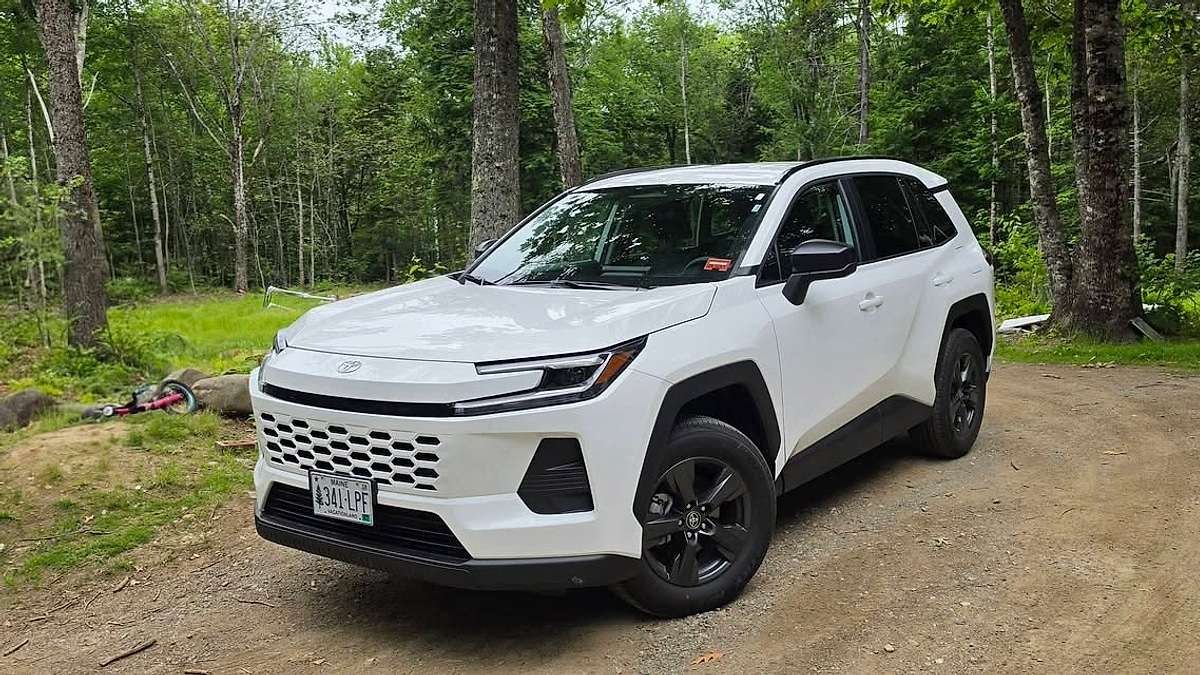
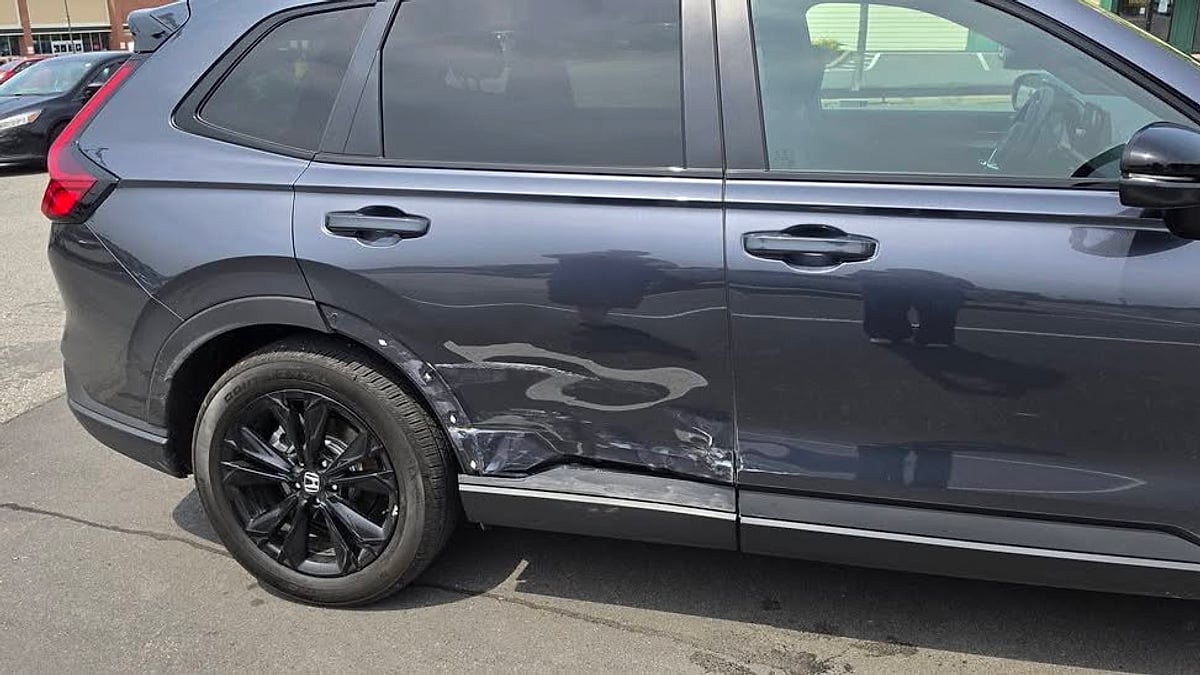
Michelle Pottle from Iowa posted her shocking findings to the popular Honda CR-V 2023-2026 Discussion Club - 6th Generation Facebook page, triggering an immediate wave of commentary.
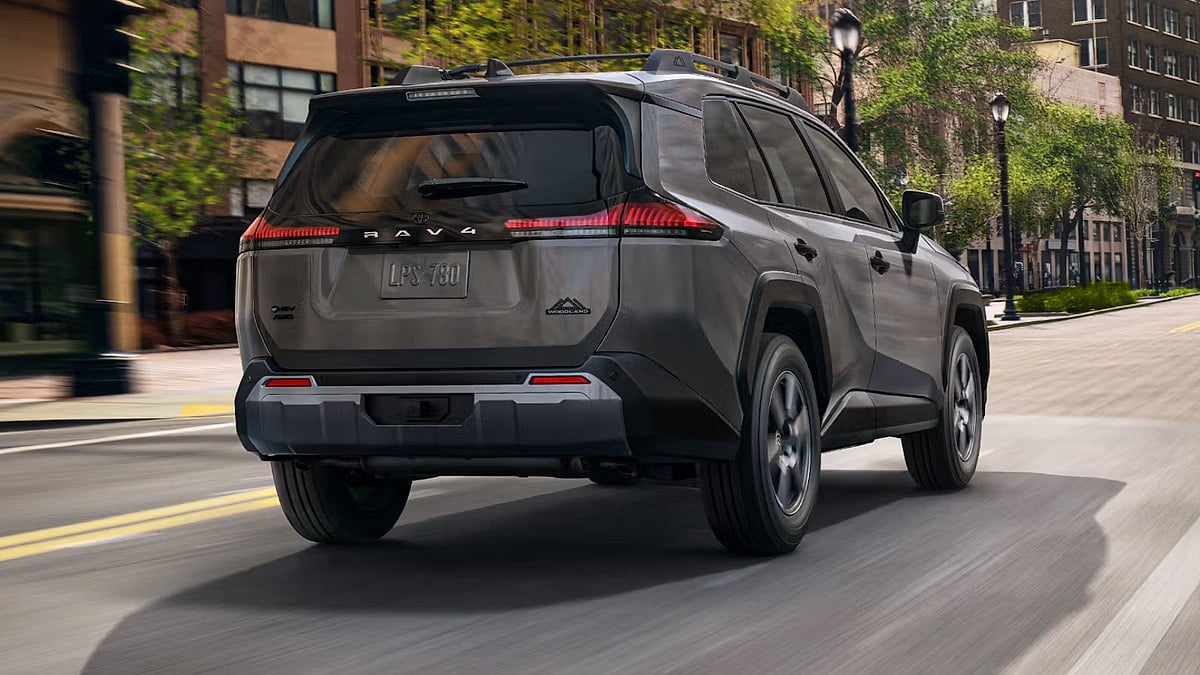
“I dropped off my 2025 Honda CR-V Hybrid to the collision center today to be fixed and picked up my rental," Pottle told the owner community. "I asked for a small SUV, and didn't think to request a hybrid as well. But I'm very happy to report that they gave me a '26 RAV4, which only comes in hybrid. So far, I much prefer the CR-V! I hate how high I sit in the vehicle. It doesn't ride nearly as nice either. I want my CR-V back!”
Decades of High-Altitude Forensic Analysis
As a professional automotive test driver and industry consultant with over 30 years of hands-on experience, I see these massive corporate culture clashes play out beneath the sheet metal every single day.
Manufacturers design vehicles around entirely different interior packaging philosophies that standard spec sheets completely ignore.
My extensive vehicle evaluations in high-altitude Colorado terrain, such as Vail Pass and the Eisenhower Tunnel, have consistently exposed the hidden engineering gaps separating the market's two biggest automotive giants.
The Hidden Seat Architecture Battle
The root cause of this driver's immediate frustration is a technical metric known as the geometric "H-point": the driver's hips' position relative to the cabin floor.
Toyota deliberately builds its TNGA-K platform around an elevated hip point to provide a commanding, traditional truck-like vantage point that targets traditional off-road buyers.
According to comprehensive technical teardowns by the automotive safety and consumer research specialists at Consumer Reports, the distinct ergonomics of a vehicle's seating position dictate real-world long-distance comfort far more than basic luxury trim upgrades.
The investigative research team at Consumer Reports regularly highlights that "the fundamental interface between the driver's body and the pedal alignment can alter driver fatigue within the first ten miles of travel."
The Sports Sedan Versus Truck Philosophy
Conversely, Honda designs its global architecture around a deeply recessed floor pan that mimics the sporty, low-slung center of gravity found in its performance sedans.
When a long-term CR-V owner transitions into a 2026 Toyota RAV4 Hybrid, their muscle memory expects a car-like leg extension, but instead encounters an upright, bench-like seating profile.
This ergonomic misalignment creates an immediate sensation of being perched directly atop the vehicle rather than securely integrated into the cockpit.
Stiff Springs and Stiff Knees
The second half of this viral owner complaint focuses squarely on a noticeable degradation in overall daily ride refinement.
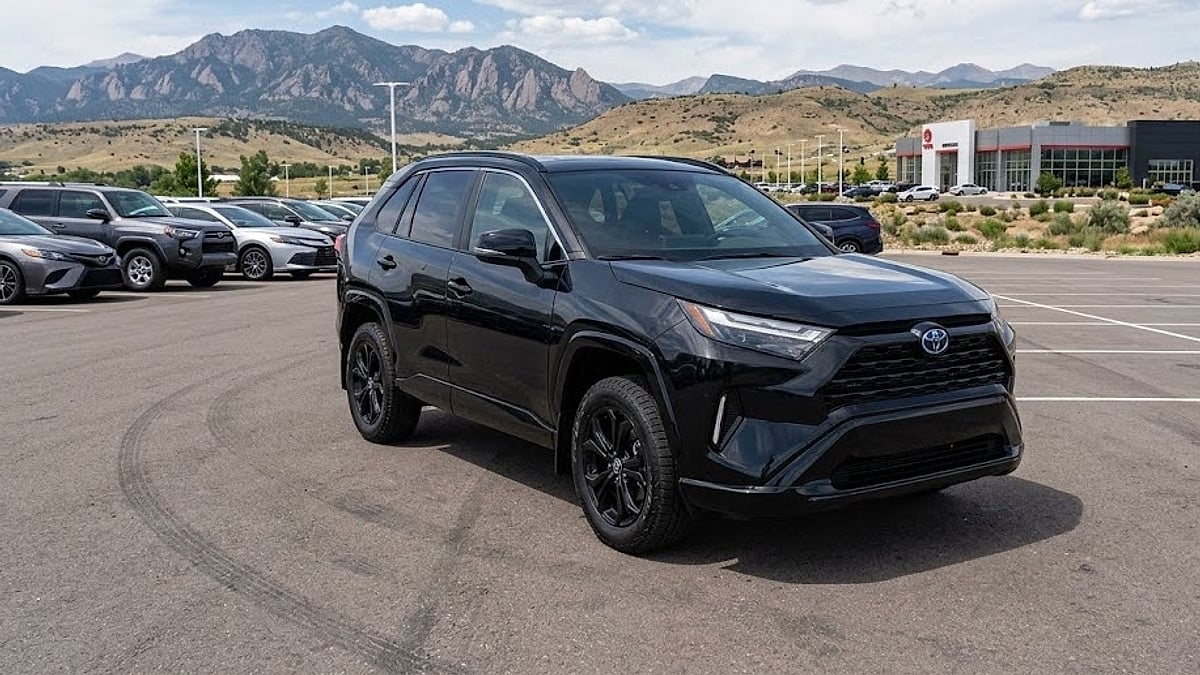
Toyota’s engineering division deliberately tunes the 2026 RAV4 Hybrid’s independent MacPherson strut front suspension and multi-link rear suspension with higher spring rates to compensate for its tall center of gravity and prospective trailer weight limits.
The industry analytics data published by the tracking group at J.D. Power routinely notes that ride harshness and surprising cabin vibrations remain leading friction points for modern compact crossover consumers.
Their vehicle quality indexes show that buyers consistently penalize models that transfer sharp roadway imperfections directly into the passenger cabin.
The Rocky Mountain Reality Check
In my own specialized long-term vehicle testing along the rough, frost-heaved pavement of the Cherry Creek Trail corridors and Rocky Mountain passes, I have heavily documented this specific suspension behavior.
In my previous primary investigative report, Owner Trades 2025 Toyota RAV4 for 2026 Honda CR-V Hybrid: Why He Got 91% Trade-In Value to Flee 'Raspy' Driving and 'Unhooded' Tech, I exposed how individual design choices force heavy daily operational tradeoffs between utility and long-distance passenger comfort.
My field-testing notes show that the RAV4's stiff rear damper valving often struggles to absorb consecutive high-frequency bumps, resulting in the precise "rough ride" that caught this Iowa driver off guard.
The Secret Subframe Advantage
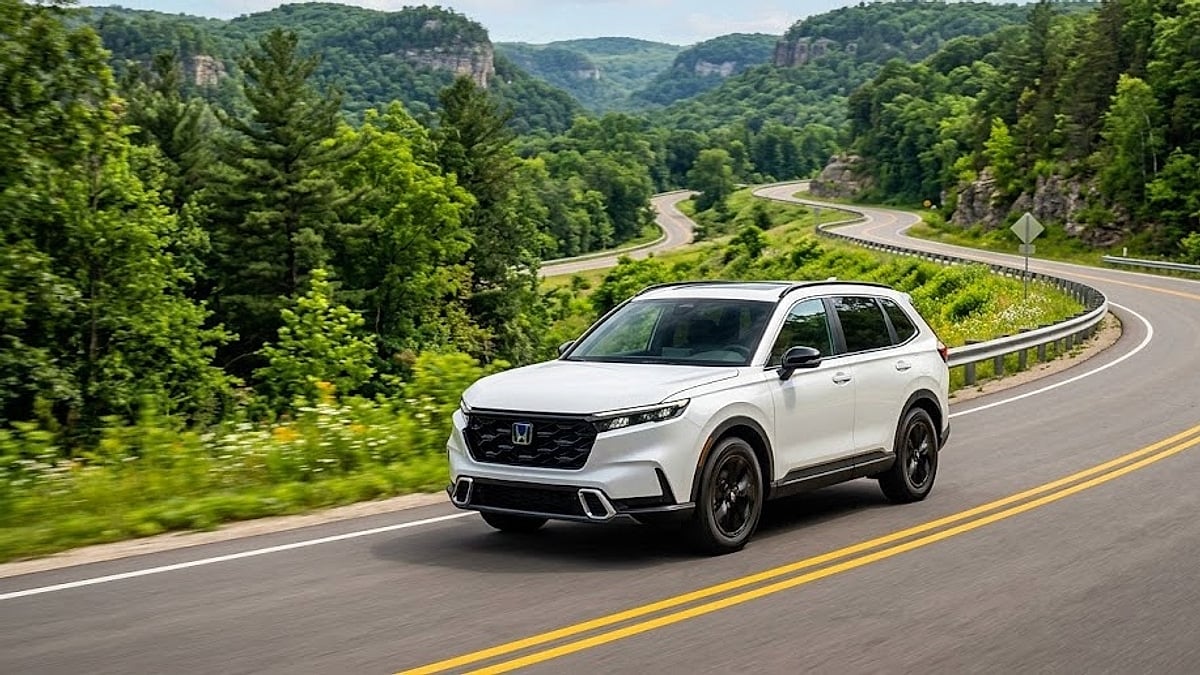
The real magic behind the sixth-generation Honda CR-V Hybrid’s smooth ride is a specialized, lightweight aluminum front subframe that is completely rubber-isolated from the primary unibody structure.
This hidden mechanical barrier acts as a firewall against harsh road vibrations, allowing the suspension to articulate smoothly over deep potholes while keeping the cabin perfectly level.
Toyota's platform prioritizes ultimate trail durability and high structural rigidity, a great asset for mountain exploration but a direct penalty for suburban drivers seeking a plush daily commute.
Navigating Stiff Mountain Pass Realities
For drivers navigating localized regional anomalies like Colorado’s sharp temperature swings, suspension compliance changes dramatically when the damping fluid freezes.
The high-altitude atmospheric pressure changes and sub-zero morning temperatures along the Front Range quickly stiffen the RAV4’s high-pressure gas shocks, making the initial ride feel significantly firmer than a standard test drive reveals.
As a third-generation native automotive reporter who has spent decades evaluating vehicles in these exact conditions, I have watched these minor chassis differences manifest as major dealer service complaints during long winter driving seasons.
The Compounding Cabin Noise Issue
When an owner claims a vehicle "doesn't ride nearly as nice," they are usually reacting to a multisensory combination of vertical body motion and unwanted acoustic noise.
The 2026 RAV4 Hybrid utilizes a high-efficiency 2.5-liter four-cylinder engine that runs on the Atkinson combustion cycle, which naturally produces a loud, coarse engine note under hard acceleration.
Because the driver sits closer to the firewall in Toyota's upright packaging layout, that mechanical powertrain sound enters the cabin with far less insulation than Honda’s acoustic-glass-wrapped environment.
The Next Question Drivers Are Asking
What exactly happens to your vehicle's long-term resale value if consumer sentiment continues to shift away from traditional utility toward car-like comfort?
As more suburban buyers realize they rarely take their crossovers off-road, the high demand for ultra-refined hybrid platforms like the sixth-generation CR-V is driving unprecedented trade-in retention.
According to current dealer auction data, crossovers that balance premium NVH (Noise, Vibration, and Harshness) metrics hold up to 5% more value on the secondary market than their louder, stiffer-riding utility-segment competitors.
The Final Verdict on Compact Crossovers
A short vehicle rental can instantly shatter marketing hype by exposing the stark engineering choices hidden beneath a car's sheet metal. This viral owner feedback proves that choosing the right hybrid requires looking far past the baseline fuel economy figures.
Tell Us What You Think: Would you trade a smoother daily ride for a higher, more truck-like view of the open road? Let us know what you think in the comments section below!
There’s More Coming Tomorrow… Also check out my Torque News Home Page for more of my informative Honda CR-V news articles.
About The Author
Denis Flierl is a 14-year Senior Reporter at Torque News and a member of the Rocky Mountain Automotive Press (RMAP) with 30+ years of industry experience. Explore his full investigative reporting archives and technical guides at DenisFlierl.com.
Based in Parker, Colorado, Denis leverages the Rockies' high-altitude terrain as a rigorous testing ground to provide "boots-on-the-ground" analysis for readers across the Rocky Mountain region, California EV corridors, the Northeast, Texas truck markets, and Midwest agricultural zones.
A former professional test driver and consultant for Ford, GM, Ram, Toyota, and Tesla, he delivers data-backed insights on reliability and market shifts. Denis cuts through the noise to provide national audiences with the real-world reporting today’s landscape demands.
Connect with Denis: Find him on LinkedIn, X @DenisFlierl, @WorldsCoolestRides, Facebook, and Instagram.
Photo credit: Denis Flierl via Michelle Pottle
Set Torque News as Preferred Source on Google
Follow us today...