
The Out-Of-Bounds Rebellion
Subaru’s absolute monopoly on the mountain-state outdoor culture just got completely shattered by a single Facebook post.
A grassroots rebellion is quietly brewing in the dirt, pitting lifetime brand loyalists against one another.
Traditional assumptions about who owns the high-altitude trails of the Rocky Mountains are evaporating under the tires of everyday family commuters.
An absolute civil war is erupting over what qualifies as a real trail rig. If you think family crossovers belong strictly in suburban school lines, you are about to be proven completely wrong.
The landscape of mountain-state car culture is undergoing a radical, owner-driven mutation that corporate marketing departments never saw coming. Traditional assumptions about who owns the high-altitude trails of the Rocky Mountains are evaporating under the tires of everyday family commuters.
A grassroots rebellion is quietly brewing in the dirt, pitting lifetime brand loyalists against one another.
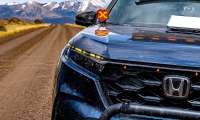
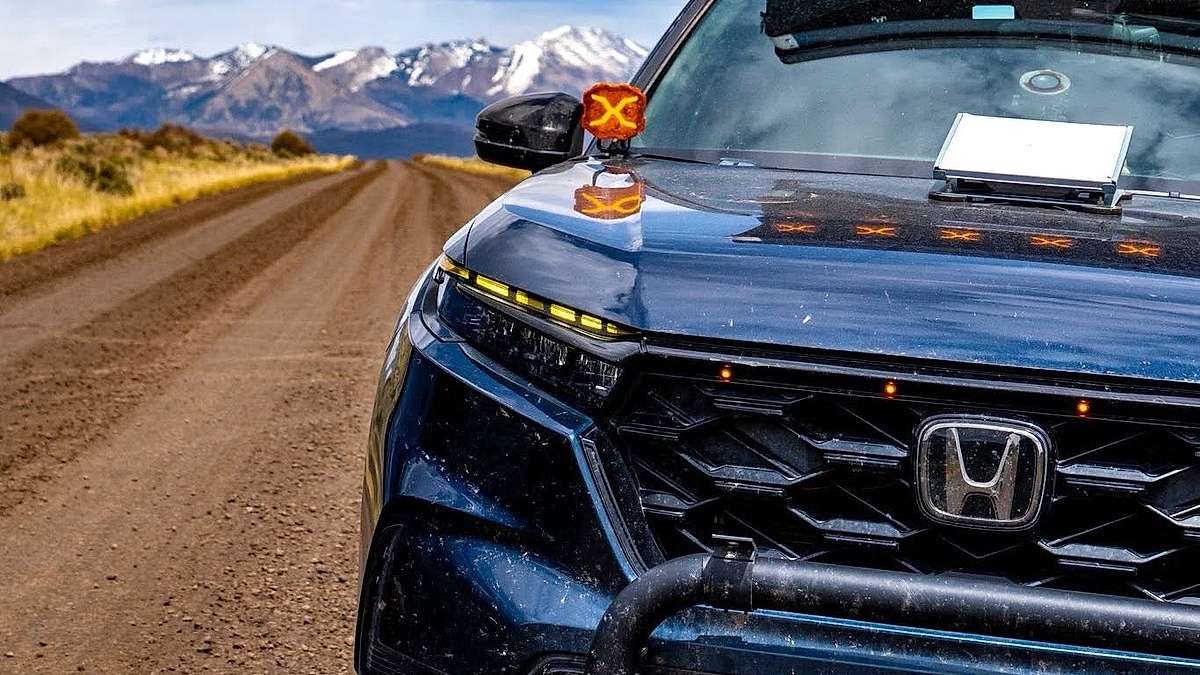
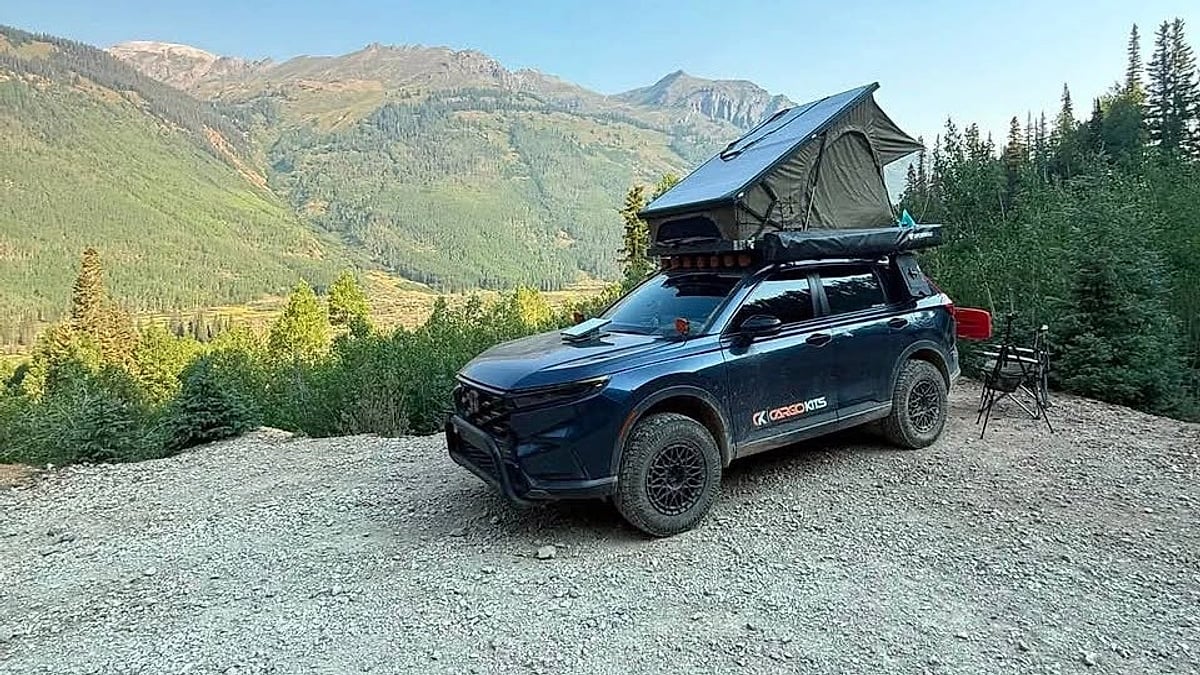
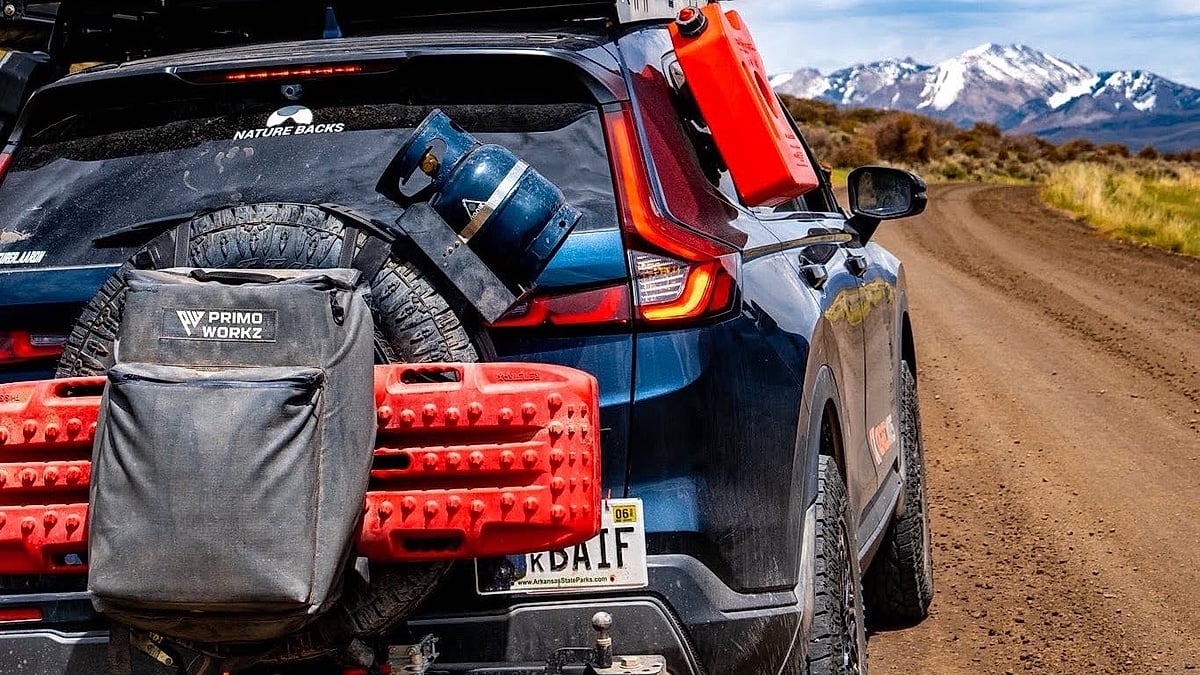
When Aaron Chokbengboun purchased a 2026 Honda CR-V in Houston, Texas, nobody expected him to ignite a regional overland controversy. Yet, a single post he made to the Honda CRV Community page on Facebook managed to rattle the entire crossover establishment.
"Would anyone be interested in a CR-V camping meetup here in Ouray, Colorado?" Chokbengboun proposed to the community online. "Move over Subaru, the Honda CR-V is the new off-road adventure vehicle now."
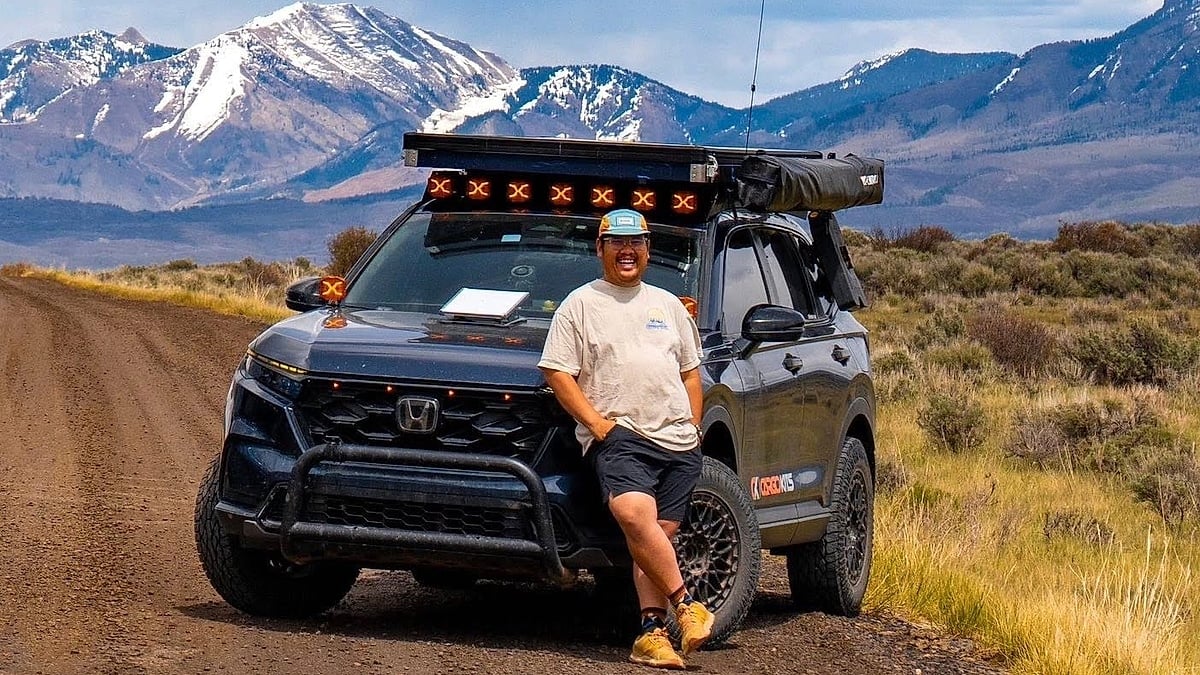
This wasn't just a casual invitation to share stories around a campfire in the woods. It was a direct, localized challenge to the historic, iron-clad monopoly that Subaru has maintained over the outdoor recreation segment for decades.
The timing of this lifestyle migration perfectly aligns with structural upheavals in the broader automotive marketplace.
According to a mid-year sales analysis by industry expert Sean Tucker at Kelley Blue Book, the 2026 Honda CR-V has surged ahead to become the single fastest-selling vehicle in America through the first half of the year. Consumers are voting with their wallets, bypassing traditional truck platforms and domestic options in record numbers.
As reported by automotive analyst Kristen Brown for Autoblog, this explosive volume means the compact SUV now accounts for nearly thirty percent of all Honda sales. A massive, freshly minted army of owners is suddenly looking at their daily commuters and asking exactly how far into the backcountry those vehicles can actually go.
Breaking The Symmetrical AWD Monopoly
For years, the standard playbook for exploring Colorado's alpine terrain required buying into a specific, rugged marketing narrative. If you wanted to tackle mountain switchbacks, the industry told you that you absolutely needed Symmetrical All-Wheel Drive or a heavy, modified truck frame.
Crossovers from other brands were routinely dismissed as simple suburban grocery-getters that belonged strictly on flat pavement.
My three decades of mechanical testing and consulting with major global automotive brands have taught me that real-world capability is rarely determined by a plastic lifestyle badge glued to a tailgate. The sixth-generation CR-V architecture utilizes subtle suspension geometry refinements and localized rigidity improvements that make it surprisingly resilient on rough terrain.
However, this rapid real-world migration into extreme environments does not come without distinct technical warnings for unsuspecting owners. In my previous technical reporting on the Honda CR-V, I uncovered how the severe thermal cycling of modern hybrid powertrains can expose vulnerabilities in structural components under heavy loads.
When you push an unmodified compact hybrid vehicle up steep mountain grades, the internal combustion engine cycles rapidly, stressing head gaskets and electronic components.
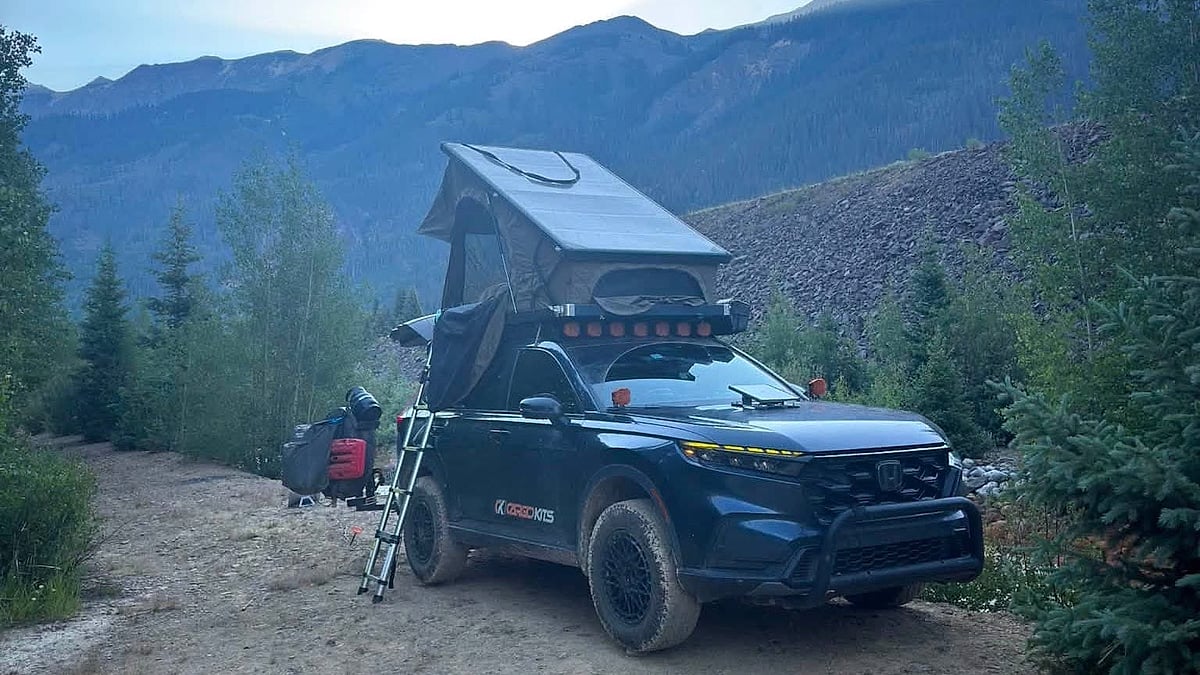
Furthermore, outfitting a modern crossover for high-altitude trail use requires looking past the aggressive overland aesthetics popularized by competitive brands. I have consistently noted in my consumer advocacy work that outdoor enthusiasts frequently demand more than just an off-road look, characterized by chunky all-terrain tires and cosmetic body cladding.
If you do not balance your vehicle's payload and understand its mechanical cooling limits, you risk severe powertrain strain long before reaching the summit.
Aaron’s meetup invitation directly addresses this mechanical tension by explicitly welcoming completely stock vehicles alongside built rigs. The focus is shifting away from who has the most expensive aftermarket modifications and moving toward communal utility.
This open-door policy removes the elitism that often gatekeeps the modern overlanding community.
The Colorado High-Country Reality Check
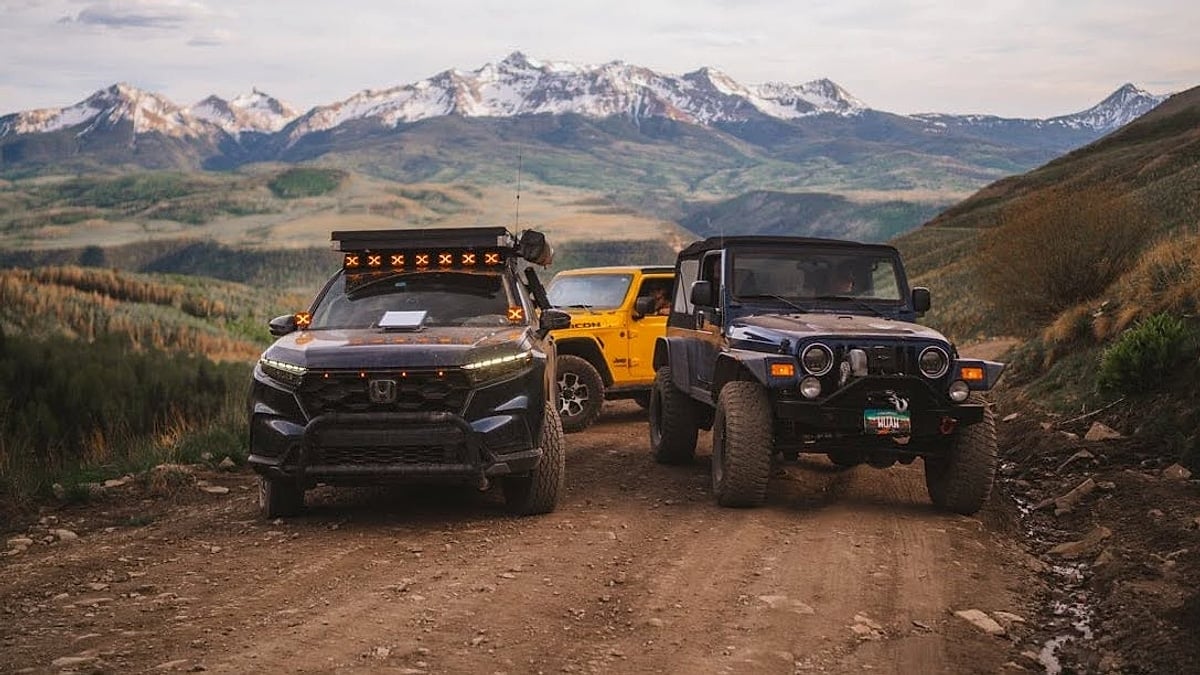
Hosting an adventure meetup in Ouray, Colorado, frequently dubbed the Switzerland of America, presents a brutal reality check for any vehicle platform.
As a third-generation native who regularly evaluates vehicles across the punishing terrain of the Rocky Mountains, I know these trails chew up pretenders. The high-altitude passes surrounding the San Juan Mountains demand immediate, low-end torque and exceptional heat dissipation.
At over 7,800 feet of baseline elevation, thin air robs naturally aspirated engines of crucial horsepower, forcing electronic all-wheel-drive systems to work twice as hard.
Subaru has historically dominated this specific region because its mechanical setups are deeply woven into the local culture. Seeing a Texas-registered Honda crossover leading a grassroots trail charge into the heart of Subaru country is a massive cultural paradigm shift.
Local dealership service data indicates that mountain-state buyers are increasingly choosing the fuel efficiency of the CR-V Hybrid over traditional mechanical alternatives.
The immediate torque delivery of the dual-electric-motor setup provides a distinct advantage when crawling up steep, loose-gravel inclines. It allows drivers to maintain forward momentum without the aggressive wheel-spin that typically damages fragile trail surfaces.
Yet, this shift introduces a completely new demographic of drivers to the hidden dangers of backcountry exploration.
Many suburban owners do not realize that basic components like factory oil pans and low-hanging exhaust systems are entirely unprotected on stock crossovers. Taking a family vehicle onto the rocky trails of southwestern Colorado requires an entirely different level of driver awareness and spatial judgment.
The Core Question Everyone Is Asking Next
What happens to your factory warranty when you decide to take a standard commuter vehicle into the rugged wilderness?
This is the hidden financial trap that most automotive lifestyle influencers completely fail to mention in their viral posts. If a service department documents underbody impact scars or mud intrusion in the steering rack, corporate goodwill protocols are almost universally denied.
Owners must carefully weigh the emotional thrill of the alpine backcountry against the very real risk of expensive, out-of-pocket mechanical repairs.
Final Verdict On The Crossover Horizon
The grassroots movement in Ouray proves that modern drivers are completely redefining the boundaries of practical vehicle ownership. The 2026 Honda CR-V may have been engineered to conquer suburban school zones, but its owners are officially rewriting the rulebook in the Colorado dirt.
We Want To Hear From You: Would you ever dream of ditching a dedicated off-road brand like Subaru for a standard family crossover to take into the high Rocky Mountains?
Let us know your thoughts on this changing outdoor culture, and please leave your perspective in the red "Add new comment" link below.
Come back tomorrow… or check my Torque News Home Page for more of my informative Honda CR-V news articles.
About The Author
Denis Flierl is a 14-year Senior Reporter at Torque News and a member of the Rocky Mountain Automotive Press (RMAP) with 30+ years of industry experience. Explore his full investigative reporting archives and technical guides at DenisFlierl.com.
Based in Parker, Colorado, Denis leverages the Rockies' high-altitude terrain as a rigorous testing ground to provide "boots-on-the-ground" analysis for readers across the Rocky Mountain region, California EV corridors, the Northeast, Texas truck markets, and Midwest agricultural zones.
A former professional test driver and consultant for Ford, GM, Ram, Toyota, and Tesla, he delivers data-backed insights on reliability and market shifts. Denis cuts through the noise to provide national audiences with the real-world reporting today’s landscape demands.
Connect with Denis: Find him on LinkedIn, X @DenisFlierl, @WorldsCoolestRides, Facebook, and Instagram.
Photo credit: Denis Flierl via Aaron Chokbengboun
Set Torque News as Preferred Source on Google
Follow us today...