
The whole story is over at Carbuzz. The site does a deep dive into this V6, one that has been around since the mid-1990s, and, as the site notes, has been in everything from minivans to SUVs to performance vehicles to line-topping vehicles. And, of course, the J-Series V6 has been in the Ridgeline.
Carbuzz also points out that the engine has won the Ward’s Best Engine award more than once and at least Honda with this engine has reached one million miles.
But as we’ve pointed out here before on Torque News, the J-Series may be approaching retirement. Well, sort of - as we’ve reported recently, the Ridgeline and other Hondas could be getting a hybrid powertrain that pairs a V6 with an electric motor.
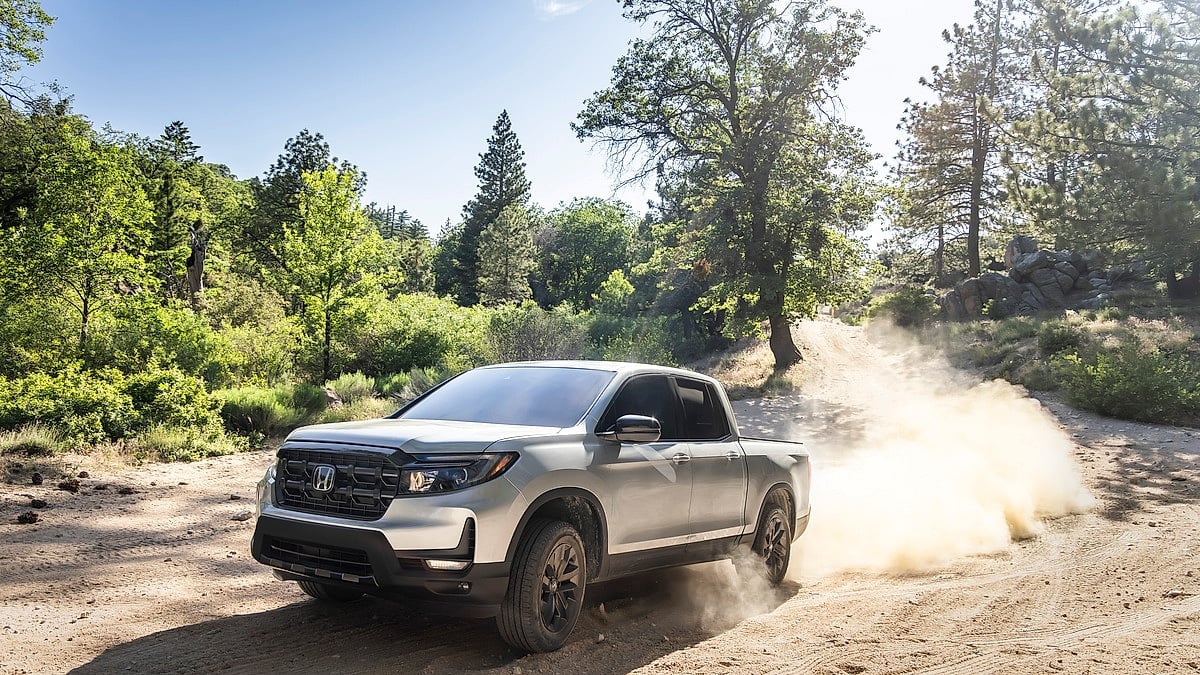
The J-Series Has Been A Major Engine For Honda
Car enthusiasts and industry observers probably don’t think of the J-Series at first when thinking about engines that have been around for years. Maybe the Chevy small block or various Ford V8s have that honor. Or maybe the Hemi V8 from Stellantis, though that engine has been more on and off the market.
Development on the J-Series began in 1993, with the engine reaching Honda production in 1996. Honda saved weight and cost by simplifying the manufacturing process, unifying the cylinder heads, and sourcing all the parts locally.
Unlike the previous V6, the C-Series, which used a 90-degree angle bank, the J-Series went to 60 degrees. The block and heads were aluminum and the single-overhead cam used Honda’s famous (to the point of being memed) VTEC variable valve-timing system. The four-valve-per-cylinder J-Series was meant to be used only in transverse applications. These engines are either built in Ohio or Alabama.
It all started not with a Honda-badged vehicle, but one from the company’s luxury line, Acura. The 1996 Acura CL 3.0 is where the J-Series made its debut. In this application, it had a forged steel crankshaft and a cooling system that was meant to eliminate the potential for leaks.
The million-mile car, by the way, is a 2003 Honda Accord with a J30A4 engine, and reportedly it had few problems other than some misfires on occasion and low compression.
The J-Series, which is still in production, has been in service for five years longer than Honda’s K-Series four-cylinder engine.
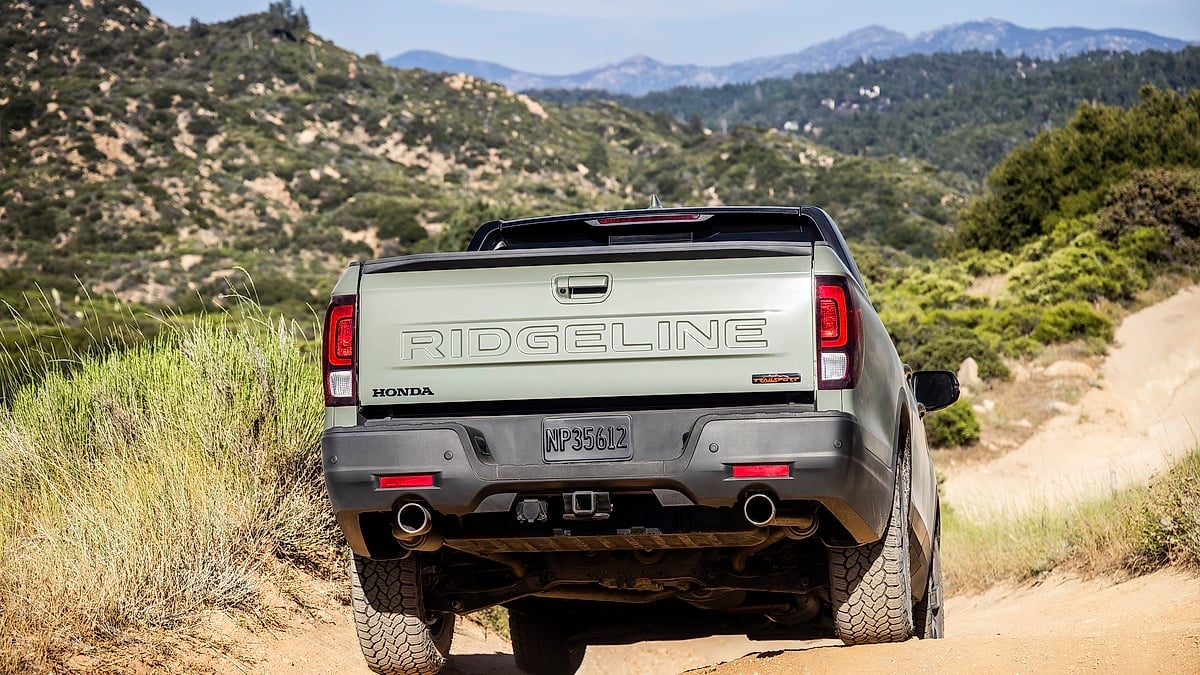
Applications Using The J-Series, Including the J35
The J-Series’ J35 is Honda’s largest displacement naturally aspirated engine, first appearing in the second-generation of the Honda Odyssey minivan. Other Hondas that use it/have used it include/included the Ridgeline (naturally), Accord, Pilot, Passport, while Acuras that have been graced by the J35 include the MDX, RDX, RLX, and TLX.
The single-overhead cam setup has been replaced by dual overhead cams and direct injection. Like a lot of engines, some versions of the J-Series can deactivate cylinders for improved fuel economy, but this has caused some issues with excess oil consumption.
How The Ridgeline Factors In
Across the auto industry, we’ve seen automakers seek to use fewer cylinders in order to get better fuel-economy and reduce weight and costs. Automakers use forced induction like turbocharging to keep horsepower and torque numbers from dropping.
Honda isn’t immune from this trend, and the brand has moved to turbo fours and hybrids in many cars. But the J-Series remains for truck and SUV duty. So it remains in the Pilot, Passport, Odyssey, and the Ridgeline, along with the Acura MDX Type S. The one sedan that uses it is the Acura TLX Type S.
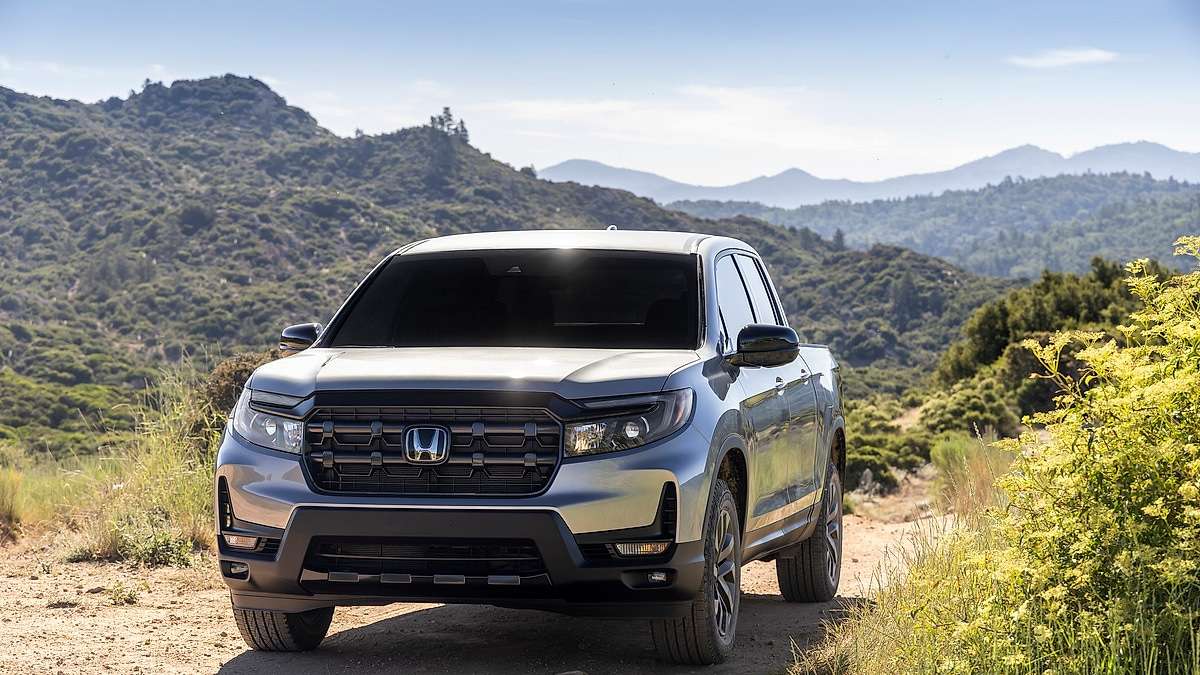
In the case of the Ridgeline, the engine is good enough to allow for 5,000 pounds of towing. Towing figures matter as much to many truck buyers as horsepower and torque (which are 280 and 262 lb-ft, respectively), so Honda offers enough towing capacity in the Ridgeline that the truck can be used to move ATVs, UTVS, personal watercraft, and the like.
The J-Series is also known for reliability, and while reliability matters to just about every car buyer, it especially matters to truck buyers - and especially those truck buyers who put their rigs to work.
With the reported hybrid likely to use an all-new V6 instead of an evolved version of the J-Series, it seems like one of the industry’s most venerable engines is headed towards the sunset. Until then, it will help power the Ridgeline, just as it has.
Images: Honda
About The Author
Tim Healey is an experienced automotive writer and editor from Chicago. He has covered automotive news at Consumer Guide Automotive, Web2Carz, AutoGuide, and was the managing editor at The Truth About Cars. Tim is a member of the Midwest Automotive Media Association. You can find him on Facebook, X/Twitter, and on LinkedIn.
Set Torque News as Preferred Source on Google
Follow us today...