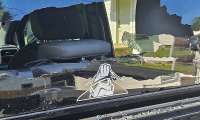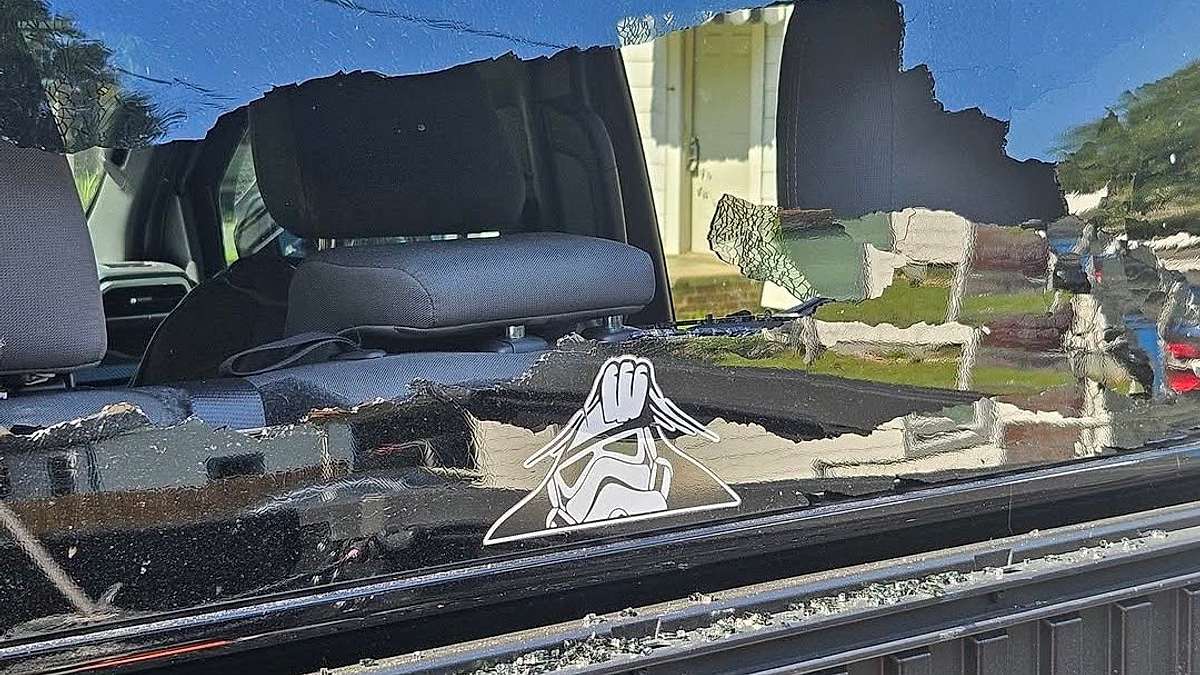

Andrew Martinez closed his driver's side door. A split second later, the rear window of his 2024 Toyota Tacoma exploded.
It wasn't vandalism, a stray rock, or extreme heat; it was a spontaneous mechanical failure.
I have spent over three decades testing vehicles and analyzing structural manufacturing anomalies, and this latest trend of detonating glass is a highly disturbing corporate problem. While mainstream media continues to ignore this hidden epidemic, a deeper technical analysis reveals a severe design flaw that the manufacturer refuses to fix.
Not An Isolated Case of Bad Luck
The incident occurred on a routine afternoon while the vehicle was parked in Hot Springs, Arkansas. The ambient air temperature was a mild 81 degrees, completely eliminating the possibility of severe thermal shock from extreme weather.
"I was doing yard work for my stepdaughter and going in and out of the truck," Andrew Martinez shared on the 4th Generation Toyota Tacoma Owners Facebook Group. "I opened the front driver's door to get a drink, closed it, and the back window completely shattered not cracked, but shattered into a million pieces, leaving me entirely at a loss for words."

This isn't an isolated case of bad luck but a structural pressure trap that is actively triggering a massive consumer-protection crisis.
According to a nationwide investigative alert by automotive defect attorneys at Chimicles Schwartz Kriner & Donaldson-Smith LLP, multiple 2020–2026 Toyota models are experiencing identical spontaneous shattering of rear glass, in which tempered windows explode outward without any external impact.
The sudden detonation creates immediate safety hazards for passengers, yet local dealerships are universally blaming owners to protect factory profit margins. When a window shatters into dangerous fragments with zero warning, it transforms a premium midsize truck into an active liability on the highway.
Why Did the Window Explode?
To understand why a truck window explodes in mild weather, we have to look beyond the superficial dealership excuses and analyze cabin-pressure engineering. Modern trucks are built with highly airtight cabin seals designed to eliminate wind noise and improve HVAC efficiency.
When you swing a massive truck door shut, it acts like a hydraulic piston, forcing an immense volume of air through the cabin. This structural pressure spike is supposed to be safely relieved by plastic cabin air vents hidden behind the rear seats.
However, if those pressure-relief flaps are stuck, misaligned, or structurally restricted by factory interior paneling, the extreme pressure wave has nowhere to go. It slams directly into the largest flat surface area of the truck cabin: the tempered rear window.
This mechanical stress works in tandem with severe manufacturing defects embedded directly inside the glass during production.
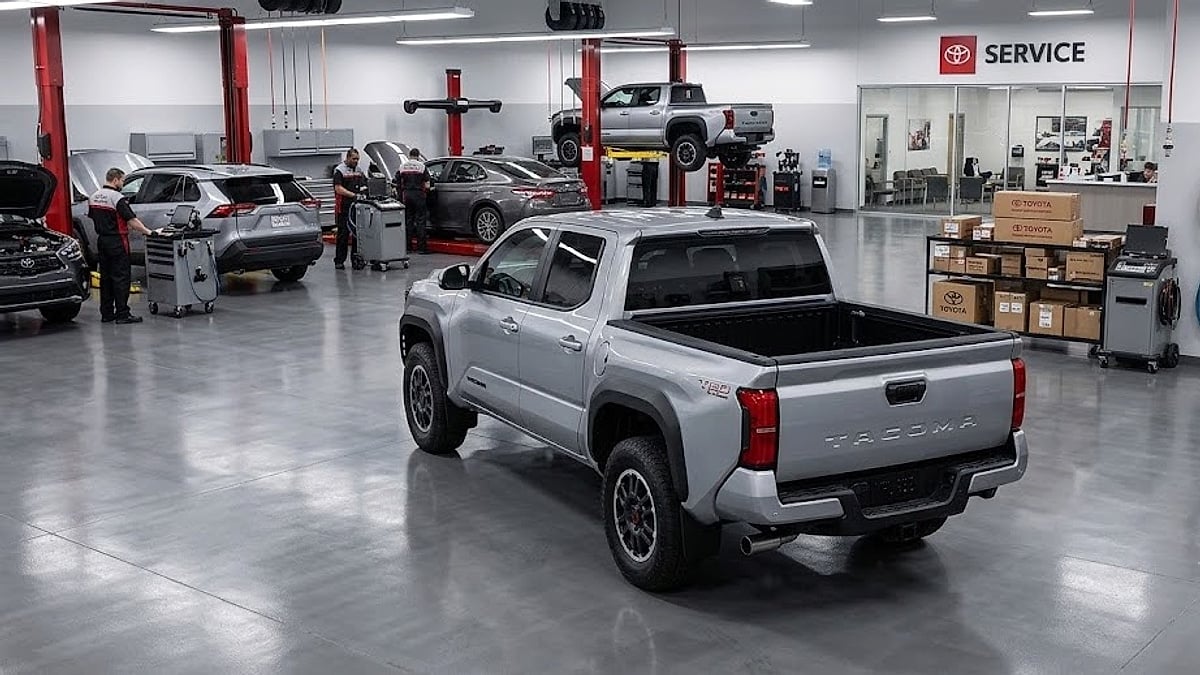
According to material safety analyses published by automotive compliance experts at Lemberg Law, spontaneous glass failures are frequently caused by microscopic impurities, such as nickel sulfide inclusions, that expand over time within tempered glass panels.
When these tiny metal fragments expand within the high-tension layers of tempered glass, they create massive internal stress points. All it takes is a single routine cabin-pressure spike from closing a door to cause the entire window structure to violently fail.
Why Corporate Claims Adjusters Are Blaming You
When Andrew took his shattered truck to the local service drive, he was met with the standard corporate defense script. Service advisors are trained to inspect the perimeter of the broken glass, searching for any tiny chip that they can label as an "impact point."
If they find a single scratch or a point where the glass is most densely webbed, they immediately deny warranty coverage and claim a stray pebble caused the damage.
This leaves the truck owner stuck with an out-of-pocket bill ranging from $800 to $1,500, depending on whether the truck has a power-sliding rear glass.
This systemic denial of basic warranty coverage aligns with a broader corporate trend of avoiding liability for early-production-run component failures. My independent tracking of fourth-generation platform deficiencies has shown that dealerships consistently weaponize diagnostic ambiguities against consumers.
As I recently exposed in my investigative reporting on the 4th-Gen Toyota Tacoma Action Plan, factory technicians are frequently coached to reject complex claims by marking them as external environmental damage or user error.
By shifting the financial burden onto consumer comprehensive insurance policies, the manufacturer avoids issuing expensive national safety recalls.
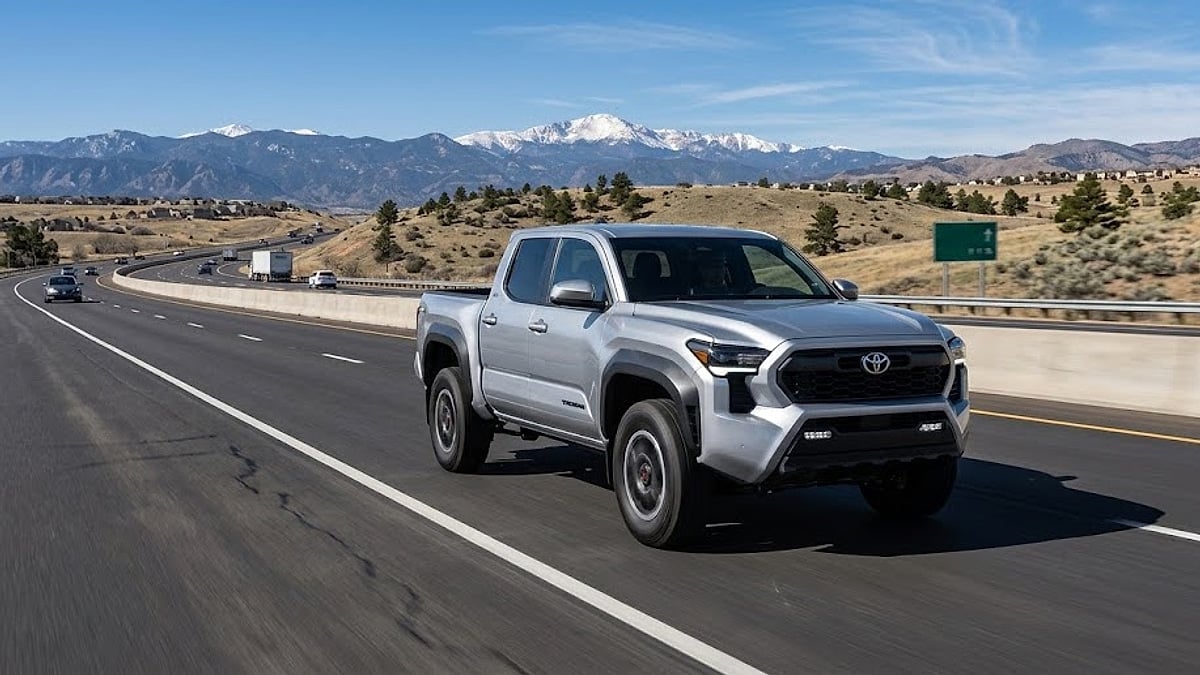
The High-Altitude Pressure Trap
This structural flaw becomes even more severe when you introduce significant altitude variations and regional environmental conditions. Here in Parker, Colorado, the thin air at 5,900 feet above sea level significantly alters the behavior of internal cabin pressure waves.
Vehicles built at sea-level assembly plants face completely different atmospheric dynamics when driven through high-altitude Rocky Mountain corridors. The pressure differential between the inside of an airtight cabin and the thin mountain air creates a continuous outward load on structural body panels.
When you slam a door in a high-altitude environment, the sudden pressure transition is much more violent than it is at sea level. This atmospheric friction severely tests the integrity of defective tempered glass panels that are already holding immense internal manufacturing stress.
The regional impact isn't limited to the cold winters; our intense high-altitude solar radiation cooks vehicle interiors, causing internal components to expand rapidly. This unique environmental cocktail makes vehicles operating in western states prime targets for spontaneous component failures.
The Hidden Backlog Sidelining Your Truck
If you think paying out of pocket for a new rear window solves the problem, you are in for a very rude awakening at the parts counter. The automotive supply chain is currently plagued by massive logistics delays, leaving critical replacement glass assemblies on long backorders.
Owners are being forced to drive around for weeks with plastic sheeting taped over their back window frames, exposing their premium interiors to rain, snow, and opportunistic thieves.
This parts stagnation mirrors a widespread component shortage affecting the entire fourth-generation truck lineup.
As noted in my parallel technical analysis on Toyota Tacoma Transmission and Driveline Deficiencies, long service bay backlogs are preventing owners from using their vehicles safely. When a vehicle is sidelined for weeks awaiting a factory-backordered replacement part, it places immense pressure on the consumer's daily life.
Many owners are completely unaware that these extensive dealership backlogs can actually provide them with massive legal leverage. Under various state lemon laws, if a manufacturer cannot repair a recurring component defect or a vehicle is out of service for more than 30 cumulative days, the owner may be entitled to a full vehicle buyback.
How Can You Prove Your Window Exploded Spontaneously?
If your rear window explodes while closing a door, your very first step must be to preserve immediate, methodical evidence before anyone touches the vehicle. Do not clean up the glass shards inside the truck bed or on the cabin floor, as the direction of the debris field is your primary evidence of an outward explosion.
Take high-resolution photos showing that the glass fragments are blown outward away from the interior seats rather than smashed inward into the cabin.
Request that your dealership service advisor formally document the absence of any interior or exterior impact marks on the remaining window frame, and immediately file an official consumer safety complaint with the National Highway Traffic Safety Administration (NHTSA) to build a paper trail for the ongoing class-action defect investigations.
The Final Verdict On Spontaneous Glass Fractures
Spontaneous window explosions are an undeniable manufacturing reality caused by a toxic combination of high cabin pressure spikes and contaminated tempered glass. Until the manufacturer acknowledges this engineering defect and updates their dealer warranty protocols, consumers must proactively document their vehicle's structural failures to avoid getting stuck with unfair financial liabilities.
Tell Us What You Think: Have you ever experienced a rear window or panoramic sunroof spontaneously exploding without warning? Leave a comment in the red "Add new comment" link below and share your dealership experience with our community!
There’s More Coming Tomorrow… Also check out my Torque News Home Page for more of my informative Toyota Tacoma news articles.
About The Author
Denis Flierl is a 14-year Senior Reporter at Torque News and a member of the Rocky Mountain Automotive Press (RMAP) with 30+ years of industry experience. Explore his full investigative reporting archives and technical guides at DenisFlierl.com.
Based in Parker, Colorado, Denis leverages the Rockies' high-altitude terrain as a rigorous testing ground to provide "boots-on-the-ground" analysis for readers across the Rocky Mountain region, California EV corridors, the Northeast, Texas truck markets, and Midwest agricultural zones.
A former professional test driver and consultant for Ford, GM, Ram, Toyota, and Tesla, he delivers data-backed insights on reliability and market shifts. Denis cuts through the noise to provide national audiences with the real-world reporting today’s landscape demands.
Connect with Denis: Find him on LinkedIn, X @DenisFlierl, @WorldsCoolestRides, Facebook, and Instagram.
Photo credit: Denis Flierl via Andrew Martinez
Set Torque News as Preferred Source on Google
Follow us today...