
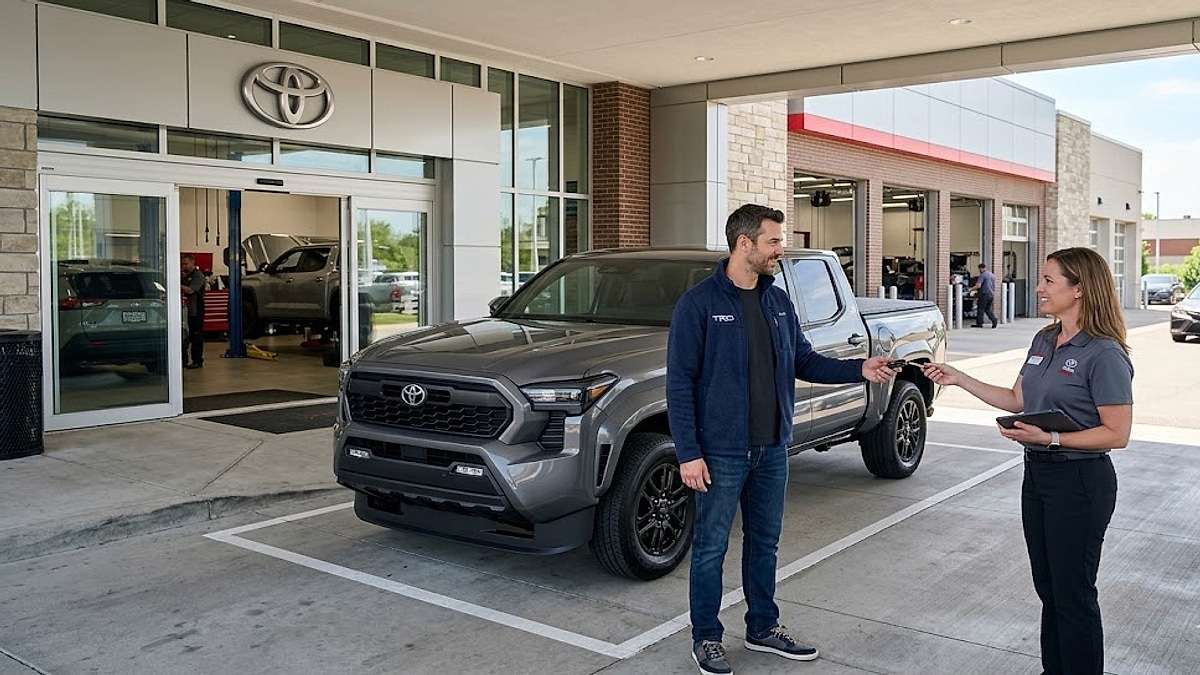

In our initial investigation, "Why 7-Time Toyota Tacoma Owner Regrets His 2025 Model At 15K Miles - and Why He Wishes He Bought a V6 Nissan Frontier Instead", Torque News detailed a growing wave of buyer’s remorse among truck veterans transitioning to the new 2.4-liter i-Force turbocharged platform. When contrasted with the traditional, linear power delivery highlighted in our companion report, "The Analog Survivor: Inside the Nissan Frontier's V6 Mechanical Longevity Advantage", a clear architectural divide emerges. The modern truck market requires consumers to balance technical complexity against proven mechanical simplicity.
As a dedicated consumer watchdog, this Torque News report by Denis Flierl has transitioned this ongoing coverage from initial observation into a rigorous consumer advocacy framework. For owners already facing drivability hurdles, this report delivers an actionable blueprint to protect their investments and successfully navigate manufacturer warranty channels.
Software Learning vs. Mechanical Faults
Many 4th-generation Toyota Tacoma owners entering dealership service bays with harsh shifts or erratic power delivery are met with a standard response: "The computer is just learning your driving style."
While modern automatic transmissions do utilize adaptive learning algorithms to adjust line pressures over time, proprietary Torque News tracking of manufacturing defects indicates that early 4th-Gen models are frequently experiencing clear mechanical and hydraulic irregularities. These symptoms present as severe 1st- to 3rd-gear jerking, sudden RPM "hunting" between 2,000 and 4,000 RPM, or an alarming sensation of a slipping torque converter during cold drive cycles.
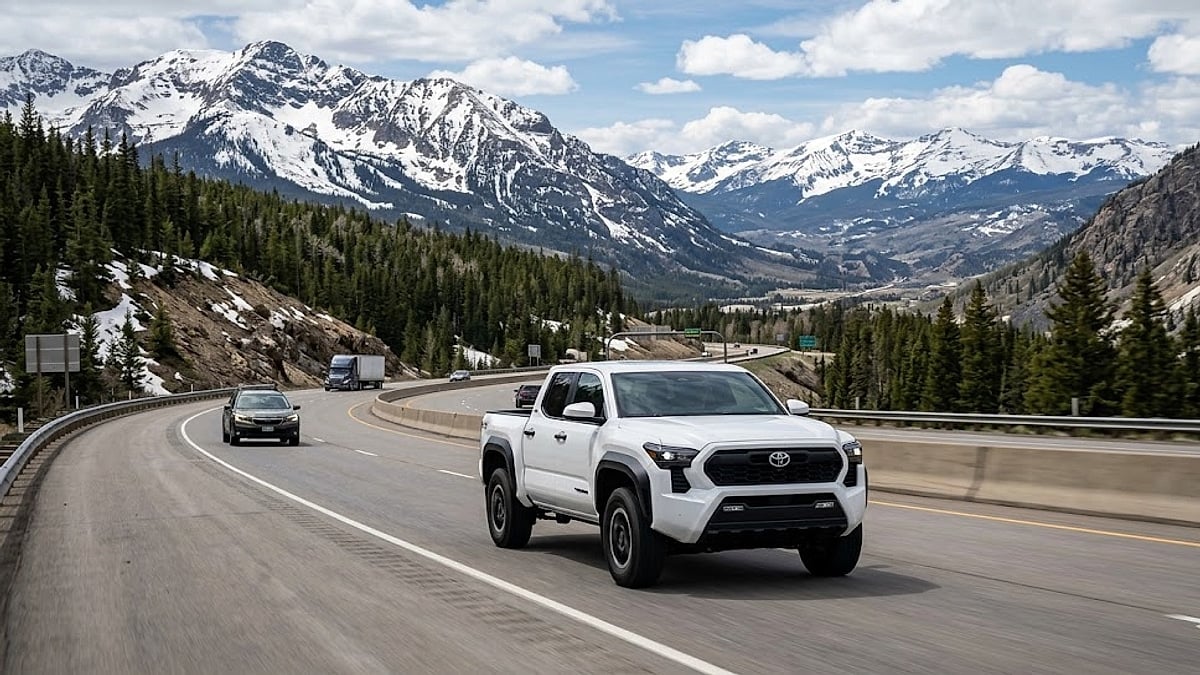
Rather than standard software calibration, these symptoms often stem from a distinct manufacturing variance. In my multiple documented field cases, critical pressure-control solenoid actuators or torque-converter clutch actuators have been found stuck in the off position, preventing clean gear synchronization. When an owner experiences a sudden lack of acceleration on the highway or a transmission that unexpectedly drops into neutral, it is a hardware failure that poses immediate safety considerations on the road.
The "Diagnostic Limbo" - We Can't Replicate It
A primary point of friction for modern consumers is the dreaded service bay rejection: "Cannot Replicate." Because transmission line pressures and solenoid clearances change as metal expands under operating heat, a truck that shifts violently when stone-cold may behave flawlessly during a short afternoon test drive by a dealership technician.
Torque News technical analysis identifies a critical gap between factory maintenance schedules and real-world component longevity. To bypass this diagnostic breakdown, owners must alter how they present their vehicles for service.
The Cold-Start Drop-Off Strategy
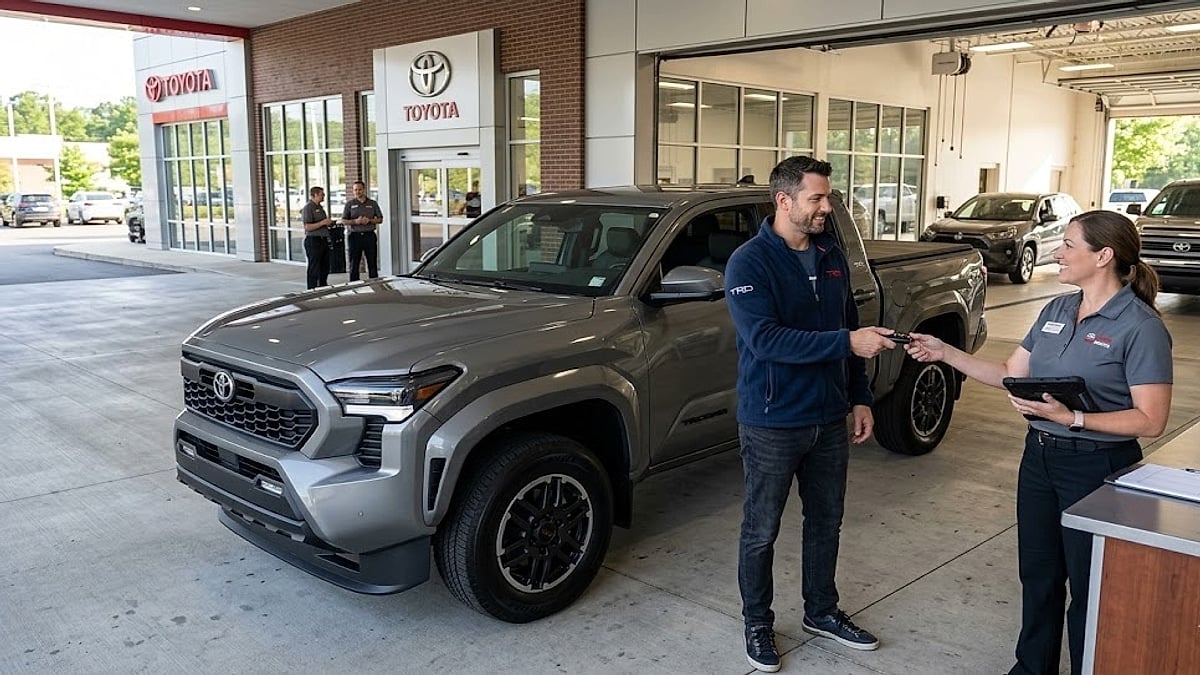
If your 8-speed automatic exhibits harsh shifting during the initial drive cycle of the day, do not schedule a standard "wait-in-lobby" service appointment. The truck must be dropped off at the dealership the evening before. Instruct the service advisor in writing that the diagnostic technician must attach their data logger prior to the first engine ignition sequence in the morning. This ensures the vehicle captures low-temperature fluid viscosity behavior and potential solenoid stickiness before engine heat masks the mechanical flaw.
Step-by-Step Action Plan for 4th-Gen Tacoma Owners
To ensure a concern transitions from an undocumented complaint into an authorized warranty repair or replacement, owners should execute the following technical protocol:
Owner Action Flowchart
- Identify Symptoms (Hard Shifts, High RPM Hunting, Power Loss)
- Perform VIN Check (Review TSB-0094-24 & Manufacturer Databases)
- Execute Cold-Start Drop-Off (Leave truck overnight at dealer)
- Log Independent Data (Use OBD-II scanner & record video safety bugs)
- Establish Official Paper Trail (Verify correct DTCs on repair order)
1. Verify Your Vehicle Identification Number (VIN)
Before visiting a service center, cross-reference your vehicle against known manufacturer actions. While early production runs were targeted under Technical Service Bulletin TSB-0094-24, ongoing field reports tracked by Torque News indicate that subsequent manufacturing lots, including early 2025 non-hybrid and i-Force Max hybrid models, are demonstrating identical shifting anomalies. Check the NHTSA Recalls Database to verify whether your truck has any open actions for related component defects, such as instrument panel display failures or driveshaft deformation concerns.
2. Document Real-Time Data and Visual Evidence
If your vehicle experiences a sudden RPM spike or high-gear hunting on the freeway, have a passenger safely record video evidence of the instrument cluster displaying the tachometer behavior. For advanced backup, utilize a consumer-grade OBD-II Bluetooth data logger to monitor real-time transmission fluid temperatures and gear commands. Showing a service manager an independent data log showing an uncommanded flare in engine speed is highly effective leverage when seeking a full transmission replacement.
3. Mandate an Accurate Paper Trail
When checking in with a service advisor, ensure your exact descriptions are transcribed precisely onto the repair order. Avoid vague terminology like "truck drives funny." Demand that the documentation explicitly reflects terms such as: "Slipping sensation from 2nd to 3rd gear," "Harsh mechanical engagement when cold," or "Loss of acceleration under load." If the dealership scans the truck, ensure they provide a printout of all Diagnostic Trouble Codes (DTCs), paying particular attention to faults such as P0301 (Cylinder 1 Misfire) and powertrain codes indicating solenoid circuit performance issues.
The High-Altitude Mountain Impact
Environmental factors drastically accelerate underlying mechanical vulnerabilities. In our continuous coverage of Toyota reliability, Torque News has uncovered a definitive correlation between premature powertrain stress and high-altitude, high-load operational environments.
In geographic testing zones such as the Rocky Mountain passes of Colorado, the combination of steep vertical ascents, thinning air, and rapid thermal cycling places extreme stress on small-displacement, forced-induction powertrains. When a turbocharged 2.4-liter engine works harder to maintain speed up a mountain grade, engine bay temperatures climb significantly. If an owner is running the vehicle at speed up a steep incline in 4-High (4 HI) rather than dropping into 4-Low (4 LO), the torque converter experiences prolonged slippage, which rapidly overheats the transmission fluid.
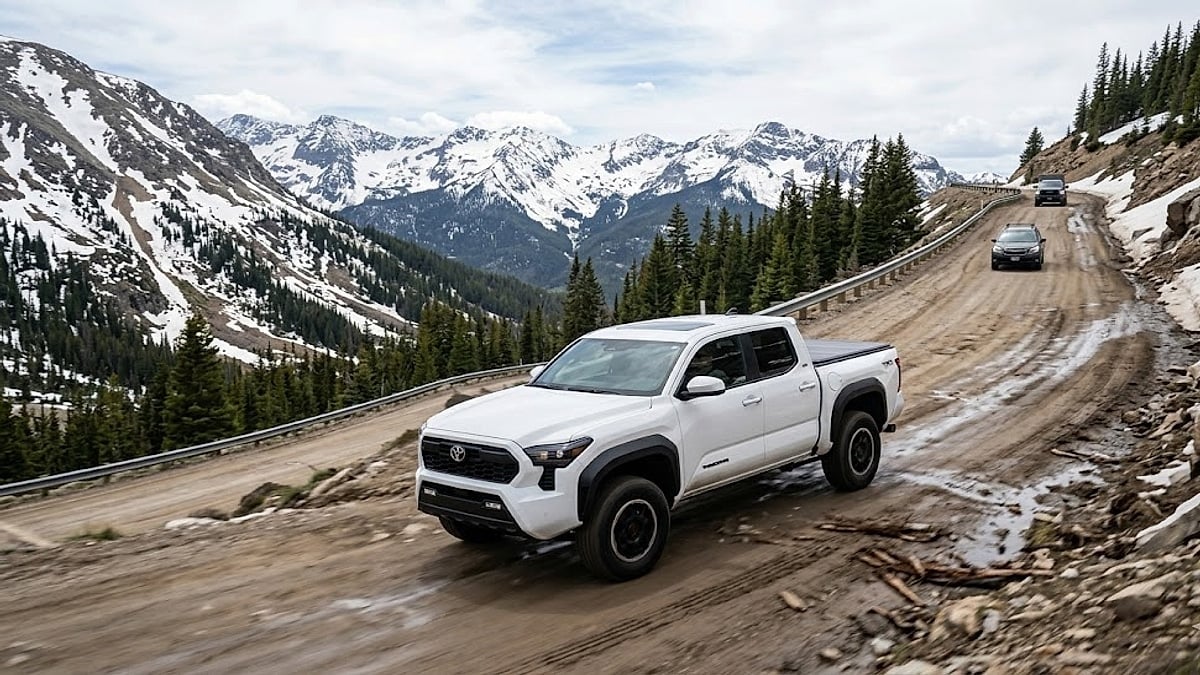
Furthermore, high-altitude temperature swings cause rapid expansion and contraction of aluminum blocks, plastic coolant couplings, and thin, low-tension piston rings, which are optimized primarily for flat-land fuel efficiency ratings. This environmental strain explains why owners in mountain regions frequently report drivability issues far sooner than flatland commuters do.
For Long-Term Keepers
For consumers who intend to own their 4th-Gen Tacoma beyond the standard factory warranty period, relying solely on factory maintenance recommendations may create long-term exposure to component wear.
- Fluid Degradation Management: While modern manufacturers frequently market transmission fluid as a "lifetime" fill, real-world heavy thermal-load cycles degrade fluid viscosity. Proactive owners operating under severe conditions (towing, off-roading, or mountain driving) should consider shorter fluid inspection and exchange intervals to prevent premature valve body wear.
- Turbocharger Integrity Preservation: Small-displacement turbocharged engines rely heavily on clean oil to lubricate and cool the turbo spindle bearings. Adhering strictly to clean, high-quality oil change intervals is paramount to preventing premature carbon buildup within the turbocharger housing.
Knowing Your Rights: The Consumer Advocacy Backstop
If your truck has been subjected to repeated repair attempts for the same powertrain defect without a permanent resolution, you are not entirely at the mercy of dealership constraints. Consumer advocacy groups and legal frameworks, such as state-specific Lemon Laws, exist to protect buyers from chronic vehicle defects.
To position yourself for a successful vehicle buyback or replacement through manufacturer arbitration, you must demonstrate a pattern of persistent failure. Keep meticulous physical copies of every single repair order, work receipt, and diagnostic printout. If a vehicle spends more than a cumulative 30 days out of service within its initial warranty coverage period, or if a major safety defect remains unresolved after multiple distinct repair attempts, you possess strong grounds to initiate formal legal escalation.
By executing this comprehensive technical action plan, 4th-generation owners can effectively shift the balance of authority back in their favor, hold manufacturers accountable, and ensure their long-term automotive investment remains fully protected.
It’s Your Turn: Have you experienced harsh shifting, transmission "hunting," or unexpected power loss in your 4th-generation Tacoma? Don't let the dealership dismiss your concerns as part of the standard software learning curve. Follow this diagnostic action plan, track your vehicle's behavior during cold morning starts, and force an accurate paper trail. Sound off in the comments below with your model year, mileage, and how your local service center is handling your powertrain concerns. Your firsthand experience provides critical information for our ongoing investigation into the owner community.
About The Author
Denis Flierl is a 14-year Senior Reporter at Torque News and a member of the Rocky Mountain Automotive Press (RMAP) with 30+ years of industry experience. Explore his full investigative reporting archives and technical guides at DenisFlierl.com. Based in Parker, Colorado, Denis leverages the Rockies' high-altitude terrain as a rigorous testing ground to provide "boots-on-the-ground" analysis for readers across the Rocky Mountain region, California EV corridors, the Northeast, Texas truck markets, and Midwest agricultural zones. A former professional test driver and consultant for Ford, GM, Ram, Toyota, and Tesla, he delivers data-backed insights on reliability and market shifts. Denis cuts through the noise to provide national audiences with the real-world reporting today’s landscape demands. Connect with Denis: Find him on LinkedIn, X @DenisFlierl, @WorldsCoolestRides, Facebook, and Instagram.
Photo credit: Denis Flierl
Set Torque News as Preferred Source on Google
Follow us today...





Comments
I have Toyota Tacoma TRD off…
Permalink
I have Toyota Tacoma TRD off road with 47000 miles. I love my truck and everything about it. No issues so far. It is everything I espected.