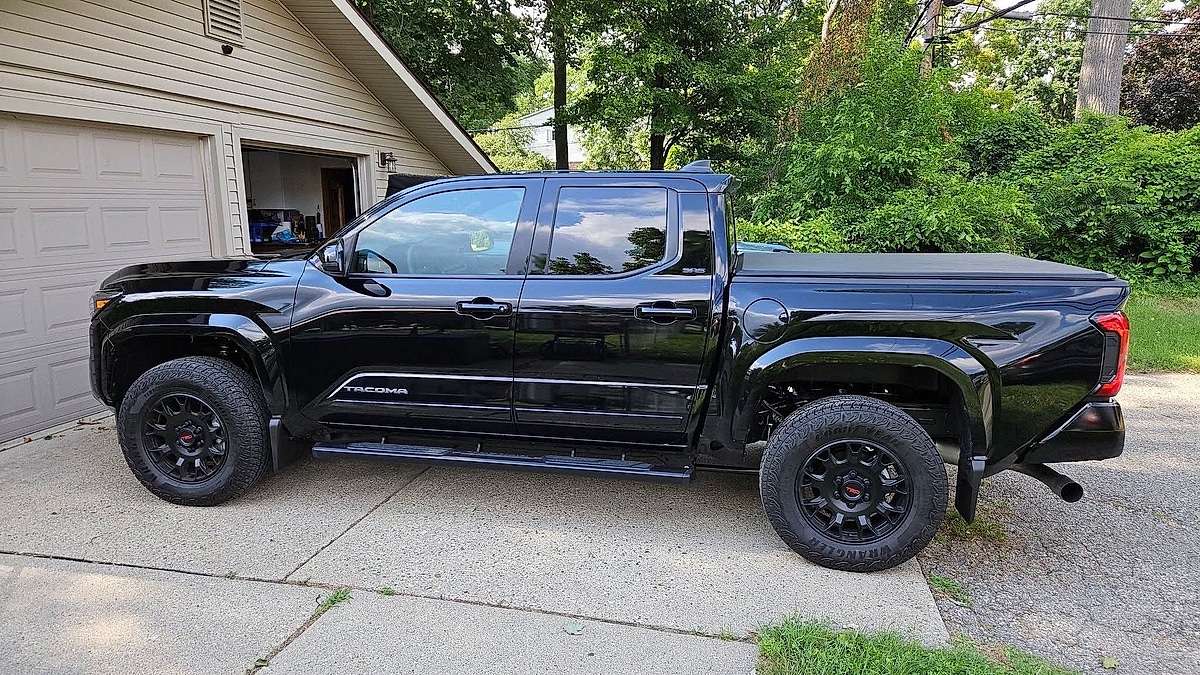

Thirty-five years of unshakeable Ford loyalty just went straight down the drain. Ouch!
One veteran F-150 owner finally dumped the blue oval in favor of a 2026 Toyota Tacoma. But his sudden brand divorce just exposed two massive headaches that the manufacturer had hidden from buyers.
Breaking a 35-year streak of driving full-size domestic trucks is an emotional event for any die-hard blue-oval loyalist.
Making that sudden jump from an iconic American half-ton platform into a midsize Japanese truck is bound to trigger immediate cultural shock. Yet, one veteran owner just discovered that the hidden compromises of downsizing involve far more than just losing a few inches of cabin space.
The 35-Year Brand Divorce on Facebook
35 years is a long time...
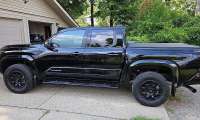
The reality of this major cross-market brand defection emerged directly from inside the enthusiast community. Michael Beals from Troy, Michigan, recently startled the 4th Generation Toyota Tacoma Owners Group Facebook page with a blunt confession about ownership telemetry.
"I finally broke the cycle of 35 years with Ford trucks," Beals revealed. "So far, I couldn't be happier except for mileage, and I had to buy aftermarket mud flaps because without them it just flings everything up the side of the truck since the factory mud guards still don't catch everything with the TRD wheels."
The Hidden Penalty of Downsizing
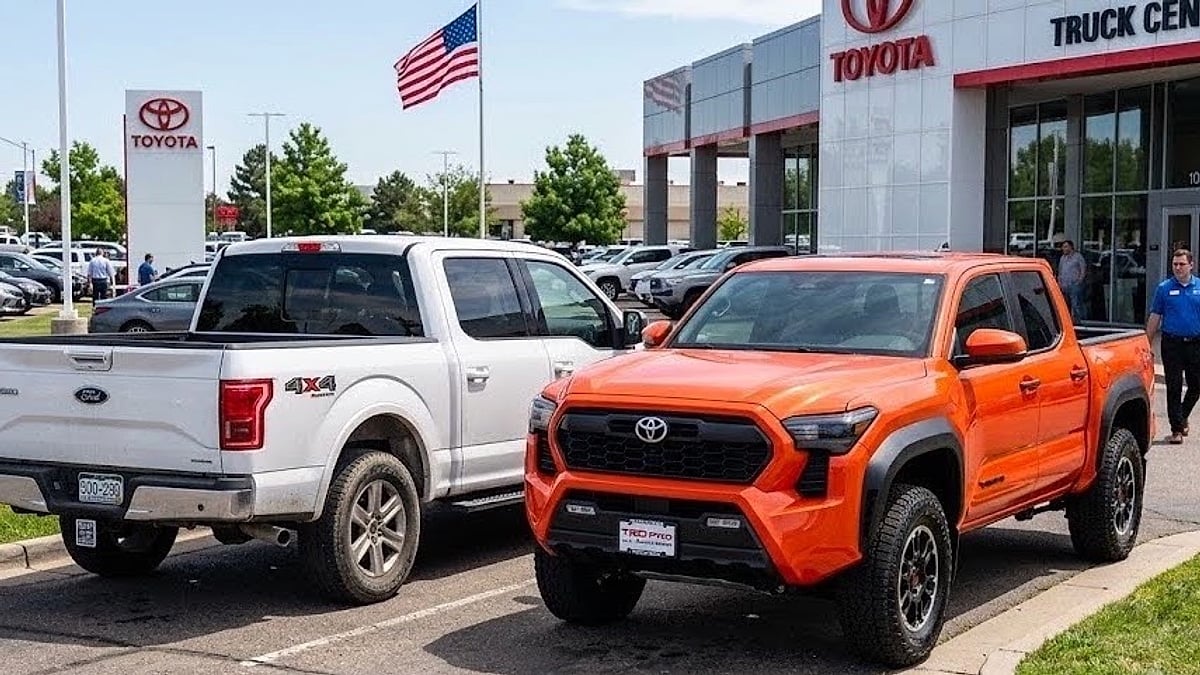
Automotive shoppers switching to smaller trucks typically anticipate a major efficiency benefit at the pump.
However, the reality of downsizing into late-model turbocharged 4-cylinder engines is colliding directly with real-world consumer experiences.
According to localized high-altitude fuel economy tracking from the U.S. Department of Energy’s FuelEconomy.gov, downsized small-displacement turbocharged engines frequently miss their corporate window-sticker estimates during practical daily usage under load.
Drivers transitioning out of traditional, naturally aspirated half-ton V8 platforms are discovering that these smaller, high-strung, forced-induction platforms must stay continuously under boost to keep up with traffic flow.
This unexpected efficiency deficit is exactly what catches long-time domestic truck owners off guard.
In my comprehensive powertrain evaluation, I documented how a 7-time Toyota Tacoma owner regretted his late-model purchase, explicitly detailing how modern small-displacement, forced-induction powertrains fail to deliver expected real-world mechanical advantages.
The TRD Wheel Track Defect
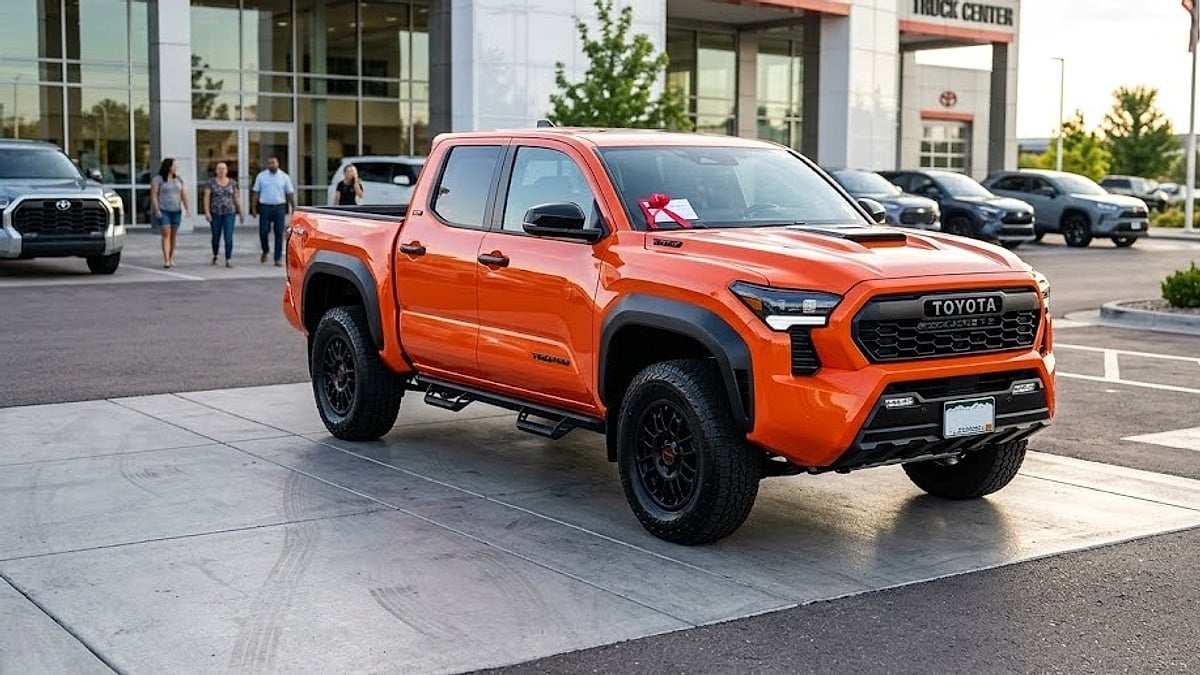
The most significant design flaw uncovered by Beals involves a geometrical mismatch regarding vehicle track width and factory paint protection. The aggressive wheel offset profile on the 4th-Gen TRD configuration pushes the outer shoulder of the tire tread completely past the safety envelope of the factory-molded Toyota mud guards.
This tracking discrepancy effectively turns the front wheels into an unshielded funnel for asphalt debris and loose gravel.
A structural wear report managed by the National Highway Traffic Safety Administration (NHTSA) indicates that inadequate wheel-well coverage on redesigned midsize truck platforms remains a primary source of accelerated body panel abrasion.
The sandblasting effect created by this wheel offset posture strips away the lower body clear coat within just a few thousand miles of road use.
Compounding this structural oversight, my long-term consumer protection analysis outlined how the 4th-Gen Tacoma platform requires proactive ownership intervention to shield buyers from design oversights that local dealership service advisors routinely classify as standard cosmetic wear.
A 35-year Ford F-150 veteran would notice right away
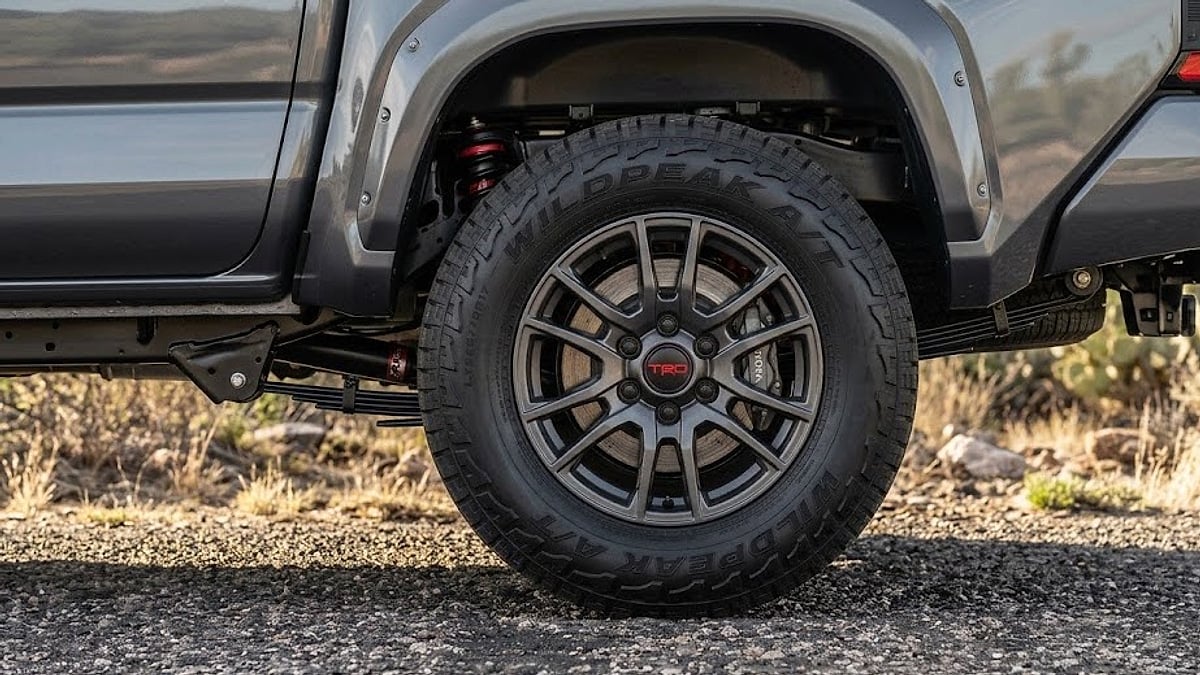
To understand why a 35-year Ford veteran noticed this immediately, you have to look at the mechanical architecture change between platforms. Traditional half-ton trucks feature deeply recessed wheel wells with ample sheet-metal overhang to contain tire sling.
By contrast, the 4th-Generation Tacoma TRD utilizes a high-clearance suspension geometry paired with an aggressive outer-wheel offset to improve off-road track stability.
My 30 years of mechanical expertise reveal the hidden flaw here: the factory Toyota mud guards were designed for the narrow, standard body profile, completely ignoring the extra shoulder width of the TRD terrain tires.
When these wider treads grab loose road aggregate, the rotational kinetic energy acts like a high-velocity slingshot. Because the factory guard fails to intersect the tire's outer-edge projection line, gravel bypasses the plastic shield entirely, taking a direct trajectory into the lower door skin.
This isn't just cosmetic wear; it is a geometric mismatch between the truck's aggressive off-road stance and its standard body-protection components.
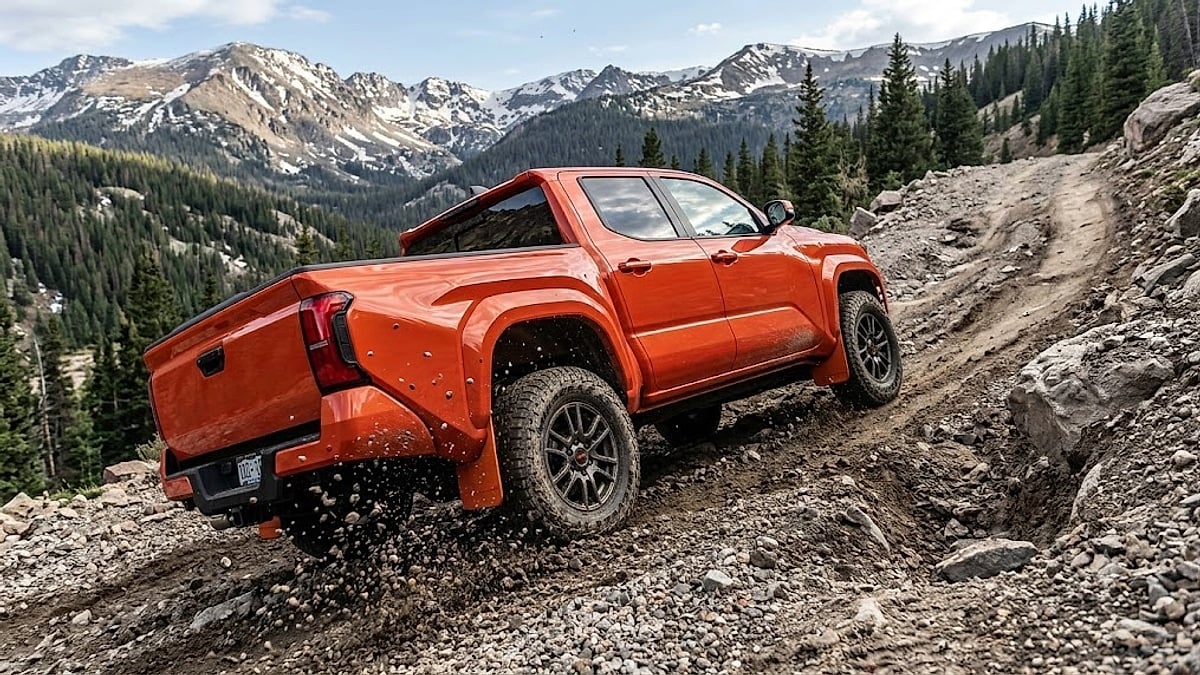
High-Altitude Paint Debris Trajectory
This geometric wheel-well design flaw becomes significantly more pronounced under challenging regional driving conditions.
For truck owners traveling up the steep, grit-heavy terrain of the Rocky Mountains along Colorado’s Interstate 70, road-surface gravel acts as a high-velocity abrasive.
The wider TRD wheel track flings heavy road traction aggregate directly into the flared rear quarter panels at highway speeds. This localized environmental reality is why automotive enthusiasts throughout the mountain states are forcing a massive spike in demand for heavy-duty, wider aftermarket mud flaps.
Without replacing the narrow factory plastic guards, driving through mountain winter pass runoff will rapidly obliterate the lower door paint.
What is the Best Aftermarket Fix to Stop TRD Paint Chips?
The most reliable resolution to this factory body-protection oversight is to remove the standard equipment entirely and replace it with extra-wide molded aftermarket mud flaps.
Brands like Husky Liners and WeatherTech manufacture vehicle-specific polyurethane flaps that extend an extra inch outward past the flare of the TRD tire shoulder. Adding a layer of automotive Paint Protection Film (PPF) across the lower rocker panels before mounting the new flaps provides a secondary defense barrier against persistent rock chipping.
A Balanced Assessment of a Historic Truck Swap
Giving up a 35-year streak with the Ford F-150 highlights the undeniable build and cabin appeal of the completely redesigned midsize Toyota platform. However, buyers must prepare for real-world fuel economy drops and invest in immediate aftermarket body protection to preserve their paint.
What Would You Do? Would you trade a lifelong history of driving full-size domestic trucks for a 4th-Gen midsize platform? Let us know your experiences with real-world mileage or paint chips by leaving a comment in the red "Add new comment" link below.
Come back tomorrow… or check my Torque News Home Page for more of my informative Toyota Tacoma & Ford F-150 news articles.
About The Author
Denis Flierl is a 14-year Senior Reporter at Torque News and a member of the Rocky Mountain Automotive Press (RMAP) with 30+ years of industry experience. Explore his full investigative reporting archives and technical guides at DenisFlierl.com.
Based in Parker, Colorado, Denis leverages the Rockies' high-altitude terrain as a rigorous testing ground to provide "boots-on-the-ground" analysis for readers across the Rocky Mountain region, California EV corridors, the Northeast, Texas truck markets, and Midwest agricultural zones.
A former professional test driver and consultant for Ford, GM, Ram, Toyota, and Tesla, he delivers data-backed insights on reliability and market shifts. Denis cuts through the noise to provide national audiences with the real-world reporting today’s landscape demands.
Connect with Denis: Find him on LinkedIn, X @DenisFlierl, @WorldsCoolestRides, Facebook, and Instagram.
Photo credit: Denis Flierl via Michael Beals
Set Torque News as Preferred Source on Google
Follow us today...