
Toyota just cut the 2026 Tacoma’s filtration protection perfectly in half.
They are praying you never pull the part from your dashboard to check their math.
If you think that shiny new $50,000 rig in your driveway is getting premium treatment at the dealership parts counter, you are being actively hoodwinked.
Proactive truck owners are blowing the whistle on a hidden manufacturing downgrade that reveals the legendary automaker is quietly cheapening its components while charging you full-premium prices.
The Secret Downsizing at the Parts Counter
My thirty years under the hood have taught me to never trust a corporate press release over forensic evidence on the garage floor.
When you purchase a next-generation vehicle like the 4th-generation Toyota Tacoma, you expect the premium assembly-line quality to carry over into your routine maintenance. Unfortunately, a glaring issue has emerged directly from the hands-on truck community that exposes how the manufacturer is quietly diluting its component standards.
This exact corporate part-shuffling directly aligns with my ongoing Toyota Tacoma investigation into how dealership service drives rely on high-margin upsells rather than delivering the actual heavy-duty mechanical protection your vehicle originally rolled off the assembly line with.
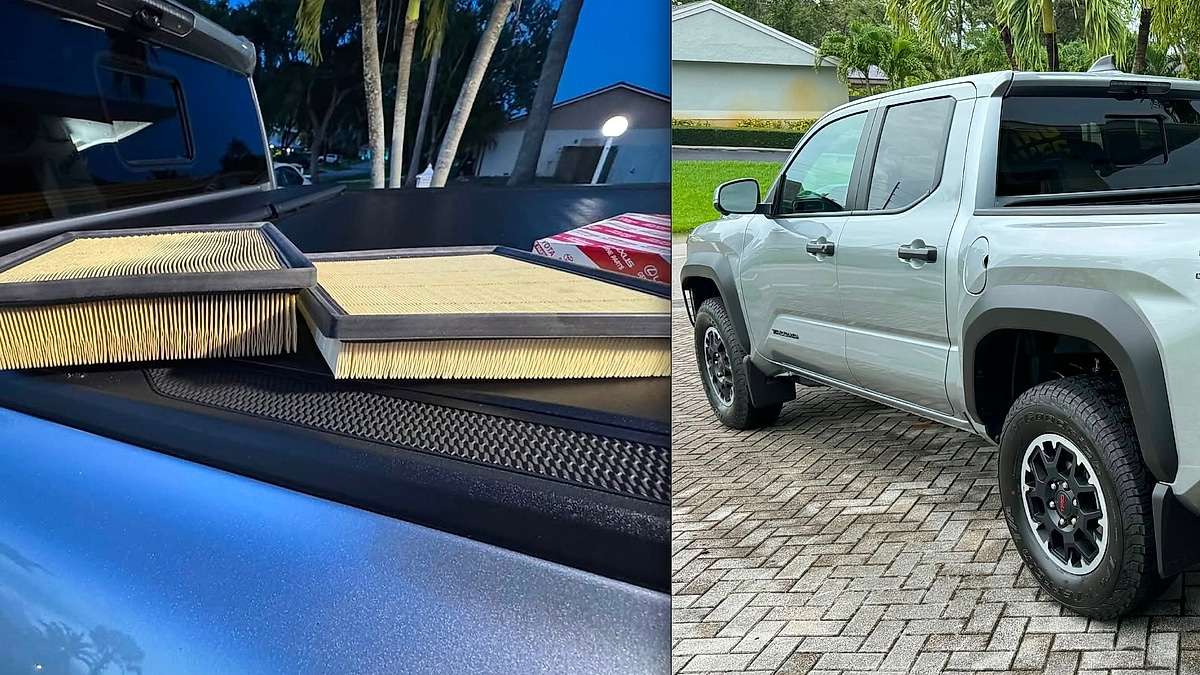
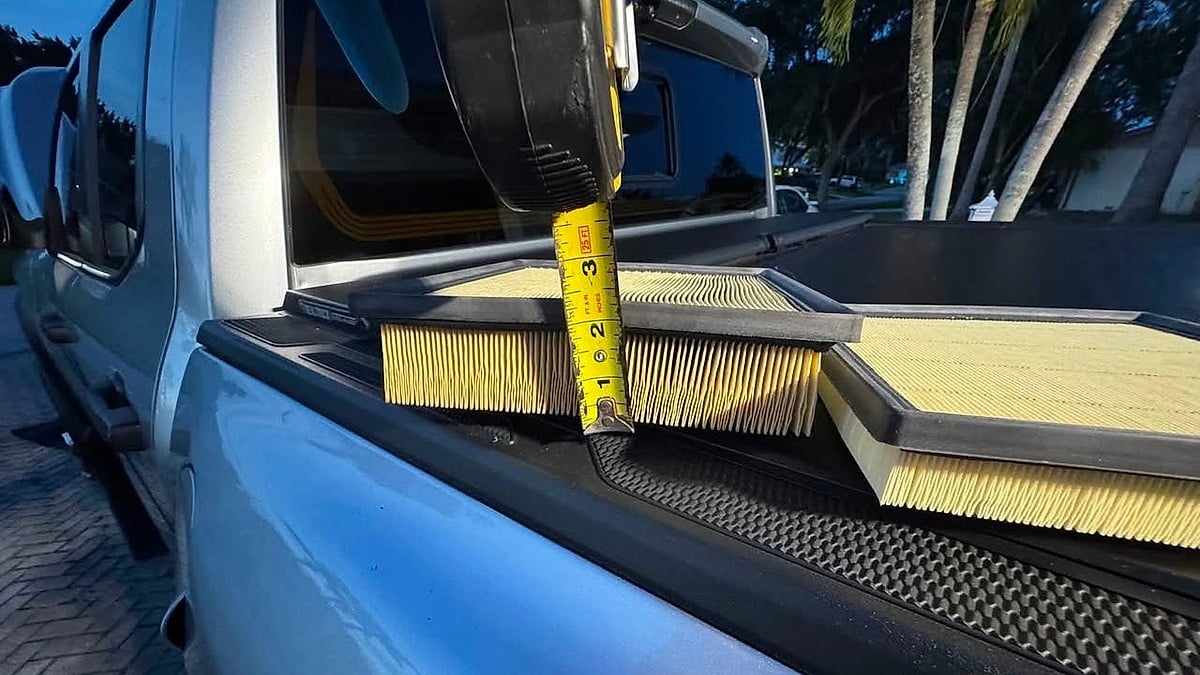
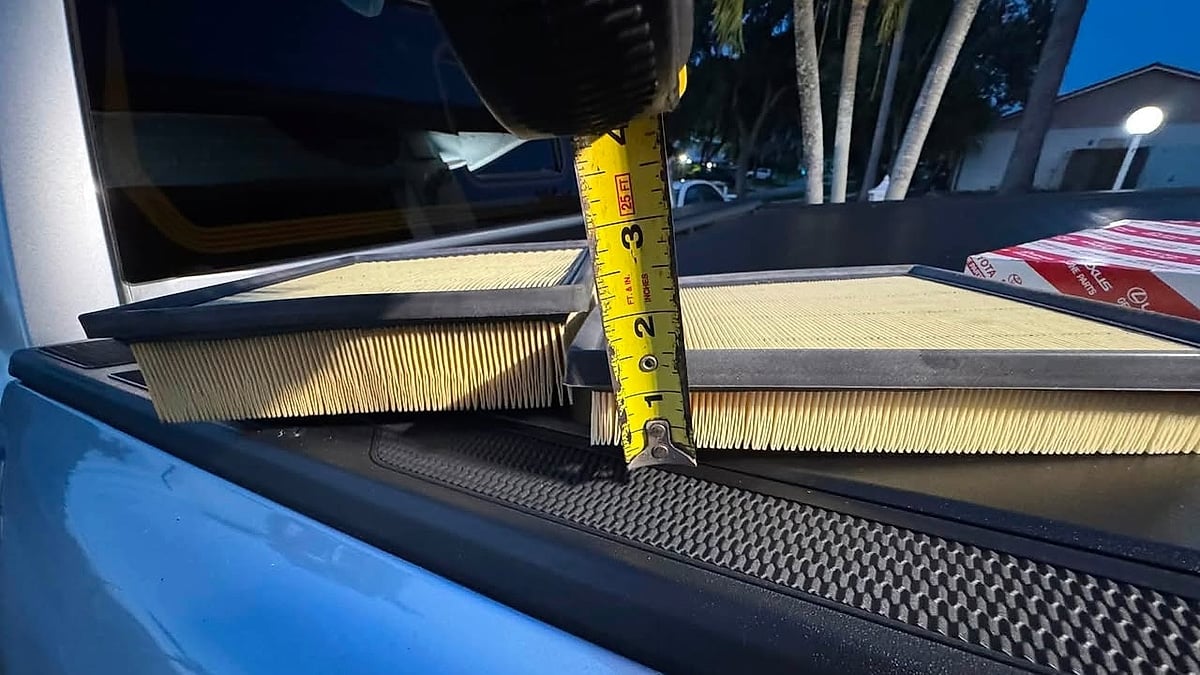
Rene Gomez recently exposed this reality on the 4th Generation Toyota Tacoma Owners Group Facebook page:
"It’s amazing how everyone says the manufacturer knows what they’re doing when they designed the Tacoma. I just changed my cabin and engine air filter on my 2025 Toyota Tacoma. The original filter is almost twice as thick as the OEM Toyota replacement. Toyota cheapened the filter after they put a thicker one in at the factory. What gives? I change both filters every year, whether they need it or not. Truck just turned one, and I just did the 7th oil change (29,246). I guess I get to throw away money somehow."
Understanding the "Value Line" Parts Trap
What Rene uncovered is not an isolated mistake, but rather a calculated corporate strategy known as secondary component tiering.
Manufacturers frequently roll vehicles off the assembly line with high-grade, maximum-density components to pass initial emissions, NVH (noise, vibration, and harshness), and EPA testing. Once the vehicle enters the consumer ecosystem, the standard parts catalog is often quietly supplemented with thinner, "economy-grade" alternatives designed to maximize profit margins at the dealership counter.
A comprehensive look at parts logs reveals that Toyota actively uses its "YZZ" economy line to compete directly with cheap aftermarket brands, occasionally swapping these downsized filters into the standard supply chain.
According to an extensive study on the behavior of filtration materials published by the National Institutes of Health (NIH), filter media performance is closely tied to material thickness and surface area.
The research explicitly highlights that "filter material characteristics are closely related," proving that reducing the mechanical profile directly alters how effectively a system handles airborne particulate loading.
Why Media Surface Area Dictates HVAC Survival
When a manufacturer halves the physical thickness of a cabin air filter, they are fundamentally altering the air quality and mechanical longevity of your truck.
Slicing the filter thickness by 50% reduces the usable surface area by half, meaning the component reaches its terminal dust-loading capacity twice as fast. As a consequence, the HVAC system experiences premature airflow restriction, forcing the blower motor to work significantly harder to pull air through a prematurely choked media.
Technical documentation from global filtration leader Donaldson Filtration Solutions confirms that air filters exhibit an efficiency curve that is heavily dependent on surface area loading and initial restriction profiles.
By reducing the physical depth of the replacement filter, the component cannot maintain its intended holding volume without restricting the vehicle's airflow. This forces the cabin fan to draw higher amperage, accelerating blower motor failure while allowing micro-particles to slip past the seals.
This severe mechanical strain feeds into a broader corporate ecosystem in which dealers exploit components; in fact, I previously exposed how some dealerships actively run cabin air filter replacement scams on owners during routine service checkups to extract quick profits.
The High-Altitude Colorado Torture Test
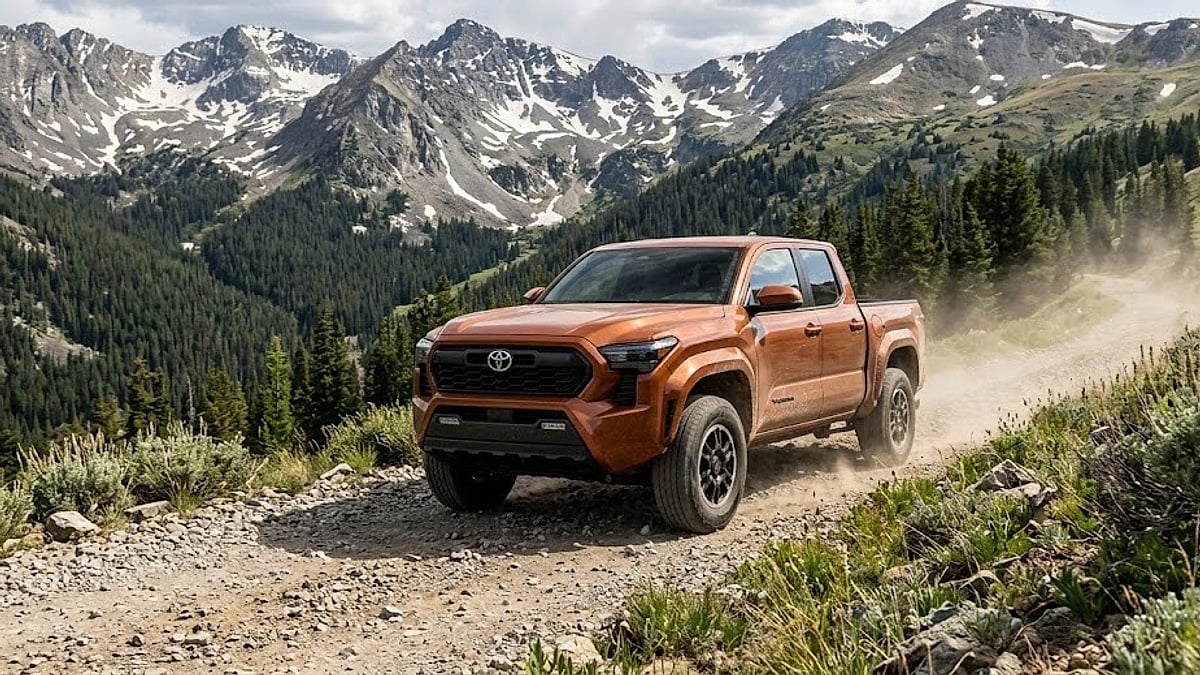
This component downsizing becomes particularly severe if you drive in demanding geographic regions. Up here in the high altitudes of the Rocky Mountains, our extreme environment acts as an immediate stress test for compromised truck components.
Vehicles frequently tackle severe dust storms on unpaved canyon passes, heavy winter road-salt pulverization, and dense smoke during wildfire seasons.
Dropping a half-thickness filter into a truck heading up Mount Vernon Canyon or over Vail Pass is an absolute recipe for HVAC failure. The thin media quickly plugs under heavy environmental loads, leaving the truck's cabin vulnerable to fine alpine particulate matter and forcing owners into premature replacement cycles.
The Immediate Financial Reality for Owners
The real consumer issue here is the deceptive pricing structure that truck buyers face. Owners are walking up to dealership parts counters and paying full premium OEM prices, expecting the exact same heavy-duty component that their truck was built with.
Instead, they are being handed an inferior, downsized alternative that offers half the material substance for the exact same retail cost.
This leaves proactive truck owners who practice meticulous preventative maintenance completely holding the bag. If you are servicing your vehicle diligently to ensure maximum lifespan, you are essentially paying a premium price for a component that has been systematically cheapened behind the scenes.
The Very Next Question on Every Owner's Mind
What is the exact part number difference between the assembly-line filter and the dealer replacement?
To protect your truck, you need to look at the stamping on the side of the filter frame. The factory-installed filter often carries an unlisted production part number, while the thinner dealer replacement typically features a "YZZ" suffix denoting Toyota's value-line economy tier. To get the original thickness, you must explicitly request the non-value-line, first-tier component from the parts coordinator, or transition to a premium aftermarket alternative that matches the factory box's true dimensions.
Protecting Your Hard-Earned Investment
Uncovering hidden manufacturing changes is exactly why hands-on consumer advocacy is so critical for modern vehicle ownership. By tracking these subtle part changes on the shop floor, truck owners can protect their vehicle's HVAC longevity and avoid paying premium prices for subpar protection.
Tell Us What You Think: Have you noticed a drop in quality or thickness when buying replacement parts at the dealership counter? Leave a comment in the red “Add new comment” link below and share your hands-on experience!
Wait, There’s More Coming Tomorrow… Also check out my Torque News Home Page for more of my Toyota Tacoma news articles.
About The Author
Denis Flierl is a 14-year Senior Reporter at Torque News and a member of the Rocky Mountain Automotive Press (RMAP) with 30+ years of industry experience. Explore his full investigative reporting archives and technical guides at DenisFlierl.com.
Based in Parker, Colorado, Denis leverages the Rockies' high-altitude terrain as a rigorous testing ground to provide "boots-on-the-ground" analysis for readers across the Rocky Mountain region, California EV corridors, the Northeast, Texas truck markets, and Midwest agricultural zones.
A former professional test driver and consultant for Ford, GM, Ram, Toyota, and Tesla, he delivers data-backed insights on reliability and market shifts. Denis cuts through the noise to provide national audiences with the real-world reporting today’s landscape demands.
Connect with Denis: Find him on LinkedIn, X @DenisFlierl, @WorldsCoolestRides, Facebook, and Instagram.
Photo credit: Denis Flierl via Rene Gomez
Set Torque News as Preferred Source on Google
Follow us today...