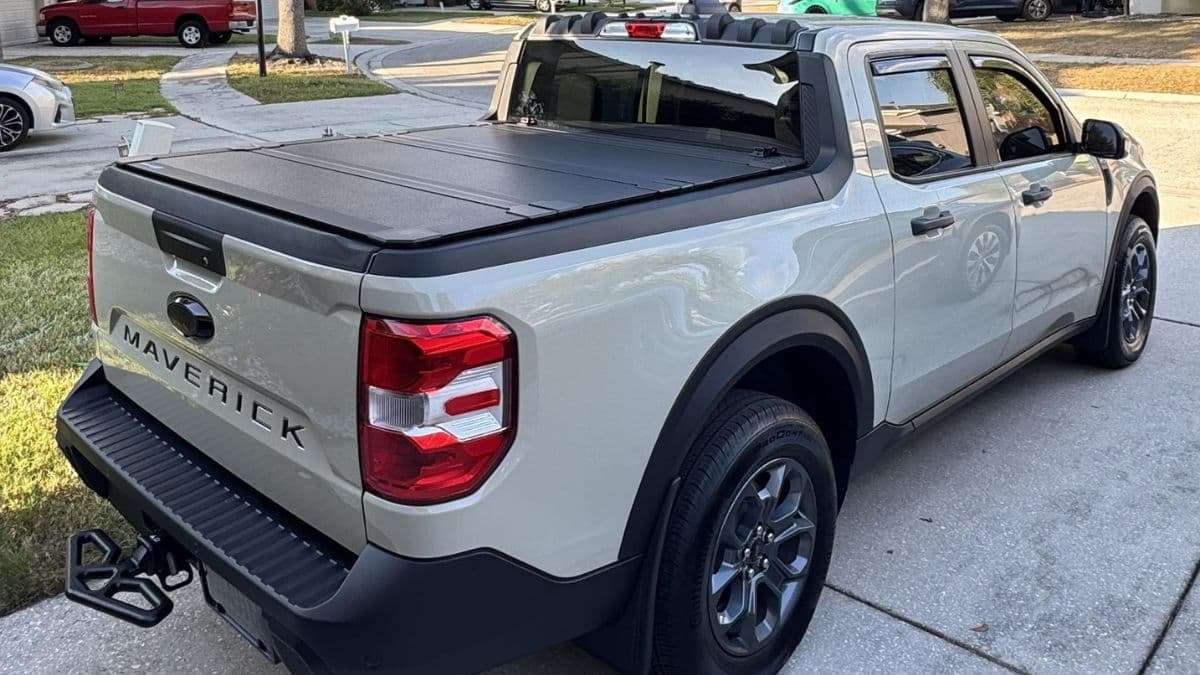

For a lot of buyers, the Ford Maverick feels like one of the few modern trucks that was designed with real-world tradeoffs in mind. It promises efficiency without giving up utility, compact dimensions without sacrificing capability, and a price point that still feels accessible in a market where trucks have become increasingly expensive. That combination has helped the Maverick earn plenty of praise, but living with any vehicle long enough has a way of revealing which compromises matter most.
This evening, while scrolling through the “Ford Maverick Truck Owners & Fans” group on Facebook, I came across a post from Shawn McDowell that captured that reality perfectly. After roughly 6,000 miles with his 2025 Ford Maverick XLT Hybrid, Shawn wasn’t venting or regretting his purchase. Instead, he was calmly explaining why a truck that checks most of the right boxes for him may not be something he wants to keep long term.
Here is how Shawn explained his experience in his own words: “So I’ve had my ‘25 Ford Maverick XLT since August and have truly enjoyed this little truck. I’ve added many accessories and taken many long trips in it. But after 6k miles, I think this will be a short-term truck for me.
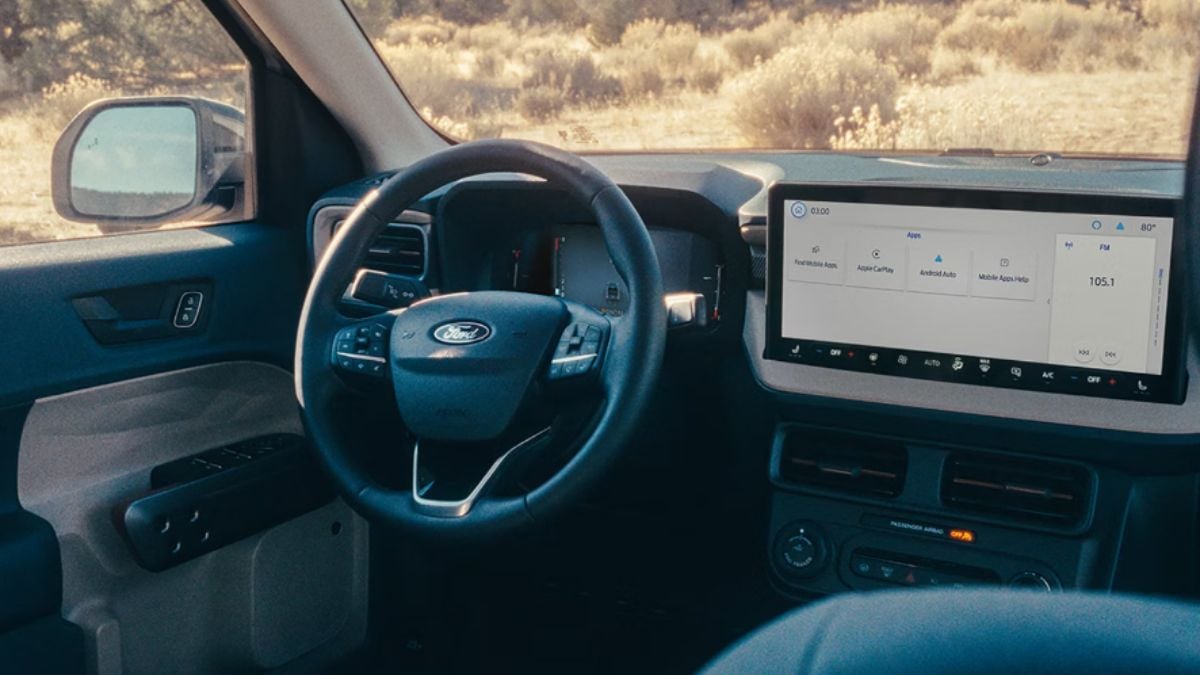
- It rattles too much around the dash. I’ve taken it in and they claim that they can’t do anything about it.
- The seats are just not that comfortable. I have the power seats, and I can’t get the seat set at all and it is always leaning back, but the bottom seat area leans back (sunken) all the time, and the length is just too short for me at 5’10.
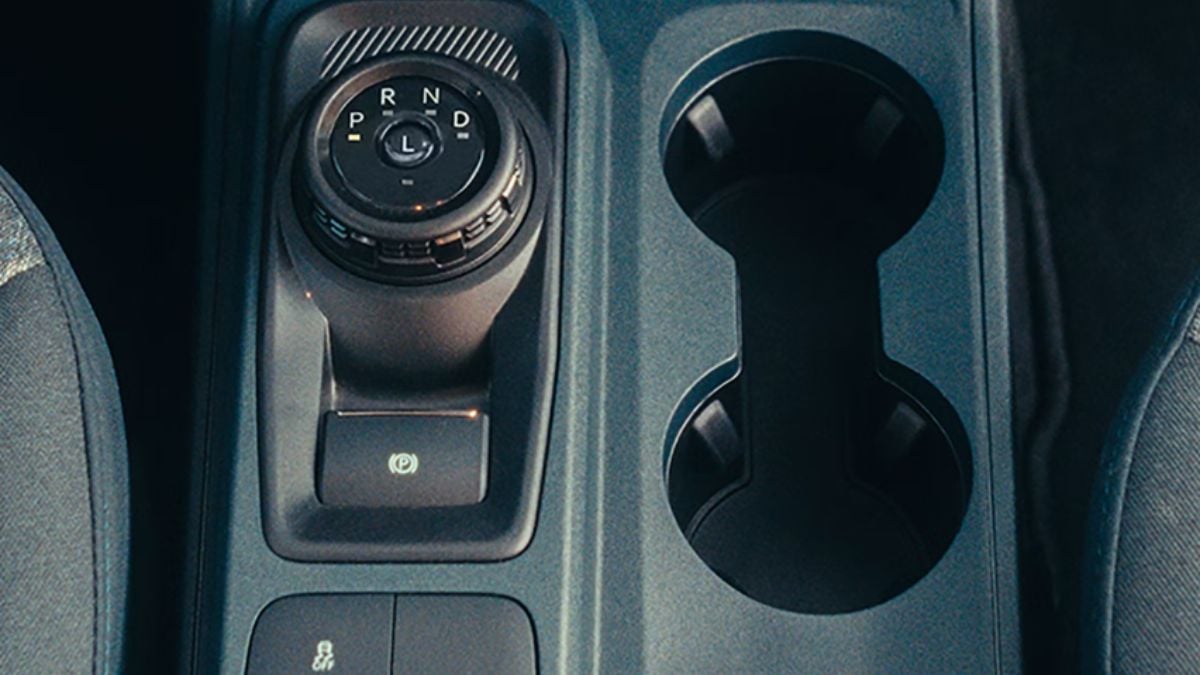
- The hybrid engine noises are just becoming too weird for me. Sometimes I feel like I’m hearing sirens coming up from behind me but it’s just my hybrid engine noise. Same thing for my passengers. It always freaks out new passengers.
- The gas mileage averages more around 32–34 vs 37–40 like they promised. That’s kind of a letdown for it being a Hybrid. Yes, it does get two times the MPG of most other small or mid trucks so I guess I should be excited about what I’m getting, but it is hard to be excited when I’m not getting what I should be as advertised. And for those wondering, I do a mix of city and highway around the Tampa area.
Outside of all those personal complaints of mine, this is definitely a great little truck. Priced right, does truck stuff as needed, easy to park and maneuver, fit the bill on 90% of my truck needs, but my complaint is the build quality I can’t get past. Yes, it’s a 30k truck and I get it’s not a luxury truck. Maybe I’m just an old cranky complainer but life’s too short for me to not be happy in what I drive. For the next 4–6 months she’s still going to be in my driveway, but the hope of a long-term ownership plan just isn’t in the stars for me with this one. Ok, begin roasting.”
Small Issues Add Up Over Time
Shawn has described something I think many owners can relate to regardless of brand. No one issue individually seems extremely serious, however, when each of these issues occur daily and become a part of the normal driving experience, they may affect how well the owner enjoys their vehicle.
I find that interior rattles seem much more audible in today's automobiles due to the generally quieter cabin environments. Hybrid vehicles such as the Maverick create a stark contrast between electric operation and engine start-up noise. Even if you have minor vibrations or noises created by plastic rubbing against plastic, the low-speed nature of driving makes it more likely for you to hear the noises.
The gap between what customers want and what they experience with seat comfort is significant too. The fact that Shawn mentioned the seat length and the angle of the cushions illustrate this point well. Most people miss the mark when it comes to their own comfort with the seats in a vehicle. What makes a perfect fit for one driver may be an awful fit for another, even if both drivers are around the same height.
Because of this, manufacturers need to keep in mind that vehicles intended to be used every day will have different levels of ergonomic comfort than vehicles intended to be driven by enthusiasts. These small differences could eventually develop into major problems in terms of the overall satisfaction a customer has with the vehicle.
Hybrid Noises Can Be Strange for First-Time Owners
Hybrid noise patterns are often the first area of adjustment for many truck buyers as well. Additionally, regenerative braking, electric motor whining, and engine cycling can be unusual sounding noises to those who are not familiar with hybrids as well. Although most hybrid sounds are considered to be normal, they can sometimes cause anxiety or discomfort in the minds of many drivers because they do not compare to the typical sounds heard by drivers of conventional gasoline powered vehicles.
Throughout my time speaking with different owners and reading their stories, I have found that hybrid systems require a higher degree of acceptance for things which are out of the ordinary. Some owners become accustomed to the oddities of their hybrid system while other owners will always feel uneasy about the unique characteristics of hybrid systems.
Real-World MPG Versus Expectations
It’s easy to see why Shawn would be disappointed in the fuel economy of his Maverick Hybrid. While it does average in the mid-30 MPG range, which is, in my opinion, an excellent number for a truck. However, this was something which he wanted more of. The EPA estimates are just that, as estimates. Actual fuel consumption will vary depending on how you drive your vehicle including how much time you spend sitting in traffic. In Tampa, traffic flow is all over the board, so actual driving may also be different than one might expect. This gap between advertised and experienced mileage is something that shows up in many ownership stories, including discussions around how efficiency and real-world fuel economy factored into broader evaluations.
Community Perspectives Add Important Context
Shawn’s post sparked thoughtful responses from other owners, which helped paint a more complete picture of how subjective these experiences can be.
David Emmel offered a balanced perspective, writing, “You keep it looking very nice. No need to apologize for your short-term ownership rationalizations. I think we all would agree the build quality could stand some improvement. I took that into consideration before I purchased mine, but it does not bother me. It’s a matter of personal preference. Wish you well on your vehicular future.”
David’s comment underscores an important point. Some buyers mentally price in compromises before they ever sign paperwork. For those owners, minor rattles or interior quirks may feel acceptable given the Maverick’s price and efficiency.
Frontier Ian shared a very different experience, saying, “I love my ‘25 XLT Hybrid! Weird noises: my girls call it the ‘spaceship.’ Seat could be a little bigger, but not too bad. I have hit 50 mpg in stop-and-go highway traffic. No rattles at all. Drives great. I may trade it in soon for a Lariat AWD 4k tow Hybrid.”
Comments like Ian’s illustrate that there are many different types of ownership experiences for a vehicle with the exact same trim level. The quality of manufacturing is one factor in this type of variance, as is the driving style of each driver as well as the individual's sensitivity to various levels of noise. This variability helps explain why some owners will have perfectly normal, trouble-free experiences with their vehicles while other encounter issues early on, similar to cases where a Ford Maverick Hybrid owner reported a nearly new 2025 AWD model becoming completely bricked due to a shifter-related failure.
Considering Alternatives Like the Honda Ridgeline
One comment that naturally shifted the conversation came from Michael Van Eyk, who wrote, “I’m glad I decided to go the Ridgeline TrailSport route. I spent more but the overall satisfaction every time I get in it and drive is a nice reminder of why I did what I did. This truck is an absolute dream.”
That comparison opens the door to a useful side-by-side look at how differently the 2025 Honda Ridgeline and the 2025 Ford Maverick are positioned. The 2025 Maverick Hybrid has a starting price well below the Ridgeline and includes a 2.5-liter hybrid engine as standard equipment. The Maverick Hybrid was engineered first and foremost for efficiency and practicality, having compact dimensions and real-world MPG for most owners being in the low 30's.
The Ridgeline, on the other hand, uses a naturally aspirated 3.5-liter V6 and is equipped with all-wheel-drive and a traditional automatic transmission. This equates to a significant amount of additional horsepower, better smoothness of acceleration, and a quieter, more comfortable driving experience than the Maverick Hybrid. However, this results in significantly worse fuel economy than the Maverick Hybrid, typically in the low 20's. Additionally, pricing is higher across the board, especially when compared to trim levels such as the TrailSport. It reflects Honda's priority for comfort, ride quality, and interior refinement.
The two vehicles also differ in their philosophies. The Maverick Hybrid appears to be designed for the urban driver, one who needs to park easily and operate his or her vehicle with low operating expenses. In contrast, the Ridgeline is designed more like a unibody SUV with a bed. Its emphasis is on long-distance comfort, cabin quietness, and a more premium feel. One is not necessarily better than the other, however the difference in philosophy helps explain why some owners may choose to spend more money up front for a vehicle that they can use on a daily basis without compromise.
Michael's comment illustrates this point: Long-term satisfaction may be more about whether or not the priorities of the vehicle match how you actually use your vehicle.
Expectations and Daily Reality Diverge
I find it most interesting that there seems to be such an air of reasonableness with Shawn's decision-making. He is not mad at Ford, nor does he think the Maverick was a bad truck. He is simply understanding that a vehicle could be objectively a good one, yet wrong for you if you need to own it for a long time under your unique conditions.
I believe this kind of self-awareness is becoming more important as vehicles get more complex. Hybrids, advanced driver aids, and cost-saving materials all introduce tradeoffs. The Maverick continues to earn praise and awards, including recognition during awards season as the small 2026 Ford Maverick drove home major industry honors, but awards do not always reflect day-to-day livability for every driver. To me, Shawn’s post reinforces the idea that buyers should pay close attention to how a vehicle makes them feel over time, not just how well it performs on paper.
Key Takeaways for Prospective Maverick Buyers
- Daily comfort matters more than specs: Strong efficiency numbers and general capabilities may still not outweigh daily discomforts from poor seat comfort, poor driving position, and excessive interior noise for many drivers.
- Build quality tolerance varies widely: Some will easily overlook a few rattles or other small interior annoyances based on the low cost of the Maverick, while others may view these exact same things as completely unacceptable and continue to complain about them after years of ownership.
- Hybrid behavior takes adjustment: Regenerative braking, engine cycling, and all of the new unusual noises associated with hybrid systems take time for some owners to get used to and may not be comfortable for many others.
- Expectations shape satisfaction: Understanding where compromises exist before buying can make ownership more rewarding, especially when a vehicle excels in most areas but falls short in a few that matter personally.
Join the Conversation
If you own a Ford Maverick Hybrid, have you noticed similar build quality or comfort issues as the miles add up?
And for those still shopping, how much are you willing to trade refinement for efficiency and affordability when choosing your next small truck?
I'd love to hear your opinions in the comments below.
Aram Krajekian is a young automotive journalist bringing a fresh perspective to his coverage of the evolving automotive landscape. Follow Aram on X and LinkedIn for daily news coverage about cars.
Image Sources: The “Ford Maverick Truck Owners & Fans” Facebook group and Ford’s gallery, respectively.
Set Torque News as Preferred Source on Google
Follow us today...