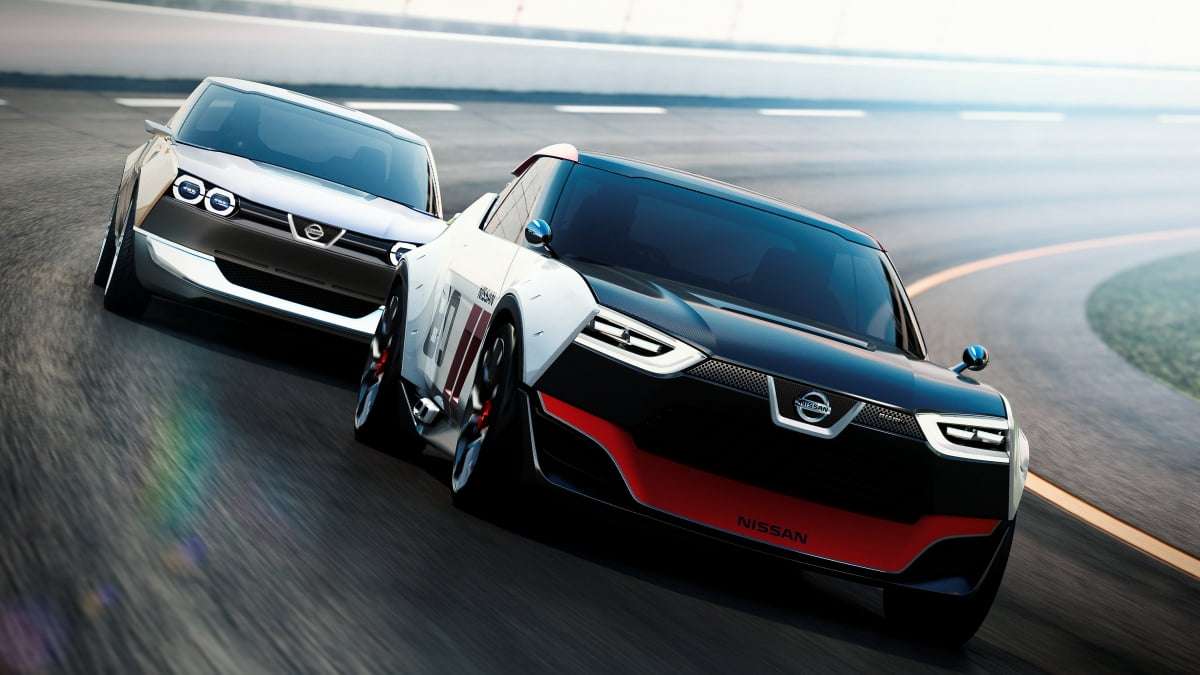

Nissan’s recent situation has been a constant string of financial difficulties, survival, and brand restructuring. The merger talks with Honda (which also involve Mitsubishi), have not borne any meaningful resolution, despite the three companies still partnering on a smaller scale.
Related: The Mitsubishi Pajero Returns In 2026, As A Rugged Competitor To The Toyota Land Cruiser
Being something of a Nissan aficionado, I recognize the brand is a pale imitation of its former self. I decided to draw on my years as an automotive journalist and a car enthusiast to think about which models Nissan needs to bring back to “get back on the horse” and, once again, be taken seriously. The brand is not short on heritage, especially when it comes to sports cars and pickup trucks. With that said, here are three models that will be successful if Nissan decides to bring them back.
There are also models where Nissan has nailed it, but can be improved upon, which I have also mentioned.
Nissan Hardbody - compact, affordable, rugged, workhorse, pickup
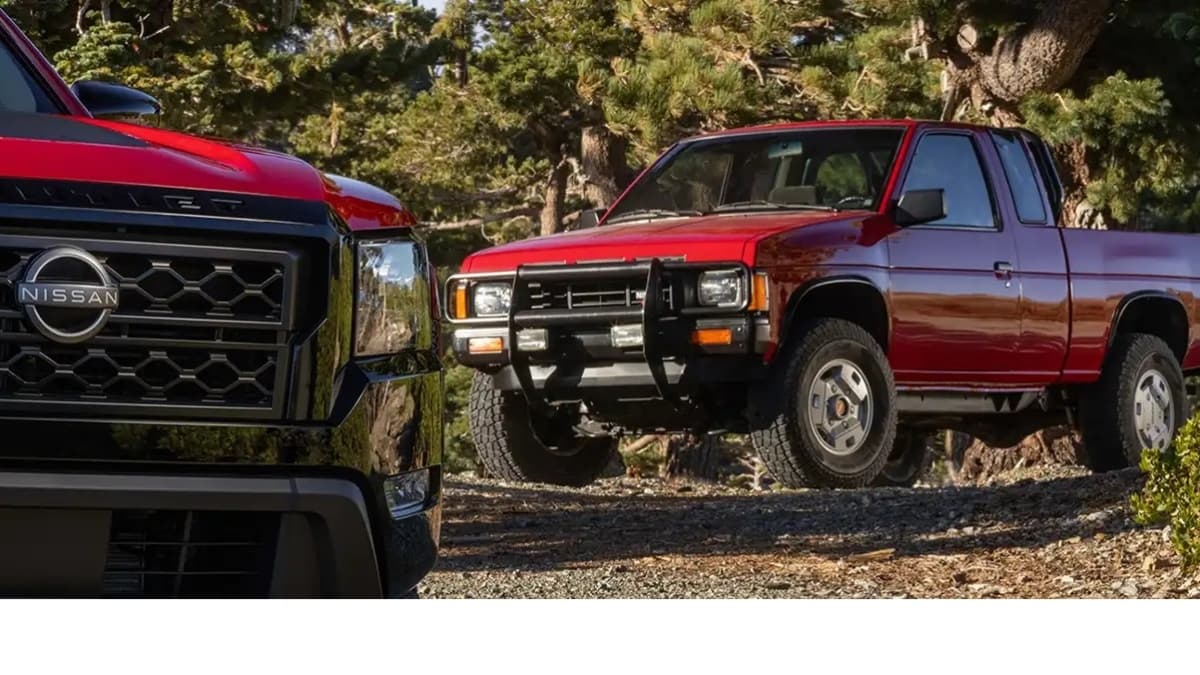
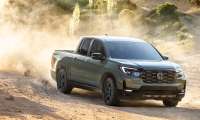
Even when we talk about Japanese carmakers, few pickup trucks can rival the iconic Toyota models, like the soon-to-be-resurrected Stout, Hilux, Tacoma, or Tundra. However, Nissan has an iconic name as well - the Hardbody - and it has been around since 1985, with the D21 model. The nameplate was officially retired in 2021, with the NP300 model, but the legacy of a compact, affordable, and rugged workhorse remained.
Over 2.7 million Hardbodies were built, which speaks to the model’s popularity. With pickup trucks continuously being the most popular vehicle segment in the US, now is the right time for Nissan to bring back the Hardbody as a no-nonsense, affordable truck. A base, non-hybrid model with a manual transmission and a range-topping hybrid would make perfect sense in today’s market, as long as it is priced accordingly.
Nissan Maxima
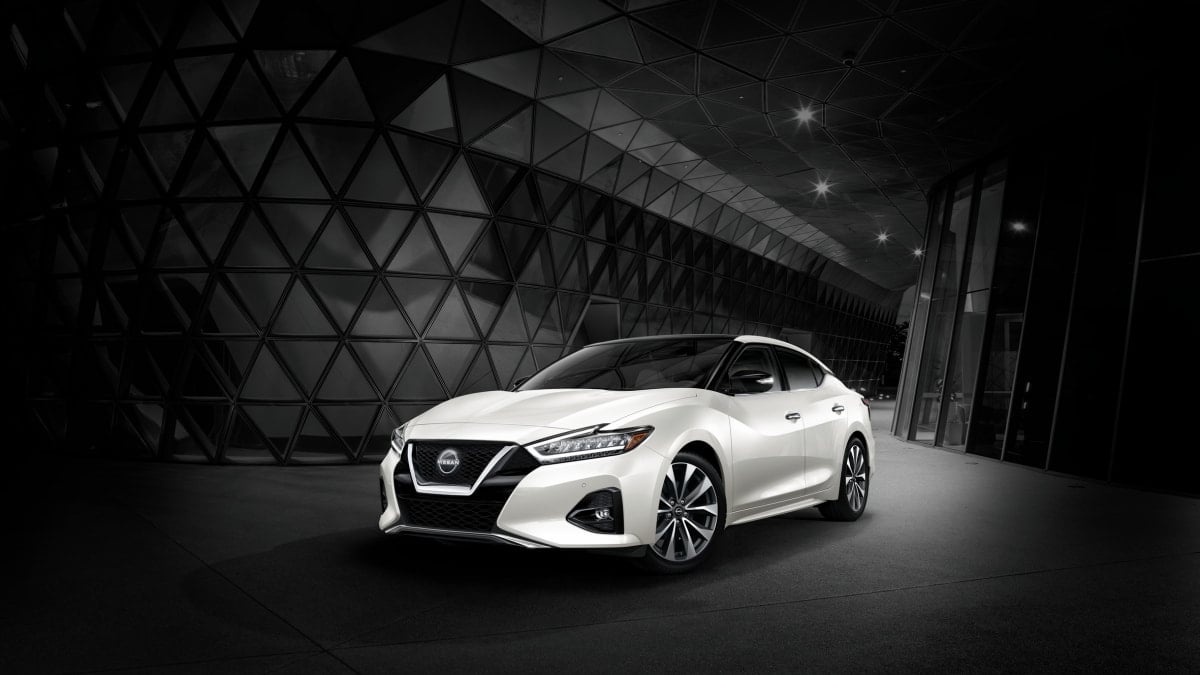
The Japanese midsize sedan was once extremely popular, but after 2018, sales rapidly declined. In 2025, Nissan sold just 25 units in the US, and even those were leftover inventory, since production ended in 2023. I think the sedan looked the part and had an engine from the 350Z. However, consumer demand shifted towards SUVs, and Nissan’s quality reputation was not stellar (mostly due to CVT issues). With a base price of under $30,000, this will be a strong competitor in the compact truck segment.
That said, there is still a market for midsize sedans, and the Maxima still has a place, if Nissan properly executes it. Don’t reinvent the wheel. Use the same engine, offer a hybrid variant with the electric motor powering the rear axle, and drop the CVT for the seven-speed automatic or the Mercedes-derived nine-speed. Ideally, the Maxima should have a starting MSRP in the mid-$30,000s.
Over 2.7 million Hardbodies were built, which speaks to the model’s popularity. With pickup trucks continuously being the most popular vehicle segment in the US, now is the right time for Nissan to bring back the Hardbody as a no-nonsense, affordable truck. A base, non-hybrid model with a manual transmission and a range-topping hybrid would make perfect sense in today’s market, as long as it is priced accordingly.
Nissan Silvia
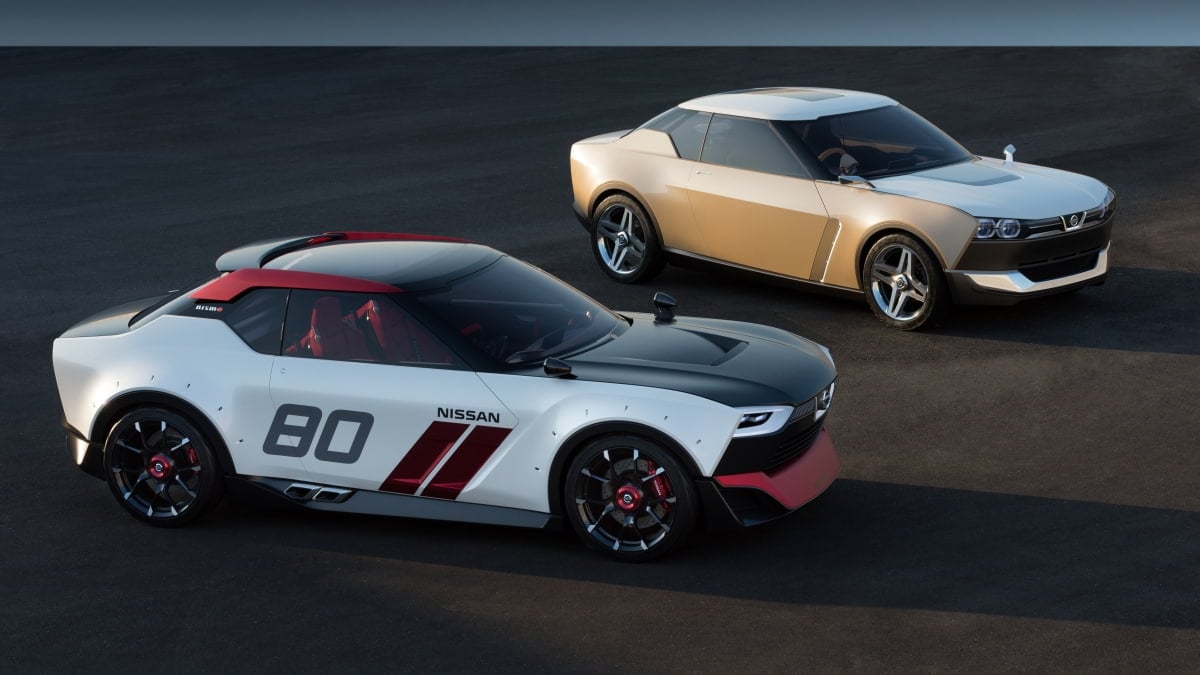
Enthusiasts have been wanting a Silvia successor for some time now, and while Nissan has been flirting with the idea, we have yet to see anything that suggests one is coming. We got the Nissan IDx concept back in 2013, which hinted at a retro-inspired sports coupe, and the rumor machine quickly spun the topic of a Silvia resurrection.
Companies like Toyota (GR86) and Mazda (MX-5) are proof there is still a market for affordable sports cars. In fact, even Hyundai is gearing up to join the affordable performance car game, with an expanded N lineup. The S-chassis has a cult following, and given the current market situation, I see no reason Nissan shouldn’t cash in on the heritage with a lightweight, affordable sports car, starting around the low-$30,000.
Related: Should Mazda Make A Larger, More Powerful Miata?
What Nissan did right, but can improve upon
Nissan Z
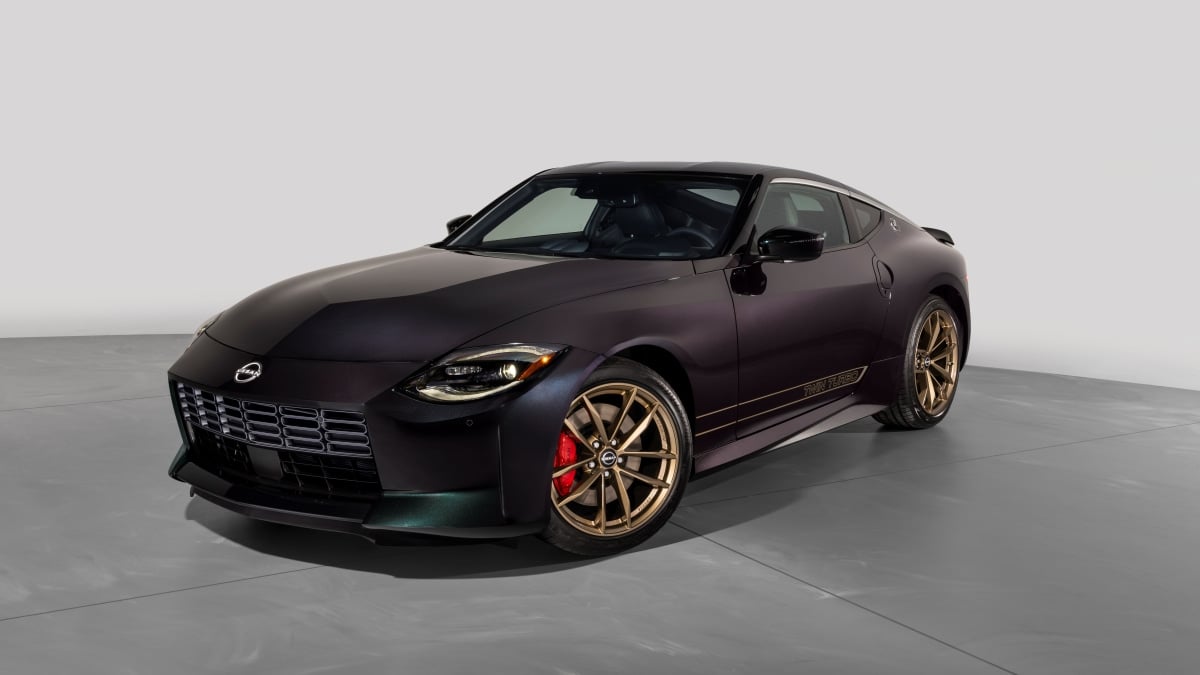
The Fairlady Z is one of Nissan’s most iconic models. The 370Z was long in the tooth, having been around since 2008, and when its successor arrived, people both hated and loved it. I think the Nissan Z, especially in Performance trim, is the most band-for-buck you can get nowadays. People hated that it wasn’t all-new, having been extensively based on a platform that’s over 20 years old. Is it really a bad thing, given that the platform is good, and the fact that this move keeps the price down? I think not.
You get a familiar tech, tuner-friendly, VR30DDTT engine with 400 horsepower out of the box, a manual transmission even on the NISMO (since 2026), and vast aftermarket support that dates from even before the Z’s official debut. Yes, the NISMO Z is overpriced, especially when compared to the GR Supra Final Edition, but at least the 2027 facelift addresses the controversial front-end design.
Nissan Frontier
The Nissan Frontier is just as iconic as the Toyota Tacoma, and in its current iteration, I find a few reasons why it offers better value for the money. Nissan’s midsize pickup truck is reasonably priced, and in an age of downsized engines and electrification, it offers a normally-aspirated V-6 and a simplified lineup with generous standard equipment. You can also get it as a crew cab or extended cab, with a five-foot or six-foot bed.
The VQ38DD engine has been designed with reliability and longevity in mind, and allows the truck to tow up to 7,150 pounds (650 more than the Tacoma). Maximum payload capacity is 1,720 pounds (slightly more than the Tacoma’s 1,705). With a starting price in the low-$30,000, the truck is reasonably priced. Nissan recently unveiled a very different Frontier Pro PHEV, but US availability may not be feasible.
Nissan Pathfinder
For its current, fifth-generation, the Japanese midsize SUV offers more refinement, generous equipment, and a proven VQ35 engine. Like the Frontier, the Pathfinder is for those not caring about hybrid tech, instead searching for a normally-aspirated V-6.
The unibody platform makes the SUV better-suited for on-road activities, although the Rock Creek trim still offers a 0.6-inch suspension lift, more off-road-focused wheels, and a heavy-duty roof rack, additional LEDs, and more. With a starting price of around $39,000, you get a lot for your money, although I’d recommend spending an extra $20,000 on the optional four-wheel-drive (standard on the Rock Creek).
Nissan Armada
Frankly, I think Nissan is shooting itself in the leg with this one. The Armada starts at just over $58,000, which is around $23,000 more affordable than the Infiniti QX80, which is a more pampered version of the same, full-size, three-row SUV. Even the engine is the same 3.5-liter, twin-turbo V-6, but with 425 horsepower instead of the QX80’s 450. Torque is identical at 516 pound-feet.
So - body-on-frame, 8,500 pounds of towing capacity, generous standard equipment, and a potent V-6 that shares lineage with the Z’s VR30DDTT. Moreover, the Armada NISMO stands out with aggressive styling, and an engine massaged to 460 horsepower, and an MSRP of $79,530 - still less than the base QX80.
Nissan Sentra
Nissan’s second-smallest sedan (after the Versa) is in its ninth generation, and it is surprisingly good. Even the base S trim is generously equipped and starts at a very reasonable $22,400, which is a great value for money. The engine is not quick, but it is adequate and refined enough for a four-cylinder. The Sentra is spacious, comfortable, and surprisingly refined for the price range.
The downside is that the only available transmission is a CVT. A six-speed manual would have been a good option to have. Recently, NISMO Nick made his own NISMO-inspired Sentra, and I think the suits at Nissan should take note.
The compact performance car market is getting increasingly diverse with models like the GR Corolla, Elantra N, and the VW Jetta GLI or Golf GTI, so a NISMO Sentra or a return of the SE-R badge, with appropriate performance enhancements, would be a welcome addition to the lineup.
Nissan Leaf
The company’s compact, sensible EV is the least exciting car here, but also one of the most successful. Granted, the Nissan model isn’t selling as well as Toyota’s hybrid Prius, but it offers a fully-electric alternative for around the same price (EVs are generally more expensive than an equivalent ICE or hybrid vehicle). The Leaf gets up to 303 miles of range, and offers brisk acceleration in the range-topping version, with 214 horsepower and 236 pound-feet - 7.2 seconds from 0 to 60 mph.
Nissan currently has the e-Power hybrid system, which uses a 1.5-liter engine as a range extender. Given the switch from EV to hybrid vehicles. A Leaf with a similar powertrain would provide a more diversified lineup for the popular model.
Nissan GT-R
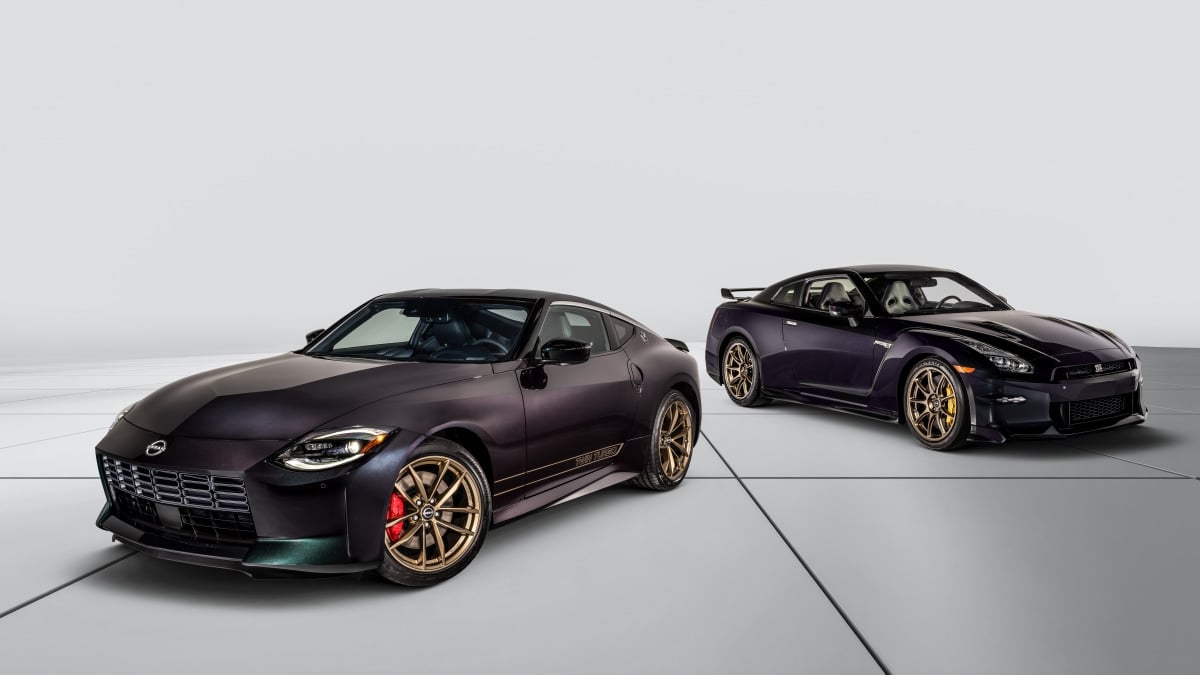
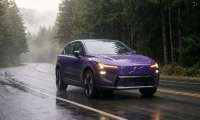
We cannot talk about Nissan’s successful models without addressing the elephant in the room. The R35 GT-R was long in the tooth and was finally discontinued in August 2025, after 18 years of continuous revisions. Nissan CEO Ivan Espinosa confirmed that the next-generation “Godzilla” is in development and that the GT-R name will "evolve and reemerge”.
Given what competitors like Porsche are doing, I suspect some form of electrification will be involved, but we are assured that the Nissan GT-R will continue to rely on an internal-combustion engine in the future.
This article is the result of analyzing market trends and consumer demand, as well as personal opinion. I am curious to hear whether you agree with the previous paragraphs. Which models do you think Nissan should bring back? Should the Nissan Sentra get a manual and a true NISMO version? Should the next-generation GT-R be hybrid? Let me know what you think in the comment section below.
Images sourced from the official Nissan press release website
Set Torque News as Preferred Source on Google
Follow us today...